
Zucchini Vertical Gardening Organic Method: 2026 Guide
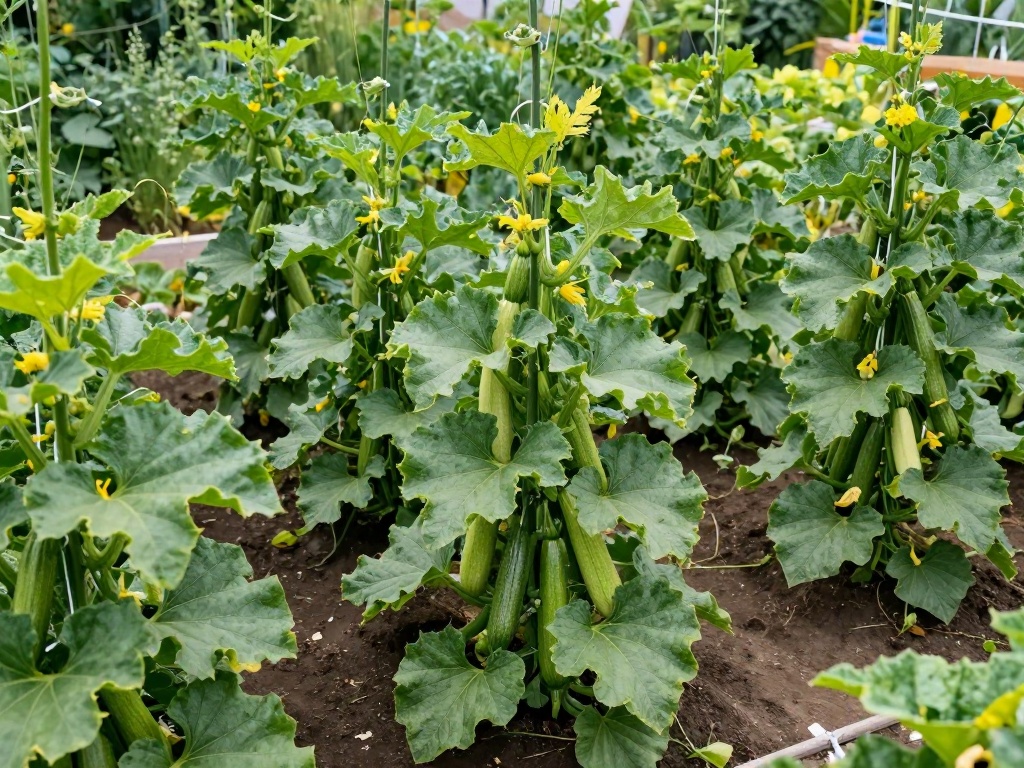
Zucchini Vertical Gardening Organic Method: 2026 Guide
Growing zucchini vertically using organic methods has transformed how home gardeners cultivate this prolific vegetable. Whether you have a small balcony, limited garden space, or simply want to maximize your harvest, vertical gardening offers an efficient solution for producing healthy, chemical-free zucchini plants. This comprehensive 2026 guide walks you through every step of implementing an organic vertical gardening system that delivers impressive results.
Why Choose Vertical Gardening for Zucchini
Traditional zucchini plants sprawl across the garden, requiring significant horizontal space that many urban gardeners simply do not have. By training zucchini vines upward, you can grow the same abundant harvest in a fraction of the space. Vertical growing also improves air circulation around foliage, reducing fungal disease problems that commonly plague zucchini grown horizontally.
Organic vertical gardening methods take this approach further by eliminating synthetic fertilizers and pesticides entirely. Your harvest becomes not only space-efficient but genuinely healthy and environmentally sustainable. The vertical position also makes harvesting easier, as fruits remain visible and accessible rather than hiding beneath large leaves.
Space Efficiency Benefits
One zucchini plant grown horizontally can spread across 3-4 square meters of garden bed. The same plant trained vertically occupies less than 1 square meter while producing comparable yields. This makes vertical growing ideal for apartment balconies, patios, and small urban gardens where space comes at a premium.
Improved Plant Health
When zucchini vines grow upward, leaves dry faster after rainfall or watering. This dramatically reduces powdery mildew and other fungal issues that devastate traditional plantings. Better airflow also discourages pests like squash bugs that prefer humid, sheltered environments.
Best Zucchini Varieties for Vertical Gardening
Not all zucchini varieties adapt equally well to vertical growing. Choosing the right cultivar forms the foundation of successful vertical gardening in containers, raised beds, or small-space settings. Compact bush varieties work best because they have naturally shorter internodes and more controlled growth habits.
Recommended Bush Varieties
- Black Beauty: Classic dark green zucchini with compact growth perfect for containers
- Costata Romanesco: Italian heirloom with excellent flavor and manageable size
- Golden Zucchini: Yellow variety that contrasts beautifully against green supports
- Eight Ball: Round zucchini ideal for single servings and vertical growing
- Patio Star: Specifically bred for container and small-space gardening
Varieties to Avoid
Large vining varieties like Table Queen require extensive vertical space and produce oversized fruits that stress support structures. Stick to compact cultivars yielding fruits under 20 centimeters for best results in vertical systems.
Essential Materials and Setup
Gathering quality organic materials before planting ensures your vertical gardening system supports healthy zucchini growth throughout the season. The initial investment in proper supplies pays dividends through easier maintenance and better harvests.
Support Structures
Sturdy trellises, cages, or stakes form the backbone of vertical zucchini gardening. For organic gardening in raised beds or containers, consider untreated wooden trellises, bamboo poles arranged in teepee formation, or livestock panels bent into A-frame shapes. Ensure supports reach at least 1.5 meters height to accommodate mature vine growth.
Organic Growing Medium
Fill containers or raised beds with a blend of aged compost, coconut coir, and perlite in equal parts. This mixture provides excellent drainage while retaining sufficient moisture for zucchini's water-hungry roots. Avoid garden soil in containers, as it compacts and restricts root development.
Step-by-Step Organic Method
Implementing the organic zucchini vertical gardening method requires attention to proper planting, support installation, and ongoing care using only natural inputs. Follow these stages precisely for optimal results in your 2026 garden.
Stage 1: Soil Preparation and Planting
Begin by filling your chosen container or prepared bed with the organic growing mixture. Plant zucchini seeds or seedlings at the base of your support structure, spacing plants 60 centimeters apart if growing multiple vines. Water thoroughly and allow the medium to settle before proceeding.
For containers, select vessels holding at least 19 liters capacity with adequate drainage holes. Five-gallon buckets work excellently for single-plant vertical gardens on patios or balconies. Raised beds should be at least 30 centimeters deep to accommodate zucchini's extensive root system.
Stage 2: Installing Vertical Support
Insert your support structure into the container or bed, positioning it so the plant will grow directly adjacent. For teepee-style supports, gather three to four bamboo poles or wooden stakes, securing them at the top with natural twine and spreading the bases outward. Ensure the structure sits firmly without wobbling, as mature zucchini vines become surprisingly heavy.
Stage 3: Training Young Vines
As seedlings develop and produce their first true leaves, gently guide the main stem toward the support structure. Use soft natural twine to loosely tie the stem, leaving room for future growth. Check ties regularly and loosen any that begin cutting into expanding stems.
Remove any side shoots developing in the lower 30 centimeters of the vine, directing all energy upward. This process, called pruning, maintains a single dominant stem that attaches firmly to supports and produces fruit at accessible heights.
Stage 4: Organic Fertilization Schedule
Feed your vertical zucchini plants every two weeks using organic amendments. Top-dress with aged compost around the base of each plant, scratch it gently into the top inch of growing medium, and water thoroughly. For additional nutrition, apply compost tea monthly by steeping finished compost in water for 24-48 hours, then diluting to the color of weak tea.
Organic Pest and Disease Management
Maintaining healthy zucchini plants organically requires proactive monitoring and natural intervention strategies. Without chemical pesticides, prevention and biological controls become your primary defense against common garden threats.
Prevention Strategies
Healthy soil produces healthy plants with natural resistance to pests and diseases. Rotate zucchini planting locations each year to disrupt pest life cycles. Companion plant with basil, marigolds, and nasturtiums to deter aphids and attract beneficial insects like ladybugs and lacewings.
Natural Solutions for Common Problems
- Aphids: Spray with diluted neem oil solution or introduce ladybugs
- Squash vine borers: Wrap stems with aluminum foil or row covers early in season
- Powdery mildew: Apply diluted milk spray (1:9 milk to water ratio)
- Squash bugs: Handpick adults and crush egg clusters on leaf undersides
Watering and Maintenance Schedule
Consistent moisture proves essential for successful zucchini vertical gardening, particularly in container growing situations where plants cannot access groundwater. Deep, infrequent watering encourages roots to develop extensively rather than remaining shallow.
Watering Best Practices
Water deeply when the top 2-3 centimeters of growing medium feel dry to the touch. Apply water directly to the soil surface rather than overhead sprinkling to prevent leaf diseases. Morning watering allows foliage to dry before evening, reducing fungal development risk. In peak summer heat, container-grown zucchini may require daily watering to maintain consistent moisture levels.
Mulching for Moisture Retention
Apply a 5-centimeter layer of organic straw mulch around zucchini plants to conserve moisture and suppress weeds. Mulch also moderates soil temperature, keeping roots cooler during hot weather. As it decomposes, mulch adds organic matter to your growing medium, improving overall soil structure and fertility.
Harvesting Your Vertical Zucchini
Knowing when and how to harvest determines both fruit quality and continued production. Zucchini responds well to regular harvesting, with frequent picking encouraging additional flower and fruit development throughout the season.
Optimal Harvest Timing
Harvest zucchini when fruits reach 15-20 centimeters length for best texture and flavor. Larger fruits become seedy and less palatable while also signaling the plant to slow production. Use sharp pruners or a knife to cut fruits from the vine, leaving a small stem attached.
Check plants every other day during peak production, as zucchini can grow from flower to harvestable size in just 24-48 hours during warm weather. Frequent harvesting using organic vertical gardening methods can yield 4-6 kilograms of produce per plant throughout the season.
Common Mistakes to Avoid
Even experienced gardeners encounter challenges when transitioning to vertical growing methods. Understanding common pitfalls helps you sidestep frustrating setbacks and achieve faster results in your 2026 garden.
- Insufficient support: Underestimating vine weight leads to collapsed structures and plant damage
- Overwatering: Poor drainage combined with excessive watering causes root rot
- Skipping organic feeding: Container plants deplete nutrients faster than garden beds
- Neglecting training: Allowing unrestricted growth makes later correction difficult
- Harvesting too late: Oversized fruits signal the plant to reduce production
Seasonal Timeline for 2026
Timing your vertical zucchini gardening activities ensures plants establish properly and produce throughout the optimal growing season. Adjust dates based on your local climate zone, generally planting after all frost danger passes.
Early Season (April-May)
Prepare growing containers, build or purchase support structures, and mix organic growing medium. Start seeds indoors 3-4 weeks before the last expected frost for a head start on the season.
Main Season (June-August)
Plant established seedlings, begin regular training and tying, and implement the organic fertilization schedule. Maintain consistent watering and begin harvesting as fruits reach maturity.
Late Season (September-October)
Continue harvesting and care routines. Allow some fruits to mature fully for seed saving if desired. Clean and store supports at season's end for reuse in subsequent years.
FAQ: Zucchini Vertical Gardening
Can beginners successfully grow zucchini vertically?
Absolutely. Zucchini vertical gardening organic method works well for beginners if they start with healthy seedlings, adequate containers, and sturdy support structures. Beginning with just one or two plants allows new gardeners to learn the techniques before scaling up their vertical gardens.
What mistakes do most beginners make with vertical zucchini?
The most common errors include using inadequate support that collapses under vine weight, overwatering in containers without drainage, failing to train vines early, and harvesting fruits too late. Starting with compact bush varieties and checking plants daily helps beginners avoid these pitfalls.
When is the best time to start vertical zucchini gardening?
Plant zucchini outdoors 2-3 weeks after the last spring frost when soil temperatures reach at least 15°C. Seeds started indoors 3-4 weeks earlier give plants a significant head start. In most regions, this means planting between late April and early June depending on local climate conditions.
How much time and cost does vertical zucchini gardening require?
Initial setup costs range from $20-50 for containers, supports, and growing medium. Weekly maintenance requires 15-30 minutes for training, feeding, and harvesting. The organic zucchini vertical gardening method costs significantly less than buying produce while providing superior flavor and quality.
How long until I see results from vertical growing?
Most zucchini varieties produce harvestable fruit within 50-60 days from transplanting when grown vertically using organic methods. Compact bush varieties may begin producing slightly faster, while maintaining consistent organic feeding accelerates overall growth and fruit development.
Does vertical growing affect zucchini flavor or quality?
When following the organic zucchini vertical gardening method, vertical growing actually improves fruit quality. Better air circulation reduces disease pressure, more direct sunlight reaches developing fruits, and consistent care produces sweeter, firmer zucchini with superior texture compared to ground-grown counterparts.
Starting your vertical zucchini garden today positions you for a productive season of fresh, organic produce regardless of available space. The organic zucchini vertical gardening method demonstrated here works equally well in apartment balconies, backyard raised beds, and traditional garden plots. Implement these techniques now and enjoy abundant harvests through 2026 and beyond.
No comments