
How to Start Parsley Container Gardening for Beginners in 2026
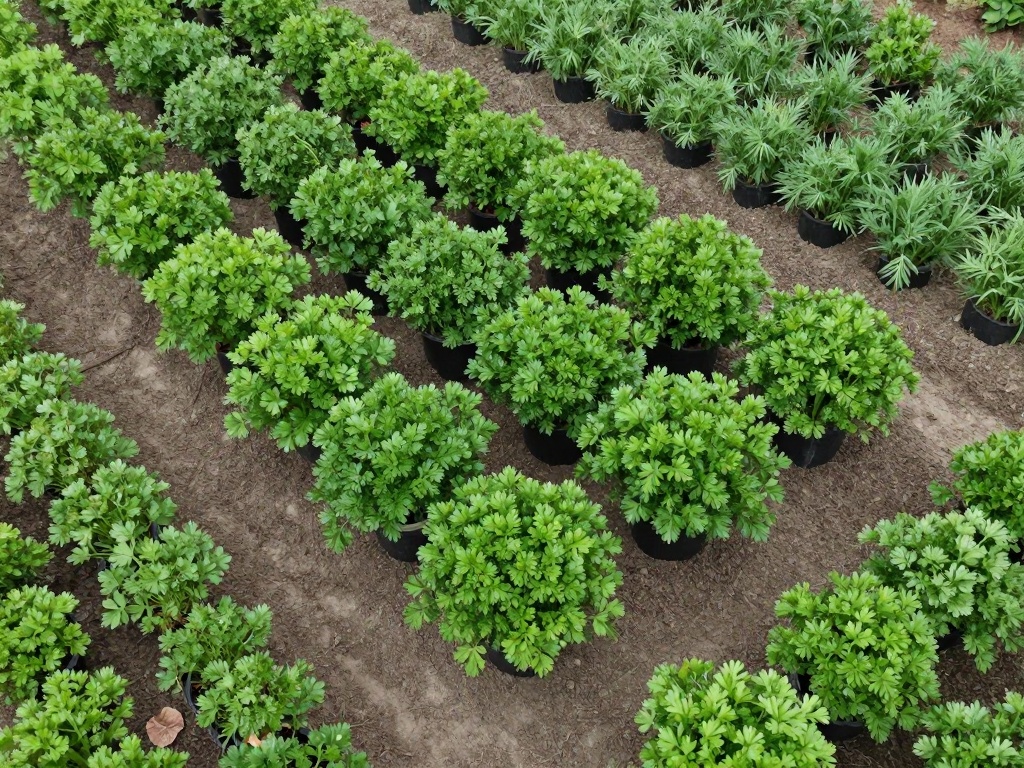
How to Start Parsley Container Gardening for Beginners in 2026
Container gardening has revolutionized how home gardeners grow fresh herbs, and parsley container gardening for beginners offers the perfect entry point into this rewarding practice. Whether you have a tiny apartment balcony or a modest backyard, growing parsley in containers delivers fresh, flavorful herbs right at your fingertips. This complete guide walks you through every step of the process, ensuring your parsley thrives from seedling to harvest.
Why Choose Parsley for Container Gardening?
Parsley stands out as an ideal herb for beginners for several compelling reasons. This versatile biennial herb adapts remarkably well to container life and tolerates partial shade better than many other culinary herbs. Fresh parsley adds vibrant flavor to soups, salads, sauces, and garnishes while providing impressive nutritional benefits, including vitamins A, C, and K.
Container-grown parsley also offers superior convenience compared to garden plots. You can position your containers near the kitchen for easy harvesting, move them to optimize sunlight exposure, and bring them indoors during harsh weather. For beginners, parsley provides forgiving growth habits and clear visual cues when something needs adjustment.
Best Parsley Varieties for Container Growing
Two primary parsley varieties excel in container environments. Flat-leaf Italian parsley (Petroselinum crispum var. neapolitanum) features a more robust flavor preferred by chefs and grows exceptionally well in containers. Curly parsley (Petroselinum crispum) offers ornamental appeal with its frilly leaves and milder taste, making it equally suitable for small-space growing.
Essential Supplies for Parsley Container Gardening
Choosing the Right Container
Selecting an appropriate container forms the foundation of successful parsley container gardening for beginners. Your pot must provide adequate drainage holes to prevent root rot, which plagues container herbs more frequently than garden-grown specimens. A container measuring 6 to 8 inches deep accommodates parsley's taproot comfortably, while widths of at least 6 inches allow sufficient spreading room for mature plants.
Materials matter less than drainage and size. Terracotta pots offer excellent breathability but dry out faster, while plastic containers retain moisture longer—beneficial for beginners who might forget watering schedules. Fabric grow bags provide exceptional root aeration and work wonderfully for parsley in small spaces.
Selecting Quality Potting Mix
Never use garden soil for container parsley, as it compacts too heavily and may harbor disease organisms. Instead, select a premium potting mix specifically formulated for containers. Look for mixes containing peat moss, perlite, and vermiculite, which ensure proper drainage while retaining adequate moisture. Adding perlite improves aeration around roots, promoting healthier growth in your herb gardening endeavor.
Parsley Seeds vs. Seedlings
Beginners face a choice between starting from seeds or purchasing established seedlings. Parsley seeds germinate slowly, often requiring 2 to 4 weeks for sprouting, which tests patience but offers the satisfaction of nurturing plants from the very beginning. Pre-started seedlings provide immediate gratification and prove especially useful when the growing season has already begun. Both approaches yield excellent results with proper care.
Step-by-Step Planting Process
Planting Parsley Seeds in Containers
Follow these steps for successful seed planting. First, fill your container with moist potting mix, leaving approximately one inch of space below the rim. Second, scatter seeds sparingly across the soil surface, then cover them with a thin layer of potting mix—about 1/4 inch deep. Third, mist the surface gently with water, avoiding strong streams that displace seeds. Fourth, cover the container with clear plastic wrap to create a humid microenvironment that accelerates germination.
Position your container in a warm location receiving indirect light, maintaining temperatures between 60°F and 70°F (15°C to 21°C). Remove the plastic wrap once sprouts emerge, typically within 2 to 4 weeks. Thin seedlings to 4 to 6 inches apart once they develop their second set of true leaves, giving remaining plants ample room for healthy development.
Transplanting Seedlings into Containers
For those using nursery seedlings, transplanting requires gentle handling. Water the seedling thoroughly before removal to minimize root stress. Create a hole in your prepared container slightly larger than the root ball, then place the seedling at the same depth it occupied in its original container. Backfill with potting mix, firming gently around the base, and water deeply to settle soil around roots.
Caring for Your Parsley in Containers
Watering Requirements
Consistent moisture proves essential for thriving parsley in containers. Water when the top inch of soil feels dry to the touch, applying water slowly until it flows from drainage holes. Container parsley typically requires watering every 2 to 3 days during warm weather, though frequency varies based on temperature, humidity, and container material. Terra cotta pots demand more frequent watering than plastic or ceramic alternatives.
Avoid overwatering, which causes root rot and fungal problems. Conversely, underwatering stresses plants and triggers premature bolting (flowering), ending leaf production. Mulching the soil surface with a thin organic layer helps retain moisture between waterings.
Sunlight Needs
Parsley performs best with 4 to 6 hours of sunlight daily, though it tolerates partial shade, particularly in hot climates. South-facing windows provide ideal indoor conditions, while outdoor containers benefit from locations receiving morning sun and afternoon shade. Insufficient light produces leggy, pale plants with reduced flavor intensity.
Feeding Your Container Parsley
Container-grown parsley depletes nutrients faster than garden plants due to limited soil volume. Apply a balanced, water-soluble fertilizer diluted to half-strength every 2 to 4 weeks during the growing season. Alternatively, incorporate slow-release granules into the potting mix at planting time. Avoid over-fertilizing, which produces lush foliage with diluted flavor.
Temperature and Climate Considerations
Parsley prefers cooler temperatures between 55°F and 75°F (13°C to 24°C), making it ideal for spring and fall cultivation in most regions. It tolerates light frosts but struggles in extreme heat above 85°F (29°C). During summer heat waves, move containers to shadier locations or bring them indoors temporarily to extend your harvest window.
Harvesting and Pruning Parsley
Proper harvesting techniques encourage bushy, productive growth. Begin harvesting once stems have developed at least three segments, typically 8 to 10 weeks after planting. Cut stems from the outer portions of the plant first, always removing complete stems at their base rather than plucking individual leaves.
Regular harvesting prevents flowering and extends the productive life of your parsley. Never harvest more than one-third of the plant at once, allowing sufficient foliage for continued photosynthesis. With consistent harvesting, container parsley provides fresh leaves for 4 to 6 months or longer under optimal conditions.
Troubleshooting Common Problems
Yellowing Leaves
Yellow leaves typically indicate overwatering, nutrient deficiency, or insufficient light. Examine your watering habits first, allowing soil to dry appropriately between waterings. If watering practices seem correct, apply a balanced fertilizer to address potential nutrient depletion. Finally, assess light conditions and relocate to a brighter position if needed.
Pale, Leggy Growth
Stretched, weak growth with pale coloration usually signals inadequate light exposure. While parsley tolerates partial shade, it needs sufficient light for healthy development. Move containers to sunnier locations gradually, avoiding sudden shifts from deep shade to intense direct sun.
Pest Management
Container parsley occasionally attracts aphids, spider mites, or whiteflies. Inspect plants regularly, particularly leaf undersides, for early detection. Most pest problems respond well to strong water sprays that dislodge insects or applications of insecticidal soap. Container isolation naturally reduces pest pressure compared to garden planting.
Extending Your Growing Season
Strategic practices extend productive harvests beyond typical seasons. In autumn, bring containers indoors near a sunny window to continue harvesting throughout winter. Alternatively, create a simple cold frame using clear plastic covering to protect outdoor parsley from early frosts. succession planting—starting new containers every 3 to 4 weeks—ensures continuous supply during peak growing months.
Parsley grown as a biennial focuses energy on foliage production during its first year before flowering and setting seed in year two. For culinary purposes, treat parsley as an annual and replant each spring for optimal leaf quality and flavor.
Frequently Asked Questions
What size container is best for growing parsley?
A container at least 6 inches deep and 6 inches wide provides adequate space for healthy parsley growth. While parsley tolerates relatively small containers, larger pots (8 to 10 inches wide) produce more abundant harvests by providing additional root room and soil moisture retention.
How often should I water parsley in containers?
Container parsley typically needs watering every 2 to 3 days during active growth, though frequency depends on temperature, humidity, and pot material. Check soil moisture daily during summer by inserting your finger one inch deep—water when the soil feels dry at that depth.
Can parsley grow indoors year-round in containers?
Yes, parsley thrives indoors with adequate light. Position containers near south-facing windows receiving at least 4 to 6 hours of sunlight daily, or supplement with grow lights. Indoor parsley may grow slightly slower than outdoor plants but provides fresh harvests throughout winter months.
Why is my parsley turning yellow in its container?
Yellow parsley leaves usually indicate overwatering, which causes root stress and nutrient uptake problems. Allow soil to dry between waterings and ensure containers have proper drainage. Nutrient deficiency also causes yellowing—apply diluted fertilizer to address this issue.
How long does parsley take to grow from seed in containers?
Parsley seeds germinate slowly, requiring 2 to 4 weeks for sprouts to appear. Once germinated, plants need approximately 8 to 10 weeks before producing harvestable foliage. Patience proves essential with this herb—faster-growing herbs like basil offer quicker gratification.
What herbs grow well with parsley in the same container?
Parsley companions well with other Mediterranean herbs sharing similar water and light requirements, including chives, basil, and cilantro. Avoid pairing parsley with mint, which spreads aggressively and competes for resources. Single-herb containers typically produce healthier plants and easier maintenance.
No comments