
Zucchini Vertical Gardening Organic Method: 2026 Complete Guide
Zucchini Vertical Gardening Organic Method: 2026 Complete Guide
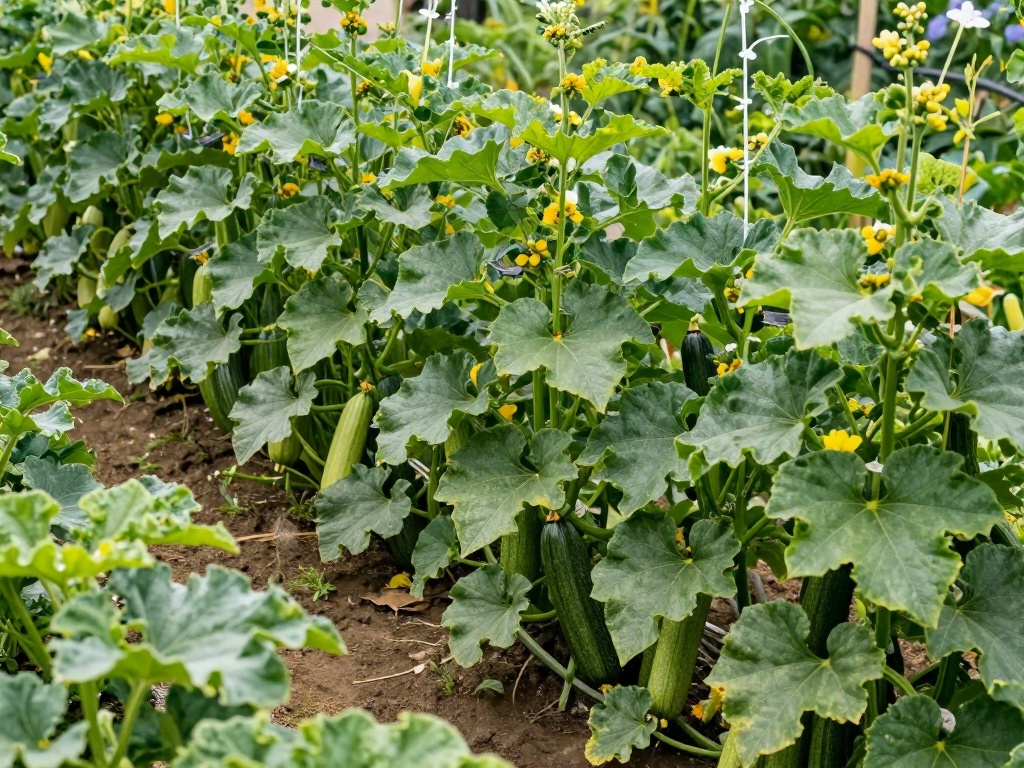
Growing zucchini vertically using organic methods revolutionizes how home gardeners cultivate this prolific summer squash. This comprehensive 2026 guide reveals proven techniques for maximizing your zucchini harvest in limited spaces while maintaining 100% natural growing practices. Whether you have a small backyard, patio, or balcony, vertical zucchini gardening transforms impossible spaces into productive vegetable gardens.
Why Choose Vertical Gardening for Zucchini
Traditional zucchini plants sprawl across 3-4 feet of garden bed, consuming valuable growing space. Vertical gardening organic method redirects growth upward, requiring only 2 square feet of ground space per plant. This approach delivers exceptional benefits for modern gardeners seeking efficiency without sacrificing yield.
Space Efficiency Benefits
Vertical structures enable gardeners to grow zucchini in containers, on patios, or even indoors near sunny windows. A single vertical plant produces the same harvest as its ground-growing counterpart while occupying 75% less footprint. This makes organic vertical zucchini growing ideal for apartment dwellers and urban homesteaders.
Improved Air Circulation and Disease Prevention
Elevated growing positions promote superior air circulation around foliage and fruits. This natural ventilation dramatically reduces fungal diseases like powdery mildew, a common challenge in zucchini cultivation. Organic gardeners appreciate that vertical positioning often eliminates the need for chemical interventions entirely.
Simplified Harvest and Maintenance
Vertically grown zucchini hangs at comfortable waist-to-eye level, eliminating painful crouching and searching beneath broad leaves. Fruits remain visible and accessible, ensuring optimal harvest timing. Regular inspection becomes effortless, allowing early detection of pests or problems.
Essential Materials for Organic Vertical Zucchini Setup
Successful vertical gardening requires appropriate support structures and organic growing media. Selecting quality materials ensures your investment yields abundant harvests for multiple growing seasons.
Choosing Support Structures
Trellis systems, cattle panels, and heavy-duty obelisks provide excellent vertical support for zucchini vines. Select structures rated for at least 25-40 pounds to accommodate developing fruits. Powder-coated steel and rot-resistant cedar offer durable, chemical-free options for organic gardens.
Organic Growing Medium Requirements
Container-grown vertical zucchini demands premium organic potting mix. Combine aged compost, coconut coir, perlite, and worm castings for optimal drainage and nutrition. This blend provides the nutrient-dense foundation essential for healthy vertical growth without synthetic fertilizers.
Step-by-Step: Planting Zucchini Vertically
Proper planting technique establishes the foundation for thriving vertical zucchini. Follow this organic method for seedlings destined for vertical growing structures.
Starting Seeds Organically
Begin seeds in organic seed-starting mix 3-4 weeks before your last frost date. Biodegradable pots allow transplanting without disturbing delicate root systems. Maintain soil temperature at 70-75°F for optimal germination within 7-10 days.
Transplanting to Vertical Containers
Select containers holding minimum 5 gallons per plant for adequate root development. Fill with prepared organic mix, leaving 2 inches from container rim. Plant seedlings at same depth as original pot, firming gently and watering thoroughly with compost tea.
Training Young Vines
As seedlings establish, gently guide main stems toward support structure. Secure loosely with soft plant ties, allowing natural movement. Check ties weekly, loosening any that constrict growth. Within 2-3 weeks, vines typically begin climbing independently.
Organic Care Methods for Vertical Zucchini
Maintaining vertical zucchini organically requires consistent attention to watering, feeding, and pest management using natural approaches.
Watering Techniques for Vertical Plants
Vertical plants dry faster than ground-level counterparts. Water deeply when top 2 inches of soil feel dry, typically every 2-3 days during warm weather. Drip irrigation or soaker hoses deliver consistent moisture directly to root zones, reducing leaf wetness that promotes disease.
Organic Fertilization Schedule
Feed vertical zucchini every 2-3 weeks with compost tea or diluted fish emulsion. Side-dress monthly with aged compost, scratching gently into soil surface. This organic feeding regimen supports vigorous growth and abundant fruit production throughout the season.
Natural Pest Management
Encourage beneficial insects like ladybugs and lacewings that consume aphids and squash bugs. Plant companion herbs including basil, nasturtiums, and marigolds to deter pests naturally. Inspect plants daily, removing pests by hand and using organic neem oil only as last resort.
Maximizing Yield in Vertical Systems
Strategic techniques optimize productivity from your vertical zucchini garden. These organic methods ensure continuous harvests throughout the growing season.
Pruning for Productivity
Remove lower leaves touching soil to improve air circulation. Pinch growing tips once vines reach desired height, encouraging lateral fruit-bearing branches. Regular harvesting—every 2-3 days during peak production—stimulates continued flowering and yield.
Hand Pollination Technique
Vertical growing sometimes reduces natural pollinator access. Hand pollination guarantees fruit set by transferring pollen from male flowers to female blooms using small brushes or directly touching stamens to pistils. Perform this technique morning hours when flowers fully open.
Extending the Harvest Season
Succession plant new seedlings every 4-6 weeks for continuous production. Provide light frost protection in autumn using row covers. In zones 8 and warmer, vertical zucchini may produce year-round with proper protection from occasional frosts.
Common Mistakes to Avoid
Avoiding these frequent errors ensures your vertical zucchini garden succeeds where others struggle.
- Using undersized containers that restrict root development
- Insufficient support structures that collapse under fruit weight
- Inconsistent watering causing blossom end rot
- Over-fertilizing with nitrogen, producing lush foliage but few fruits
- Neglecting to train vines early, resulting in tangled growth
- Harvesting fruits too large, which signals plants to reduce production
Best Zucchini Varieties for Vertical Growing
Variety selection significantly impacts vertical gardening success. These proven cultivars thrive in upward-growing systems.
Compact Bush Varieties
Patio Star, Bush Baby, and Raven varieties demonstrate excellent vertical adaptability. Their naturally restrained growth habits require minimal pruning while producing abundant yields on manageable vines.
Climbing and Trailing Types
Actual climbing zucchini varieties like Table King and Golden Zucchini climb readily when given proper support. These types maximize vertical potential, reaching heights of 6-8 feet with proper training.
Container Selection for Apartment Growers
Urban gardeners successfully grow vertical zucchini using strategic container choices. Five-gallon minimum containers with adequate drainage serve balcony and rooftop gardens admirably.
Self-Watering Container Benefits
Self-watering planters reduce maintenance frequency and provide consistent moisture levels. These systems prove particularly valuable during vacation periods or for busy gardeners seeking low-effort organic growing solutions.
FAQ: Vertical Zucchini Gardening Organic Method
How long does it take to grow zucchini vertically?
Zucchini reaches maturity in 45-65 days from transplanting when grown vertically using organic methods. Expect first harvests approximately 50-55 days after planting, depending on variety and growing conditions.
What size container is needed for vertical zucchini?
Minimum 5-gallon containers support single zucchini plants adequately. Ten-gallon containers provide optimal root space for maximum production. Ensure containers feature multiple drainage holes to prevent waterlogging in organic growing medium.
Does vertical growing affect zucchini flavor?
Vertical growing actually improves flavor by ensuring fruits ripen evenly with better sun exposure. Organic growing methods enhance taste further, producing sweeter, more flavorful zucchini compared to conventionally grown counterparts.
How much does vertical zucchini gardening cost to start?
Starting a vertical zucchini garden costs $30-80 depending on container choices and support structures. Reusable materials like cattle panels and quality containers provide multi-year value, reducing annual investment to under $20 for growing medium and organic amendments.
What are the biggest beginner mistakes in vertical zucchini growing?
Most beginners overwater, use containers too small, or neglect early vine training. Additionally, harvesting too late—allowing fruits to grow oversized—signals plants to slow production. Consistent daily inspection prevents these common issues.
Can zucchini be grown vertically in partial shade?
Zucchini requires minimum 6-8 hours direct sunlight for optimal production. While plants survive in partial shade, yield significantly decreases. South-facing positions or reflective surfaces maximize light availability in challenging urban spaces.
When is the best time to start vertical zucchini seeds?
Start seeds indoors 3-4 weeks before last spring frost, or direct sow after soil reaches 60°F. In most regions, this means starting seeds mid-April through early May for outdoor transplanting after frost danger passes.
How much harvest can one vertical zucchini plant produce?
Single vertical zucchini plants yield 5-10 pounds of harvestable fruit during optimal growing conditions. Consistent harvesting, proper organic nutrition, and hand pollination maximize production from each vertical plant throughout the season.
No comments