
Zucchini Vertical Gardening Organic Method: 2026 Complete Guide
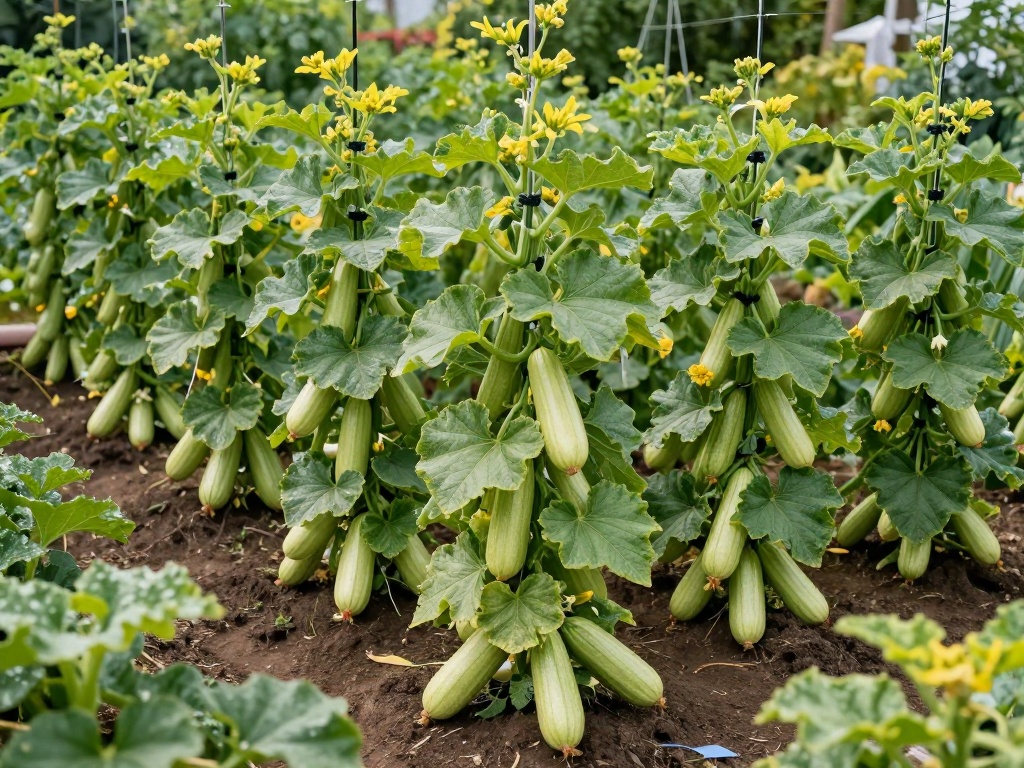
Zucchini Vertical Gardening Organic Method: 2026 Complete Guide
Growing zucchini vertically using organic methods is one of the most rewarding techniques modern gardeners can master in 2026. This space-saving approach transforms how you cultivate this prolific summer squash, allowing urban gardeners, those with small spaces, and anyone seeking higher yields to succeed brilliantly. In this comprehensive guide, you'll discover exactly how to implement organic vertical gardening methods for bountiful zucchini harvests.
Why Choose Vertical Gardening for Zucchini in 2026
Traditional zucchini plants sprawl across 3-4 feet of garden space, consuming valuable real estate that could house other vegetables. Vertical gardening reorganizes this growth pattern, directing vines upward instead of outward. The benefits extend far beyond space conservation.
Space Efficiency for Small Gardens
Urban gardeners working with balconies, patios, or raised beds discover that vertical zucchini cultivation maximizes every square foot available. A single plant trained upward produces the same yield as one sprawling across the ground, freeing space for companion plants like basil, marigolds, or lettuce. This method proves especially valuable for apartment dwellers growing vegetables in containers on sunny balconies.
Improved Air Circulation and Disease Prevention
When zucchini vines climb rather than rest on soil, air circulates freely around leaves and stems. This natural ventilation dramatically reduces fungal diseases like powdery mildew, which plagues horizontally grown plants during humid summers. Organic gardeners appreciate this preventive advantage, as it minimizes the need for any intervention.
Easier Harvesting and Maintenance
Vertically grown zucchini hangs within easy reach, eliminating the crouching and searching through dense foliage that frustrates many gardeners. Checking for ripe fruits becomes a quick daily task rather than an excavation project. This accessibility also means you spot pests and problems earlier, responding organically before infestations spread.
Choosing the Right Zucchini Varieties for Vertical Growth
Not all zucchini varieties adapt equally well to vertical gardening. Selecting appropriate cultivars forms the foundation of successful organic vertical growing.
Compact Bush Varieties for Containers
Compact bush varieties like 'Patio Star,' 'Raven,' and 'Eight Ball' naturally produce shorter vines perfect for container growing and smaller vertical supports. These varieties rarely exceed 2-3 feet in height, making them ideal choices for beginners exploring vertical gardening in limited spaces.
Climbing Varieties with Strong Tendrils
Some zucchini varieties actively climb, producing tendrils that grip supports naturally. 'Trombetta' and 'Florence' zucchini demonstrate this climbing behavior, attaching themselves to trellises with minimal guidance. These varieties respond best to organic vertical training methods and often produce oddly beautiful fruits that hang like ornaments.
Heirloom Options for Organic Growing
Heirloom varieties such as 'Costata Romanesco' and 'Golden Zucchini' offer excellent flavor and adaptability to vertical growing. Saving seeds from heirloom plants remains possible, supporting your commitment to sustainable, organic gardening practices year after year.
Essential Materials and Structures for Vertical Support
Successful zucchini vertical gardening requires sturdy support systems capable of bearing significant weight. Mature zucchini plants, especially those heavy with fruits, stress support structures considerably.
Sturdy Trellis Options
A-frame trellises provide exceptional stability for zucchini vines. Construct these using cedar posts or metal conduit, spacing horizontal supports every 12 inches. Lattice panels offer similar strength and create attractive garden features. For permanent installations, consider installing eye bolts and running heavy-gauge wire between posts for a clean, professional appearance.
Cattle Panel Arches
Cattle panels bent into arch shapes create magnificent vertical growing tunnels. Position these over garden paths, training zucchini vines to grow overhead. This method adds visual interest while maximizing growing space. The 16-foot panels typically available at farm supply stores form perfect arches spanning 4-6 feet wide.
Container and Raised Bed Solutions
For growing zucchini vertically in containers, choose pots minimum 18 inches in diameter and depth. Tomato cages repurposed for zucchini work adequately for lighter varieties. Install bamboo poles lashed together in teepee formation for rustic, effective support in raised beds.
Step-by-Step Organic Planting Process
Following proper planting techniques ensures your vertical zucchini garden starts strong and maintains health throughout the growing season.
Preparing Organic Soil Mix
Zucchini thrives in rich, well-draining soil with abundant organic matter. Create your own mix combining equal parts compost, aged manure, and quality potting soil or garden loam. Add a handful of worm castings and half a cup of organic bone meal per plant location. This nutrient-dense foundation supports vigorous vertical growth without synthetic fertilizers.
Seed Starting and Transplanting
Start seeds indoors 3-4 weeks before your last frost date, using peat-free organic seed-starting mix. Sow seeds 1 inch deep in biodegradable pots that transfer directly to larger containers without disturbing roots. Alternatively, direct sow seeds at their final growing location once soil temperatures reach 60°F consistently. Space plants 24-36 inches apart when growing multiple zucchini vertically.
Training Young Vines
Begin vertical training when seedlings reach 6-8 inches tall. Gently tie main stems to support structures using soft plant ties, leaving room for stem expansion. Guide vines toward your trellis or support rather than forcing them. Most zucchini plants require minimal assistance after initial training, as they naturally orient toward available supports.
Organic Care and Maintenance Throughout the Season
Maintaining vertical zucchini organically requires attention to watering, feeding, and pest management using natural methods only.
Watering Techniques for Vertical Plants
Vertical plants typically require more frequent watering than ground-sprawling varieties, as increased air circulation accelerates soil drying. Water deeply at soil level, avoiding wetting foliage whenever possible. Drip irrigation systems or soaker hoses work excellently for consistent moisture delivery. Target 1-2 inches of water weekly, adjusting during hot spells. Morning watering allows foliage to dry quickly, reducing disease pressure.
Organic Fertilization Schedule
Feed zucchini plants organically every 2-3 weeks during active growth. Side-dress plants with compost tea or aged manure tea for gentle, balanced nutrition. When fruits develop, apply organic tomato fertilizer or fish emulsion to support fruiting. Avoid high-nitrogen fertilizers once flowering begins, as excess nitrogen promotes foliage over fruit production.
Pruning for Productivity
Remove lower leaves touching the ground to improve air circulation and reduce soil-borne disease transmission. Pinch off the first few fruits on young plants, allowing vines to establish strong root systems before fruiting. Remove damaged or diseased foliage promptly. Some gardeners prune secondary vines to direct energy toward the main stem and primary fruits.
Common Problems and Organic Solutions
Even with excellent care, zucchini plants face challenges. Organic gardeners must recognize issues early and respond appropriately.
Addressing Powdery Mildew Organically
Powdery mildew occasionally appears despite good air circulation. Combat this organically using a baking soda spray (1 tablespoon per gallon of water with a few drops ofdish soap) or commercial organic fungicides containing copper or sulfur. Apply treatments during dry weather for best absorption. Removing heavily infected leaves helps control spread.
Managing Squash Vine Borers
Squash vine borers burrow into stems, causing sudden wilting. Organic prevention includes wrapping stems with aluminum foil or row covers during peak egg-laying periods. If infestation occurs, slit the stem carefully, remove the borer, and mound soil over the wounded area. Some gardeners inject stems with Bt (Bacillus thuringiensis) solution as organic control.
Controlling Aphids and Squash Bugs
Insecticidal soap sprays effectively control aphid populations. Release ladybugs in your garden for natural aphid predation. For squash bugs, hand-pick egg clusters from leaf undersides and trap adults under boards placed near plants. Neem oil applications provide additional organic control for persistent infestations.
Harvesting Your Vertical Zucchini
Knowing when and how to harvest impacts both fruit quality and continued production.
Optimal Harvest Timing
Harvest zucchini when fruits reach 6-8 inches long for best texture and flavor. Larger fruits become seedy and less flavorful. Check plants daily during peak production, as zucchini can transform from perfect to oversized within days. Use sharp pruners or a knife, cutting stems cleanly rather than pulling fruits.
Encouraging Continued Production
Regular harvesting signals plants to continue producing. Leaving oversized fruits on vines signals the plant that its job is complete, reducing further flowering. Harvest even during vacation periods by asking neighbors to pick, or accept that production may slow during your absence.
Storing and Using Your Organic Harvest
Your vertical garden produces abundant zucchini perfect for fresh eating and preservation.
Fresh Storage Methods
Refrigerate unwashed zucchini in perforated plastic bags for up to one week. For longer storage, slice and freeze zucchini for winter use in soups, breads, and casseroles. Dehydrating creates crispy vegetable chips perfect for healthy snacking.
Preservation Techniques
Zucchini pickles and relishes extend your harvest enjoyably. Shred excess zucchini for freezing in recipe portions. Fermented zucchini noodles provide probiotic-rich alternatives to pasta. Share surplus with neighbors, food banks, or community kitchens to reduce food waste.
Frequently Asked Questions
How much space do I need for vertical zucchini gardening?
You can successfully grow zucchini vertically in as little as 2-3 square feet of floor space if using adequate vertical supports. A 5-gallon bucket or 18-inch container works well for single plants. The key is ensuring your support structure extends 4-6 feet upward while the base footprint remains minimal.
What's the biggest beginner mistake in vertical zucchini growing?
The most common error involves using insufficient support structures. Supports must handle 20-50 pounds of mature vine plus fruits. Many beginners underestimate weight and find their trellises collapsing mid-season. Invest in sturdy materials rated for heavy loads to avoid crop loss.
When should I start vertical zucchini gardening in 2026?
Start seeds indoors 4-6 weeks before your last expected frost, or direct sow after all frost danger passes and soil reaches 60°F. In most USDA zones, this means starting seeds between March and May, with transplanting or direct sowing from May through June depending on your location.
What does organic vertical zucchini gardening cost compared to traditional methods?
Initial setup costs run $20-60 for supports and containers, plus $5-15 for organic soil amendments and seeds. However, you save money by growing more in less space, avoiding expensive fungicides or pesticides, and producing organic produce that costs premium prices at market. Ongoing costs are minimal after the first year.
How long until I harvest my first zucchini?
Most zucchini varieties produce harvestable fruits within 45-65 days from transplanting or 55-75 days from direct seeding. Compact varieties often produce slightly faster than larger climbing types. Your first harvest typically arrives 6-10 weeks after planting, depending on variety and growing conditions.
Can I grow zucchini vertically in containers on my apartment balcony?
Absolutely! Container growing suits zucchini perfectly for vertical gardening in small spaces. Choose compact varieties like 'Patio Star' or 'Bush Baby,' use a minimum 5-gallon container with drainage holes, and provide sturdy supports. Position containers in spots receiving at least 6-8 hours of direct sunlight for optimal production.
No comments