
How to Grow Zucchini Vertically: 2026 Organic Method Guide
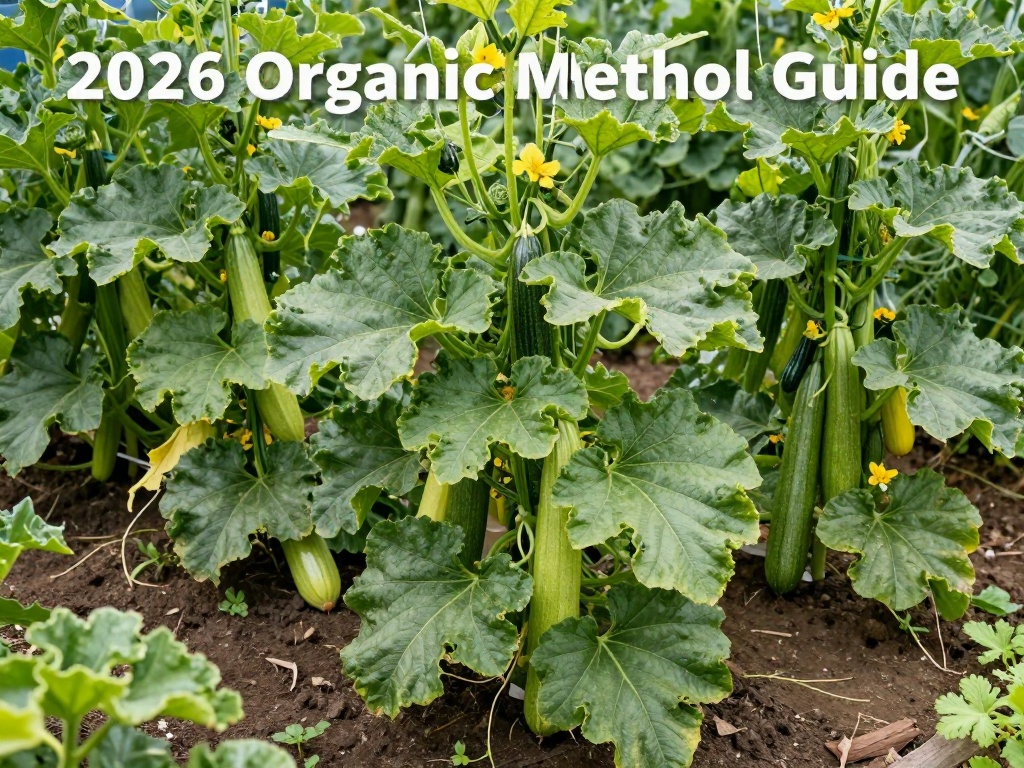
How to Grow Zucchini Vertically: 2026 Organic Method Guide
Zucchini vertical gardening organic method transforms the way you grow this prolific summer squash. Whether you have a tiny balcony, limited garden space, or simply want to maximize your harvest, growing zucchini vertically offers remarkable benefits for modern gardeners. This comprehensive guide walks you through every step of the process using completely organic techniques that work in any climate zone.
Why Choose Vertical Zucchini Gardening?
The organic method of growing zucchini vertically addresses several common gardening challenges. Traditional zucchini plants sprawl across the garden, demanding significant square footage that many gardeners simply do not have. By training your zucchini to grow upward instead of outward, you reclaim precious ground space while improving plant health and fruit quality.
Space Efficiency Benefits
One zucchini plant grown horizontally can occupy up to 15 square feet of garden bed. The same plant grown vertically requires only 3-4 square feet. This space efficiency makes vertical zucchini gardening particularly valuable for urban gardeners, apartment dwellers with balconies, and anyone working with raised beds or container gardens. You can grow three vertical zucchini plants in the space typically needed for just one sprawling bush.
Improved Air Circulation and Disease Prevention
When zucchini vines climb upward, air flows freely around leaves and stems. This natural ventilation dramatically reduces fungal disease problems that plague ground-growing zucchini, particularly powdery mildew. Organic gardeners appreciate this benefit because it means fewer pest control interventions and healthier plants throughout the growing season.
Easier Harvesting and Better Fruit Quality
Fruits growing on vertical plants remain cleaner, more accessible, and easier to spot. No more losing mature zucchini beneath sprawling leaves where they can grow oversized and watery. Harvesting becomes a simple matter of reaching up rather than crouching and rummaging through dense foliage.
Best Zucchini Varieties for Vertical Growing
Not all zucchini varieties perform equally well in vertical gardens. The organic method works best when you select compact or semi-trailing varieties specifically suited to climbing. These varieties have shorter internodes, more controlled growth habits, and better structural integrity for vertical support.
Recommended Bush Varieties
- Black Beauty: Classic dark green zucchini with excellent flavor, manageable size for vertical growing
- Costata Romanesco: Italian heirloom with distinctive ribbing, climbing tendency, and exceptional nutty flavor
- Round Eight Ball: Compact bush producing spherical fruits, perfect for small vertical spaces
- Patio Star: Specifically bred for container and vertical growing, produces abundantly in limited space
- Golden Zucchini: Yellow variety with slightly more compact growth habit
Varieties to Avoid
Large vining varieties like Cocozelle or certain hybrid cultivars with aggressive growth may overwhelm vertical supports. If attempting these varieties, ensure extremely robust support structures and more frequent training maintenance.
Essential Materials and Setup
Successful vertical zucchini gardening organic method requires proper structural support and quality organic inputs from the start. Investing in the right materials prevents problems later and creates optimal growing conditions for healthy, productive plants.
Support Structures
Your support system forms the foundation of vertical zucchini growing. Options include heavy-duty tomato cages, welded wire trellises, wooden A-frame structures, or custom-built bamboo supports. Choose supports rated for at least 25-30 pounds since mature zucchini fruits can weigh several pounds each. The structure must be anchored securely into the ground or large, stable containers to prevent toppling under load.
Container Selection for Growing in Small Spaces
If growing in containers, select pots holding at least 15-20 gallons with adequate drainage holes. Fabric grow bags work exceptionally well for vertical zucchini, providing excellent root aeration and preventing overwatering issues. Self-watering containers reduce maintenance frequency and help maintain consistent soil moisture levels that zucchini plants prefer.
Organic Soil Mix Requirements
Zucchini demands rich, well-draining soil loaded with organic matter. Create your own mix using equal parts aged compost, quality potting soil, and perlite or coarse sand for drainage. Work in additional compost around the planting area every few weeks during the growing season. The organic method emphasizes building soil biology, so consider adding mycorrhizal fungi at planting time.
Step-by-Step Zucchini Vertical Gardening Organic Method
Site Selection and Preparation
Choose a location receiving at least 6-8 hours of direct sunlight daily. Zucchini requires full sun for optimal growth and fruit production. Position your vertical support where air circulation remains good but plants receive protection from strong winds that could damage vines or topple structures. Prepare your growing area by loosening soil to a depth of 12 inches and incorporating generous amounts of aged compost.
Planting Your Zucchini
Plant zucchini starts or seeds after all danger of frost has passed and soil temperatures reach at least 60°F. Space plants 24-36 inches apart if growing multiple vertical specimens. Dig holes twice the width of your root ball and plant at the same depth as the original container. Water thoroughly after planting and apply a 2-3 inch layer of organic mulch around (but not touching) the stem to retain moisture and suppress weeds.
Training Vines to Climb
The critical technique in vertical zucchini gardening involves early training. When seedlings develop 4-6 true leaves, begin guiding the main stem toward your support structure. Use soft plant ties, fabric strips, or plant clips to loosely attach the stem without constricting growth. Zucchini vines will naturally wrap around supports, but gentle guidance accelerates the process.
Pruning for Vertical Structure
Regular pruning maintains airflow and directs energy toward fruit production. Remove any lower leaves touching the ground to prevent disease entry. Pinch off lateral branches below the first fruit set to focus growth upward. Throughout the season, remove yellowing or damaged leaves promptly. This organic maintenance keeps plants vigorous and productive.
Organic Care and Maintenance
Watering Requirements
Zucchini plants need consistent moisture, typically 1-2 inches of water weekly. Water deeply at soil level rather than overhead to prevent leaf diseases. Self-watering containers or drip irrigation systems work exceptionally well for vertical growing setups. Morning watering allows foliage to dry quickly, reducing fungal disease pressure.
Organic Fertilization Schedule
Feed your vertical zucchini every 2-3 weeks with organic fertilizers that support both soil biology and plant growth. Early season applications of fish emulsion or seaweed extract promote lush vegetative growth. When flowering begins, switch to a fertilizer higher in phosphorus and potassium to support fruit development. Top-dressing with compost tea monthly provides gentle, continuous nutrition throughout the growing season.
Natural Pest Management
Vertically grown zucchini encounters fewer pest issues than ground-growing plants, but occasional challenges require organic solutions. Aphids can be controlled with a strong water spray or insecticidal soap. Squash vine borers require prevention through row covers until flowering. Introduce beneficial insects like ladybugs and lacewings to naturally manage aphid populations. Hand-pollinate flowers if bee activity remains low in your area.
Common Mistakes to Avoid
Understanding common errors helps you sidestep problems that compromise success with vertical zucchini growing. Most failures stem from inadequate support structures, inconsistent watering, or insufficient training during early growth stages.
- Using weak support: Choose structures rated for heavy loads; zucchini plants become surprisingly heavy
- Neglecting early training: Start guiding vines immediately after planting for best results
- Overwatering: Allow soil surface to dry slightly between waterings; root rot devastates vertical plants
- Underwatering containers: Vertical and container plants dry faster than garden beds
- Skipping organic amendments: Heavy-feeding zucchini requires regular compost supplementation
- HHarvesting too late: Pick fruits at 6-8 inches for best texture and flavor
Harvesting Your Vertical Zucchini
Regular harvesting encourages continued production throughout the season. Begin harvesting when fruits reach 6-8 inches in length, typically 50-60 days from planting. Use sharp pruners or a knife to cut fruits from the vine, leaving a small stem attached. Check plants every other day during peak production since zucchini can grow rapidly in warm weather.
Frequently Asked Questions
Can beginners successfully grow zucchini vertically using organic methods?
Absolutely. Beginners can achieve excellent results with vertical zucchini gardening organic method by starting with compact varieties like Patio Star or Black Beauty. Focus on providing strong support, consistent watering, and regular harvesting. Starting with nursery seedlings rather than seeds simplifies the process for first-time growers.
What size containers work best for vertical zucchini growing?
Containers holding 15-20 gallons provide adequate root space for healthy vertical zucchini plants. Fabric grow bags in the 15-gallon range work particularly well because they promote excellent root aeration and drainage. Ensure containers have multiple drainage holes and use lightweight, well-draining organic potting mix.
When is the best time to start vertical zucchini planting?
Plant zucchini outdoors 2-3 weeks after your last expected frost when soil temperatures reach 60°F or higher. In most climates, this falls between late spring and early summer. Starting seeds indoors 3-4 weeks before transplanting extends your growing season and accelerates harvest timing.
How much maintenance does vertical zucchini require compared to traditional growing?
Vertical zucchini actually requires less overall maintenance than traditional sprawling plants. You will spend more time on initial setup and weekly training, but less time on harvesting through dense foliage or managing sprawling vines. The organic method adds minimal extra effort beyond conventional growing techniques.
What is the expected yield from vertically grown zucchini plants?
A single healthy vertical zucchini plant typically produces 10-15 pounds of fruit throughout the growing season. This equals or exceeds traditional garden yields because vertical growing often produces cleaner fruit with fewer disease issues. Production depends on variety selection, growing conditions, and consistent organic care.
Can I grow zucchini vertically on a balcony or apartment patio?
Balcony and patio growing works exceptionally well for vertical zucchini. Choose compact varieties bred for containers, use large fabric pots or self-watering containers, and position plants where they receive maximum sunlight. Ensure your balcony structure or railing can support the weight of mature plants and fruits. Growing in containers also allows moving plants to optimize sun exposure throughout the season.
No comments