
2026 Guide to Zucchini Vertical Gardening Organic Method
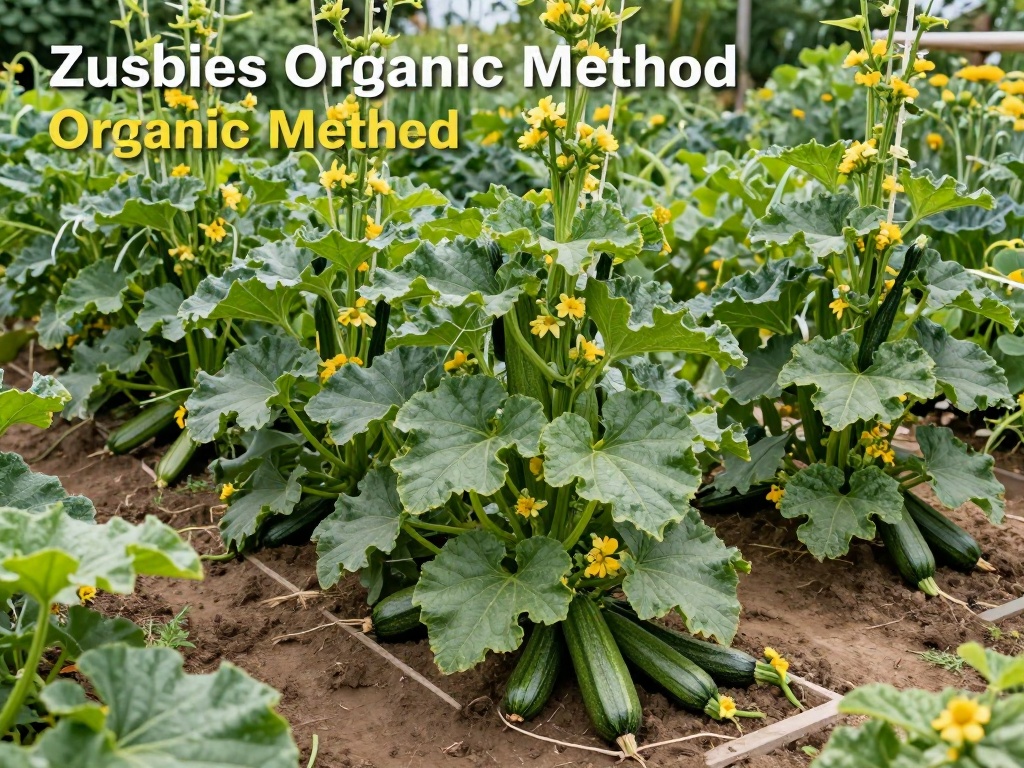
2026 Guide to Zucchini Vertical Gardening Organic Method
Growing zucchini vertically using organic methods is transforming how home gardeners cultivate this prolific summer squash. This comprehensive guide covers everything you need to know about implementing a zucchini vertical gardening organic method that maximizes your harvest while minimizing garden space and environmental impact.
Why Choose Vertical Gardening for Zucchini
Zucchini plants are notorious space hogs, often sprawling across 3-4 feet of garden real estate per plant. Traditional horizontal growing requires substantial garden beds, making it impractical for urban gardeners and those working with limited space. The organic method of vertical cultivation addresses these challenges while offering numerous benefits.
Space Efficiency Benefits
Vertical gardening allows you to grow zucchini in containers, on balconies, or in raised beds where traditional planting would be impossible. A single vertical structure can support 2-3 zucchini plants that would otherwise require 6-8 square feet of ground space. This makes zucchini vertical gardening in small spaces not only possible but highly productive.
Improved Air Circulation and Disease Prevention
When zucchini grows vertically, air flows freely around leaves and stems, significantly reducing fungal disease pressure. Powdery mildew, a common zucchini ailment, struggles to establish in well-ventilated vertical growing environments. This natural advantage supports an organic approach that minimizes the need for interventions.
Essential Materials for Your Vertical Garden
Before beginning your zucchini vertical gardening organic method journey, gather quality materials that will support healthy plant growth throughout the season.
Support Structures
- Trellis netting or wire: Choose options with 6-8 inch mesh openings
- Heavy-duty stakes: Metal T-posts or sturdy wooden posts at least 6 feet tall
- Soft plant ties: Cloth strips or specialized garden ties for gentle support
- A-frame structures: Ideal for heavier zucchini varieties
Organic Growing Medium
Success with organic methods starts with quality soil. Fill your containers or raised beds with a mixture of:
- 40% quality compost
- 30% aged garden soil
- 20% perlite or coarse sand for drainage
- 10% worm castings or aged manure
Step-by-Step Zucchini Vertical Gardening Process
Starting Seeds Organically
Begin your zucchini vertical gardening organic method by starting seeds 3-4 weeks before your last expected frost. Use organic seed-starting mix in biodegradable pots to minimize root disturbance during transplanting. Sow seeds 1 inch deep and maintain soil temperatures around 70°F for optimal germination.
For those seeking faster results, source organic zucchini seedlings from local nurseries or farmers markets. Look for compact bush varieties specifically bred for container and vertical growing, such as 'Black Beauty' or 'Round French' cultivars.
Training Young Plants Vertically
Once seedlings establish 4-5 true leaves, it's time to introduce vertical support. Gently weave main stems through trellis netting or loosely attach to stakes using soft ties. The goal is upward growth, not constriction.
Position ties every 12-18 inches along the stem as your zucchini grows. Check attachments weekly during rapid growth periods, adjusting as stems thicken. This step by step approach ensures structural integrity without damaging plants.
Managing Fruiting and Harvest
Zucchini produces fruit on lateral branches. Encourage branching by pinching the main growing tip when plants reach their support structure's height. This redirects energy to fruit production and creates a more manageable plant shape.
Harvest zucchini when fruits reach 6-8 inches for best texture and flavor. Regular harvesting encourages continued production throughout the season. Leaving oversized fruit on the vine signals the plant to slow new flower and fruit development.
Organic Pest and Disease Management
Protecting your vertical zucchini with organic methods requires proactive monitoring and natural interventions. Common challenges include squash vine borers, aphids, and the aforementioned powdery mildew.
Natural Prevention Strategies
- Row covers: Use lightweight fabric covers during early growth to exclude flying pests
- Companion planting: Interplant with nasturtiums, radishes, or marigolds to deter harmful insects
- Neem oil spray: Apply preventatively for soft-bodied insect control
- Baking soda solution: Mix 1 tablespoon per gallon of water for powdery mildew prevention
Monitoring for Problems
Inspect plants 2-3 times weekly during peak growing season. Check undersides of leaves for aphid colonies and examine stems near soil level for borer entry holes. Catching problems early with organic solutions prevents widespread damage and preserves harvest potential.
Watering and Nutrition for Vertical Zucchini
Vertical growing changes water and nutrient dynamics compared to traditional ground planting. Container-grown zucchini requires more frequent watering as soil volume is limited and drainage is improved.
Irrigation Best Practices
Water deeply when the top 2 inches of soil feel dry, typically every 2-3 days during warm weather. Morning watering allows foliage to dry before evening, reducing disease pressure. Consider drip irrigation or soaker hoses for consistent moisture delivery in raised beds or containers.
Feeding Your Plants Organically
Apply organic liquid fertilizer every 2-3 weeks during fruiting. Fish emulsion, kelp extract, or compost tea provide balanced nutrition without synthetic chemicals. Watch for signs of nutrient deficiency: pale leaves indicate nitrogen needs while poor fruiting suggests potassium deficiency.
Maximizing Yield in Limited Space
The zucchini vertical gardening organic method rewards careful attention to spacing, timing, and variety selection. With optimal practices, a single vertical plant can produce 10-15 pounds of fruit per season.
Succession Planting Strategy
Stagger plantings every 3-4 weeks from late spring through midsummer. This ensures continuous harvest while preventing gluts. Terminate final plantings 8-10 weeks before first expected fall frost, as cooler temperatures slow fruit development significantly.
Variety Selection for Vertical Growing
Choose compact or bush-type zucchini varieties for best vertical results:
- Eight Ball: Round fruits on compact plants
- Pattypan/Sunburst: Small scalloped squash ideal for containers
- Black Beauty: Classic dark green zucchini with good vertical tolerance
- Golden Zucchini: Yellow variety offering visual appeal and disease resistance
Common Mistakes to Avoid
Even experienced gardeners encounter challenges with vertical zucchini cultivation. Awareness of frequent errors prevents discouragement and ensures success.
Structural Support Errors
Underestimating weight is the most common mistake. Mature zucchini fruit, combined with foliage load, strains inadequate supports. Always err toward heavier-duty structures than you think necessary. Secure trellis bases firmly to prevent toppling under load.
Cultural Practice Mistakes
Inconsistent watering causes blossom end rot and fruit deformities. Inadequate pollination results in fruit abortion or misshapen zucchini—hand pollination with small brushes improves results when bee activity is low. Neglecting regular harvesting leads to oversized, seedy fruits that reduce overall productivity.
Winter Preparation and Season Extension
Conclude your zucchini vertical gardening organic method season properly to set up future success. After final harvest, remove all plant material to prevent disease overwintering. Clean and store support structures, adding compost to containers for the following season.
Consider cold frame or hoop covering to extend your growing season by 2-4 weeks in fall. This approach maximizes return on your organic gardening investment while maintaining chemical-free cultivation principles.
Frequently Asked Questions
How long does it take to grow zucchini vertically?
Zucchini typically matures in 45-65 days from transplanting, depending on variety and growing conditions. Vertical growing doesn't significantly alter timeline, but container-grown plants may mature slightly faster due to warmer soil temperatures.
Can beginners successfully grow zucchini vertically?
Yes! Zucchini is excellent for beginners learning vertical gardening. Start with a healthy seedling, provide sturdy support, and maintain consistent watering. The organic method is forgiving and rewards attention with abundant harvests.
What is the cost comparison between vertical and traditional growing?
Initial setup costs for vertical gardening run $50-150 for supports, containers, and soil amendments. However, this replaces traditional garden bed preparation costing $200-500+. Long-term, vertical organic gardening reduces water usage and eliminates need for chemical fertilizers.
How much harvest can I expect from one vertical zucchini plant?
A well-maintained vertical zucchini plant yields 10-15 pounds of fruit per season, sometimes more with excellent care. This typically provides 15-25 individual zucchini for household consumption or sharing.
What is the best time of year to plant vertical zucchini?
Plant after all danger of frost has passed and soil temperatures reach 60°F consistently. In most regions, this means late spring to early summer. For fall harvest, plant mid-summer to allow maturity before frost.
Do I need to hand pollinate zucchini when growing vertically?
Hand pollination isn't required but improves results, especially in areas with low bee populations. Identify male flowers (long stems, no fruit behind) and female flowers (shorter stems, fruit bulge at base). Transfer pollen using a small brush or by removing male petals and touching stamen to female pistil.
No comments