
2026 Zucchini Vertical Gardening Organic Method Guide
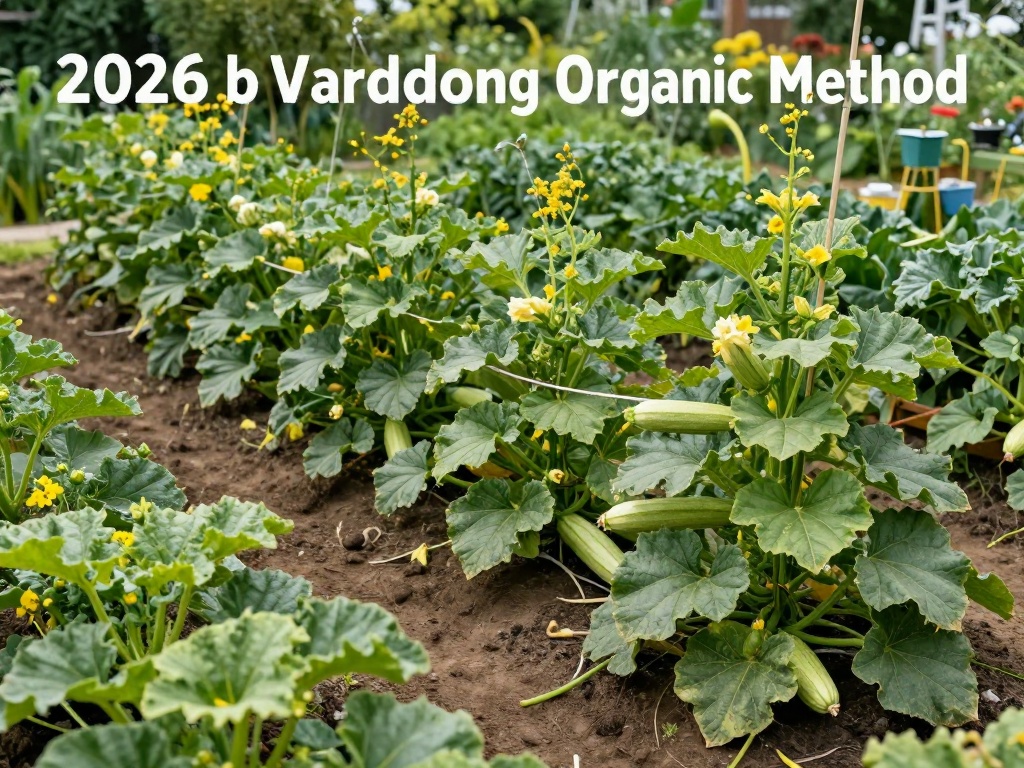
Zucchini Vertical Gardening Organic Method: 2026 Grower's Guide
Zucchini vertical gardening organic method transforms how you grow this prolific summer squash. Instead of sprawling across your garden bed, vertical growing lets you cultivate healthy zucchinis in containers, small spaces, and urban balconies while maximizing your harvest potential. This complete guide covers everything you need to know about growing zucchinis vertically using 100% organic techniques for the 2026 growing season.
Why Choose Vertical Gardening for Zucchini
Traditional zucchini plants demand 3-4 square feet of garden space, spreading their broad leaves and long vines across your beds. Vertical gardening organic method changes this equation entirely, offering remarkable benefits for modern growers.
Space Optimization Benefits
When you grow zucchinis vertically, you reclaim valuable garden real estate. A single vertical structure supports plants that would otherwise occupy an entire raised bed. This approach proves invaluable for apartment dwellers, urban gardeners, and anyone working with limited square footage. You can position vertical supports along walls, fences, or even patio railings, turning unused vertical space into productive growing area.
Improved Air Circulation and Disease Prevention
Elevating zucchini foliage dramatically improves air circulation around leaves and stems. This natural ventilation reduces fungal disease pressure, particularly problematic conditions like powdery mildew that often plague traditional ground-growing methods. The organic method benefits become evident as your plants stay healthier throughout the growing season, requiring fewer interventions.
Cleaner Harvests and Easier Picking
Fruit hanging from vertical supports develops more uniformly and stays cleaner than ground-contact zucchinis. You'll spend less time washing harvest and more time enjoying your bounty. Standing upright to harvest also protects your back, making organic zucchini cultivation accessible for gardeners of all ages and physical abilities.
Essential Materials for Organic Vertical Zucchini Growing
Successful vertical gardening organic method requires proper support structures and organic amendments. Gather these materials before planting to ensure smooth establishment.
- Support structures: Heavy-duty tomato cages, welded wire panels, wooden trellises, or cattle fencing rated for at least 25 pounds
- Soft ties: Natural jute twine, fabric strips, or silicone plant ties for securing vines
- Organic compost: Well-aged compost providing slow-release nutrition
- Mulch: Straw or shredded leaves maintaining soil moisture organically
- Container mix: Premium organic potting soil if growing in containers
- Fish emulsion: Liquid organic fertilizer for supplemental feeding during fruiting
Step-by-Step Zucchini Vertical Gardening Organic Method
Step 1: Select the Right Zucchini Variety
Not all zucchini varieties suit vertical growing equally. Bush varieties naturally adapt better to constrained spaces, while compact bush types work exceptionally well for containers and raised beds. For vertical supports, choose varieties with shorter internodes and stronger central stems.
Recommended varieties for vertical organic growing include 'Black Beauty' for classic dark green fruits, 'Golden Zucchini' offering visual appeal and mild flavor, 'Costata Romanesco' with its distinctive ribbed appearance and excellent flavor, and 'Patio Star' specifically bred for compact container growth reaching only 24 inches tall.
Step 2: Prepare Your Growing Medium
Zucchinis demand rich, well-draining soil for optimal organic production. Mix three parts quality organic potting soil with one part perlite or coarse sand ensuring excellent drainage. Add two cups of organic compost per plant location, plus a handful of organic bone meal supporting strong root development. The soil pH should register between 6.0 and 7.0, ideal for nutrient availability in organic systems.
Step 3: Install Vertical Support Before Planting
Setting up support structures before transplanting prevents root disturbance later. Drive vertical posts or containers into position first, then install your trellis, cage, or panel system. Ensure supports extend at least 5 feet above ground level to accommodate mature plant height and allow fruits to hang freely without touching soil.
Secure your support structure firmly—mature zucchini plants laden with fruit become surprisingly heavy, easily exceeding 20 pounds per plant. Anchor tall structures into ground posts set at least 12 inches deep, or position heavy containers against stable walls and railings.
Step 4: Transplant Seedlings at the Correct Depth
When nighttime temperatures consistently stay above 50°F, transplant your organic zucchini seedlings outdoors. Dig holes slightly deeper than root ball depth, positioning plants at the same level they grew in their containers. Water thoroughly after planting with diluted fish emulsion solution, providing gentle nutrition during transplant stress.
Step 5: Train Vines Upward Gradually
Begin vertical training when seedlings establish, typically one week after transplanting. Guide the main stem toward your support structure, securing loosely with soft ties. Never force tight绑绑—allow natural growth movement. As side shoots develop, weave them through trellis openings or attach additional ties, spacing ties approximately every 8-12 inches along the main stem.
Step 6: Implement Organic Care Practices
Maintain consistent soil moisture, providing one inch of water weekly through drip irrigation or hand watering at soil level. Avoid wetting foliage, which promotes disease in organic systems. Apply organic mulch layer 3-4 inches deep around (not touching) plant stems, conserving moisture and suppressing weeds without cultivation.
Feed your vertical zucchinis monthly with side-dressed compost or biweekly fish emulsion applications during flowering and fruiting. Organic nutrition supports beneficial soil microorganisms creating the thriving ecosystem your plants need for sustained health.
Managing Pollination in Vertical Systems
Zucchini plants produce separate male and female flowers requiring insect pollination for fruit set. Vertical positioning sometimes reduces pollinator access, particularly in urban environments. Understanding flower identification helps you intervene if natural pollination proves insufficient.
Male flowers appear first on long slender stems, featuring a single stamen dusted with pollen. Female flowers emerge closer to the main stem with a small fruit bulge beneath the petals. Transfer pollen from male stamen to female center using a small clean paintbrush, or snap off male flowers and rub pollen directly onto female centers early morning when flowers fully open.
Common Challenges and Organic Solutions
Squash Vine Borers
These destructive larvae tunnel into stems, causing sudden plant wilting. Prevention involves wrapping stem bases with aluminum foil or row covers during egg-laying season. If infestation occurs, locate entry holes, slit the stem carefully, remove larvae, and mound soil over the wounded area—plants often recover when caught early.
Squash Bugs
These bronze-colored bugs suck plant sap, causing yellowing and death. Organic control includes hand-picking egg clusters from leaf undersides, trapping adults under boards placed near plants and destroying daily, and applying neem oil spray as a deterrent.
Powdery Mildew
Despite improved air circulation from vertical growing, humid conditions may still trigger powdery mildew. Prevent naturally by ensuring proper plant spacing and avoiding overhead watering. Treat affected plants with organic fungicides like potassium bicarbonate solution or homemade baking soda spray (one tablespoon per gallon water with few drops liquid soap).
Harvesting Your Vertical Zucchini
Zucchinis reach prime harvest size between 6-8 inches long, typically within 50-60 days from transplanting. Check plants daily during peak production—zucchinis grow surprisingly fast in warm conditions, sometimes reaching harvest size overnight. Use sharp pruners or knife cutting stem 1/4 inch above fruit, avoiding damage to the main vine.
Regular harvesting encourages continued production, sending signals for plants to develop additional flowers and fruits. A single healthy vertical plant can produce 10-15 pounds of zucchinis throughout the season, making your space-efficient garden remarkably productive.
Frequently Asked Questions
Can beginners successfully grow zucchini using vertical gardening organic method?
Absolutely. Vertical growing actually simplifies zucchini cultivation for beginners by improving visibility of developing fruits and reducing ground-level pest pressure. Starting with quality organic seedlings, proper support installation, and consistent watering creates favorable conditions even for first-time organic gardeners.
What are the most common mistakes in vertical zucchini growing?
Common errors include installing supports after plants establish (damaging roots), overwatering leading to root rot, insufficient fertilization causing poor production, harvesting too late when fruits become seedy and bland, and failing to secure vines properly resulting in broken stems during wind or fruit weight.
When should I start zucchini vertical gardening in different climate zones?
In cold climates (zones 3-5), start seeds indoors 3-4 weeks before last frost, transplanting after soil warms above 60°F. Temperate zones (zones 6-7) can direct sow or transplant 2-3 weeks after last frost. Warm climates (zones 8-10) grow zucchinis as winter crops, planting fall through early spring for best results.
How much effort and cost is involved in organic vertical zucchini gardening?
Initial investment runs $20-50 for supports, soil amendments, and organic seedlings. Ongoing effort requires 10-15 minutes weekly for watering, tying, and harvesting. The organic method costs slightly more than conventional approaches but produces chemical-free harvest and builds long-term soil health rather than depleting it.
How long until harvest when growing zucchinis vertically?
From transplanting organic seedlings, expect your first harvest in 50-60 days. Direct-seeded vertical zucchinis require 60-70 days. Peak production continues for 4-6 weeks with regular harvesting, and total growing season spans 90-100 days for most bush varieties.
Can I grow zucchini vertically in containers using organic methods?
Container growing suits vertical zucchini beautifully. Choose containers at least 18 inches diameter and 24 inches deep, filling with premium organic potting mix. Position a sturdy tomato cage or compact trellis inside each container. Container zucchinis require more frequent watering and feeding than ground-grown plants but reward with productive harvests from patios, decks, and balconies.
No comments