
Zucchini Vertical Gardening Organic Method: 2026 Complete Guide
Zucchini Vertical Gardening Organic Method: 2026 Complete Guide
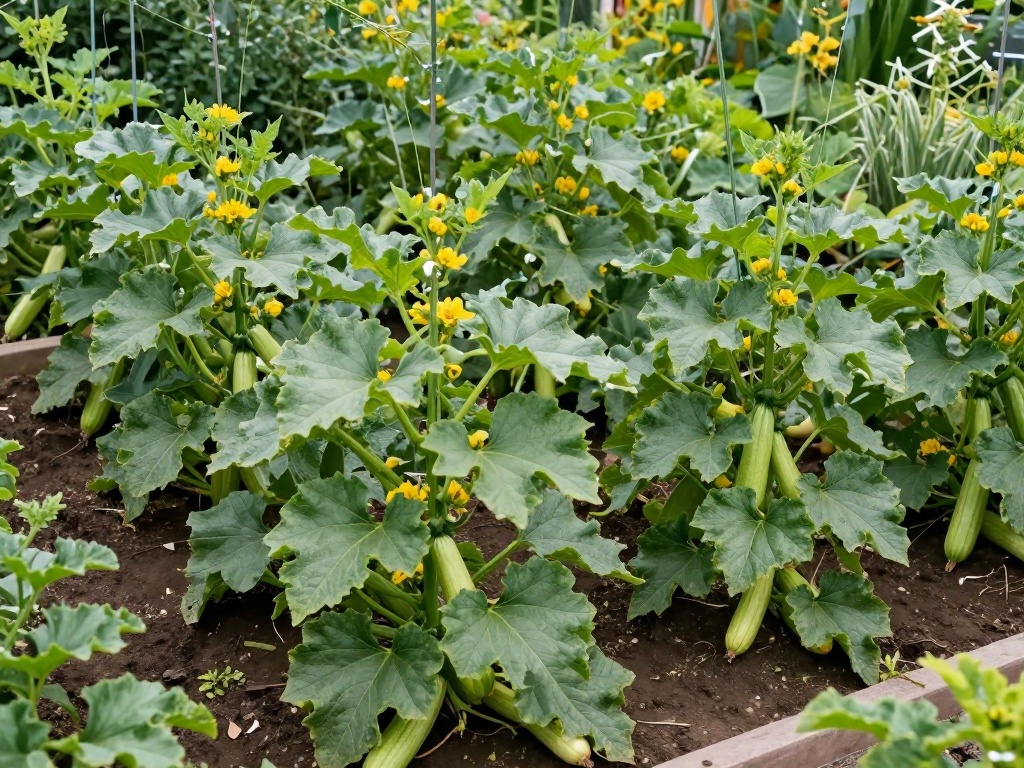
Zucchini vertical gardening organic method transforms how you grow this prolific summer squash. Instead of letting vines sprawl across 4-6 square feet of valuable garden space, you can train zucchini upward using natural supports. This organic approach works beautifully in small spaces, containers, and raised beds while producing the same delicious harvest with less disease pressure and easier harvesting.
In this 2026 grower's guide, you'll discover exactly how to implement vertical growing techniques using 100% organic methods. Whether you're a beginner gardener or experienced grower looking to maximize limited space, this comprehensive guide covers everything from seed selection to harvest.
Why Choose Vertical Gardening for Zucchini?
Traditional zucchini plants spread aggressively, often overwhelming smaller gardens. The organic vertical gardening method solves multiple challenges simultaneously while delivering superior results.
Space Efficiency Benefits
Vertical zucchini gardening reduces ground footprint by up to 75%. A single plant that would normally occupy 25 square feet can thrive in just 4-6 square feet when trained upward. This makes vertical growing ideal for:
- Urban balconies and patios
- Small backyard gardens
- Container gardens on decks
- Raised beds with limited space
- Indoor growing with adequate light
Health and Yield Improvements
When zucchini grows vertically, air circulation around foliage dramatically improves. This natural airflow reduces fungal diseases like powdery mildew, which commonly affects organically grown zucchini. Additionally, fruits hang freely without touching soil, resulting in cleaner, less disease-prone harvests.
Choosing the Right Zucchini Varieties for Vertical Growing
Not all zucchini varieties perform equally well when grown vertically. Selecting compact or semi-vining types makes your organic vertical gardening project significantly more successful.
Best Zucchini Varieties for Vertical Gardening
Compact Bush Varieties (Recommended):
- Black Beauty: Classic dark green zucchini, compact growth habit
- Eight Ball: Round fruits perfect for single servings, very compact
- Patio Star: Bred specifically for containers and small spaces
- Golden Zucchini: Yellow variety with excellent flavor, moderate spread
- Raven: Early producer with dark skins and open growth habit
Semi-Vining Varieties (Require Sturdy Support):
- Costata Romanesco: Italian heirloom with excellent flavor, moderate vines
- Tatume: Mexican variety known for trailing growth
Organic Seed Sourcing
For true organic method success, source seeds from certified organic suppliers. Look for non-GMO, open-pollinated varieties when possible. Popular organic seed companies offer excellent selections of vertical-friendly zucchini varieties suited to various climates.
Building Your Vertical Support System Organically
A robust support structure forms the foundation of successful vertical zucchini gardening. The organic method emphasizes sustainable, chemical-free materials that blend naturally into garden ecosystems.
Sturdy Trellis Options
Livestock Panel Trellis: Heavy-gauge welded wire panels create excellent vertical support. Mount horizontally between sturdy posts for a simple, effective structure. The 6-inch mesh openings accommodate easy harvesting.
A-Frame Trellis: Two panels hinged at the top create an A-shape structure. This design provides support from both sides and folds conveniently for winter storage.
Bamboo Pole Tepee: For smaller gardens, group 6-8 bamboo poles in a circle, securing tops together. Space plants at each pole's base. This natural approach works especially well in cottage-style gardens.
Natural Tying and Training Materials
Organic vertical gardening requires natural fiber ties that safely support stems without damaging them:
- Natural jute twine
- Cotton strips torn from old fabric
- Soft plant ties made from natural rubber
- Velcro plant straps (reusable option)
Avoid synthetic materials that may leach chemicals into your organic garden soil.
Soil Preparation: The Organic Foundation
Healthy soil produces healthy zucchini. The organic method prioritizes building rich, living soil teeming with beneficial microorganisms that feed your plants naturally throughout the growing season.
Creating Organic Soil Mix for Containers and Raised Beds
Combine these organic ingredients for optimal zucchini growing medium:
- 40% aged compost (from organic materials)
- 30% organic garden soil
- 20% perlite or coarse sand for drainage
- 10% aged manure (must be fully composted)
This blend provides excellent moisture retention while ensuring proper drainage. Zucchini roots need oxygen, so avoid compacted, heavy soils that can lead to root problems.
Building Soil Biology Organically
Introduce beneficial microorganisms through:
- Mycorrhizal fungi inoculants (powder or liquid)
- Compost tea applications every 2-3 weeks
- Worm castings mixed into planting holes
- Cover crop residue incorporation
These organic amendments create a living soil ecosystem that naturally protects plants from disease and provides nutrition throughout the season.
Step-by-Step Planting Process
Proper planting technique sets your vertical zucchini garden up for success. Follow these steps for optimal establishment and growth.
Timing Your Organic Zucchini Planting
Plant zucchini outdoors after all frost danger passes and soil temperatures reach 60°F (15°C) minimum. In most regions, this falls between late spring and early summer. For 2026 growing success:
- Start seeds indoors 3-4 weeks before last expected frost
- Direct sow after soil thoroughly warms
- Succession plant every 2-3 weeks for continuous harvest
Planting Steps for Maximum Yield
Step 1: Install your vertical support before planting to avoid root disturbance later.
Step 2: Dig planting holes 12 inches deep and wide. Mix in 1/4 cup organic bone meal and a handful of compost per hole.
Step 3: Plant seedlings at the same depth they grew in their containers. For direct seeds, plant 2-3 seeds per mound, thinning to the strongest seedling.
Step 4: Water thoroughly with compost tea or fish emulsion to reduce transplant shock.
Step 5: Apply 3-4 inches of organic mulch (straw, shredded leaves, or wood chips) around plants, keeping mulch 2 inches from stems.
Training Zucchini Vines Vertically
Zucchini plants aren't natural climbers like beans or cucumbers. Training them upward requires gentle guidance and consistent attention, especially during early growth stages.
Early Training Techniques for Beginners
Begin training when seedlings are 6-8 inches tall. Young stems are flexible and adapt more easily to vertical growth:
Week 1-2: Gently bend main stem toward support structure. Secure loosely with natural twine. Don't pull tightly—allow some slack for growth.
Week 3-4: As vines grow, add additional ties every 8-12 inches along the stem. Guide main growth upward while allowing lateral branches to develop naturally.
Week 5+: Continue securing new growth. Side branches will naturally lean toward the support and often self-cling. Help stubborn vines attach by weaving through mesh or tying loosely.
Managing Heavy Fruit Load
Zucchini fruits can become surprisingly heavy (several pounds each). Support developing fruits to prevent stem breakage:
- Create fruit slings from natural fabric strips
- Use mesh bags (like onion bags) to cradle heavy fruits
- Position fruits within the support structure, not hanging freely beyond it
- Harvest frequently to reduce weight stress on vines
Organic Fertilization Schedule
The organic method feeds soil biology, which in turn feeds your plants. This natural approach provides complete nutrition without synthetic chemicals.
Season-Long Organic Feeding Program
At Planting: Mix compost and worm castings into soil. Add mycorrhizal fungi to root zone.
Early Growth (Weeks 1-4): Apply compost tea every 2 weeks. Side dress with aged compost if plants appear pale.
Flowering and Fruiting (Weeks 5+): Switch to fish emulsion or kelp meal for extra phosphorus and potassium. Apply every 2-3 weeks during active production.
Mid-Season Boost: If production slows, apply Epsom salt foliar spray (1 tablespoon per gallon) to boost magnesium uptake.
Natural Foliar Feeding
Spray compost tea or dilute fish emulsion directly on leaves during early morning hours. This foliar feeding provides quick nutrient absorption and helps prevent foliar diseases when combined with good air circulation.
Organic Pest and Disease Management
Vertical growing naturally reduces many common zucchini problems. However, organic gardeners should remain vigilant against pests that can affect vertically grown plants.
Common Zucchini Pests and Organic Solutions
Squash Vine Borers: These destructive larvae bore into stems. Prevention includes wrapping stems with aluminum foil at soil level and applying beneficial nematodes to soil. If infestation occurs, cut open stems, remove larvae, and mound soil over damaged areas to encourage new root growth.
Squash Bugs: These brown insects suck plant juices and spread disease. Remove eggs from leaf undersides daily. Trap adults under boards placed near plants, then destroy in the morning. Neem oil spray provides additional control.
Cucumber Beetles: Yellow-striped beetles spread bacterial wilt. Use row covers until flowering begins. Yellow sticky traps help reduce populations. Diatomaceous earth barriers deter ground-level movement.
Aphids: These tiny pests cluster on new growth. Blast them off with water, then apply insecticidal soap or neem oil. Encourage ladybugs, which naturally prey on aphid populations.
Disease Prevention Through Vertical Growing
The organic method emphasizes prevention over treatment. Vertical growing naturally provides:
- Improved air circulation reducing fungal issues
- Better light penetration drying foliage faster
- Removed fruits from soil contact
- Easier inspection and early problem detection
Despite these advantages, remain prepared for powdery mildew, which can still affect zucchini even with vertical growing. Apply organic fungicides preventively during humid weather: baking soda solution (1 tablespoon per gallon), milk spray (1 part milk to 2 parts water), or commercial organic fungicides containing copper or sulfur.
Companion Planting for Organic Vertical Zucchini
Strategic companion planting enhances your organic vertical gardening system. Beneficial companions provide natural pest control, improve pollination, and maximize limited space.
Excellent Companions for Zucchini
- Nasturtiums: Trap crop for aphids, attracting pests away from zucchini
- Marigolds: Repel many harmful insects with their scent
- Radishes: Quick crop that breaks up soil and matures before zucchini spreads
- Bush Beans: Fix nitrogen in soil, benefiting heavy-feeding zucchini
- Herbs (basil, oregano, dill): Repel pests and attract beneficial insects
Plants to Avoid Near Zucchini
Keep these plants away from your vertical zucchini garden:
- Brassicas (cabbage, broccoli, kale) - compete for nutrients
- Fennel - inhibits zucchini growth
- Pole beans - compete for vertical space
- Pumpkins and winter squash - cross-pollination issues
Harvesting Your Vertical Zucchini Garden
Proper harvesting techniques maximize production and maintain plant health throughout the season.
When and How to Harvest
Zucchini reaches optimal flavor when 6-8 inches long. At this size, seeds remain small and flesh is tender. Check plants every 1-2 days during peak production—zucchini can grow from flower to harvestable size in just 24-48 hours!
Harvest using sharp pruners or a knife. Cut stem 1 inch above the fruit. Never tear fruits from vines, as this damages plants and can introduce disease.
Extending Your Harvest Season
Succession Planting: Start new plants every 3-4 weeks for continuous production through frost.
Heavy Harvest Management: Pick all mature fruits, even if you can't use them immediately. Overripe zucchini signals the plant to stop producing.
Fall Production: In mild climates, late-summer planting produces fall harvest. In colder regions, use row covers to extend the season by 2-4 weeks.
Troubleshooting Common Vertical Gardening Issues
Even with careful attention, problems sometimes arise. Here's how to address the most common challenges.
Yellowing Leaves
Yellow foliage often indicates nitrogen deficiency. Apply blood meal or fish emulsion immediately. Ensure soil pH is appropriate (6.0-7.5 range) as extreme acidity locks out nutrients.
Poor Fruit Set
Zucchini produces separate male and female flowers. Early-season flowers are often male and won't produce fruit—this is normal. If female flowers (those with small fruit behind the bloom) fail to develop, hand-pollinate using a small paintbrush to transfer pollen.
Wilting Plants
Wilting during hot afternoons is normal. If plants remain wilted in morning, check soil moisture. Insufficient water causes wilting even when soil appears dry on top. Also inspect stems for vine borer damage or rot at soil level.
Fruits Turning Brown at Blossom End
This blossom end rot indicates calcium deficiency or irregular watering. Maintain consistent moisture and apply crushed eggshells or calcium-fortified compost. Mulching helps regulate soil moisture.
Overwintering and Season Extension
For gardeners in mild climates or those using protective structures, extending the zucchini season provides additional harvest.
Cold Climate Strategies
In regions with early fall frosts, protect plants with row covers or cold frames. Remove covers during sunny days for pollination, then replace before evening temperatures drop.
Container Mobility
One advantage of container-grown vertical zucchini is mobility. Move plants to sheltered locations during unexpected cold snaps, extending production into late fall.
Frequently Asked Questions About Zucchini Vertical Gardening
Can beginners successfully grow zucchini vertically?
Absolutely! Vertical zucchini gardening is an excellent project for beginners. Start with compact bush varieties like Patio Star or Eight Ball, use sturdy supports, and follow the organic methods outlined in this guide. The key is beginning with strong seedlings, providing proper support early, and maintaining consistent watering and feeding schedules.
What are the most common mistakes in vertical zucchini gardening?
The most frequent mistakes include using weak support structures that collapse under fruit weight, failing to tie vines early enough (making training difficult later), overwatering which causes root rot, harvesting too late (resulting in huge, seedy fruits that slow production), and choosing vining varieties unsuitable for small-space vertical growing.
When is the best time to start vertical zucchini gardening?
Start seeds indoors 3-4 weeks before your last expected frost date, or direct sow when soil temperatures consistently reach 60°F (15°C). For continuous harvest, make succession plantings every 2-3 weeks through mid-summer. In zones 8 and warmer, you can plant nearly year-round.
How much time and cost does organic vertical zucchini gardening require?
Initial setup costs range from $20-100 depending on support choices and container needs. Seeds cost $2-5 per packet. The organic method requires slightly more attention than conventional growing but produces superior-tasting, chemical-free produce. Plan for 15-30 minutes of weekly maintenance including watering, checking ties, harvesting, and applying organic feeds.
How long until harvest when growing zucchini vertically?
Most zucchini varieties reach harvestable size 45-65 days from seed planting. Compact bush varieties typically produce faster than vining types. Once fruiting begins, expect your first mature zucchini within 4-8 weeks after planting, depending on variety and growing conditions.
Does vertical growing affect zucchini flavor or nutritional content?
Vertical growing can actually improve both flavor and nutrition. Better air circulation reduces disease stress on plants, resulting in more nutrient-dense fruits. Hanging fruits develop more uniform shape and often have sweeter, more concentrated flavor than soil-grown counterparts. The organic growing method further enhances nutritional content by eliminating chemical residues.
Conclusion
Zucchini vertical gardening organic method delivers exceptional results for space-conscious growers. This technique transforms limited areas into productive garden spaces while producing cleaner, healthier harvests with reduced disease pressure. The organic approach ensures your produce remains chemical-free while building sustainable soil biology that improves year after year.
By selecting compact varieties, providing sturdy organic supports, feeding with natural amendments, and following consistent care practices, you can enjoy abundant zucchini harvests from gardens as small as a balcony or patio. The initial investment of time and resources pays dividends through seasons of delicious, homegrown produce.
Start your vertical zucchini garden this growing season using the methods outlined in this 2026 guide. Your plants—and your dinner table—will thank you.
No comments