
Zucchini Vertical Gardening Organic Method: 2026 Complete Grower's Guide
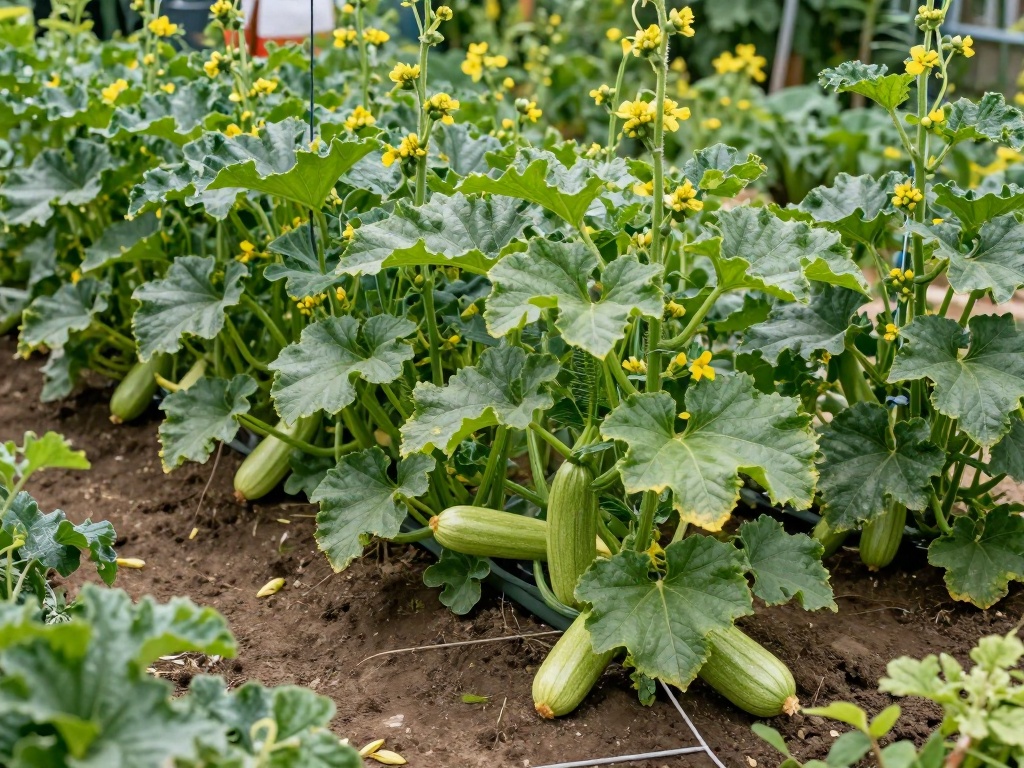
Zucchini Vertical Gardening Organic Method: 2026 Complete Grower's Guide
Growing zucchini vertically using organic methods is one of the most rewarding techniques for modern gardeners seeking maximum harvest in minimal space. This comprehensive guide reveals proven strategies for cultivating healthy, productive zucchini plants upward instead of outward, saving valuable garden real estate while producing abundant, chemical-free produce throughout the growing season.
Why Choose Zucchini Vertical Gardening Organic Method?
The organic approach to vertical zucchini cultivation eliminates synthetic fertilizers and pesticides, resulting in healthier plants and safer food for your family. When you train zucchini vines to grow upward rather than sprawling across the ground, you create multiple benefits that transform your gardening experience.
Space Efficiency Benefits
Traditional zucchini plants require 3-4 square feet of ground space per plant. Vertical growing reduces this footprint dramatically, allowing you to cultivate the same productive capacity in containers, small backyards, or even apartment balconies. This makes the organic method perfect for urban gardeners and those working with limited garden areas.
Improved Air Circulation
When zucchini plants grow vertically, air flows freely around leaves and stems, significantly reducing fungal disease problems that plague ground-growing plants. The organic gardener benefits from fewer pest issues and disease pressure, creating a healthier growing environment naturally.
Better Harvest Accessibility
Picking zucchini becomes effortless when fruits hang at waist or chest height rather than requiring you to crouch and search beneath sprawling leaves. This accessibility encourages regular harvesting, which actually stimulates increased production from your organic plants.
Essential Materials for Vertical Zucchini Gardening
Successful organic vertical gardening requires thoughtful preparation of supports, containers, and growing media. Investing in quality materials from the start prevents problems and ensures productive plants throughout the season.
Choosing the Right Support Structure
Your zucchini vertical gardening organic method success depends heavily on selecting appropriate support systems. Sturdy trellises, cattle panels, and A-frame structures provide the strength necessary to support heavy fruit loads. Look for supports rated for at least 25-50 pounds, as mature zucchini can weigh 1-2 pounds each, and a healthy plant produces 10-15 fruits during the season.
Container Selection for Organic Growing
If growing in containers, choose pots with minimum 5-gallon capacity with adequate drainage holes. Organic gardening requires containers made from food-safe materials like ceramic, fabric grow bags, or untreated wood. Never use plastic containers that may leach harmful chemicals into your organic growing medium.
Step-by-Step Zucchini Vertical Gardening Organic Method
Step 1: Preparing Organic Growing Medium
Creating the ideal organic soil mix forms the foundation of successful vertical zucchini cultivation. Combine equal parts high-quality compost, peat moss or coco coir, and perlite for excellent drainage and nutrient retention. The organic method demands soil rich in biological activity, so include earthworm castings and mycorrhizal fungi to establish thriving soil ecosystems.
Step 2: Selecting Organic Zucchini Varieties
Not all zucchini varieties adapt equally well to vertical growing. Compact bush varieties work best for containers and intensive vertical systems. Recommended organic varieties include 'Black Beauty,' 'Costata Romanesco,' 'Golden Zucchini,' and compact varieties like 'Bush Baby' specifically bred for small-space production. Choose disease-resistant varieties when possible to support your organic approach.
Step 3: Planting Your Zucchini Vertically
Plant zucchini starts or seeds in your prepared containers or garden beds positioned near your support structure. Space plants 18-24 inches apart along trellis lines for optimal growth. The organic method benefits from companion planting with nitrogen-fixing legumes and aromatic herbs that deter pests naturally.
Step 4: Training Vines Upward
Gentle training begins when seedlings reach 6-8 inches tall. Use soft garden ties, cloth strips, or plant clips to loosely secure main stems to vertical supports. Avoid tying too tightly, as stems expand rapidly during growth spurts. Redirect wandering tendrils toward your support structure every few days during early growth.
Step 5: Implementing Organic Care Routines
Your organic zucchini vertical gardening method requires consistent attention to feeding, watering, and pest management. Apply compost tea every 2-3 weeks throughout the growing season to maintain soil fertility organically. Deep water at soil level, avoiding wetting foliage which promotes disease in the vertical environment.
Organic Pest and Disease Management
Vertical growing naturally reduces many common zucchini problems, but organic gardeners must remain vigilant against potential threats. Prevention through biodiversity forms the cornerstone of effective organic pest management.
Common Pests and Organic Solutions
Squash vine borers, aphids, and cucumber beetles occasionally challenge organic growers. Combat these pests using neem oil sprays, insecticidal soaps, and by introducing beneficial insects like ladybugs and lacewings to your garden ecosystem. Planting nasturtiums and marigolds as companion plants provides natural pest deterrence.
Disease Prevention Strategies
Powdery mildew and bacterial wilt occasionally affect zucchini plants. The vertical growing environment naturally improves air circulation, significantly reducing these issues. Apply organic fungicides containing copper or sulfur preventatively during humid weather, and remove any affected foliage immediately to prevent spread.
Harvesting Your Vertical Zucchini Crop
Knowing when and how to harvest determines both fruit quality and continued production from your vertical plants. Zucchini reaches optimal harvest size at 6-8 inches long, typically 45-55 days from planting for most varieties.
Cut fruits cleanly from vines using sharp pruning shears, leaving a small stem portion attached. Harvest every 2-3 days during peak production to encourage continued fruiting. Regular harvesting signals the plant to produce more flowers and fruits, dramatically increasing your total yield.
Maximizing Yield with Advanced Techniques
Succession Planting Strategy
Extend your harvest window by planting new zucchini starts every 3-4 weeks throughout the growing season. This succession planting approach ensures continuous production from late spring through fall frost, maximizing the productivity of your vertical gardening system.
Season Extension Methods
Organic gardeners can extend the growing season using cold frames, row covers, or hoop houses over their vertical structures. These protective measures allow earlier spring planting and later fall harvesting, increasing overall yield by several weeks at each end of the season.
Common Mistakes to Avoid
Understanding common errors helps organic gardeners sidestep frustration and achieve success more quickly with their vertical zucchini cultivation efforts.
- Insufficient support strength: Underestimating the weight of mature plants causes structural failure mid-season.
- Overwatering: Vertical containers drain faster than ground beds, requiring adjusted watering schedules.
- Neglecting fertilization: Organic nutrients leach more quickly from container growing media.
- Improper training timing: Waiting too long to begin vertical training results in brittle stems that break easily.
- Harvesting too late: Allowing zucchini to grow oversized reduces plant productivity and produces inferior fruit.
Frequently Asked Questions
Can beginners successfully practice zucchini vertical gardening organic method?
Absolutely! The organic vertical method suits beginners because improved air circulation and visibility make problems easier to spot early. Starting with healthy organic seedlings and quality compost gives new gardeners excellent results with minimal complications.
How much space do I need for vertical zucchini growing?
You can successfully grow zucchini vertically in spaces as small as 2 square feet per plant. Containers as small as 5 gallons work for compact varieties, making this method ideal for patios, balconies, and small urban gardens.
What is the expected yield from vertically grown organic zucchini?
A single healthy zucchini plant produces 10-15 pounds of fruit during the growing season. Vertical growing maintains this production while requiring 75% less ground space, making it one of the most productive vegetables per square foot of garden real estate.
When should I start my vertical zucchini garden in 2026?
Plant zucchini outdoors 2-3 weeks after your last frost date when soil temperatures reach 60°F (15°C) or higher. For earlier harvest, start seeds indoors 3-4 weeks before transplanting. Most regions see optimal planting windows from late April through June.
How much does an organic vertical zucchini garden cost to start?
Starting costs range from $20-50 for basic container and support materials. Reusable items like quality trellises and fabric pots provide value for years. Ongoing expenses include organic compost and amendments, typically $10-20 per season for a single plant.
How long until I see results from my vertical gardening efforts?
Most zucchini varieties produce harvestable fruit within 45-60 days from planting. Within the first week of transplanting, you'll notice vigorous vertical growth. Significant harvests typically begin within 6-8 weeks, with peak production continuing for 4-6 weeks thereafter.
What organic fertilizers work best for vertical zucchini growing?
Compost tea, fish emulsion, kelp extract, and well-aged manure provide excellent organic nutrition for vertical zucchini. Apply balanced organic fertilizers every 2-3 weeks during active growth, reducing nitrogen as fruits develop to encourage flowering over excessive foliage.
Can I grow zucchini vertically in raised beds?
Growing zucchini vertically in raised beds combines the benefits of both methods perfectly. The improved drainage and soil quality of raised beds supports healthy vertical growth, while trellising maximizes your raised bed productivity significantly.
No comments