
Easy Radishes Organic Gardening Method: 2026 Grower's Guide
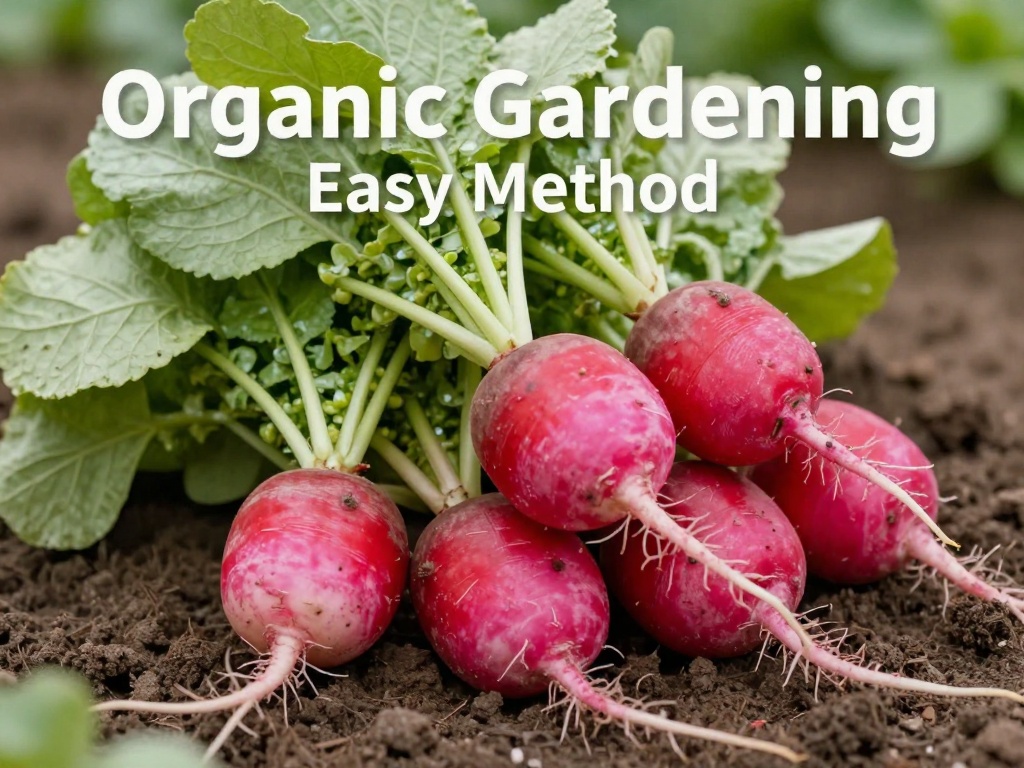
Easy Radishes Organic Gardening Method: 2026 Grower's Guide
Radishes are one of the fastest and most rewarding vegetables you can grow in your own garden. If you've been looking for an easy radishes organic gardening method that delivers fresh, crispy results without harsh chemicals, you're in the right place. This step-by-step guide will help beginners and experienced gardeners alike grow beautiful radishes using simple, natural techniques that work in containers, raised beds, or traditional garden plots.
Why Choose Radishes for Organic Gardening
Radishes belong to the brassica family and offer incredible benefits for organic gardeners. These crisp root vegetables mature in as little as 25-30 days, making them perfect for impatient gardeners who want quick harvests. They require minimal space, adapt well to various growing conditions, and naturally repel many garden pests when grown properly. Additionally, radishes improve soil structure and can serve as excellent companion plants for slower-growing vegetables.
Top Benefits of Growing Organic Radishes
- Quick harvest cycle of 3-4 weeks from seed to table
- Requires minimal garden space and works in containers
- Naturally pest-resistant when grown with proper spacing
- Improves soil health and breaks up compacted earth
- Provides fresh, chemical-free nutrition year-round
The Easy Radishes Organic Gardening Method: Step by Step
This organic method focuses on soil preparation, natural fertilization, and sustainable practices that eliminate the need for synthetic chemicals. Follow these steps carefully for maximum yield in minimal time.
Step 1: Selecting the Right Radish Varieties
Choosing appropriate varieties forms the foundation of successful organic radish gardening. For beginners, French Breakfast and Cherry Belle offer forgiving growth habits and mild flavors. Those seeking heat tolerance should consider Pink Summer, while winter gardeners benefit from Daikon and Black Spanish varieties. Select seeds from certified organic sources to ensure your gardening method remains completely chemical-free from the start.
Step 2: Preparing Soil for Organic Radish Growth
Radishes demand loose, well-draining soil with pH between 6.0 and 7.0 for optimal root development. Work 2-3 inches of aged compost into your garden bed, breaking up any compacted areas thoroughly. Avoid fresh manure or heavy nitrogen fertilizers, as these promote lush tops at the expense of root growth. The easy method involves mixing worm castings directly into planting rows for gentle, slow-release nutrition that supports organic gardening principles.
Step 3: Sowing Seeds for Maximum Germination
Plant radish seeds 1/2 inch deep and 1 inch apart in rows spaced 6-12 inches apart. Water thoroughly after planting and maintain consistent moisture until germination occurs within 4-7 days. For continuous harvest, practice successive planting every two weeks during growing season. This simple technique ensures you always have fresh radishes ready for harvest without overwhelming surplus.
Step 4: Natural Watering and Care Techniques
Consistent watering proves essential in the easy radishes organic gardening method. Provide 1 inch of water weekly, adjusting for rainfall and temperature conditions. Shallow, frequent watering encourages proper root development while preventing cracking and woodiness. Mulch around plants with straw or shredded leaves to retain moisture, suppress weeds naturally, and maintain even soil temperatures throughout the growing period.
Common Mistakes to Avoid in Organic Radish Gardening
Even experienced gardeners encounter challenges when growing radishes organically. Understanding these pitfalls helps you avoid frustration and wasted effort in your garden.
Overcrowding and Improper Spacing
One of the most common mistakes beginners make is planting seeds too densely. Radishes need adequate space for root expansion, and overcrowding results in small, deformed vegetables. Follow the 1-inch spacing guideline strictly, and thin seedlings early if necessary. Proper spacing in raised beds or containers ensures each plant receives sufficient nutrients and water.
Neglecting Soil Quality and Drainage
Heavy, clay-based soils create cramped conditions that deform radish roots and promote disease. The organic method requires investing time in soil improvement before planting. Add perlite or coarse sand to improve drainage in problematic areas. Remember that healthy soil produces healthy vegetables—this principle guides every successful organic gardening endeavor.
Harvesting Your Organic Radishes
Timing your harvest correctly ensures the best flavor and texture in your homegrown radishes. Most varieties reach maturity 25-35 days after planting, though growth rates vary with temperature and variety. Check your plants daily once they approach expected maturity, as radishes left in ground too long become pithy and lose their crisp character.
Signs of Ready-to-Harvest Radishes
- Visible shoulders pushing above the soil line
- Firm, solid texture when gently squeezed
- Vibrant color development matching variety characteristics
- Leaves reaching approximately 4-6 inches in height
Storing and Enjoying Your Organic Harvest
Freshly harvested radishes retain their crispness and nutritional value when stored properly. Remove tops immediately after harvest to prevent moisture loss, then refrigerate unwashed roots in perforated plastic bags for up to two weeks. Enjoy your chemical-free radishes sliced in salads, pickled for extended storage, or simply dipped in hummus for a healthy snack that tastes far superior to store-bought alternatives.
Extending Your Radish Growing Season
Garden enthusiasts can enjoy radishes nearly year-round with strategic planting schedules and protective measures. Cool-season planting begins 4-6 weeks before last spring frost, while fall crops succeed when planted 6-8 weeks before first expected autumn freeze. Cold frames and row covers extend the growing season into winter months, allowing dedicated organic gardeners to harvest fresh radishes even in challenging climates.
Companion Planting for Healthier Radishes
The easy radishes organic gardening method incorporates companion planting principles that naturally enhance growth and pest resistance. Plant radishes alongside lettuce, spinach, and peas for mutually beneficial spacing arrangements. Strong-smelling herbs like mint and cilantro confuse pest insects, reducing damage without chemical interventions. Avoid planting near brassica relatives to minimize disease transmission risks.
FAQ: Common Questions About Radishes Organic Gardening
What is the easiest method for growing radishes organically?
The easiest method involves direct sowing seeds into prepared, compost-enriched soil, maintaining consistent moisture, and harvesting at peak maturity. This straightforward approach requires minimal equipment and delivers reliable results for beginners and experienced gardeners alike.
How long does it take to grow radishes from seed to harvest?
Most radish varieties mature within 25-35 days after planting, making them among the fastest-growing vegetables available. Some specialty varieties may require 45-60 days, but standard table radishes consistently produce harvestable roots within one month of seeding.
Can radishes grow successfully in containers and small spaces?
Radishes adapt exceptionally well to container gardening, requiring only 4-6 inches of soil depth for optimal root development. Use pots with adequate drainage holes and quality organic potting mix for best results in balconies, patios, or limited-space gardens.
What are the most common beginner mistakes in radish gardening?
Planting too deeply, overwatering, overcrowding, and harvesting too late represent the most frequent errors. Maintaining proper spacing, consistent moisture, and regular observation prevents these issues and ensures successful organic harvests.
When is the best time to plant radishes for maximum yield?
Early spring and early fall provide ideal conditions for radish cultivation, as these vegetables prefer cooler temperatures between 50-65°F. Successive plantings every two weeks during appropriate seasons maximize total harvest throughout the growing period.
How much effort and cost is required for organic radish gardening?
Radishes rank among the lowest-effort vegetables to grow organically. Initial costs include quality seeds, basic soil amendments, and containers if needed—typically under $20 for starting materials. Weekly maintenance requires only 15-20 minutes for watering and observation.
What results can I expect from the organic gardening method?
With proper care, expect germination rates exceeding 90%, with most planted seeds producing harvestable roots within one month. Yields vary by variety and growing conditions, but a single 4-foot row can produce 2-3 pounds of fresh, crispy radishes using these organic techniques.
No comments