
How to Grow Zucchini Vertically: 2026 Organic Method for Small Spaces
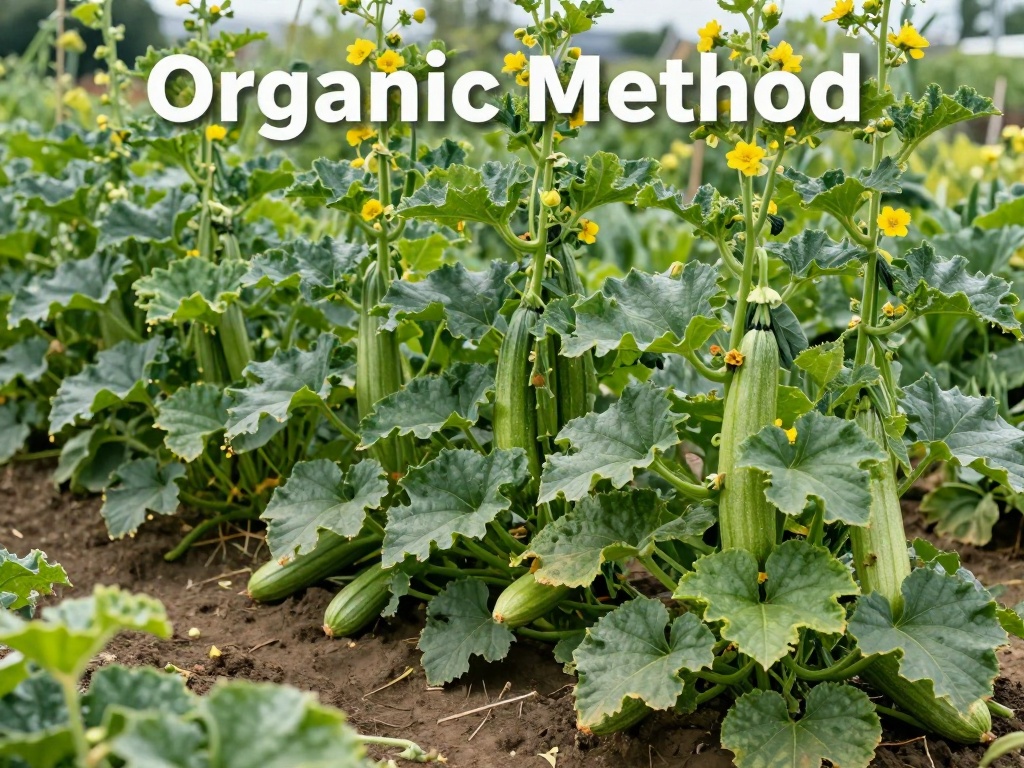
How to Grow Zucchini Vertically: 2026 Organic Method for Small Spaces
Are you dreaming of fresh, organic zucchini but limited by garden space? Zucchini vertical gardening organic method transforms how you grow this prolific summer squash, allowing you to harvest abundant crops on patios, balconies, and even sunny windowsills. This complete guide reveals time-tested organic techniques for growing zucchini upward instead of outward, maximizing your yield while minimizing your garden footprint.
Why Choose Vertical Gardening for Zucchini?
Traditional zucchini plants sprawl across 3-4 feet of garden space, making them impractical for urban gardeners and those with limited areas. Zucchini vertical gardening organic method solves this problem by training vines to grow upward on supports, trellises, and structures. Beyond space savings, this approach offers remarkable benefits that conventional ground-growing simply cannot match.
Space Efficiency and Yield Optimization
Growing zucchini vertically can increase your yield per square foot by up to 300%. When vines climb instead of spread, each plant occupies a mere 2-square-foot footprint while producing the same abundant harvest. This makes vertical growing particularly valuable for apartment dwellers, container gardeners, and anyone working with raised beds or small backyard plots.
Improved Air Circulation and Disease Prevention
Vertically grown zucchini enjoys superior air circulation around leaves and stems. This natural airflow dramatically reduces fungal diseases like powdery mildew, which commonly plagues horizontally grown plants. Organic gardeners appreciate this advantage since it minimizes the need for organic fungicides while keeping plants healthier through prevention rather than treatment.
Easier Harvesting and Maintenance
Standing upright zucchini plants bring fruits within easy reach, eliminating the back-breaking crouching required by traditional growing methods. Checking for ripe vegetables, spotting pest problems early, and harvesting becomes a comfortable, enjoyable task rather than tedious work. This accessibility encourages frequent harvesting, which actually stimulates greater production.
Choosing the Right Zucchini Varieties for Vertical Growth
Not all zucchini varieties adapt equally well to vertical gardening organic method. Selecting appropriate cultivars forms the foundation of successful upward-growing programs. Bush varieties can be adapted with proper support, while trailing and climbing varieties offer natural vertical tendencies that simplify training.
Best Trailing Varieties for Trellising
Look for varieties specifically described as trailing or vining rather than bush types. These naturally produce longer stems that readily accept training upward. Excellent choices include "Trombetta di Albenga," with its vigorous climbing habit and exceptional flavor, "Costata Romanesco" for decorative fruits and superior taste, and "Florence" for reliable performance in vertical systems.
Compact Bush Varieties for Containers
If you prefer standard bush varieties or have container gardens, certain cultivars adapt reasonably well to vertical methods. "Bush Baby" produces compact plants suitable for small supports, while "Patio Star" was specifically bred for container growing and limited space situations. These varieties require minimal pruning compared to trailing types but still benefit from some support structure.
Organic Seed Selection
For true organic growing, source seeds from certified organic suppliers. Organic zucchini seeds ensure your plants start without synthetic pesticide or fertilizer residues. Companies specializing in heirloom and organic varieties offer numerous options suited to vertical gardening, including many heritage cultivars passed down through generations of gardeners.
Essential Structures for Zucchini Vertical Gardening
Successful zucchini vertical gardening organic method requires appropriate support infrastructure. Several options exist, each with distinct advantages depending on your space, budget, and aesthetic preferences. Understanding these structures helps you make informed decisions matching your specific gardening situation.
A-Frame Trellises
A-frame trellises provide exceptional stability for heavy zucchini vines and fruits. Construct two wooden or metal frames angled to form an A-shape, then attach netting, grid panels, or wire between them. This design supports vines climbing from both sides while remaining portable enough to reposition seasonally. The open design allows easy access for harvesting and maintenance tasks.
Cattle Panel Arches
Welded wire cattle panels bent into arches create stunning garden features while providing sturdy vertical growing space. These industrial-strength supports handle the weight of mature zucchini plants and developing fruits without bending or breaking. Position arches over garden pathways to maximize space efficiency, creating productive garden corridors rather than wasted walking areas.
Tripod and Pole Systems
Simple tripod arrangements using three or four wooden poles or metal stakes work excellently for individual plants. Gather poles at the top and spread bases widely for stability, then train main vines to climb twine or wire leaders. This method suits container gardeners perfectly and allows positioning near walls where vertical space extends from pots or planters.
Container-Specific Supports
For those practicing container gardening, self-contained support systems prove most practical. Obelisk-style supports, decorative garden towers, or custom-built bamboo teepees all work well in large containers of 15 gallons or larger. Ensure containers provide adequate root space while accommodating support structures without tipping hazards.
Step-by-Step Zucchini Vertical Gardening Organic Method
Now we reach the practical heart of zucchini vertical gardening organic method: the actual growing process from planting through harvest. Following these steps systematically ensures your vertical zucchini adventure succeeds, producing abundant organic harvests from minimal space.
Step 1: Preparing Soil Organically
Begin with premium organic soil mix rich in aged compost. Zucchini thrives in soil rich in organic matter, so work 3-4 inches of quality compost into your growing medium before planting. For containers, use certified organic potting mix amended with additional compost. Aim for slightly acidic to neutral pH between 6.0 and 7.0 for optimal nutrient uptake.
Create a nutrient-rich foundation by adding blood meal for nitrogen, bone meal for phosphorus, and kelp meal for potassium and micronutrients. These organic amendments release slowly, feeding plants throughout the growing season without synthetic fertilizers. Working rock dust into soil provides additional minerals supporting plant health.
Step 2: Planting and Germination
Direct sow seeds or transplant seedlings after all frost danger passes and soil temperatures reach 60°F (15°C) minimum. Plant seeds one inch deep, spacing 12 inches apart at the base of each support structure. For vertical growing, fewer plants produce adequate harvests compared to traditional spacing since each receives more attention and resources.
Germination typically occurs within 7-10 days in warm soil. Keep soil consistently moist but not waterlogged during germination and early growth. Young seedlings benefit from light shade cloth protection during intense summer heat, particularly in hot climates where afternoon sun stress can damage tender plants.
Step 3: Training Vines Upward
Once seedlings establish and produce 3-4 true leaves, begin training vines toward supports. Gently guide main stems toward trellis surfaces, securing loosely with soft plant ties, garden twine, or cloth strips. Avoid tight bindings that could restrict growth or damage stems. Redirect wandering vines consistently, and they will gradually accept their upward trajectory.
Some gardeners prefer removing lower lateral branches to encourage upward focus, while others allow natural branching and simply weave excess growth into support structures. Both approaches work; choose based on your aesthetic preferences and how much maintenance you enjoy.
Step 4: Supporting Developing Fruits
As zucchinis develop and grow heavier, provide individual fruit supports to prevent breakage or detachment. Create slings using mesh bags, old pantyhose, or fabric strips that cradle fruits while attached to the main support structure. This step proves essential for larger varieties that might otherwise pull away from vines before reaching harvest maturity.
Check fruit supports regularly as zucchinis grow rapidly during peak production. Adjust sling tension as needed to accommodate growth without constricting developing vegetables. Properly supported fruits develop symmetrical, attractive shapes while avoiding the curved or deformed shapes common when fruits rest unsupported on the ground.
Step 5: Organic Pest and Disease Management
Vertical growing naturally reduces many pest and disease problems, but proactive organic management remains important. Inspect plants regularly for aphids, squash bugs, cucumber beetles, and other common zucchini pests. Remove pests manually when populations remain small, and apply organic solutions like neem oil or insecticidal soap for larger infestations.
Prevent fungal issues by maintaining adequate spacing between plants and ensuring good air circulation around all foliage. Remove any yellowing or diseased leaves promptly to prevent spread. For powdery mildew prevention, apply organic solutions preventatively during humid weather rather than waiting for infection to appear.
Organic Feeding Schedule for Vertical Zucchini
Vertically grown zucchini benefits from consistent organic nutrition throughout the growing season. Without natural soil nutrients from surrounding earth, container and raised bed plants particularly require supplemental feeding. A balanced organic approach sustains vigorous growth and productive fruiting without chemical inputs.
Early Season: Building Vegetative Growth
During initial growth phases, emphasize nitrogen-rich organic fertilizers to build strong foliage and stems capable of supporting vertical growth. Apply compost tea every two weeks, foliar feed with diluted fish emulsion, or side-dress with additional compost. Healthy leaf growth during this phase directly determines fruiting potential.
Flowering and Fruiting Stage
When plants begin flowering, shift toward phosphorus and potassium emphasis for abundant blossoms and healthy fruit development. Reduce nitrogen applications slightly to encourage flowering over excessive leaf growth. Kelp extracts, rock potassium, and bone meal support this transition while maintaining organic integrity.
Mid-Season Maintenance
Continue regular compost tea applications throughout the season, alternating between foliage sprays and soil drenches. Side-dressing with additional compost monthly replenishes organic matter and nutrients. Watch for signs of nutrient deficiency including yellowing leaves (nitrogen), poor flowering (phosphorus), or weak stems (potassium) and address organically when observed.
Watering Strategies for Vertical Zucchini
Proper watering proves especially critical for vertically grown zucchini, which can dry faster than ground-planted equivalents. Consistent moisture ensures even fruit development and prevents common problems like blossom end rot. Understanding vertical zucchini water needs helps prevent both underwatering stress and overwatering complications.
Drip Irrigation Systems
Installing drip irrigation at the base of each plant provides consistent, efficient watering with minimal waste. Timer-controlled systems ensure plants receive adequate moisture even during vacation periods or busy schedules. Position emitters to deliver water directly to root zones, avoiding wet foliage that encourages fungal problems.
Self-Watering Container Options
For container gardeners, self-watering planters with reservoir systems reduce watering frequency and maintain consistent soil moisture. These containers feature built-in water storage beneath growing medium, allowing roots to access moisture as needed. This technology proves particularly valuable during hot summer months when daily watering might otherwise prove necessary.
Harvesting and Enjoying Your Vertical Zucchini
One of the greatest rewards of zucchini vertical gardening organic method arrives at harvest time. Proper harvesting techniques maximize production while ensuring best flavor and texture. Vertically grown zucchini often produces straighter, more uniform fruits than ground-grown equivalents, and harvesting remains refreshingly easy.
When to Harvest
Harvest zucchini when fruits reach 6-8 inches long for optimal tenderness and flavor. Larger fruits become seedy and less flavorful while also signaling the plant to slow production. Check plants daily during peak season since zucchini grows remarkably fast—fruits can transition from perfect harvest size to oversized within 24-48 hours.
Proper Harvesting Technique
Use sharp pruning shears or a knife to cut fruits from vines, leaving a small stem portion attached. Avoid twisting or pulling fruits, which can damage vines and reduce future production. Harvest in morning hours when water content remains highest for best texture and storage life. Handle fruits gently to prevent bruising that accelerates spoilage.
Extending Your Growing Season
Extend the productive season of your vertical zucchini garden through succession planting and season extension techniques. With proper planning, you can harvest fresh zucchini for months rather than weeks, maximizing return on your gardening investment and ensuring continuous organic produce supply.
Succession Planting
Plant new seeds every three weeks during warm months to ensure continuous production. Since vertical growing requires fewer plants, maintaining succession planting remains manageable even in limited space. Start new plants in small containers while current plants produce, then transplant when space becomes available as earlier plantings finish.
Season Extension Structures
Row covers, cold frames, or small hoop houses extend the growing season for spring and fall production. These structures trap heat while protecting plants from light frosts, potentially adding weeks or months to your harvest calendar. Vertically grown zucchini adapts well to these protected environments, making season extension particularly effective.
Common Mistakes to Avoid
Even experienced gardeners encounter challenges when first adopting zucchini vertical gardening organic method. Understanding common pitfalls helps you avoid discouragement and maximize your chances of success. These mistakes range from structural issues to care oversights, all correctable with awareness and adjustment.
Insufficient Support Strength
Underestimating the weight of mature zucchini plants and heavy fruits leads to support failures at critical moments. Build supports rated for at least three times your expected plant weight, using durable materials like metal conduit, hardwood, or welded wire. The investment in sturdy structures prevents mid-season collapse that damages plants and destroys harvests.
Overwatering in Containers
Container-grown vertical zucchini requires careful water management since drainage limitations cause root problems rapidly. Ensure containers have adequate drainage holes and use well-draining soil mixes. Check soil moisture before watering rather than following fixed schedules, and reduce frequency during cool or cloudy weather when evaporation and plant uptake slow considerably.
Neglecting Fruit Support
Failing to provide individual fruit supports results in broken vines, deformed fruits, or premature fruit drop. Once fruits reach egg size, install supports immediately and adjust as they grow. This simple step ensures harvests reach full potential without vine damage that reduces overall plant productivity.
FAQ: Zucchini Vertical Gardening
What is the best month to plant zucchini vertically?
Plant zucchini vertically 2-4 weeks after your last expected frost when soil temperatures reach 60°F (15°C). In most regions, this falls between April and June. Warmer zones can plant earlier while cooler climates may need to wait until late May or early June. Starting seeds indoors 3-4 weeks before transplanting provides head start in shorter-season areas.
How long does it take for vertical zucchini to produce fruit?
Vertical zucchini typically begins producing fruit 45-65 days after planting, depending on variety and growing conditions. Trailing varieties may take slightly longer than bush types to begin flowering. Consistent organic feeding, adequate sunlight (6-8 hours daily minimum), and proper watering accelerate maturity and encourage earlier fruiting.
Can I grow zucchini in containers using vertical methods?
Absolutely! Zucchini grows successfully in containers of 15 gallons or larger when using vertical support structures. Choose compact or trailing varieties suited for container culture. Ensure containers have adequate drainage, use quality organic potting mix, and provide sturdy supports like obelisks or teepees. Container vertical zucchini requires more frequent watering and feeding than in-ground growing.
What is the estimated cost to start vertical zucchini gardening?
Starting vertical zucchini gardening costs $30-100 depending on your approach. Basic expenses include organic soil and compost ($10-20), seeds or seedlings ($5-15), support structures ($10-40 if purchasing) or materials to build your own ($5-20). Container gardeners need appropriate vessels ($15-50). Organic fertilizers and amendments add $10-25. DIY approaches using repurposed materials can reduce costs significantly.
How much space do vertical zucchini plants need?
Vertical zucchini plants need only 2-3 square feet of floor space thanks to their upward growth habit. This makes them ideal for small gardens, patios, and balconies. Position supports 18-24 inches apart if growing multiple plants, allowing adequate air circulation while maximizing space efficiency. Vertical growing requires height clearance of at least 6 feet for full vine development.
What are the most common problems with vertical zucchini growing?
Common problems include inadequate pollination (hand-pollinate if bee activity remains low), blossom end rot from inconsistent watering, powdery mildew in humid conditions, and aphid infestations. Structural failure from insufficient support happens when gardeners underestimate plant weight. Insufficient nitrogen causes yellowing leaves, while overwatering creates root problems. Regular monitoring and organic interventions resolve most issues quickly.
Is vertical zucchini gardening difficult for beginners?
Zucchini vertical gardening organic method suits determined beginners with moderate gardening experience. The learning curve involves understanding support structures, training techniques, and organic care requirements. Starting with one or two plants rather than multiple specimens reduces commitment while building confidence. Success comes more easily when selecting vigorous trailing varieties naturally suited to vertical growing.
Zucchini vertical gardening organic method represents a transformative approach for space-constrained gardeners seeking abundant harvests without sacrificing chemical-free growing practices. This technique honors traditional organic principles while embracing innovative spatial efficiency, proving that productive gardens thrive in any space when guided by knowledge and care. Start your vertical zucchini journey today and discover how upward growing changes everything.
No comments