
Onions Container Gardening for Beginners: 2026 Complete Guide
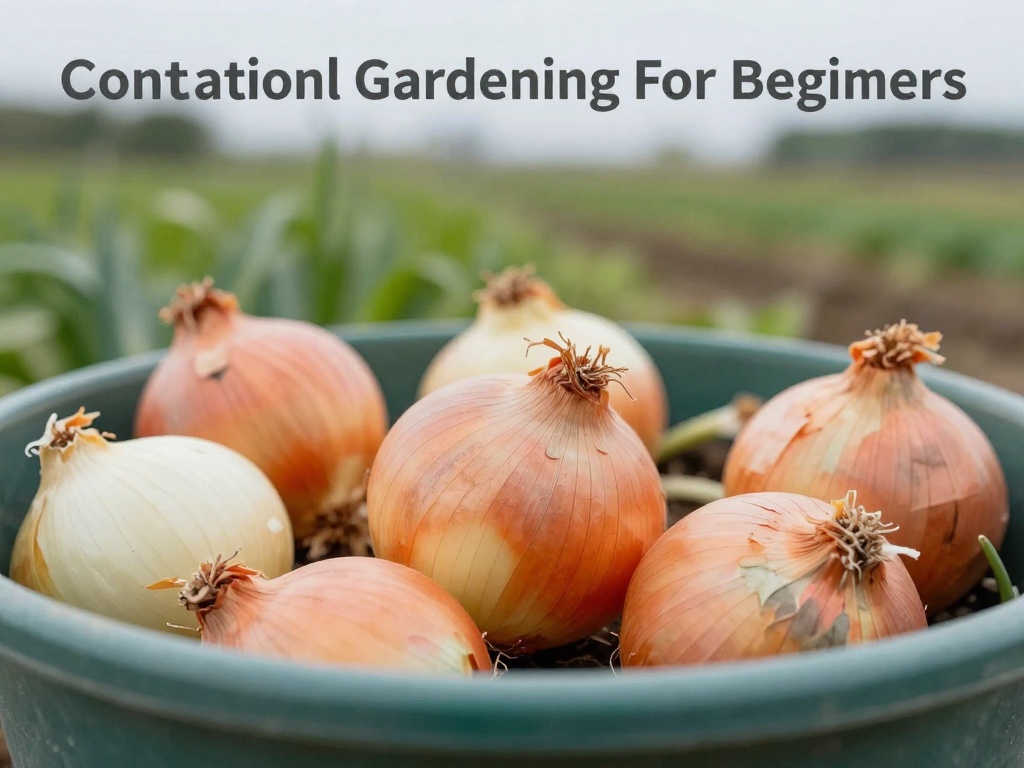
Onions Container Gardening for Beginners: 2026 Complete Guide
Container gardening has revolutionized how urban dwellers and small-space gardeners grow their own food. If you've ever wondered whether you can grow onions in containers, the answer is a resounding yes! Onions container gardening for beginners opens up a world of fresh, flavorful bulbs right at your fingertips—even if you only have a balcony or small patio. This complete guide will walk you through everything you need to know to successfully grow onions in containers in 2026.
Why Choose Container Gardening for Onions?
Container gardening offers remarkable advantages that make it perfect for beginners and experienced gardeners alike. When you grow onions in containers, you gain complete control over soil quality, drainage, and placement. This method eliminates many common problems that affect in-ground onion crops, including soil-borne diseases and poor drainage issues.
Additionally, containers allow you to move your onion plants to optimize sunlight exposure throughout the growing season. Whether you live in an apartment with limited outdoor space or simply want to grow onions on your patio, container gardening makes it possible. The satisfaction of harvesting your own homegrown onions from a container on your balcony creates a rewarding connection to your food source.
Benefits of Growing Onions in Containers
- Space efficiency: Grow onions anywhere—patios, balconies, windowsills, or rooftops
- Soil control: Create the perfect growing medium specifically for onions
- Mobility: Move containers to follow sunlight or protect from harsh weather
- Pest control: Reduce exposure to soil-dwelling pests and diseases
- Weed reduction: Containers significantly minimize weed competition
- Aesthetic appeal: Decorative containers add beauty to your outdoor living space
Best Onion Varieties for Container Gardening
Selecting the right onion variety is crucial for successful container gardening. Not all onion types thrive equally in limited spaces, so choosing wisely ensures a bountiful harvest. Short-day onions work exceptionally well in containers, particularly for beginners in southern regions.
Recommended Onion Varieties for Beginners
1. Scallions (Green Onions) represent the easiest starting point for container gardeners. They mature quickly, require minimal space, and provide continuous harvests. Varieties like 'Evergreen Long White' and 'White Lisbon' perform exceptionally in containers.
2. Small Bulb Onions such as 'Red Barons,' 'Yellow Sweet Spanish,' and 'Snowball' adapt beautifully to container life. These varieties produce medium-sized bulbs that fit well in standard containers and offer excellent flavor profiles.
3. Pickling Onions (Pearl Onions) like 'Crystal White Wax' and 'Paris Silver Skin' are specifically bred for small spaces. Their compact growth habit makes them ideal for container cultivation.
4. Multiplier Onions (Shallots) provide the advantage of producing multiple bulbs from a single plant. They thrive in containers and offer gourmet flavor at a fraction of grocery store prices.
Essential Containers and Equipment
Choosing appropriate containers significantly impacts your onion growing success. The container size directly determines how many onions you can grow and how large they will develop. Understanding container requirements helps beginners make informed purchasing decisions.
Container Size Requirements
Onions need adequate depth for proper bulb development. Containers should be at least 6-8 inches deep to accommodate the onion bulb and root system. For optimal growth, containers with 8-10 inches of depth produce the best results. Width depends on how many onions you wish to grow—each onion needs approximately 3-4 inches of space.
Window boxes work wonderfully for growing scallions and green onions, while standard 5-gallon buckets or grow bags provide excellent environments for bulb onion cultivation. Terra cotta containers offer exceptional drainage, while plastic containers retain moisture longer—each has distinct advantages depending on your climate.
Essential Equipment List
- Containers with adequate drainage holes (minimum 4-6 holes per container)
- High-quality potting mix (never garden soil)
- Organic compost or aged manure
- Balanced slow-release fertilizer (10-10-10 or similar)
- Mulch material (straw, shredded bark, or cocoa hulls)
- Watering can or garden hose with gentle attachment
- Hand trowel for planting
- Moisture meter (optional but highly recommended)
Step-by-Step Planting Process
Proper planting technique sets the foundation for healthy onion development. Following these steps ensures your container-grown onions have the best possible start in their growing journey.
Preparing Your Container
Begin by ensuring your container has proper drainage. Place a layer of small stones or broken pottery pieces at the bottom to prevent drainage holes from becoming clogged. This simple step protects your onion roots from sitting in water, which causes rot and disease.
Fill your container with a high-quality potting mix, leaving approximately 2 inches of space from the rim. Avoid using garden soil, as it compacts too heavily in containers and restricts root growth. The ideal potting mix for onions includes equal parts peat moss or coco coir, vermiculite or perlite, and quality compost.
Planting Onion Sets vs. Seeds vs. Transplants
Onion sets represent the easiest starting method for beginners. These are small, partially grown onion bulbs that are already one year old. Plant sets 2-3 inches apart, burying them just deep enough to cover the top of the bulb. Sets typically mature in 60-90 days.
Onion seeds require more patience but offer greater variety selection. Plant seeds approximately 1/4 inch deep and thin seedlings to 3-4 inches apart once they reach 4-6 inches tall. Seeds take 100-130 days to reach maturity.
Onion transplants provide a middle-ground option. These are seedlings started by professionals that you transplant into your containers. They establish quickly and usually mature within 60-75 days.
Planting Depth and Spacing
Proper depth and spacing directly influence bulb size and overall plant health. Plant onion sets so that only the top portion of the bulb remains visible above the soil surface. This positioning allows the bulb to develop properly while the green shoots emerge upward for photosynthesis.
Space onion plants 3-4 inches apart in all directions within your container. Overcrowding restricts bulb development and results in smaller onions. For scallions and green onions, you can plant them closer together—approximately 2 inches apart—since you harvest them before bulbs fully develop.
Optimal Growing Conditions
Creating the right environment for your container onions ensures vigorous growth and maximum yield. Understanding onion requirements helps beginners provide optimal care throughout the growing season.
Sunlight Requirements
Onions require full sun exposure—at least 6-8 hours of direct sunlight daily—for optimal bulb development. Place your containers in the sunniest location available, whether that's a south-facing balcony, patio, or rooftop garden. Insufficient sunlight results in small bulbs and excessive leaf growth.
If you notice your container onions stretching toward light sources or appearing leggy, they likely need more sun exposure. Moving containers to a brighter location often resolves these issues quickly.
Temperature Considerations
Onions prefer cool to moderate temperatures ranging from 55°F to 75°F (13°C to 24°C) during their primary growth period. Most varieties can tolerate light frosts, but prolonged cold spells may slow growth or trigger premature bolting (flowering).
Container mobility offers a significant advantage—you can move plants to sheltered locations during unexpected temperature extremes. This flexibility helps protect your crop from late spring frosts or early autumn cold snaps.
Soil and pH Requirements
Onions thrive in slightly acidic to neutral soil with a pH between 6.0 and 7.0. Most quality potting mixes naturally fall within this range, but testing your soil with an inexpensive pH meter provides confidence in your growing conditions.
The soil should be loose, well-draining, and rich in organic matter. Heavy, compacted soil restricts root development and causes bulbs to form improperly. Amending potting mix with compost ensures your onions have access to essential nutrients throughout their growing cycle.
Watering and Fertilizing Guidelines
Proper watering and nutrition form the cornerstone of successful onion cultivation in containers. Learning to meet your onions' needs without overdoing either element ensures healthy, vigorous growth.
Watering Schedule for Container Onions
Onions require consistent moisture but despise waterlogged conditions. Water deeply when the top inch of soil feels dry, typically every 2-3 days during warm weather. Container onions often need more frequent watering than their in-ground counterparts because containers dry out faster.
The frequency depends on several factors including container material, weather conditions, and plant size. Terra cotta containers require more frequent watering than plastic or glazed containers. During hot summer weeks, daily watering may become necessary to prevent stress.
Reduce watering gradually as onions approach maturity. Allowing soil to dry slightly during the final weeks before harvest improves bulb curing and storage potential.
Fertilizing for Maximum Growth
Onions are heavy feeders that require regular nutrition throughout their growing season. Begin feeding with a balanced, slow-release fertilizer when planting. Once plants are established, supplement with a nitrogen-rich fertilizer every 2-3 weeks during the active growth phase.
Nitrogen promotes lush green foliage, which directly correlates with bulb size. However, reduce nitrogen applications as bulbs begin to swell. At this stage, phosphorus and potassium become more important for proper bulb development.
Over-fertilizing causes rapid leaf growth at the expense of bulb development. Always follow package directions and err on the side of caution—under-fertilizing is easier to correct than over-fertilizing.
Common Problems and Solutions
Even with careful attention, container onions sometimes encounter issues. Understanding common problems and their solutions helps beginners troubleshoot effectively and maintain healthy plants.
Pest Management
Onion thrips cause silvery patches on leaves and stunt growth. Combat these tiny pests by spraying plants with a strong stream of water or applying insecticidal soap. Onion maggots attack roots and bulbs; placing fine mesh netting over containers prevents adult flies from laying eggs.
Aphids occasionally target onion foliage, particularly in crowded growing situations. Regular inspection and prompt action with organic remedies keep aphid populations under control without harming beneficial insects.
Disease Prevention
Root rot represents the most common container onion problem, typically resulting from overwatering or poor drainage. Prevent rot by ensuring containers have adequate drainage holes and by allowing soil to dry appropriately between waterings.
Fungal diseases like downy mildew and purple blotch appear during extended wet periods. Improve air circulation around containers and avoid overhead watering to minimize fungal problems. Remove and dispose of affected foliage promptly to prevent spread.
Environmental Stress
Bolting occurs when onions send up flower stalks prematurely, usually triggered by temperature fluctuations or stress. While bolting doesn't ruin the bulb, it does affect storage quality. Choose bolt-resistant varieties and maintain consistent growing conditions to minimize bolting incidents.
Yellowing foliage often indicates overwatering, underwatering, or nutrient deficiency. Assess your watering practices first, then consider whether additional fertilization might resolve the issue.
Harvesting Your Container Onions
Knowing when and how to harvest determines whether you enjoy perfect, flavorful onions or disappointment. Timing your harvest correctly maximizes both quality and storage potential.
Signs Your Onions Are Ready
Onions typically signal maturity through their foliage. When approximately 50% of the leaves have fallen over and turned yellow or brown, your onions are ready for harvest. This natural process indicates that the bulb has stopped growing and is preparing for dormancy.
For green onions and scallions, harvest whenever the stalks reach your desired height—typically 6-10 inches tall. These can be harvested continuously throughout the growing season, providing ongoing harvests from a single planting.
Proper Harvesting Technique
Harvest onions on a dry, sunny day when soil is relatively dry. Gently loosen the soil around each bulb using a hand trowel, then carefully lift the onion from the container. Avoid pulling directly on the foliage, as this may detach the leaves from the bulb.
Brush off excess soil but leave the papery outer layers intact. Never wash freshly harvested onions, as moisture promotes rot during curing. Handle bulbs gently to prevent bruising, which reduces storage life.
Curing and Storage
Curing prepares onions for long-term storage by drying the outer skin and healing minor wounds. Place harvested onions in a warm, dry, well-ventilated location out of direct sunlight. Allow them to cure for 2-3 weeks until the foliage is completely dry and the outer skin becomes papery.
After curing, trim roots and cut foliage to approximately 1 inch above the bulb. Store in a cool, dry, dark location with good air circulation. Properly cured and stored onions can last 3-6 months or longer depending on the variety.
Seasonal Growing Calendar for 2026
Timing your onion growing activities ensures you work with natural growing cycles rather than against them. This calendar provides a general schedule that beginners can adapt to their specific climate zone.
Spring Planting Schedule
- February-March: Start onion seeds indoors under grow lights
- March-April: Plant onion sets or transplants in containers outdoors after last frost
- April-May: Begin regular fertilizing schedule once plants are established
Summer Maintenance
- June-August: Maintain consistent watering and fertilizing schedule
- July-August: Stop fertilizing as bulbs begin to swell
- August-September: Reduce watering to prepare for harvest
Fall Harvest Period
- September-October: Harvest mature onions based on foliage indicators
- October: Cure harvested onions in dry storage area
- November: Store cured onions and clean containers for winter
Maximizing Your Container Onion Yield
Implementing advanced techniques helps experienced beginners squeeze maximum productivity from their container onion gardens. These strategies optimize limited space while maintaining plant health.
Succession Planting Strategy
Plant new containers of scallions or quick-maturing onion varieties every 2-3 weeks throughout the growing season. This succession planting ensures continuous harvests rather than overwhelming single harvests.
Vertical Space Utilization
Stack containers or use vertical planters to multiply your growing area without increasing your footprint. Hanging planters work wonderfully for scallions and green onions, keeping them easily accessible while freeing precious counter space.
Companion Planting in Containers
Combine onions with complementary plants that share similar growing requirements. Basil, lettuce, and radishes grow well alongside onions, maximizing the productivity of each container. The strong scent of onion foliage also helps deter pests from nearby plants.
Frequently Asked Questions
Can I grow full-sized onion bulbs in containers?
Yes, you can successfully grow full-sized onion bulbs in containers. The key is providing adequate depth (at least 8-10 inches), sufficient space (3-4 inches between plants), and consistent care throughout the growing season. Choose appropriate varieties and follow proper watering and fertilizing schedules for best results.
How often should I water onions in containers?
Container onions typically need watering every 2-3 days during warm weather, with daily watering sometimes necessary during hot summer periods. Check soil moisture by inserting your finger into the top inch—if it feels dry, water deeply until moisture drains from the bottom. Reduce frequency as onions approach maturity.
What is the best month to plant onions in containers?
For most climate zones, plant onion sets and transplants in early spring, 2-4 weeks before the last expected frost. In mild climates (USDA zones 8-10), you can also plant onions in fall for spring harvest. Seeds should be started indoors 8-10 weeks before transplanting outdoors.
How much does it cost to start container onion gardening?
Starting a basic container onion garden costs approximately $30-50 for a few containers, quality potting mix, fertilizer, and onion sets. This initial investment produces onions worth $40-80 or more at grocery store prices, making container gardening economically beneficial over time.
Why are my container onion bulbs small?
Small onion bulbs in containers usually result from overcrowding, insufficient sunlight, or inadequate nutrition. Ensure plants receive at least 6-8 hours of direct sunlight daily, space onions 3-4 inches apart, and maintain a regular fertilizing schedule with nitrogen-rich fertilizer during active growth. Shallow containers also restrict bulb development.
How long does it take to grow onions in containers?
Growing time varies by variety: scallions are ready in 60-90 days, while bulb onions require 90-130 days from transplant or 130-175 days from seed. The key milestones include sprouting (1-2 weeks), active leaf growth (weeks 3-10), bulb formation (weeks 10-16), and final maturity indicated by falling foliage.
Can I grow onions indoors in containers year-round?
Yes, you can grow green onions and scallions indoors year-round with adequate light. Place containers near south-facing windows or use grow lights for 10-12 hours daily. Full-sized bulb onions are more challenging indoors due to their extensive light and space requirements, but they can be grown with proper artificial lighting setups.
Do onion containers need drainage holes?
Absolutely—drainage holes are essential for container onion success. Without proper drainage, water accumulates at the bottom of the container, drowning roots and promoting rot. Ensure containers have at least 4-6 drainage holes, and elevate containers slightly to prevent holes from becoming blocked by surfaces.
No comments