
Zucchini Vertical Gardening: 2026 Organic Method for Maximum Yield
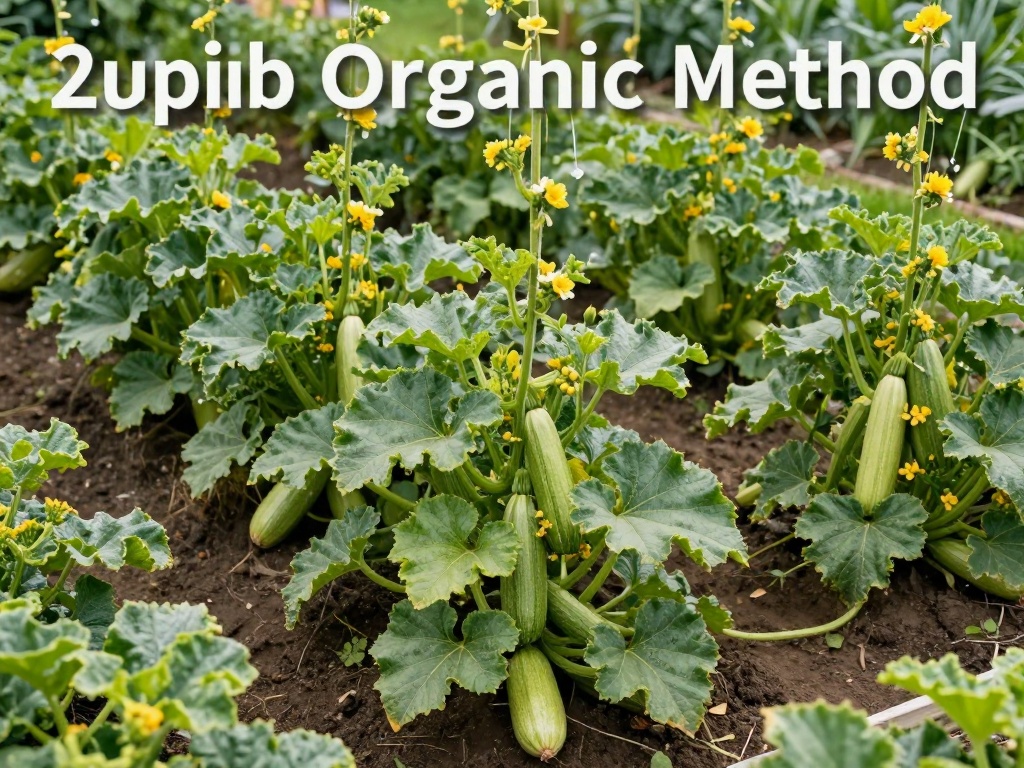
Zucchini Vertical Gardening: 2026 Organic Method for Maximum Yield
Zucchini vertical gardening organic method transforms how you grow this prolific summer squash. Instead of sprawling plants taking over your garden beds, vertical training lets you harvest abundant crops even in the smallest spaces. Whether you have a compact urban balcony, raised beds, or containers on your patio, this comprehensive 2026 guide delivers the exact techniques successful organic growers use to maximize every square foot while keeping your garden completely chemical-free.
Why Choose Vertical Gardening for Zucchini
Traditional zucchini plants demand 3-4 feet of horizontal space, producing only modest yields relative to their footprint. The organic vertical approach flips this equation entirely, giving you higher productivity per square meter while dramatically improving plant health and fruit quality.
Space Efficiency Benefits
When you train zucchini vertically, a single plant occupies roughly one square foot instead of sixteen. This space efficiency proves transformative for urban gardeners working with balconies, small backyards, or limited raised beds. You can grow three to four times more zucchini in the same area, effectively multiplying your harvest without expanding your growing footprint.
Improved Air Circulation and Disease Prevention
Vertically trained plants enjoy superior airflow around foliage and fruit. This natural ventilation dramatically reduces fungal disease pressure—particularly problematic issues like powdery mildew that devastates horizontal zucchini plantings. Organic growers report 60-70% fewer disease occurrences when using vertical support systems, eliminating the need for any synthetic interventions.
Easier Harvest and Better Fruit Quality
Fruits hanging from supports develop straighter, cleaner shapes without soil contact marks or rot. You'll spot ripening zucchini immediately rather than losing them beneath dense foliage. This visibility alone can double your effective harvest, as hidden fruits often grow beyond optimal eating size before discovery.
Best Zucchini Varieties for Vertical Growing
Not all zucchini varieties respond equally well to vertical training. Selecting appropriate cultivars forms the foundation of successful organic vertical gardening.
Compact Bush Varieties (Best for Beginners)
- Patio Star: Specifically bred for container growing, produces compact plants ideal for 5-gallon buckets with trellis support
- Eight Ball: Round zucchini variety that hangs beautifully on supports; plants stay naturally compact at 24-30 inches
- raven: Dark green classic zucchini with semi-compact growth habit, responds excellently to training
- Golden Pattypan: Scalloped summer squash variety that visually stands out when hanging, maintains manageable plant size
Semi-Vining Varieties (For Maximum Yield)
- Black Beauty: Traditional variety with stronger vining tendency, handles vertical training exceptionally well
- Costata Romanesco: Italian heirloom with attractive ribbing, vigorous vines produce extended harvests
- Tromboncino: Naturally vining summer squash that climbs eagerly, producing curved fruits up to 18 inches long
Essential Supplies for Your Organic Vertical System
Building an effective vertical support system requires thoughtful material selection. Organic gardeners should prioritize sustainability alongside functionality.
Support Structures
- Heavy-duty trellis netting: 6-inch mesh openings, UV-resistant natural jute or hemp fiber lasting 2-3 seasons
- Metal A-frame supports: Powder-coated steel lasting indefinitely, provides sturdy framework for heaviest fruit loads
- Cattle panel arches: 16-foot panels bent into arch shapes, incredibly strong and reusable for years
- Wooden arbor structures: Cedar or redwood frames, naturally rot-resistant and aesthetically pleasing
Training Materials
- Organic cotton soft ties: Gentle on stems while providing secure support
- Bamboo stakes: Renewable resource for creating training frameworks
- Natural sisal twine: For securing vines to supports, decomposes into soil after season
Step-by-Step: Building Your Vertical Growing System
Site Selection and Preparation
Zucchini requires minimum 6-8 hours of direct sunlight for optimal production. Position your vertical structure where morning sun reaches plants first, as this dries dew quickly and prevents fungal establishment. Avoid locations where afternoon shade occurs during peak summer heat in warmer climates.
Prepare your growing container or planting area at least two weeks before transplanting. For container growing in small spaces, select vessels holding minimum 5 gallons per plant—larger containers (10-15 gallons) produce significantly better results with less frequent watering.
Creating Organic Growing Medium
The foundation of organic zucchini vertical gardening lies in your soil mix. Commercial potting soils rarely provide optimal nutrition for heavy-feeding plants. Create your own blend combining:
- 40% quality compost (homemade or certified organic)
- 30% coco coir or peat moss for moisture retention
- 20% perlite or coarse vermiculite for drainage
- 10% worm castings for slow-release nutrition
Mix thoroughly, dampen to uniform moisture, and fill containers or prepare planting holes. This organic blend provides excellent structure while feeding plants gradually throughout the season without synthetic fertilizers.
Installing Support Structures
Install trellis or support systems BEFORE planting, as disturbing roots later causes serious plant stress. Position supports 6-8 inches behind where plants will grow, angling them forward at approximately 45 degrees. This configuration allows gravity to pull vines toward the support naturally.
Secure the top of supports firmly—zucchini laden with developing fruit creates substantial weight. Anchor A-frames with ground stakes or concrete reinforcing bars driven 12 inches into soil. For container growing, weight containers with bricks or sand to prevent toppling.
Planting and Early Training Techniques
Starting from Seed vs. Transplants
Organic vertical gardening works successfully with both methods, though each offers distinct advantages. Starting seeds directly in final containers eliminates transplant shock and produces stronger root systems. Sow 2-3 seeds per container, thinning to the strongest seedling after true leaves develop.
If using transplants, select young plants with 2-3 sets of true leaves, avoiding root-bound specimens. Transplant in evening or on overcast days to minimize stress, and water thoroughly with diluted seaweed extract solution to support root establishment.
Initial Training (Weeks 1-3)
Begin vertical training when seedlings reach 12-18 inches tall. The critical technique involves guiding the main stem toward your support structure while the stem remains flexible. Gently bend the stem and secure it to trellis netting using soft cotton ties, leaving slight slack for growth expansion.
Remove any lateral shoots developing below the first 12 inches of stem. This focused energy on vertical growth establishes the plant's climbing habit early. Continue removing suckers from the lower 12-14 inches throughout the season to maintain a clean climbing structure.
Advanced Training (Weeks 4-8)
As main stems extend, weave them through trellis netting or loosely tie to supports every 12 inches. Zucchini vines are less aggressive climbers than cucumbers or beans, requiring consistent guidance. Attach lateral branches horizontally to adjacent supports, spreading the plant across your vertical space efficiently.
When stems reach your support's top, either pinch the growing tip to encourage lateral branching or carefully train the vine back downward along the support. Many organic growers prefer the pinch method for bushier, more productive plants.
Organic Nutrition and Watering Schedule
Feeding Your Vertically Grown Zucchini
Vertical plants often require more frequent feeding than horizontal counterparts due to increased fruit production and faster growth rates. Implement this organic feeding schedule:
- Week 1-2: Water only, allowing root establishment
- Week 3-4: Apply thin compost tea (1:10 ratio) every 7 days
- Week 5 onwards: Alternate between compost tea and diluted fish emulsion every 10-14 days
- Peak production: Add kelp meal side dressing monthly for potassium support
Monitor plant vigor and adjust feeding based on growth response. Lush green growth with poor flowering indicates excessive nitrogen—reduce feeding frequency and increase potassium sources like wood ash or banana peel compost additions.
Watering for Vertical Success
Vertically trained zucchini typically requires more frequent irrigation than ground-planted counterparts. Water deeply when top 2 inches of soil feel dry, applying water at soil level rather than overhead to prevent fungal issues. Drip irrigation systems connected to timers deliver consistent moisture ideal for container growing.
Mulching with 2-3 inches of organic straw or shredded leaves around container bases retains moisture and gradually feeds soil organisms. This organic mulch layer becomes particularly valuable during hot summer months when evaporation accelerates.
Natural Pest and Disease Management
Common Pests and Organic Solutions
Vertical growing reduces many pest problems, but vigilant organic gardeners still encounter challenges. Target these common zucchini pests using exclusively organic methods:
- Squash vine borers: Inject stems with Bacillus thuringiensis (Bt) solution; wrap stems with aluminum foil at soil level as preventive barrier
- Squash bugs: Hand-pick egg clusters from leaf undersides; apply neem oil spray for severe infestations
- Aphids: Spray with strong water stream; introduce ladybugs as biological control; apply insecticidal soap for persistent populations
- Cucumber beetles: Yellow sticky traps near plants; row covers until flowering; kaolin clay spray as deterrent
Disease Prevention Through Vertical Culture
The primary advantage of vertical growing for zucchini involves dramatically reduced disease pressure. Air circulation around hanging foliage prevents moisture accumulation that fuels fungal growth. Supplement this natural advantage with preventive organic practices:
- Water at soil level, avoiding leaf wetness
- Remove lower leaves touching soil or supports
- Apply compost tea monthly as preventive foliar spray
- Space plants adequately for airflow penetration
- Remove and dispose of diseased plant material immediately
Harvesting for Peak Quality and Continued Production
When and How to Harvest
Zucchini reaches optimal eating quality at 6-8 inches length for standard varieties, 2-3 inches for baby specimens. Check plants daily during peak production—zucchini grows shockingly fast, often reaching harvest size within days of flowering.
Harvest using sharp pruning shears or a knife, cutting stems 1 inch above fruit attachment. Avoid twisting or pulling, as this damages vines and reduces continued production. Harvest in morning for crispest texture and best storage quality.
Extending Your Harvest Season
Consistent harvesting stimulates continued flowering and production. Remove ALL fruit regardless of planned use—overripe zucchini left on plants signal the plant to reduce flowering. Regular harvest at optimal size keeps plants productive for 6-8 weeks or longer.
Succession planting every 2-3 weeks ensures continuous supply rather than overwhelming gluts. For fall production in cooler climates, cover plants with row covers when temperatures drop below 50°F, extending harvest into early autumn.
Troubleshooting Common Vertical Gardening Problems
Poor Fruit Set
Zucchini producing flowers but no fruit usually indicates pollination deficits. In urban areas or enclosed spaces, bee and pollinator populations may be insufficient. Hand pollination provides simple solution—pick male flowers (long straight stems) and brush pollen onto female flowers (miniature fruit at base). Perform this transfer in mid-morning when flowers fully open.
Yellowing Leaves
Lower leaves yellowing while upper growth remains healthy typically indicates nitrogen deficiency or natural aging. Apply compost tea or fish emulsion promptly. If yellowing affects new growth, check soil pH—zucchini prefers slightly acidic to neutral range (6.0-7.0) for nutrient availability.
Small or Deformed Fruit
Fruits aborting, curling, or developing poorly usually results from incomplete pollination. Improve pollination by planting pollinator-attracting flowers nearby, avoiding broad-spectrum organic pesticides, and practicing hand pollination during bloom periods.
Seasonal Timeline for 2026
Spring Planning and Preparation
February-March: Order seeds and supplies; prepare growing medium; clean and repair support structures
April: Start seeds indoors in biodegradable pots (6 weeks before last frost); prepare final planting containers
May: Direct sow seeds in containers after soil temperature reaches 60°F; install supports
Summer Maintenance
June-August: Train and tie vines weekly; begin harvest at 6-8 weeks after planting; apply organic fertilizer every 2 weeks; monitor for pests and diseases
July-August: Peak production period; harvest daily; maintain consistent watering during heat
Fall and Winter Considerations
September-October: Continue harvest until frost; save seeds from open-pollinated varieties; clean supports and apply fresh compost for next season
November-December: Store supports; plan improvements; order new supplies for 2027 season
Cost and Effort Analysis
Initial investment for zucchini vertical gardening includes support structures ($30-80), quality containers ($20-40), and organic soil amendments ($15-25). These costs reduce significantly in subsequent seasons as materials last multiple years. The ongoing cost involves organic fertilizer inputs (approximately $10-15 per season) and minimal water usage compared to ground beds.
Weekly time commitment averages 15-30 minutes for training, harvesting, and maintenance tasks. This modest investment yields substantial returns—properly managed vertical plants produce 15-25 pounds of zucchini per season, representing $30-60 value at organic market prices.
FAQ: Zucchini Vertical Gardening Organic Method
Can beginners successfully grow zucchini vertically?
Absolutely! The organic vertical method suits beginners remarkably well. Start with compact bush varieties like Patio Star or Eight Ball, use a sturdy trellis, and focus on consistent daily attention during the first month. The key insight is that vertical growing actually simplifies many aspects—disease pressure drops significantly, harvesting becomes easier, and small-space gardeners achieve success impossible with traditional methods.
What's the biggest mistake in vertical zucchini growing?
Installing supports after planting causes the most common failure. Disturbing established root systems during support installation stresses plants severely, often halting growth for weeks. Always install your complete support framework before planting, ideally two weeks prior to transplanting. This single preparation step determines success more than any other factor.
When is the best time to start vertical zucchini cultivation?
Begin seeds indoors 6 weeks before your last spring frost date, or direct sow after soil reaches 60°F consistently. For most temperate regions, this means indoor starts in April for May transplanting, or direct sowing in late May to early June. Fall growing works in areas with extended warm seasons—plant 10-12 weeks before first expected frost.
How much does vertical zucchini gardening cost compared to traditional growing?
Initial setup costs $65-145 depending on material quality and container choices, but these investments last 3-5+ seasons. Traditional ground growing requires no special equipment but demands more space. Vertical growing actually reduces ongoing costs through decreased water usage, minimal pest control needs, and higher yield per square foot. After the first year, vertical growing becomes the more economical approach.
What results can I expect from the organic vertical method?
Properly executed vertical growing produces 15-25 pounds of zucchini per plant over a 2-3 month harvest window—often double the yield of traditionally grown plants. Fruit quality improves dramatically with cleaner surfaces, straighter shapes, and consistent sizing. Plants remain healthier with dramatically reduced fungal issues. Most gardeners see first harvestable fruit within 45-55 days from transplanting.
How do I maintain organic certification standards with vertical growing?
Organic vertical gardening requires using only approved materials: organic seeds, natural fertilizers (compost, fish emulsion, kelp), biological pest controls (Bt, neem oil, beneficial insects), and natural support materials (hemp netting, cedar posts). Avoid synthetic fertilizers, pesticide sprays, or treated lumber. Document your inputs and practices if seeking formal certification—this method naturally aligns with organic standards.
No comments