
How to Grow Zucchini Vertically: 2026 Organic Method Guide
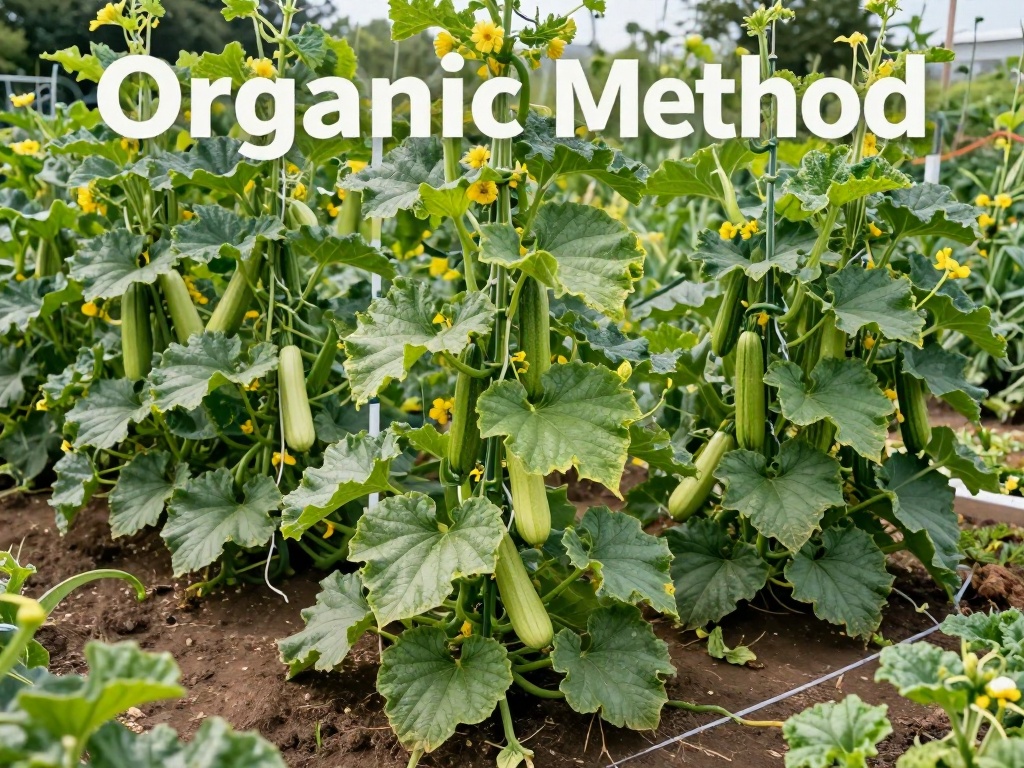
How to Grow Zucchini Vertically: 2026 Organic Method Guide
Growing zucchini vertically using organic methods has revolutionized home gardening, especially for those with limited space. This comprehensive guide reveals proven techniques for cultivating healthy zucchini plants upright, maximizing your harvest while minimizing garden footprint. Whether you have a small balcony, patio, or compact backyard, vertical zucchini gardening opens new possibilities for fresh, chemical-free produce.
Why Choose Vertical Gardening for Zucchini
Traditional zucchini plants sprawl across 3-4 feet of garden space, often overwhelming small gardens. Vertical gardening transforms this space-hungry vegetable into a manageable climbing plant suitable for containers, trellises, and raised beds. The organic method emphasizes soil health, natural fertilization, and sustainable practices that benefit both your harvest and the environment.
Space Efficiency Benefits
Vertical zucchini gardening reduces ground space requirements by up to 75%. A single plant trained upward produces comparable yields to its sprawling counterpart while occupying a fraction of the area. This approach proves particularly valuable for urban gardeners working with balconies, rooftops, or limited backyard dimensions.
Improved Air Circulation and Disease Prevention
When zucchini plants grow vertically, air circulates freely around leaves and stems. This natural airflow reduces humidity buildup that leads to common issues like powdery mildew and fungal diseases. Organic gardeners appreciate this prevention method as it minimizes the need for intervention.
Selecting the Right Zucchini Varieties
Not all zucchini varieties adapt equally well to vertical growing. Choosing the right cultivar forms the foundation of successful vertical gardening using organic methods.
Best Varieties for Vertical Growth
- Trellis-Suitable Zucchini: Compact bush varieties like 'Black Beauty,' 'Bush Baby,' and 'Raven' respond well to vertical training. These cultivars naturally produce shorter vines with better structural integrity for climbing support.
- Climbing Varieties: Varieties with more flexible stems, including 'Costata Romanesco' and 'Florentino,' adapt exceptionally well to trellis systems and produce attractive fruits that hang beautifully when mature.
- Container-Optimized Types: Patio-specific varieties such as 'Patio Star' and 'Bush Pickle' were specifically bred for vertical cultivation in containers, making them perfect choices for small-space organic gardening.
Building Your Vertical Support System
A sturdy support structure forms the backbone of successful zucchini vertical gardening. The organic method prioritizes sustainable, reusable materials that blend naturally into garden environments.
Trellis Options for Zucchini
Several trellis designs work exceptionally well for vertical zucchini cultivation. A-frame structures provide excellent stability and make harvesting convenient. Cattle panel arches create attractive garden features while supporting multiple plants efficiently. Traditional wooden lattice panels offer classic appeal and reliable strength for heavy fruiting plants.
Container Selection for Beginners
When growing zucchini vertically in containers, select pots with minimum 5-gallon capacity and adequate drainage holes. Fabric grow bags prove particularly effective as they promote air pruning of roots and prevent waterlogging. Position containers where plants receive at least 6-8 hours of direct sunlight daily.
Step-by-Step Organic Soil Preparation
Soil quality determines the success of your organic vertical gardening efforts. Creating nutrient-rich, well-draining growing medium supports vigorous growth without synthetic fertilizers.
Creating Organic Growing Mix
Combine equal parts aged compost, coconut coir, and perlite for an optimal soilless growing medium. Add rock phosphate for phosphorus needs and greensand for potassium. This organic blend provides slow-release nutrition while maintaining excellent drainage and moisture retention properties essential for container growing.
Composting for Sustainable Nutrition
Home compost serves as the cornerstone of organic zucchini nutrition. Incorporate 2-3 inches of quality compost into your growing medium before planting. Side-dress plants monthly with compost tea, brewing finished compost in water for 24-48 hours to create a liquid fertilizer rich in beneficial microorganisms.
Planting and Training Techniques
Proper planting and early training establish patterns that guide healthy vertical growth throughout the season. This organic method focuses on gentle techniques that work with natural plant growth habits.
Initial Planting Steps
Plant zucchini seedlings or direct sow seeds after all frost danger passes and soil temperatures reach 60°F (15°C). Dig planting holes twice the width of root balls, positioning plants at the same depth they grew in their nursery containers. Water thoroughly after planting and apply organic mulch to retain moisture and suppress weeds.
Training Vines for Vertical Growth
Begin training zucchini vines within 2-3 weeks of planting. Gently weave main stems through trellis openings, securing loosely with soft plant ties. Avoid forcing growth in sharp angles that could damage stems. Redirect wandering tendrils toward support structures as plants develop, encouraging upward rather than horizontal growth.
Organic Pest and Disease Management
Maintaining plant health through organic practices prevents most pest and disease issues before they require intervention. Prevention remains the foundation of sustainable zucchini cultivation.
Natural Pest Deterrents
Encourage beneficial insects like ladybugs and lacewings that consume common zucchini pests. Plant companion herbs including basil, nasturtiums, and marigolds to repel aphids and squash bugs naturally. Apply neem oil spray as a preventive treatment, focusing on undersides of leaves where pests typically establish colonies.
Disease Prevention Through Organic Practices
Vertical growing naturally improves air circulation, reducing fungal disease pressure. Water at soil level rather than overhead to keep foliage dry. Remove any yellowing or damaged leaves promptly. Apply compost tea monthly to strengthen plant immunity through beneficial soil microorganisms.
Maximizing Yield in Vertical Systems
Vertical zucchini gardening produces abundant harvests when plants receive appropriate care throughout the growing season. Understanding plant needs optimizes productivity.
Pollination Optimization
Zucchini requires insect pollination for fruit set. Attract bees and other pollinators by interplanting flowering herbs and avoiding broad-spectrum organic pesticides. For guaranteed pollination in small spaces, hand-pollinate by transferring pollen from male flowers to female blossoms using a small paintbrush.
Harvesting for Continuous Production
Harvest zucchini when fruits reach 6-8 inches for best flavor and texture. Regular harvesting encourages continued production throughout the season. Check plants daily during peak production, as zucchini can grow from flower to harvestable size within 48 hours under ideal conditions.
Common Mistakes to Avoid
Understanding common pitfalls helps beginners establish successful vertical zucchini gardens the first time. These mistakes often derail new organic gardeners but are easily preventable.
- Insufficient Support: Underestimating plant weight leads to collapsed structures. Install supports rated for at least 25 pounds per plant.
- Improper Spacing: Crowding plants compromises air circulation and increases disease susceptibility. Maintain 24-36 inches between vertical plants.
- Inconsistent Watering: Irregular moisture causes fruit deformities and blossom end rot. Implement drip irrigation or self-watering containers for steady hydration.
Seasonal Timeline for Success
Following a seasonal calendar ensures your vertical zucchini garden receives appropriate care at each growth stage.
Spring Preparation
Begin soil preparation 2-3 weeks before planting. Build or purchase trellis systems and position in full-sun locations. Start seeds indoors 3-4 weeks before last frost or purchase organic seedlings from local nurseries.
Summer Maintenance
Establish training routines during early growth. Monitor watering needs as temperatures rise. Apply compost tea every 2-3 weeks and inspect regularly for pest activity.
Fall Transition
Continue harvesting until first frost. Save seeds from open-pollinated varieties for next season. Clean and store trellis systems properly. Add spent plants to compost pile to recycle nutrients.
Frequently Asked Questions
How long does it take to grow zucchini vertically from seed to harvest?
Zucchini typically reaches harvestable size within 45-65 days from direct seeding. Container-grown plants may require an additional week due to space constraints. Vertical growing does not significantly extend this timeline when plants receive proper care and adequate nutrition through organic methods.
What is the biggest mistake beginners make with vertical zucchini gardening?
The most common error involves using inadequate support structures that collapse under mature plant weight. Zucchini plants become surprisingly heavy when laden with fruit. Invest in sturdy trellis systems rated for substantial weight, or construct A-frame supports using livestock panels that provide exceptional strength and durability.
Can I grow zucchini vertically in containers on my apartment balcony?
Absolutely. Container growing suits apartment balcony gardening perfectly. Select compact bush varieties specifically bred for containers. Use minimum 5-gallon containers with quality organic potting mix. Ensure your balcony receives at least 6 hours of direct sunlight and provide adequate vertical support for training.
How much does it cost to start an organic vertical zucchini garden?
Starting costs range from $30-80 depending on whether you build DIY supports or purchase pre-made systems. Container gardening requires additional investment in pots and quality organic potting soil. However, ongoing expenses remain minimal once established, as organic methods rely on compost and natural amendments rather than expensive synthetic fertilizers.
What organic fertilizer works best for vertical zucchini plants?
Balanced organic fertilizers with slightly higher phosphorus and potassium ratios produce optimal results. Fish emulsion, seaweed extract, and compost tea provide complete nutrition without burning tender roots. Side-dress with aged compost monthly and apply liquid fertilizers every 2-3 weeks during active growth and fruiting.
When is the best time to start vertical zucchini gardening in the growing season?
Plant zucchini after all frost danger passes and soil temperatures consistently exceed 60°F (15°C). This timing typically falls 2-4 weeks after your last spring frost date. Starting too early causes transplant shock and stunted growth, while late planting reduces total harvest window before fall frost arrives.
No comments