
Zucchini Vertical Gardening Organic Method: 2026 Complete Guide
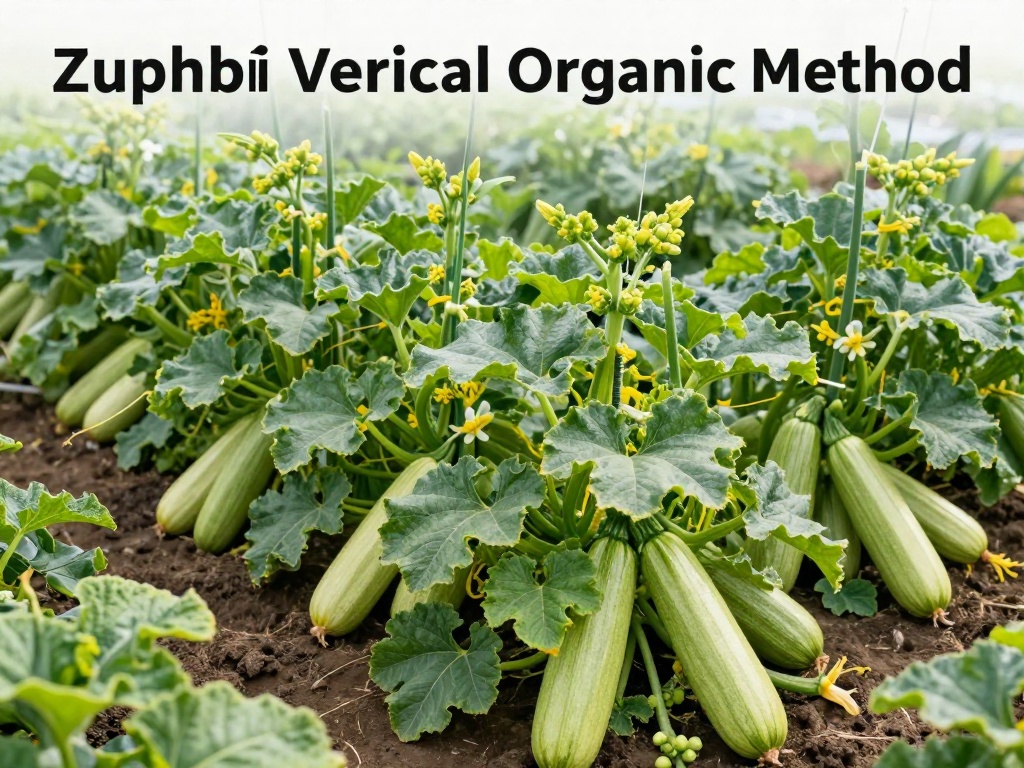
Zucchini Vertical Gardening Organic Method: 2026 Complete Guide
Growing zucchini vertically using organic methods transforms your garden space and produces healthier plants. This comprehensive guide reveals proven techniques for training zucchini upward, maximizing yield in small spaces, and maintaining an all-natural approach. Whether you have a tiny balcony, raised beds, or a spacious backyard, vertical zucchini cultivation delivers impressive results for every grower.
Why Choose Vertical Gardening for Zucchini
Traditional zucchini plants sprawl across 3-4 square feet, consuming valuable garden real estate. Vertical gardening reorganizes this space, directing growth upward rather than outward. The organic method eliminates synthetic fertilizers and pesticides, producing clean, nutritious produce while supporting soil health. Modern gardeners increasingly embrace this technique for its efficiency and sustainability.
Space Efficiency Benefits
Vertical structures allow you to grow zucchini in containers, on patios, or even indoors near sunny windows. A single plant trained on a trellis produces comparable yields to a ground-hugging bush variety. Gardeners with limited space report harvesting 15-20 pounds of zucchini from a single vertical plant throughout the season.
Improved Air Circulation and Disease Prevention
Elevated foliage dries faster after rain or morning dew, dramatically reducing fungal diseases like powdery mildew. Air circulates freely around leaves and fruit, creating an environment hostile to common zucchini pathogens. This natural advantage means fewer interventions and a cleaner organic harvest.
Easier Harvest and Maintenance
Zucchini growing on trellises sit at comfortable waist to chest height, eliminating exhausting bending and searching through dense foliage. You spot ripe fruits immediately, preventing the oversized, woody specimens that often plague ground-grown plants. Organic pest management becomes simpler when you can inspect plants thoroughly each day.
Best Zucchini Varieties for Vertical Gardening
Not all zucchini varieties adapt equally well to vertical growth. Selecting the right cultivar determines your success with this organic method. Compact bush varieties work excellently when supported, while specific vining types practically demand trellis training.
Recommended Compact Varieties
- Black Beauty: Classic dark green zucchini, compact growth habit, reliable producer
- Costata Romanesco: Italian heirloom with outstanding flavor, ribbed fruits
- Eight Ball: Round zucchini perfect for stuffing, manageable vine length
- Raven: Early maturing, disease-resistant, vigorous vertical growth
Vining Types for Maximum Vertical Growth
True vining zucchini varieties offer the most dramatic vertical displays. These plants naturally climb when given proper support structures. Consider Tatume, a traditional Mexican variety, or Clarimore for extended harvests. These types can reach 6-8 feet tall when trained properly.
Step-by-Step Setup for Vertical Zucchini Gardening
Proper initial setup determines your long-term success with vertical zucchini cultivation. This section walks you through each phase, from structure selection to planting day.
Choosing Your Support Structure
Sturdy supports prevent catastrophic plant failures during fruit development. Heavy fruits stress inadequate structures, causing collapse and plant damage. Select supports rated for at least 25-30 pounds of weight capacity per plant. A-frame trellises, cattle panel arches, and sturdy obelisks all perform admirably.
For beginners, cattle panels secured to T-posts offer exceptional stability and ease of training. Commercial tomato cages designed for heavy plants also work well when positioned early. Avoid lightweight tomato cages, as they buckle under zucchini's substantial foliage and fruit.
Container Selection for Growing in Small Spaces
Zucchini requires substantial root space even when grown vertically. Select containers holding at least 5 gallons per plant for optimal results. Fabric grow bags, large plastic containers, and wooden planters all accommodate vertical zucchini successfully.
Ensure containers have adequate drainage holes to prevent root rot. Elevate containers slightly on pot feet or bricks to improve drainage and airflow beneath the pot. Position containers where they receive at least 6-8 hours of direct sunlight daily.
Organic Soil Preparation
Create a rich, well-draining growing medium using compost as your foundation. Mix equal parts quality compost, aged coconut coir, and perlite for excellent moisture retention and drainage. Add a handful of organic bone meal for calcium and root development. This blend provides slow-release nutrition throughout the growing season.
Avoid garden soil in containers, as it compacts and harbors soilborne diseases. Commercial organic potting mixes offer convenient alternatives when homemade blends aren't feasible. Refresh container soil annually by removing the top few inches and replacing with fresh compost.
Planting and Training Your Zucchini Vertically
Proper planting technique and early training establish strong vertical growth patterns. Starting correctly eliminates frustration later in the season.
Planting Technique for Maximum Yield
Plant zucchini at the base of your support structure, positioning it 4-6 inches from the base. This distance allows easy stem attachment while keeping roots in the richest soil. Water thoroughly after planting, applying a diluted seaweed extract to reduce transplant shock and encourage root development.
Space multiple plants 18-24 inches apart along continuous trellis runs. Closer spacing reduces air circulation and increases disease pressure, undermining your organic approach. In raised beds, maintain adequate spacing even when space feels limited.
Training Young Plants Step by Step
Begin training when seedlings reach 12-18 inches tall. Gently bend the main stem toward your support structure without forcing or cracking it. Use soft plant ties, cloth strips, or twist ties to loosely secure the stem. Avoid wire, rubber bands, or anything that could cut into expanding stems.
As the plant grows, add ties every 8-12 inches along the main stem. Guide side shoots horizontally along the trellis plane rather than allowing them to dangle. Redirect wandering tendrils to contact the support, and they naturally grip and climb.
Managing Foliage and Fruit Development
Prune lower leaves that touch the ground, improving air circulation and preventing soil splash onto foliage. Remove any yellowing or diseased leaves immediately, disposing of them away from your garden area. This ongoing maintenance supports the organic method by preventing disease accumulation.
Support developing fruits with cloth slings if they exceed the support structure's natural reach. Pantyhose, mesh bags, or torn fabric strips cradling heavy fruits prevent stem breakage. Check supports weekly and adjust ties as stems thicken to avoid constriction.
Organic Care and Maintenance Throughout the Season
Sustaining healthy vertical zucchini requires consistent attention using organic principles. This natural approach works with beneficial organisms and soil health rather than against them.
Watering Strategies for Vertical Plants
Vertical zucchini plants often dry faster than ground-hugging counterparts due to increased air circulation. Monitor soil moisture daily during hot weather, typically requiring water every 1-2 days. Apply water directly to the soil at the base, avoiding wetting foliage which encourages disease.
Install drip irrigation or soaker hoses for consistent moisture delivery. Mulch around the base with 2-3 inches of organic material like straw or shredded leaves, maintaining a gap between mulch and plant stems. This conserves moisture and suppresses weeds naturally.
Organic Fertilization Schedule
Feed vertical zucchini monthly using organic fertilizers that support soil biology. Compost tea applied every 2-3 weeks provides readily available nutrients while feeding beneficial microorganisms. Side-dress plants with additional compost monthly, scratching it gently into the soil surface.
When fruits appear, supplement with kelp meal or fish emulsion to support fruiting. These organic options deliver potassium and trace minerals without disrupting soil health. Avoid high-nitrogen fertilizers after flowering begins, as excessive nitrogen promotes foliage at the expense of fruit production.
Natural Pest Management Approaches
Organic pest control relies on prevention, monitoring, and gentle interventions. Inspect plants daily for pest activity, catching problems early before populations explode. Common zucchini pests include squash vine borers, aphids, squash bugs, and cucumber beetles.
Use row covers during early season to exclude flying insects, removing them when flowers appear for pollination. Handpick larger pests like squash bugs and their egg masses daily. Introduce beneficial insects like ladybugs and lacewings to control aphid populations naturally.
For organic pest control, apply neem oil or insecticidal soap sprays in early morning or evening to avoid leaf burn. Bacillus thuringiensis (Bt) controls caterpillar pests without harming beneficial insects. These methods maintain your organic certification while effectively protecting your crop.
Harvesting Your Vertical Zucchini
Proper harvesting technique maximizes production and maintains plant health throughout the season. Vertical positioning makes this task pleasant rather than arduous.
When and How to Harvest
Harvest zucchini when fruits reach 6-8 inches long for best texture and flavor. Check plants daily during peak production, as zucchini can grow from flower to harvestable size in 24-48 hours. Use a sharp knife or pruners, cutting the stem 1/4 inch above the fruit.
Never tear fruits from the plant, as this damages stems and invites disease. Harvest regularly to encourage continued production; leaving oversized fruits signals the plant to slow reproduction. Frequent harvest of medium-sized fruits actually increases total yield.
Extending Your Harvest Season
Succession planting ensures continuous supply throughout the growing season. Start new seeds every 3-4 weeks from late spring through early summer. This approach provides fresh plants as older ones tire, maintaining productivity until frost ends the season.
In USDA zones 8 and warmer, fall planting produces excellent late-season crops. Vertical growing extends the season slightly by protecting fruits from ground moisture and early frosts. Remove frost-damaged foliage promptly to encourage remaining fruits to mature.
Common Mistakes to Avoid
Learning from typical errors accelerates your path to vertical zucchini success. These pitfalls undermine organic methods and reduce yields significantly.
Structural Failures
Installing inadequate support structures represents the most common beginner mistake. Undersized trellises buckle under mature plant weight, destroying months of careful cultivation. Invest in quality materials rated for heavy loads from the beginning.
Improper Pruning and Training
Neglecting early training makes later correction difficult or impossible. Plants left to sprawl rarely adapt successfully to vertical training once established. Begin training within the first month, while stems remain flexible and manageable.
Overcrowding and Poor Air Circulation
Planting zucchini too closely in pursuit of higher density defeats the vertical gardening purpose. Crowded plants share diseases readily and produce smaller fruits. Generous spacing rewards you with healthier plants and larger individual harvests.
Frequently Asked Questions
Is vertical zucchini gardening suitable for complete beginners?
Yes, vertical zucchini gardening works well for beginners willing to invest in proper support structures and consistent monitoring. Start with a single plant in a container to learn the technique before expanding your vertical garden. The key is beginning with sturdy supports and selecting compact varieties suited to vertical growth.
Can I grow zucchini vertically in containers on my balcony?
Absolutely, balcony growing succeeds when using containers at least 5 gallons in size with adequate drainage. Position containers where they receive full sun exposure and install a trellis or obelisk immediately after planting. The organic method works perfectly in containers with proper soil preparation and regular fertilization.
How long does it take to harvest zucchini using the organic vertical method?
Most zucchini varieties reach harvestable size 45-60 days after transplanting when grown vertically with organic methods. Compact varieties may produce slightly faster, while vining types take additional time but often yield longer. Successive harvests begin within this timeframe and continue for 2-3 months under optimal conditions.
Where should I purchase organic zucchini seeds and seedlings?
Purchase organic seeds from reputable suppliers including Johnny's Selected Seeds, High Mowing Organic Seeds, and Territorial Seed Company. Local nurseries increasingly stock organic seedlings during planting season. Starting from certified organic seed ensures your entire production maintains organic integrity.
What diseases affect vertical zucchini and how does organic gardening prevent them?
Powdery mildew, bacterial wilt, and blossom end rot commonly affect zucchini plants. Vertical growing naturally prevents powdery mildew through improved air circulation. Organic methods prevent disease by avoiding overhead watering, removing infected plant material immediately, rotating crops annually, and maintaining soil calcium levels through organic amendments like eggshells and bone meal.
How much effort does maintaining organic vertical zucchini require?
Plan for 10-15 minutes of daily attention during peak season, including watering, quick inspections, and harvesting. Weekly tasks like fertilizing, tie adjustment, and pruning require 30-45 minutes per plant. The organic vertical method requires slightly more attention than conventional ground growing but rewards you with superior flavor and garden sustainability.
No comments