
2026 Complete Guide to Zucchini Vertical Gardening Organic Method
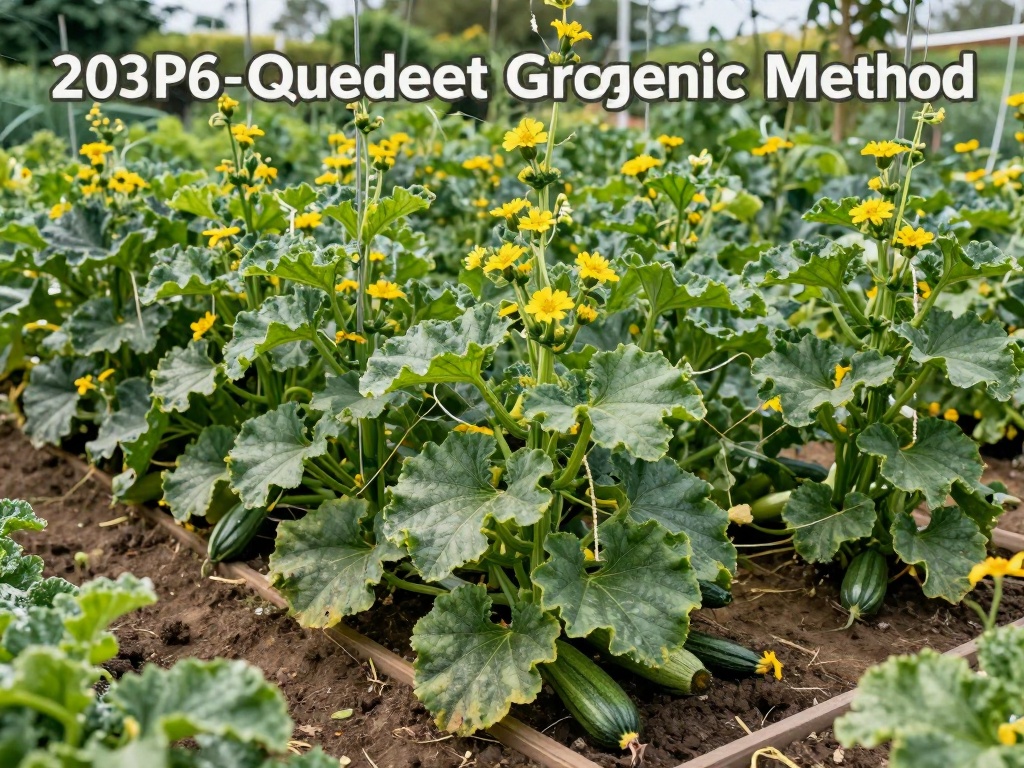
2026 Complete Guide to Zucchini Vertical Gardening Organic Method
Vertical gardening has revolutionized how home growers cultivate summer squash, and zucchini vertical gardening organic method offers an exceptional solution for gardeners with limited space. Whether you have a small backyard, a patio, or only a balcony, training zucchini to grow upward can dramatically increase your harvest while reducing disease pressure and making harvest easier than ever before. This comprehensive guide walks you through every step of establishing a thriving vertical zucchini garden using completely organic and natural approaches.
Why Choose Vertical Growing for Zucchini
Traditional zucchini plants sprawl across 3-4 square feet of garden space, often overwhelming smaller plots. The organic vertical gardening method transforms this space-hungry vegetable into a manageable climbing plant that produces equally impressive yields with several distinct advantages.
Space Efficiency Benefits
- Reduces ground footprint from 16 square feet to just 4 square feet per plant
- Allows cultivation on balconies, patios, and even sunny kitchen windowsills
- Makes raised beds and containers viable options for apartment dwellers
- Enables companion planting in the freed horizontal space below
Health and Yield Improvements
When zucchini vines climb upward, air circulation around foliage improves dramatically. This natural airflow helps prevent fungal diseases like powdery mildew, which commonly affects organic zucchini crops. Additionally, fruits hang freely without touching soil, resulting in cleaner produce and reduced rot. Many gardeners report that vertical zucchini plants actually produce earlier harvests because energy directs toward fruit production rather than spreading across the ground.
Choosing the Right Zucchini Varieties for Vertical Growth
Not all zucchini varieties climb equally well. Success with vertical gardening depends significantly on selecting appropriate cultivars that have natural vining tendencies or compact growth habits suited to training.
Best Climbing Zucchini Varieties
- Trombetta di Albenga – Italian heirloom with vigorous vines reaching 6-8 feet
- Table King Bush Acorn – Compact bush variety perfect for container vertical growing
- Round Eight Ball – Smaller fruits on manageable vines ideal for small-space vertical gardens
- Costata Romanesco – Heirloom variety with sturdy stems that support heavy fruits
- Black Beauty – Classic variety that adapts well to vertical training
What to Avoid
Standard bush varieties like traditional Black Beauty can be forced vertically, but they require more extensive support and produce less satisfying results. Stick with naturally vining or semi-bush types for the best organic vertical gardening experience.
Setting Up Your Vertical Support System
A robust support structure forms the foundation of successful vertical zucchini gardening. The organic method emphasizes using sustainable, chemical-free materials that blend naturally into garden environments.
Support Structure Options
Trellis Systems
Install a sturdy A-frame or vertical trellis made from untreated cedar or bamboo poles. The structure should stand at least 6 feet tall to accommodate mature vines. Space horizontal support wires or wooden slats every 12 inches to provide attachment points for vines as they grow.
Cage and Cone Method
Heavy-duty steel tomato cages work exceptionally well for semi-bush varieties. Position cages at planting time and train main stems upward through the center. This method requires minimal setup and works beautifully in containers.
Arch and Pergola Style
For gardeners with more space, creating an archway between raised beds allows zucchini to grow overhead. This aesthetically pleasing approach maximizes vertical space while creating an attractive garden feature.
Container Selection for Vertical Zucchini
If growing in containers, choose vessels that hold at least 15 gallons of soil. Fabric grow bags offer excellent drainage and root aeration, supporting healthy organic zucchini development. Ensure containers have adequate drainage holes and place them where they'll receive at least 6-8 hours of direct sunlight daily.
The Organic Soil Foundation
Healthy soil produces healthy plants. The organic method for vertical zucchini gardening prioritizes building rich, living soil teeming with beneficial microorganisms that support plant nutrition naturally.
Creating Organic Potting Mix
Blend your own organic soil mixture using these proportions:
- 40% aged compost – provides slow-release nutrients and beneficial microbes
- 30% coconut coir or peat moss – ensures moisture retention
- 20% perlite or coarse sand – promotes excellent drainage
- 10% worm castings – adds concentrated organic nutrition
Mix in 1 cup of organic bone meal and 1/2 cup of kelp meal per cubic foot of soil to provide phosphorus and potassium for root development and fruit production. This step-by-step organic soil preparation creates an ideal growing medium for vertical zucchini.
Container Soil Depth Requirements
Zucchini develops extensive root systems that can extend 18-24 inches deep. Ensure containers provide at least 15 inches of soil depth for optimal root development and nutrient uptake in your vertical garden.
Planting and Training Your Vertical Zucchini
Proper planting technique and early training establish the framework for successful vertical growth. Follow these beginner-friendly steps for planting zucchini vertically.
Planting Instructions
Plant zucchini starts or seeds after all frost danger passes and soil temperatures reach 60°F (15°C). Dig a hole twice the width of your root ball and plant at the same depth as the original container. Water thoroughly with diluted compost tea to introduce beneficial microorganisms immediately.
Training Young Vines
Begin vertical training when seedlings reach 6-8 inches tall. Gently wrap the main stem around your support structure, using soft plant ties to secure it loosely. Avoid tying too tightly, as stems expand rapidly. Check and adjust ties every few days during active growth periods.
Managing Side Shoots
Prune side shoots (laterals) that emerge from leaf nodes to direct energy toward upward growth. Use clean, sharp pruners and make cuts at 45-degree angles. This organic pruning technique maintains airflow and encourages fruit production on the main vertical stem.
Organic Fertilization Schedule
Feeding vertical zucchini organically requires understanding plant nutrient needs throughout the growing season. Consistent, balanced nutrition supports vigorous growth and abundant fruiting.
Nutrient Requirements
Zucchini plants need nitrogen for leafy growth, phosphorus for root and flower development, and potassium for fruit quality. During flowering and fruiting stages, shift toward lower nitrogen formulas to prevent excessive foliage at the expense of harvest.
Organic Fertilizer Application
- Week 1-3: Apply compost tea every 7-10 days for gentle nitrogen boost
- Week 4-6: Side dress with aged compost around the base of plants
- Flowering begins: Apply kelp meal or fish emulsion every 2 weeks
- Fruiting stage: Switch to lower-nitrogen organic blend with higher potassium
Always water deeply before applying any fertilizer to prevent root burn. The organic fertilization method works synergistically with your living soil ecosystem.
Natural Pest and Disease Management
Organic vertical gardening relies on prevention, natural predators, and organic interventions to manage common zucchini pests without synthetic chemicals. The vertical growing method actually reduces many disease problems naturally.
Common Zucchini Pests and Organic Solutions
Squash Vine Borers
These destructive larvae bore into stems at soil level. Wrap the lower 6 inches of stem with aluminum foil or row cover fabric immediately after planting. If infestation occurs, slit the stem carefully, remove larvae, and mound soil over the damaged area to encourage secondary root growth.
Squash Bugs
Handpick adult bugs and crush egg clusters on undersides of leaves in early morning when they're slow-moving. Place boards near plants overnight and collect hiding bugs each morning. Neem oil spray provides additional control for severe infestations.
Aphids
Spray affected areas with strong water stream to dislodge aphids. Introduce ladybugs and lacewings to your garden, as they consume enormous quantities of aphids naturally. Insecticidal soap offers additional organic control if needed.
Cucumber Beetles
Use yellow sticky traps to monitor and reduce populations. Row covers prevent adult beetles from reaching plants, but remove them during flowering for pollination. Kaolin clay spray creates a physical barrier against feeding.
Disease Prevention Through Vertical Growing
Growing zucchini vertically naturally prevents many common diseases. Improved air circulation dramatically reduces powdery mildew, while fruits hanging above soil escape soil-borne pathogens. If powdery mildew appears despite good airflow, spray with a solution of 1 tablespoon baking soda and 1 teaspoon liquid dish soap in 1 gallon of water.
Watering Best Practices for Vertical Zucchini
Proper irrigation maintains consistent soil moisture essential for healthy zucchini development and prevents problems like blossom end rot that commonly affects container-grown plants.
Watering Guidelines
- Water deeply at the soil level, avoiding wetting foliage
- Provide 1-2 inches of water weekly from rain or irrigation combined
- Check soil moisture daily during hot weather by inserting finger 2 inches deep
- Mulch around containers with straw or wood chips to retain moisture
- Consider drip irrigation for consistent, efficient watering
Container-grown vertical zucchini typically requires more frequent watering than ground-planted specimens because containers dry out faster, especially in warm weather conditions.
Pollination Management for Vertical Plants
Proper pollination ensures abundant fruit set on your vertical zucchini plants. Understanding the difference between male and female flowers helps maximize your harvest.
Male vs Female Flowers
Male flowers appear first on the plant and feature straight stems with a single stamen covered in pollen. Female flowers develop after several weeks and have a small fruit (ovary) visible behind the petals. Hand pollination involves transferring pollen from male to female flowers using a small, clean paintbrush or simply snapping off a male flower and brushing it inside the female.
Encouraging Natural Pollination
Plant pollinator-attracting flowers nearby, such as marigolds, zinnias, or herbs in bloom. Avoid using any pesticides, even organic ones, during flowering periods when beneficial insects are actively foraging. Healthy bee populations dramatically improve zucchini fruit set and overall yield.
Harvesting Your Vertical Zucchini
Vertical growing makes harvesting easier than ever, as fruits hang visibly and don't hide beneath sprawling foliage. Regular harvesting encourages continued production throughout the season.
Harvest Timing
Pick zucchini when fruits reach 6-8 inches long for best texture and flavor. Check plants every 1-2 days during peak production, as zucchini grows surprisingly fast in warm weather. Use sharp pruners or a knife to cut fruits from the vine, leaving a small stem attached.
Signs of Perfect Harvest
- Skin easily pierces with thumbnail but doesn't scratch deeply
- Color is consistent and glossy (varies by variety)
- Firm texture without soft spots
- Length between 6-10 inches for most varieties
Extending Your Growing Season
Maximize your vertical zucchini harvest with these organic season extension techniques suitable for both beginners and experienced growers.
Cold Weather Protection
Use row covers or cold frames over containers in early spring to warm soil faster and protect tender seedlings from late frosts. In fall, covers extend the growing season by several weeks as temperatures drop.
Succession Planting
Start new seeds every 3-4 weeks from late spring through early summer to ensure continuous harvest through frost. Vertical growing makes succession planting practical even in tiny spaces because each plant occupies minimal ground area.
Common Mistakes to Avoid
Learning what not to do helps gardeners skip common problems that reduce yields or cause plant failure in vertical zucchini gardens.
- Starting too late: Zucchini needs warm soil and long days to thrive; plant after soil thoroughly warms
- Weak supports: Mature zucchini vines with heavy fruits can topple flimsy structures; invest in sturdy supports
- Over-fertilizing: Too much nitrogen produces gorgeous foliage but few fruits; maintain balanced nutrition
- Irregular watering: Inconsistent moisture causes blossom end rot and misshapen fruits
- Neglecting training: Train vines early and often to prevent brittle stems from breaking
- Poor pollination: Without adequate pollination, fruits yellow and drop; hand pollinate if needed
Results Timeline and Expectations
Understanding the zucchini growth timeline helps set realistic expectations for your vertical garden.
- Weeks 1-2: Seedlings establish roots and produce first true leaves
- Weeks 3-4: Vines begin climbing; main stem reaches 1-2 feet
- Weeks 5-6: First flowers appear (typically male flowers first)
- Weeks 6-8: Female flowers develop; first fruit set occurs
- Week 8+: Regular harvesting begins; peak production continues for 4-6 weeks
Each vertical zucchini plant typically produces 5-10 pounds of fruit throughout the season, depending on variety, growing conditions, and care quality.
Cost and Effort Assessment
Vertical zucchini gardening requires modest investment compared to traditional ground-based growing. Here's what to expect for costs and ongoing effort.
Initial Investment
- Support structure: $20-50 depending on materials and size
- Large containers (15-gallon): $15-30 each or $5-15 for grow bags
- Organic soil and amendments: $20-40
- Zucchini plants or seeds: $3-10
Ongoing Effort
- Daily: Quick inspection and harvest check (5 minutes)
- Weekly: Deep watering and compost tea application (15-20 minutes)
- As needed: Training vines, pruning, pest monitoring (10-15 minutes)
Final Thoughts on Organic Vertical Zucchini Gardening
The zucchini vertical gardening organic method represents a perfect marriage of space efficiency and sustainable growing practices. By training these productive plants upward, gardeners transform impossible spaces into abundant harvests while supporting soil health, reducing pest pressure, and enjoying the convenience of accessible, clean fruits.
Whether you're growing in a tiny apartment balcony or maximizing a suburban backyard, vertical organic zucchini offers rewarding results that prove productive gardens aren't limited by square footage. Start small, experiment with varieties, and enjoy watching your vines climb toward abundant harvests.
Frequently Asked Questions
Can zucchini really grow vertically or will the fruit be too heavy?
Yes, zucchini can absolutely grow vertically! Most varieties produce fruits weighing 1-2 pounds, which most sturdy support structures handle easily. The climbing stems of vining zucchini varieties are naturally designed to support their own weight plus fruit. Using supports rated for at least 25 pounds provides adequate safety margin. As fruits develop, you can also create additional supports using mesh bags or old nylons hung from the main structure to cradle heavy zucchini.
What's the biggest mistake beginners make with vertical zucchini?
The most common beginner mistake involves insufficient structural support or waiting too long to begin training vines. Zucchini stems become woody and brittle as they mature, making late training difficult without breaking. Begin attaching vines to supports when plants reach only 6-8 inches tall, while stems remain flexible. Additionally, many beginners plant too early in cold soil, which stunts growth and invites disease; always wait until soil temperatures reach 60°F consistently.
When is the best time to start vertical zucchini gardening?
Start seeds indoors 3-4 weeks before your last expected frost date, or direct sow seeds outdoors 2-3 weeks after all frost danger has passed and soil has warmed to at least 60°F. For continuous harvest, make succession plantings every 3-4 weeks through mid-summer. In regions with long growing seasons, you can start vertical zucchini as late as early July for fall harvest in warmer climates.
How much does it cost to grow zucchini vertically using organic methods?
Initial setup costs range from $50-120 depending on your container choices and support structure preferences. DIY options using salvaged materials or basic bamboo trellises can reduce costs to under $40. Ongoing annual costs include organic fertilizer (approximately $10-20), seeds or starts ($3-10), and modest compost amendments. Compare this to purchasing organic zucchini at $3-5 per pound, and even one or two productive vertical plants typically recoup your investment quickly.
How long until I see results from my vertical zucchini garden?
Expect your first harvest approximately 45-60 days from planting for most varieties, or 50-70 days from seed. The wait during vegetative growth feels long, but once flowering begins, fruits develop rapidly—often reaching harvestable size within 3-5 days of fruit set. Peak production typically occurs 8-12 weeks after planting and continues for 4-8 weeks with proper care and regular harvesting.
What can I grow below my vertical zucchini plants?
The freed ground space beneath vertical zucchini becomes valuable real estate for companion plantings. Grow lettuce, radishes, spinach, or other shade-tolerant greens that appreciate the filtered light beneath climbing vines. Basil, marigolds, and nasturtiums planted nearby repel pests naturally while attracting pollinators. Just ensure companion plants don't compete directly with zucchini roots for water and nutrients—apply extra compost and maintain consistent moisture to support multiple plants in the same area.
No comments