
How to Grow Basil: Organic Gardening in Hot Climate 2026 Guide
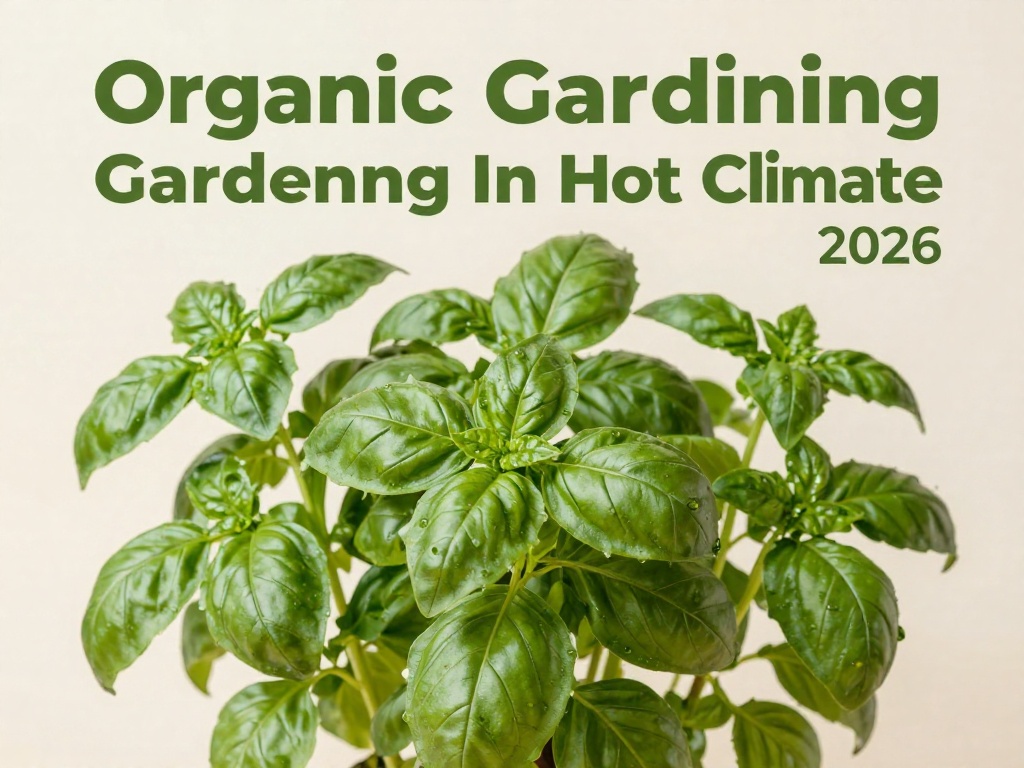
How to Grow Basil: Organic Gardening in Hot Climate 2026 Guide
Basil organic gardening in hot climate conditions presents unique challenges and rewarding opportunities for dedicated growers. When temperatures soar above 90°F (32°C), many herbs struggle to survive, but basil thrives when given the proper care and environment. This comprehensive guide provides step-by-step instructions for cultivating abundant, aromatic basil using completely organic methods, even in the most challenging heat.
Understanding Basil's Heat Requirements
Basil originates from tropical regions, making it naturally more heat-tolerant than many common herbs. However, extreme heat requires strategic planning to maintain plant health and productivity. Successful basil organic gardening in hot climate regions depends on understanding the balance between warmth and protection from heat stress.
Optimal Temperature Ranges
Basil performs best when daytime temperatures range between 77°F and 86°F (25°C-30°C). Night temperatures should remain above 60°F (15°C) for continued growth. When temperatures exceed 95°F (35°C), plants require additional attention to prevent wilting and bolting. Monitoring local conditions helps determine when protective measures become necessary.
Signs of Heat Stress in Basil
Recognizing heat stress early allows for quick intervention. Wilting leaves, brown edges, faded green color, and premature flowering indicate temperatures are too extreme. Plants may also develop a bitter taste when stressed. Regular observation ensures timely adjustments to your gardening approach.
Selecting Heat-Tolerant Basil Varieties
Choosing the right varieties forms the foundation of successful basil organic gardening in hot climate gardens. Certain cultivars demonstrate superior heat tolerance and disease resistance compared to standard sweet basil.
Best Basil Varieties for Hot Climates
- Thai Basil – Exceptional heat tolerance with distinctive anise-flavored leaves
- African Blue Basil – Remarkable heat resistance and beautiful purple-tinged foliage
- Greek Columnar Basil – Compact growth ideal for containers in small spaces
- Holy Basil (Tulsi) – Highly adaptable to temperature fluctuations
- Red Rubin Basil – Deep purple leaves with strong heat tolerance
Starting from Seeds vs Transplants
For hot climate gardens, starting seeds indoors 6-8 weeks before the hottest period provides a head start. However, purchasing organic transplants from reputable nurseries offers convenience and immediate garden presence. Both methods work effectively when plants receive proper hardening-off periods.
Soil Preparation for Hot Climate Success
Healthy soil serves as the cornerstone of organic gardening in any climate, but becomes especially critical in hot regions. Proper soil preparation supports root development, moisture retention, and nutrient availability during demanding summer conditions.
Creating the Ideal Growing Medium
Basil thrives in well-draining, rich soil with a pH between 6.0 and 6.5. For raised beds and containers, combine equal parts quality compost, coco coir, and perlite for optimal drainage and nutrition. This mixture retains moisture while preventing root rot—a common issue during monsoon or high-rainfall periods in tropical climates.
Compost Applications
Organic matter fuels beneficial soil microorganisms that help plants withstand heat stress. Apply 2-3 inches of finished compost around plants monthly during the growing season. This organic approach provides slow-release nutrition and improves soil structure continuously throughout the season.
Planting Techniques for Maximum Success
Proper planting techniques maximize root establishment and plant resilience. Timing and spacing significantly impact basil performance in hot conditions.
When to Plant in Hot Climates
The ideal planting window varies by region. In desert climates, plant during early spring or late summer for fall harvests. In tropical regions, avoid the peak rainy season when fungal diseases proliferate. Morning planting allows transplants to establish before afternoon heat arrives.
Spacing and Container Gardening
Space basil plants 12-18 inches apart to ensure adequate air circulation. For container gardening, select pots at least 12 inches in diameter with drainage holes. Grouping containers creates a microclimate with slightly elevated humidity levels around the plants.
Watering Strategies for Hot Weather
Watering represents the most critical factor in basil organic gardening in hot climate conditions. Inconsistent watering leads to stress, reduced flavor, and plant decline.
Deep Watering Methods
Water deeply but less frequently to encourage deep root development. Apply water directly to the soil base, avoiding foliage wetness that promotes disease. Early morning watering allows leaves to dry before intense afternoon heat while providing hydration throughout the hottest hours.
Drip Irrigation and Self-Watering Systems
Installing drip irrigation or self-watering containers maintains consistent soil moisture levels. These systems reduce water waste while providing the steady hydration basil requires. Organic mulch layers complement these systems by reducing evaporation and moderating soil temperature.
Organic Mulching Techniques
Mulching dramatically improves success rates for basil organic gardening in hot climate gardens. Organic mulches cool soil temperatures, retain moisture, and suppress competing weeds.
Best Mulch Materials
- Straw or hay – Excellent insulation and moisture retention
- Wood chips – Long-lasting protection for perennial beds
- Shredded leaves – Nutrient-rich as they decompose
- Grass clippings – Readily available and effective (apply in thin layers)
- Coconut coir – Ideal for containers and moisture retention
Apply mulch 3-4 inches deep around plants, keeping it 2 inches away from stems to prevent rot. Refresh mulch layers as they decompose throughout the growing season.
Natural Pest and Disease Management
Organic methods protect beneficial insects while controlling common basil pests. Prevention and early intervention ensure healthy harvests without synthetic chemicals.
Common Pests in Hot Climates
Aphids, spider mites, and Japanese beetles pose the greatest threats during hot weather. Introducing beneficial insects like ladybugs provides natural control. Strong water sprays dislodge smaller pest populations effectively.
Organic Solutions
Neem oil sprays offer excellent pest control without harming beneficial insects. Garlic and pepper sprays deter many common pests. Companion planting with marigolds, tomatoes, and nasturtiums naturally repels harmful insects while attracting pollinators.
Fungal Disease Prevention
Fusarium wilt and downy mildew affect basil in humid hot climates. Planting resistant varieties, ensuring proper spacing, and avoiding overhead watering prevent most issues. Remove affected plants immediately to prevent spread to healthy specimens.
Managing Heat Stress and Bolting
When temperatures become extreme, basil quickly bolts—producing flowers and seeds instead of lush foliage. Understanding prevention and management techniques extends your harvest significantly.
Shade Cloth Applications
Installing 30-50% shade cloth during peak summer months reduces heat stress dramatically. Position structures to block afternoon sun while allowing morning light exposure. This simple addition can extend productive growing seasons by several weeks.
Pinching and Harvesting Techniques
Regular harvesting prevents early bolting by encouraging bushier growth. Pinch flower buds immediately when they appear to redirect energy toward leaf production. Harvest from the top down, cutting just above a leaf node to promote branching.
Companion Planting for Hot Climate Gardens
Strategic companion planting enhances basil growth and garden biodiversity. Many plants thrive alongside basil while providing mutual benefits.
Best Companion Plants
- Tomatoes – Classic companions with similar water and sun requirements
- Peppers – Share growing conditions and deter harmful insects
- Oregano – Complements basil's culinary uses and growing needs
- Lettuce – Benefits from basil's pest-repelling properties
Harvesting and Storage for Maximum Freshness
Proper harvesting techniques ensure continuous production throughout the season. Understanding when and how to harvest affects both quantity and quality.
Optimal Harvest Timing
Harvest basil in the morning after dew has dried but before heat intensifies. Essential oils concentrate during cooler hours, producing more flavorful harvests. Never remove more than one-third of the plant at once to maintain healthy growth.
Storage Methods
Fresh basil stores best at room temperature in a glass of water, away from direct sunlight. For longer preservation, freeze leaves in ice cube trays with olive oil or dry them in a dehydrator. Fresh freezing maintains flavor better than traditional drying methods.
Frequently Asked Questions
Can basil survive 100°F temperatures?
Basil can survive brief periods at 100°F (38°C) with adequate water, shade cloth protection, and good soil moisture. However, prolonged exposure typically causes stress, wilting, and bolting. Using heat-tolerant varieties and afternoon shade significantly improves survival rates during extreme heat waves.
How often should I water basil in hot weather?
In hot climates, basil typically requires daily watering during peak summer heat. Check soil moisture by inserting your finger 1-2 inches deep—if dry, water immediately. Container-grown basil may need twice-daily watering during extreme heat. Early morning watering provides the best results for plant health.
What is the best organic fertilizer for basil in hot climates?
Quality compost serves as the primary organic fertilizer for basil gardens. Apply monthly side-dressings of finished compost or vermicompost. Liquid fish emulsion or seaweed extract every 2-3 weeks provides additional nutrition during heavy production periods. Avoid high-nitrogen fertilizers that promote excessive leaf growth at the expense of essential oil production.
Why is my basil turning yellow in hot weather?
Yellowing leaves indicate several possible issues: overwatering causing root stress, underwatering leading to nutrient uptake problems, or nitrogen deficiency from heavy rainfall leaching nutrients. Check soil drainage, adjust watering schedules, and apply compost tea or organic nitrogen sources to address these common hot climate issues.
How do I prevent basil from bolting too quickly?
Prevent bolting through consistent watering, providing afternoon shade, harvesting regularly, and pinching flower buds immediately when they appear. Choosing slow-bolting varieties bred for hot climates extends the productive harvest period significantly. Maintaining even soil moisture reduces stress that triggers premature flowering.
Is container gardening better for basil in hot climates?
Container gardening offers excellent control over growing conditions in hot climates. Containers warm faster in spring, allowing earlier planting, and can be moved to shaded areas during extreme heat. Self-watering containers maintain consistent moisture levels that basil craves. Use light-colored containers to reflect heat and prevent root overheating.
What companion plants help basil survive hot weather?
Tall plants like tomatoes provide natural afternoon shade for basil while sharing water requirements. Nasturtiums attract beneficial insects and deter aphids. Lettuce benefits from basil's shade tolerance in shared beds. These companions create beneficial microclimates that help all plants withstand temperature extremes more successfully.
No comments