
Snake Plant Vertical Gardening Organic Method: 2026 Complete Guide
Snake Plant Vertical Gardening Organic Method: 2026 Complete Guide
The snake plant vertical gardening organic method has revolutionized how indoor gardeners maximize their growing spaces while maintaining chemical-free environments. Whether you're working with limited apartment balconies or expansive greenhouse walls, this comprehensive guide will walk you through every step of creating thriving vertical gardens using nature's most resilient houseplant. The popularity of vertical gardening continues to surge in 2026 as urban dwellers seek sustainable ways to bring greenery into confined spaces, and snake plants offer the perfect entry point for both beginners and experienced gardeners alike.
Why Choose Snake Plants for Vertical Gardening
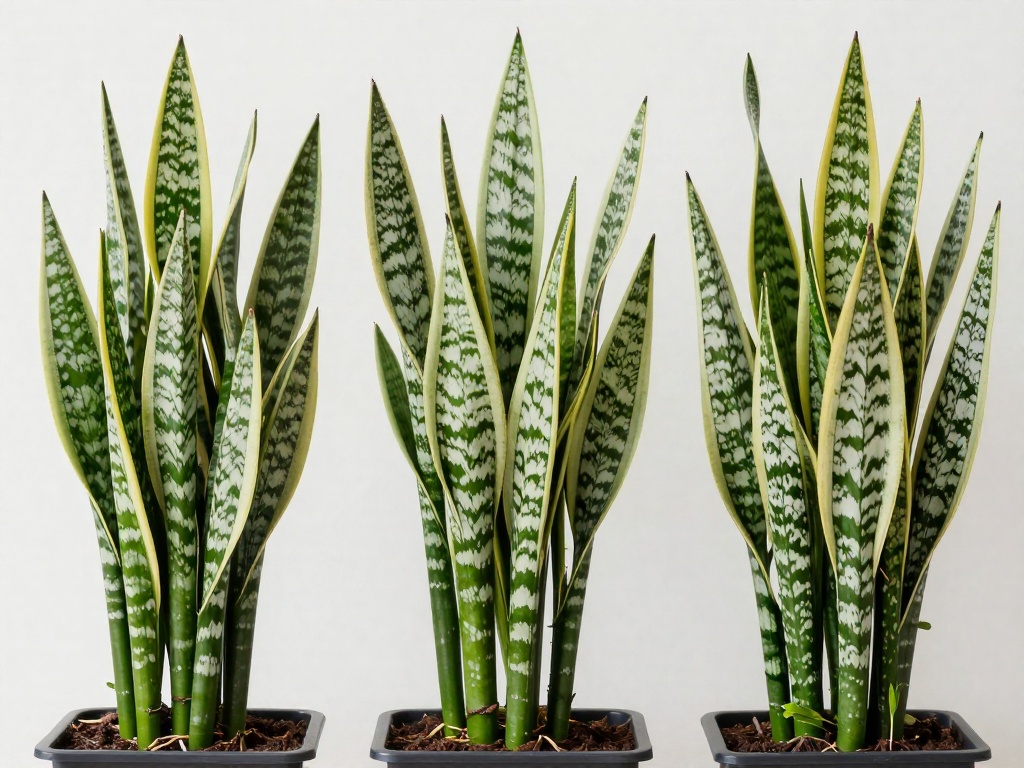
Snake plants (Sansevieria trifasciata) stand out as exceptional candidates for vertical gardening applications due to their remarkable adaptability and low-maintenance requirements. These architectural plants feature upright, sword-like leaves that create stunning visual impact when displayed vertically, transforming ordinary walls into living works of art. The organic method of cultivating snake plants in vertical arrangements aligns perfectly with sustainable gardening principles, eliminating the need for synthetic fertilizers and chemical pesticides that can harm both your family and the environment.
Key Benefits of Snake Plant Vertical Gardens
Vertical snake plant gardens offer remarkable air purification capabilities, removing toxins like formaldehyde and benzene from indoor environments while releasing oxygen throughout the day and night. Unlike many houseplants, snake plants continue their air-cleaning functions around the clock, making them invaluable additions to bedrooms, offices, and living spaces where air quality matters most. The structural design of snake plants also means they require minimal root space, allowing you to pack more plants into smaller vertical arrangements without competition for nutrients or water.
Understanding Snake Plant Varieties for Vertical Gardens
Several snake plant varieties excel in vertical gardening organic method applications, each bringing unique characteristics to your living walls. The classic Sansevieria trifasciata features dark green leaves with striking yellow borders, while the compact Hahnii variety creates rosette patterns perfect for smaller vertical pockets. For dramatic visual impact, consider the cylindrical snake plant (Sansevieria cylindrica), whose round, spear-like leaves create fascinating texture in vertical displays. The Whale fin variety (Sansevieria masonii) offers exceptionally broad leaves that make bold statements in any vertical arrangement.
Essential Materials for Organic Vertical Snake Plant Gardens
Creating a successful snake plant vertical gardening organic method setup begins with gathering the right materials, all of which should align with organic and sustainable principles. The foundation of your vertical garden starts with a proper support structure—whether you choose a commercial vertical garden system, a DIY wooden pallet, or a custom-built frame, ensure it can support the weight of soil, plants, and moisture. Organic gardening demands careful attention to every component that touches your plants, from the mounting hardware to the watering systems.
Choosing Organic Growing Media
The growing medium forms the cornerstone of your organic vertical gardening success, providing nutrients, drainage, and root support in a compact vertical environment. For snake plants in vertical gardens, combine equal parts of organic potting soil, coarse perlite, and coconut coir to create a well-draining mixture that retains enough moisture for healthy root development while preventing the waterlogging that can devastate these drought-tolerant plants. Adding organic worm castings provides slow-release nutrition, while perlite ensures adequate aeration that snake plant roots crave in confined vertical spaces.
Organic Containers and Support Systems
Vertical mounting options for snake plants include fabric pocket planters, wooden pallet frames lined with landscape fabric, and modular plastic systems designed for vertical growing. For true organic alignment, choose containers made from natural materials like untreated wood, terracotta, or biodegradable fabric that won't leach harmful chemicals into your growing medium. When selecting mounting hardware, opt for rust-resistant stainless steel or powder-coated metal that will withstand moisture without degrading over time, ensuring your vertical garden remains secure and beautiful for years to come.
Step-by-Step Snake Plant Vertical Gardening Organic Method
Step 1: Planning Your Vertical Garden Layout
Before mounting any plants, carefully plan your vertical garden layout considering light requirements, visual balance, and maintenance accessibility. Snake plants tolerate low light conditions but thrive in bright, indirect sunlight, so position your vertical garden accordingly while avoiding harsh direct rays that can scorch their leaves. Group plants with similar light and water needs together, and ensure you can reach all areas comfortably for watering and eventual propagation tasks that vertical gardens inevitably require.
Step 2: Preparing the Vertical Support Structure
Begin by inspecting your support structure for stability, then line any wooden or open-frame systems with landscape fabric to prevent soil loss while maintaining proper drainage. Create drainage holes or channels at the base of each planting pocket to allow excess water to escape, preventing the root rot that commonly afflicts snake plants in poorly drained vertical situations. If using multiple rows, offset your planting pockets to create visual interest while maximizing the coverage of your vertical growing space.
Step 3: Preparing Snake Plant Cuttings and Divisions
The snake plant vertical gardening organic method relies heavily on propagation, making this project an excellent opportunity to expand your plant collection sustainably. Select healthy, mature snake plants for division, carefully separating offsets from the mother plant while preserving as much root system as possible. For leaf cuttings, cut healthy leaves into 3-4 inch sections, noting which end was originally facing up before inserting them into your organic growing medium. Allow cut surfaces to callus for 24-48 hours before planting to prevent fungal infection and ensure successful rooting.
Step 4: Planting Your Vertical Garden
Fill each planting pocket with your prepared organic growing mixture, leaving enough space to accommodate root systems without overcrowding. Position snake plant divisions and cuttings at the same depth they grew previously, gently firming the soil around roots to eliminate air pockets that can cause desiccation. For visual impact in your organic vertical garden, place larger specimens at the bottom where they can support smaller plants above, creating natural canopy layers that mimic forest understory environments where these plants naturally thrive.
Step 5: Initial Care and Establishment
After planting your vertical snake plant garden, water thoroughly but allow the growing medium to approach dryness before the next watering, establishing the rhythm your plants will follow long-term. Position your newly planted vertical garden away from direct sunlight for 1-2 weeks while roots establish, then gradually introduce it to your intended location. Monitor plants closely during the first month, watching for signs of transplant stress while celebrating new growth that indicates successful establishment in your organic vertical system.
Organic Maintenance Techniques for Vertical Snake Plant Gardens
Maintaining your snake plant vertical gardening organic method requires understanding the unique challenges and opportunities that vertical environments present. Water distribution in vertical gardens differs significantly from horizontal containers, with gravity pulling moisture downward and creating drier conditions at the top. Developing an intuitive feel for your vertical garden's watering needs through observation and experimentation will serve you far better than rigid schedules, as every microclimate presents its own variables.
Organic Fertilization Schedule
Feed your vertical snake plant garden with organic fertilizers twice yearly—in early spring as growth resumes and again in mid-summer to support continued vigor. Organic options like diluted fish emulsion, seaweed extract, or compost tea provide balanced nutrition without the salt buildup that synthetic fertilizers cause in vertical growing media. Apply organic fertilizer at half-strength during the growing season, avoiding winter months when snake plants enter dormancy and their nutritional needs decrease significantly.
Pest Management the Organic Way
Vertical snake plant gardens occasionally attract common houseplant pests like mealybugs, spider mites, and scale, all of which respond well to organic treatment methods. For minor infestations, wipe affected leaves with a cotton ball dipped in diluted neem oil solution, repeating weekly until pests disappear completely. Create a preventive spray by combining one tablespoon of organic liquid soap with one quart of water, applying it to all plant surfaces every two weeks as a deterrent. For severe infestations, remove heavily affected plants from your vertical arrangement to protect neighboring specimens while treating the isolated plant.
Creative Vertical Garden Arrangements
Living Wall Combinations
While snake plants excel as solo specimens in vertical gardens, combining them with complementary plants creates dynamic living walls that enhance any indoor environment. Pair snake plants with pothos, philodendrons, or heartleaf philodendrons for trailing elements that soften the architectural lines of your vertical display. The contrasting textures between snake plant's rigid, upright leaves and softer trailing vines create visual interest while maintaining similar care requirements that simplify your organic maintenance routine.
Theme-Based Vertical Displays
Develop themed vertical gardens using snake plants as anchor specimens while incorporating other succulents that share drought tolerance and low-nutrient requirements. Create a desert-themed vertical garden by combining snake plants with echeveria, sedum, and haworthia varieties in a warm, sunlit location. Alternatively, design a tropical vertical paradise by positioning snake plants among philodendrons, monsteras, and calatheas in lower-light areas where the snake plant's tolerance for shade becomes advantageous.
Troubleshooting Common Vertical Snake Plant Issues
Addressing Yellowing Leaves
Yellow leaves on snake plants in vertical gardens typically indicate overwatering, nutrient deficiency, or root compaction from the unique drainage challenges vertical environments present. Examine the soil moisture level immediately, allowing the growing medium to dry thoroughly before resuming your watering schedule with reduced frequency. If overwatering has caused root damage, consider removing the affected plant, trimming damaged roots, and replanting in fresh organic medium to give your snake plant recovery opportunity.
Managing Root Bound Conditions
Snake plants in vertical gardens may become root bound more quickly than their horizontal counterparts due to the limited soil volume each pocket contains. Signs of root binding include roots emerging from drainage holes, water running straight through without absorption, and stunted growth despite adequate light and nutrition. When these symptoms appear, carefully remove the plant, divide if possible, and replant in fresh organic medium in either the same vertical pocket with reduced plant material or a larger container if growth has exceeded the vertical space available.
Seasonal Care for Snake Plant Vertical Gardens
Adjusting your organic maintenance routine to match seasonal changes ensures your vertical snake plant garden remains healthy and vibrant throughout the year. During summer months, increase watering frequency slightly while maintaining your organic fertilization schedule, taking advantage of the active growth period these plants experience in warmer conditions. Winter requires dramatic reduction in watering, allowing the growing medium to remain dry for extended periods between waterings while withholding all fertilizer until spring returns.
Winter Protection Strategies
Position your vertical snake plant garden away from cold drafts, heating vents, and windows that might transmit frost during winter nights, as these plants prefer stable temperatures between 60-85 degrees Fahrenheit. If your vertical garden hangs near exterior walls, consider adding insulating material behind the mounting structure to buffer temperature fluctuations that can stress these sensitive plants. Reduce watering by approximately half during winter months, allowing the organic growing medium to dry completely between waterings to prevent the root rot that becomes more prevalent when snake plants are minimally active.
Success Metrics and Growth Expectations
Understanding realistic growth expectations helps you evaluate the success of your snake plant vertical gardening organic method while preventing disappointment from unrealistic expectations. Healthy snake plants produce new leaves during the growing season at a rate of 2-4 leaves per plant annually, with each leaf emerging from the base and unfurling upward to eventually reach the plant's mature height of 6 inches to 8 feet depending on variety. Vertical gardens may grow slightly slower than horizontal specimens due to confined root space, but the visual impact and space efficiency more than compensate for reduced growth rates.
Cost Analysis and Budget Considerations
Implementing the snake plant vertical gardening organic method can range from highly economical to moderately expensive depending on your approach to materials and plants. DIY vertical garden systems using reclaimed wood and fabric can be constructed for under $50, while commercial vertical planting systems range from $100-500 depending on size and quality. Snake plant divisions from existing plants cost nothing, while purchasing new specimens ranges from $10-50 each depending on size and variety. Organic supplies including soil amendments, fertilizers, and pest treatments add approximately $20-50 annually to your vertical gardening investment.
Environmental Impact and Sustainability
The snake plant vertical gardening organic method offers significant environmental benefits beyond the immediate gratification of beautiful indoor spaces. Vertical gardens improve air quality by filtering pollutants, regulate indoor humidity levels through natural transpiration, and reduce the carbon footprint associated with purchasing imported ornamental plants. Organic methods protect local ecosystems from chemical runoff while supporting soil health through sustainable practices that can extend to your outdoor gardening efforts as well.
Frequently Asked Questions
How often should I water snake plants in a vertical garden?
Water your snake plant vertical garden every 2-3 weeks during the growing season, allowing the organic growing medium to dry completely between waterings. In winter, reduce watering to monthly or less frequently. The vertical orientation means water drains downward quickly, so check the top pockets more often as they tend to dry faster than bottom pockets where moisture accumulates.
Can I propagate snake plants directly in my vertical garden?
Yes, you can propagate snake plants directly in your vertical garden using leaf cuttings inserted into available pockets filled with organic growing medium. Place cuttings 1-2 inches deep with the cut end facing down, keep the medium slightly moist, and expect rooting to occur within 4-8 weeks. Patience is essential, as snake plant propagation moves slowly but reliably when using the organic method.
What lighting conditions work best for vertical snake plant gardens?
Snake plants thrive in low to bright indirect light, making them versatile for vertical placement throughout your home. They tolerate low-light conditions better than most houseplants but grow faster with bright, indirect illumination. Avoid direct sunlight through windows, as the concentrated rays can burn leaves even on these resilient plants.
How do I prevent soil from washing out of my vertical garden pockets?
Line your vertical garden pockets with landscape fabric or burlain before adding organic growing medium to prevent soil loss while maintaining drainage. Ensure all pockets have adequate drainage holes at their lowest points, and consider adding a thin layer of coarse sand or gravel at the bottom of each pocket as an additional filtration barrier against soil erosion.
What's the ideal temperature range for snake plant vertical gardens?
Snake plants prefer temperatures between 60-85 degrees Fahrenheit and can tolerate brief drops to 50 degrees without damage. Position your vertical garden away from cold drafts, air conditioning vents, and exterior doors that might expose plants to temperature fluctuations. Consistent temperatures produce the best growth results for snake plants in vertical arrangements.
How long does it take to see results from the organic method?
Visible improvements from the organic method typically appear within 2-3 months as plants recover from transplanting and begin producing new growth. Significant transformation of your vertical garden's appearance occurs within 6-12 months as propagated cuttings mature and fill their designated pockets. The organic approach prioritizes long-term plant health over rapid results, producing more resilient specimens that thrive for years.
Can I use compost in my vertical snake plant garden?
Compost can be used sparingly (no more than 10-20% of your growing medium) in vertical snake plant gardens, but avoid fresh, unfinished compost which can introduce pathogens and generate excessive heat during decomposition. Well-aged, finished compost provides beneficial microorganisms and slow-release nutrients that support healthy growth in organic vertical gardening applications. Worm castings make an excellent alternative to bulkier composts in vertical systems with limited soil volume.
No comments