
How to Grow Zucchini Vertically: 2026 Organic Method Guide
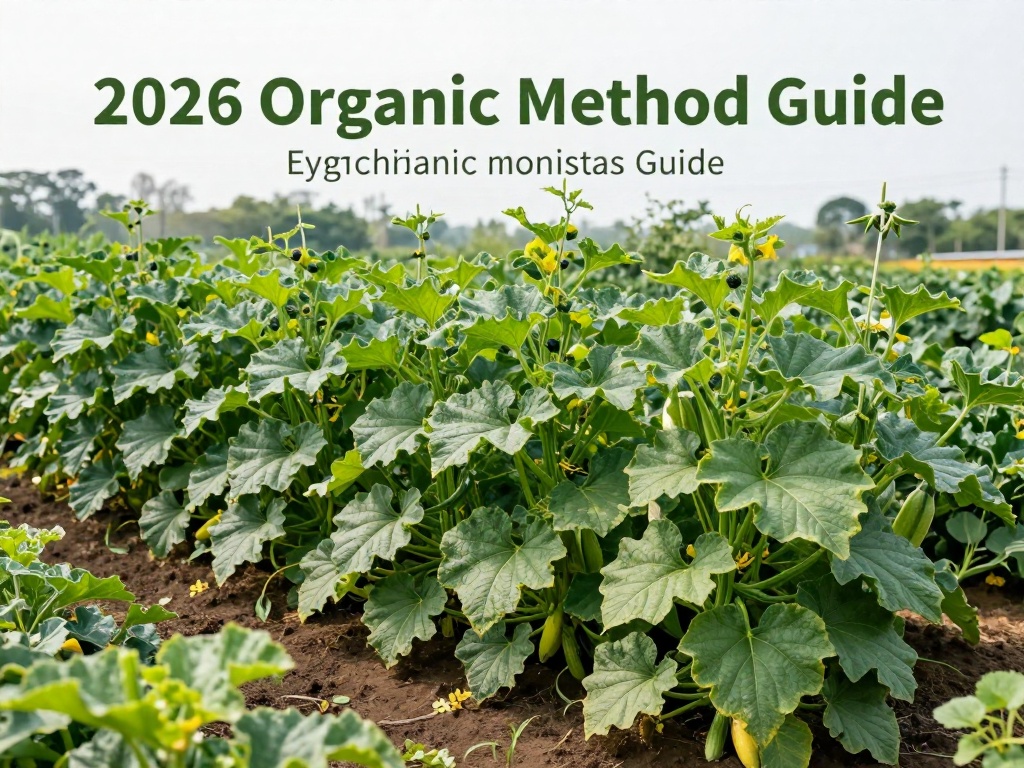
How to Grow Zucchini Vertically: 2026 Organic Method Guide
Growing zucchini vertically using organic methods transforms how you cultivate this prolific summer squash. Whether you have a small balcony, limited garden space, or simply want a more organized vegetable patch, vertical zucchini gardening offers remarkable advantages. This comprehensive 2026 guide walks you through every step of the process, from selecting the right varieties to harvesting your first bountiful crop—all without synthetic chemicals.
Why Choose Vertical Gardening for Zucchini
Zucchini plants naturally sprawl across the ground, often consuming 3-4 square feet per plant. Vertical gardening reorganizes this growth pattern, directing vines upward instead of outward. The organic method emphasizes soil health, natural pest management, and sustainable practices that benefit both your harvest and the environment.
Key Benefits of Vertical Zucchini Gardening
- Space efficiency: Reduce ground footprint by up to 75%, perfect for containers, small backyards, and urban gardens
- Better air circulation: Reduces fungal diseases common in zucchini, especially powdery mildew
- Easier harvesting: Fruits hang visibly and within comfortable reach
- Cleaner produce: Zucchini grows straight without soil contact or deformities
- Organic pest management: Elevated growing simplifies inspection and natural intervention
- Soil health preservation: Concentrated growing area allows targeted organic amendments
Choosing the Right Zucchini Varieties for Vertical Growth
Not all zucchini varieties adapt equally well to vertical gardening. For best results in your organic setup, select compact or semi-compact varieties with shorter vines and smaller fruits.
Best Zucchini Varieties for Vertical Gardening
- Black Beauty: Classic variety, compact bush habit, produces 6-8 inch fruits
- Round8: Naturally round fruits perfect for vertical support
- Costata Romanesco: Italian heirloom with distinctive ribbing, excellent flavor
- Patio Star: Bred specifically for containers and small space gardening
- Raven: Dark green zucchini, compact plants, heavy yields
- Golden Zucchini: Yellow variety adds visual interest, similar growth habit
Materials and Setup for Organic Vertical Gardening
Creating an effective vertical gardening system requires sturdy support structures and organic-compatible materials. Planning your setup before planting ensures success throughout the growing season.
Support Structures for Zucchini
- Trellis netting: Natural jute or hemp netting provides excellent grip for climbing vines
- Wire cage: Construct from concrete reinforcing wire for permanent installations
- A-frame trellis: Sturdy option for supporting multiple plants
- Livestock panel: Heavy-duty galvanized panels arched over planting rows
- Pole and string system: Simple vertical support using wooden stakes and natural twine
Container Selection for Growing Zucchini in Containers
If you're growing in containers on a patio or balcony, choose vessels that accommodate root development. Zucchini needs at least 5-gallon containers, though 10-gallon pots produce significantly better results. Ensure containers have adequate drainage holes to prevent root rot in your organic system.
Step by Step: Planting Zucchini Vertically
Follow this organic method for establishing healthy zucchini plants that will climb successfully throughout the season.
Preparing Organic Soil Mix
Create a rich, well-draining organic growing medium by combining:
- Two parts quality compost (certified organic if available)
- One part perlite or coarse sand for drainage
- One part aged garden soil or coconut coir for moisture retention
- Half cup organic bone meal per cubic foot of mix
- Half cup organic kelp meal for micronutrients
Planting Process for Beginners
- Timing: Plant after last frost when soil reaches 65°F (18°C)
- Location: Position where vines receive 6-8 hours of direct sunlight daily
- Seed starting: Direct sow seeds 1 inch deep, or start transplants 3 weeks earlier indoors
- Spacing: Plant 2-3 seeds per support station, later thinning to strongest seedling
- Initial training: Gently secure emerging vines to support structure with soft plant ties
- Mulching: Apply 2-3 inches of organic straw mulch around base to retain moisture
Organic Care and Maintenance
Maintaining your vertical zucchini garden using organic methods requires consistent attention to soil nutrition, watering practices, and natural pest prevention.
Watering Guidelines for Maximum Yield
Zucchini requires consistent moisture, especially when growing vertically. Water deeply at the base of plants, avoiding wetting foliage. Drip irrigation systems work exceptionally well for vertical organic gardens, delivering water directly to root zones while conserving resources.
- Foliage: 1-2 inches of water weekly, adjusting for rainfall
- Container plants: Check daily during hot weather; containers dry faster than ground beds
- Mulch maintenance: Refresh organic mulch monthly to maintain 3-inch depth
Feeding Your Organic Zucchini Plants
Vertical growing concentrates plants in smaller areas, increasing nutrient demand. Support vigorous growth with regular organic feeding:
- Compost tea: Apply every 2 weeks during active growth
- Fish emulsion: Monthly application provides nitrogen for leafy growth
- Organic calcium: Prevents blossom end rot, common in container-grown zucchini
- Epsom salt: Quarterly application supports fruit development
Natural Pest Management
Organic pest control protects beneficial insects while managing common zucchini threats. Monitor plants regularly for early intervention.
- Squash vine borers: Wrap stem bases with aluminum foil or row covers; inject affected stems with Bt solution
- Squash bugs: Hand-pick egg clusters from leaf undersides; diatomaceous earth barriers
- Aphids: Spray with neem oil solution; introduce ladybugs as predators
- Powdery mildew: Improve air circulation; apply milk spray or baking soda solution
- Cucumber beetles: Yellow sticky traps; row covers during flowering
Common Mistakes to Avoid in Zucchini Vertical Gardening
New gardeners often encounter challenges when transitioning zucchini to vertical growing. Understanding these pitfalls helps you avoid disappointing results.
Beginner Errors and Solutions
- Insufficient support: Zucchini fruits can weigh 2-4 pounds; structures must bear significant weight
- Poor variety selection: Standard sprawling varieties struggle with vertical training
- Overwatering: Vertical containers drain faster but roots dry quickly—balance is essential
- Neglecting pollination: Hand-pollinate flowers when bee activity is low for guaranteed fruit set
- Ignoring companion planting: Strategic plant neighbors deter pests naturally
Harvesting Your Vertical Zucchini Crop
Proper harvesting techniques encourage continued production throughout the season, maximizing your organic yield.
Harvesting Tips for Optimal Results
- Timing: Harvest when fruits reach 6-8 inches for best texture and flavor
- Technique: Cut fruits with sharp pruners, leaving 1-inch stem attached
- Frequency: Check plants daily during peak production; zucchini grows rapidly
- Overripening: Large, seedy fruits signal harvest delays; remove promptly to encourage new flowers
- Storage: Refrigerate unwashed in crisper drawer for up to one week
Frequently Asked Questions
What is the best time of year to start vertical zucchini gardening?
Start seeds indoors 3-4 weeks before your last expected frost date, or direct sow after soil temperatures reach 65°F (18°C). In most USDA zones, this means late spring planting. Growing zones 3-4 should wait until late May or early June, while zones 7-10 can begin as early as March.
How much does it cost to set up an organic vertical zucchini garden?
A basic setup costs $30-75 for supports, containers, and organic soil amendments. DIY trellis systems using bamboo poles and natural twine run $20-40, while commercial growing kits range $50-150. Ongoing costs include organic fertilizers ($15-30 annually) and seeds ($3-8 per variety). The investment pays for itself after your first substantial harvest.
How long until I see results from vertical zucchini gardening?
Zucchini reaches maturity 45-65 days after planting, depending on variety. Most gardeners harvest first fruits 6-8 weeks after transplanting seedlings outdoors. Vertical growing may accelerate initial production by 1-2 weeks due to improved air circulation and light exposure. Expect peak yields 60-90 days after planting.
What are the most common beginner mistakes in organic zucchini growing?
Overwatering causes root rot and fungal issues. Planting too early in cold soil stunts growth. Failing to hand-pollinate results in dropped flowers without fruit development. Ignoring early pest signs allows infestations to establish. Harvesting too late produces seedy, tough fruits that reduce plant productivity.
Can I grow zucchini vertically in containers on my apartment balcony?
Absolutely! Container growing suits apartment gardeners perfectly. Use 10-gallon containers minimum, position in full sun, and select compact varieties like Patio Star or Black Beauty. Vertical supports should attach securely to balcony railings. Morning sun and afternoon shade work well in hot climates. Organic container gardening produces excellent results with consistent watering and feeding.
What effort is required for maintaining a vertical zucchini garden organically?
Plan for 15-30 minutes of weekly attention during peak season. Tasks include checking soil moisture, inspecting for pests, applying organic fertilizer every 2-3 weeks, and training vines to supports. Daily visits of 5 minutes during harvest season ensure optimal fruit picking. Container gardens require slightly more attention than ground plantings.
Which companion plants work best with vertical zucchini?
Strategic companion planting enhances your organic garden's health. Plant nasturtiums as trap crops for aphids. Surround zucchini with marigolds to deter squash beetles. Interplant with radishes for ground cover and natural pest confusing. Beans fix nitrogen benefiting heavy-feeding zucchini. Avoid planting potatoes nearby, as they compete for nutrients and attract similar pests.
Vertical zucchini gardening using organic methods rewards patient gardeners with abundant harvests from minimal space. This sustainable approach connects you with traditional growing wisdom while adapting techniques for modern living. Start small, learn continuously, and enjoy the journey from seed to harvest.
No comments