
How to Master Basil Organic Gardening on Balcony in 2026
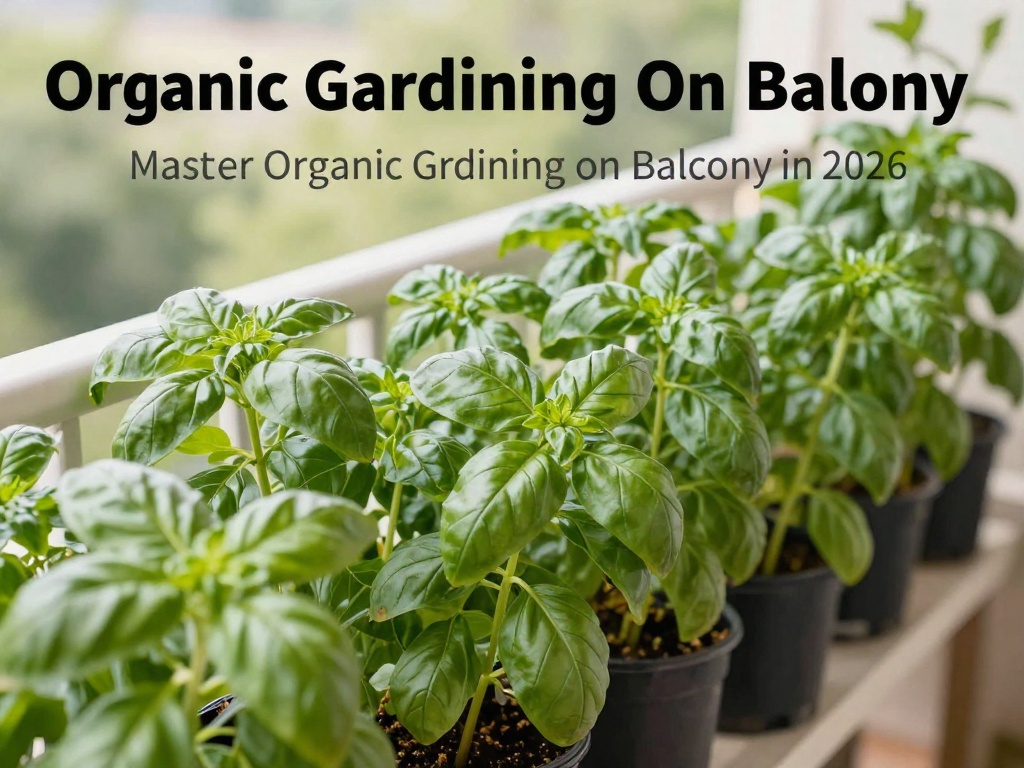
How to Master Basil Organic Gardening on Balcony in 2026
Basil organic gardening on balcony spaces has become one of the most rewarding pursuits for urban dwellers seeking fresh herbs without compromising their lifestyle. Whether you have a sprawling terrace or a modest fire escape, growing basil organically in containers offers endless possibilities for culinary creativity and sustainable living. This comprehensive guide will walk you through every essential step to cultivate thriving basil plants using completely natural methods.
Why Choose Organic Basil for Your Balcony Garden
Growing basil organically on your balcony goes beyond simply having fresh herbs at your fingertips. Organic cultivation ensures that your plants are free from synthetic pesticides and fertilizers, resulting in healthier and more flavorful leaves for your kitchen creations. Additionally, balcony basil gardening contributes to improved air quality and provides a calming green aesthetic to urban living spaces.
The beauty of organic basil gardening lies in its accessibility. Even if you are new to gardening, basil adapts remarkably well to container growing, making it the perfect starting point for beginners. With proper care and attention, a single balcony can yield enough basil to supply your kitchen throughout the growing season.
Essential Materials for Starting Your Balcony Basil Garden
Choosing the Right Containers
Selecting appropriate containers is crucial for successful basil organic gardening on balcony spaces. Choose pots with adequate drainage holes to prevent waterlogging, as basil roots are susceptible to root rot when exposed to standing water. Terra cotta and fabric grow bags work exceptionally well because they allow for proper air circulation around the root system.
Your containers should be at least 6-8 inches deep to accommodate basil's extensive root system. For maximum yield, opt for containers that are 12 inches or wider, allowing you to plant multiple basil seedlings with sufficient spacing between them.
Selecting Organic Soil and Growing Medium
The foundation of any organic gardening venture begins with quality soil. For basil organic gardening on balcony, use a premium organic potting mix that contains aged compost, coco coir, and perlite. This combination ensures excellent drainage while retaining enough moisture for consistent hydration.
Avoid using garden soil from the ground, as it may contain pests, diseases, or chemical residues that contradict organic principles. Instead, invest in certified organic potting soil from reputable suppliers or create your own blend using composted materials.
Gathering Essential Organic Amendments
Stock up on natural amendments to feed your basil throughout the growing season. Organic compost, worm castings, and fish emulsion provide balanced nutrition without introducing harmful chemicals. These amendments support beneficial soil microorganisms that help plants absorb nutrients more efficiently.
Step-by-Step Planting Process for Balcony Basil
Timing Your Planting for Success
In 2026, understanding regional frost dates remains essential for timing your basil planting. Basil is highly sensitive to cold temperatures and should only be planted outdoors after all danger of frost has passed. For most regions, this means waiting until late spring or early summer when nighttime temperatures consistently stay above 50°F (10°C).
If you want a head start, begin seeds indoors 6-8 weeks before the last expected frost date, then transplant seedlings to your balcony containers once conditions are favorable.
Planting Techniques for Thriving Basil
Fill your containers with the organic potting mix, leaving approximately one inch of space below the rim. If planting from seeds, scatter them lightly across the surface and cover with a thin layer of soil—approximately 1/4 inch deep. Gently firm the soil and water thoroughly until moisture drains from the bottom holes.
For nursery seedlings, create a small depression in the center of your container and carefully transplant the root ball. Ensure the soil level matches the level of the original seedling pot, being careful not to bury the stem too deeply, as this can cause rotting.
Proper Spacing Guidelines
Proper spacing is essential for healthy basil growth in container gardening. Space seedlings or thin germinated seeds to approximately 6-12 inches apart, depending on the basil variety. Compact varieties like Greek basil can be planted closer together, while larger varieties like Genovese basil require more room to flourish.
Optimal Growing Conditions for Balcony Basil
Understanding Sunlight Requirements
Basil thrives in full sun conditions, requiring at least 6-8 hours of direct sunlight daily for optimal growth and flavor development. Position your containers on the sunniest part of your balcony, preferably facing south or west to capture maximum light exposure throughout the day.
If your balcony receives less than ideal sunlight, consider using reflective surfaces like white walls or mirrors to bounce additional light onto your plants. Alternatively, supplement natural light with full-spectrum grow lights designed for indoor herb gardening.
Temperature and Climate Considerations
Basil performs best in warm conditions between 70-90°F (21-32°C). During hot summer months, monitor your plants for signs of heat stress, which may include wilting or yellowing leaves. Move containers to slightly shaded areas during extreme heat waves to prevent sun scorch and excessive moisture evaporation.
Conversely, if nighttime temperatures drop below 50°F (10°C), consider bringing containers indoors or covering them with protective row covers to maintain consistent growing conditions.
Natural Watering Techniques for Organic Basil
Establishing a Watering Schedule
Consistent moisture is key to successful basil organic gardening on balcony. Water your plants deeply whenever the top inch of soil feels dry to the touch, typically every 2-3 days during warm weather. Early morning watering allows leaves to dry throughout the day, reducing the risk of fungal diseases.
Containers tend to dry out faster than ground soil, so pay close attention during hot, windy days when evaporation rates increase significantly.
Proper Drainage and Moisture Management
While basil needs consistent moisture, it absolutely cannot tolerate waterlogged conditions. Ensure your containers have functional drainage holes and consider placing saucers beneath pots to catch excess water without allowing roots to sit in standing liquid.
Applying a layer of organic mulch around the base of your basil plants helps retain soil moisture, regulate temperature, and suppress weed growth—all contributing to healthier plants.
Organic Fertilization Methods for Maximum Yield
Understanding Basil Nutritional Needs
Basil benefits from regular feeding throughout the growing season, particularly when grown in containers where nutrients deplete more quickly than in ground soil. Organic fertilizers provide slow-release nutrition that feeds plants gradually without burning delicate roots.
Applying Compost and Worm Castings
Top-dress your basil containers monthly with a thin layer of quality organic compost or worm castings. Simply sprinkle the material around the base of plants and gently work it into the top layer of soil. This method adds nutrients gradually and improves soil structure over time.
Using Liquid Organic Fertilizers
For an extra boost during active growth periods, apply diluted fish emulsion or seaweed extract every 2-3 weeks. These liquid fertilizers provide immediately available nutrients and contain beneficial trace minerals that support overall plant health. Always follow package directions carefully to avoid over-fertilization.
Natural Pest Control for Organic Basil
Identifying Common Basil Pests
Even in organic gardening, basil may encounter pests such as aphids, spider mites, whiteflies, and Japanese beetles. Regular inspection of leaves—both upper and lower surfaces—helps catch infestations early before they spread throughout your garden.
Organic Solutions for Pest Management
For aphids and whiteflies, a strong spray of water from a hose often dislodges these insects effectively. Neem oil spray serves as an excellent organic insecticide for more persistent problems, disrupting pest life cycles without harming beneficial insects when used according to directions.
Introducing companion plants like marigolds, nasturtiums, or borage near your basil containers naturally repels many common garden pests while attracting pollinators to your balcony space.
Preventing Fungal Diseases Naturally
Good air circulation and proper watering practices prevent most fungal issues in basil. Avoid wetting leaves when watering and space plants adequately to promote airflow. If powdery mildew or downy mildew appears, remove affected leaves immediately and apply a mixture of baking soda and water or a commercial organic fungicide containing copper or sulfur.
Harvesting Techniques for Continuous Growth
When and How to Harvest Basil
Proper harvesting techniques encourage bushier, more productive basil plants. Begin harvesting once your basil has developed at least 6-8 sets of true leaves, typically 4-6 weeks after planting. Never harvest more than one-third of the plant at once to avoid stressing the basil.
Pinch and Prune for Productivity
The secret to abundant basil lies in regular pruning. Pinch off or cut stems just above a set of leaves, which encourages the plant to produce two new branches from that point. This technique—known as pinching—results in compact, bushy plants that yield significantly more harvestable leaves throughout the season.
Remove any flower buds immediately upon appearance, as flowering signals the plant to stop leaf production and begin seed formation. Consistent harvesting and pinching keeps your basil productive well into autumn.
Extending Your Basil Harvest Season
Overwintering Strategies
With creative planning, you can extend your basil organic gardening on balcony well beyond the traditional growing season. Before the first frost, take cuttings from your healthiest plants and root them in water or moist soil. These cuttings can be grown indoors on a sunny windowsill throughout winter.
Succession Planting Tips
Start new basil plants every 4-6 weeks during the growing season to ensure continuous harvest. This succession planting approach guarantees fresh basil availability from early summer through late autumn, maximizing your balcony garden's productivity.
Common Mistakes to Avoid in Balcony Basil Gardening
Understanding typical pitfalls helps prevent frustration and plant loss. Avoid overwatering, which is the most common cause of basil death in container gardens. Equally damaging is underwatering during hot weather, which causes wilting and stress.
Never plant basil too deeply or crowd plants too closely together. Both errors restrict airflow and increase vulnerability to diseases. Additionally, avoid using non-organic fertilizers or pesticides, as these contradict the principles of organic gardening and may harm beneficial insects.
Frequently Asked Questions About Basil Organic Gardening
What are the easiest basil varieties to grow on a balcony?
Genovese basil, Sweet basil, and Greek basil are among the easiest varieties for balcony growing. These varieties adapt well to container life and produce abundant harvests with minimal maintenance. Compact varieties like Spicy Globe or Pistou are particularly suited to small balcony spaces due to their naturally bushy growth habit.
How often should I water basil grown in containers?
Container basil typically needs watering every 2-3 days during warm weather, but frequency depends on temperature, humidity, pot size, and soil composition. Check soil moisture by inserting your finger one inch deep—water when the soil feels dry at this depth. Always water thoroughly until moisture drains from the bottom of the container.
What is the best organic fertilizer for basil?
Quality organic compost, worm castings, fish emulsion, and seaweed extract are all excellent choices for feeding basil organically. Compost provides slow-release nutrition, while liquid fertilizers like fish emulsion offer quick nutrient availability during active growth periods. Apply compost as a top dressing monthly and liquid fertilizers every 2-3 weeks during the growing season.
How do I prevent basil from getting leggy?
Leggy basil results from insufficient light or lack of proper pruning. Ensure your plants receive at least 6-8 hours of direct sunlight daily. Additionally, pinch or harvest stems regularly from the top of the plant to encourage branching and bushier growth. Never allow your basil to grow tall without harvesting, as this promotes weak, stretched stems.
Can I grow basil organically on a north-facing balcony?
While basil prefers full sun, it can survive with 4-6 hours of indirect or filtered light on a north-facing balcony. Choose more shade-tolerant varieties and expect slower growth compared to sunnier locations. Consider supplementing with full-spectrum grow lights to compensate for limited natural light and improve overall plant health.
What companion plants work well with balcony basil?
Excellent companions for basil include tomatoes, peppers, oregano, and chives. Marigolds and nasturtiums planted nearby naturally deter pests while adding visual appeal to your balcony garden. Avoid planting basil near sage or rue, as these plants may compete for nutrients and inhibit basil growth.
How long does it take to grow basil from seed on a balcony?
Basil typically germinates within 5-10 days under optimal conditions and reaches harvestable size in approximately 4-6 weeks after germination. Patience is essential during the early growth stages. For faster results, start with nursery seedlings rather than seeds, giving you a 3-4 week head start on your harvest.
What is the expected cost of starting an organic balcony basil garden?
Starting a basic balcony basil garden costs approximately $30-60, including containers, organic potting soil, compost, and initial basil plants or seeds. Ongoing costs are minimal, primarily consisting of occasional organic amendments and compost top-ups. This initial investment provides months of fresh, organic basil harvests worth considerably more than store-bought alternatives.
No comments