
Zucchini Vertical Gardening Organic Method: 2026 Complete Guide
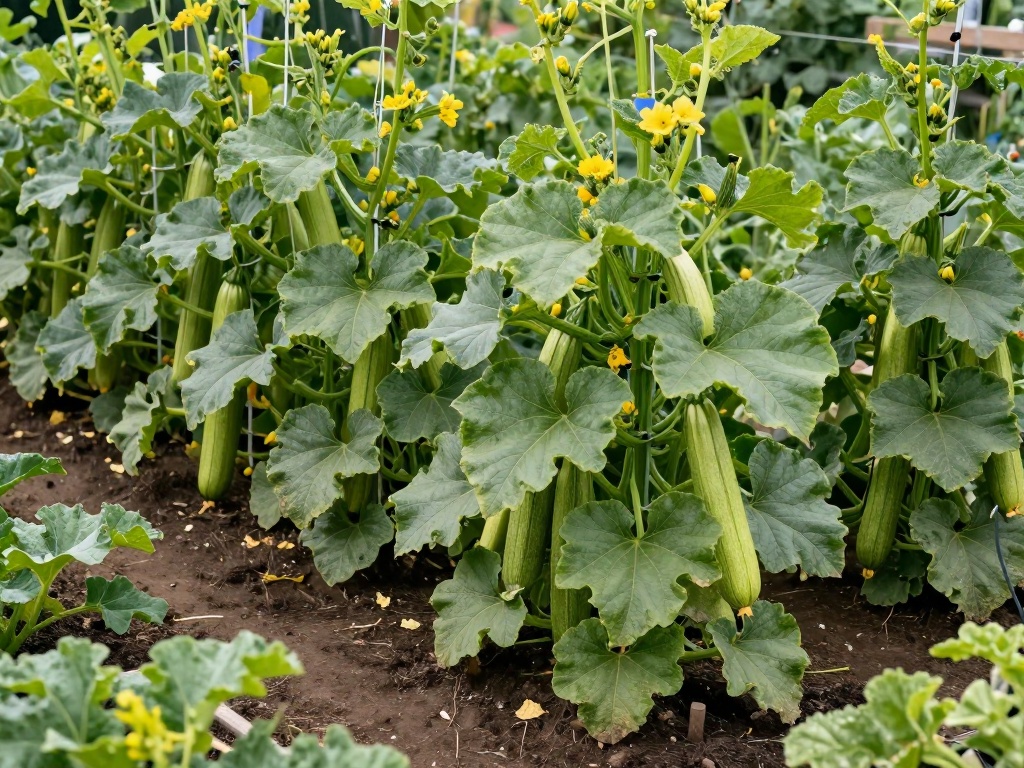
Zucchini Vertical Gardening Organic Method: 2026 Complete Guide
Growing zucchini vertically using organic methods transforms your garden space, increases yield, and makes harvesting easier than ever. This complete guide reveals professional techniques for cultivating healthy zucchini plants upward instead of outward, perfect for small spaces, containers, and raised beds. Whether you have a sprawling backyard or a modest balcony, vertical zucchini gardening opens new possibilities for fresh, organic produce.
Why Choose Vertical Zucchini Gardening in 2026
The interest in space-efficient vegetable gardening continues to grow as urban living spaces become smaller. Vertical zucchini gardening offers remarkable advantages that traditional ground planting cannot match. Understanding these benefits helps you decide if this method suits your garden goals.
Space Efficiency Benefits
Traditional zucchini plants spread across 3-4 feet of garden bed, consuming valuable real estate that could house multiple crops. Growing vertically redirects growth upward, requiring only 2-3 square feet of ground space per plant. This approach produces identical or superior yields while freeing space for companion plants or additional vegetables. Urban gardeners with limited balconies, patios, or small yards discover that vertical methods make fresh zucchini genuinely achievable.
Improved Air Circulation and Disease Prevention
Zucchini plants grown on supports enjoy significantly better airflow around foliage and fruit. This natural ventilation reduces fungal disease occurrences, particularly problematic conditions like powdery mildew that plague horizontal growth. Organic gardeners appreciate this method because it minimizes the need for intervention, allowing natural resistance to develop. The elevation also keeps developing fruit off damp soil, preventing rot and pest damage.
Easier Harvesting and Maintenance
Harvesting from vertical zucchini plants eliminates the frustration of searching beneath large leaves for hidden fruits. Standing at comfortable height means quicker picking and reduced back strain. Pruning, inspecting for pests, and applying organic treatments become simple tasks rather than wrestling with sprawling foliage. Gardeners report harvesting more frequently when plants grow vertically, resulting in better-shaped fruit and extended production windows.
Best Zucchini Varieties for Vertical Growing
Not all zucchini varieties adapt equally well to vertical gardening. Selecting appropriate cultivars determines your success more than any other factor. Compact bush varieties and smaller-fruited types perform best when grown upward.
Compact Bush Varieties
- Patio Star: Specifically bred for container and vertical growing, producing compact plants with excellent yield
- Raven: Dark green zucchini on semi-compact bush, tolerates slightly crowded conditions
- Eight Ball: Round fruit variety perfect for small-space vertical gardens, matures quickly
- Geode: Unique round-to-oval shape, ideal for container vertical systems
Climbing Zucchini Types
True climbing zucchini varieties exist that naturally produce tendrils and grip supports. These varieties require less tying and training than standard types. 'Tromboncino' and 'Zephyr' demonstrate excellent vertical adaptation, growing vigorously upward when given proper support structures. These types often show greater disease resistance and longer production periods compared to bush varieties.
Essential Support Structures for Zucchini Vertical Gardening
Proper support infrastructure forms the foundation of successful vertical zucchini cultivation. Your support system must withstand significant weight as plants mature and fruit develops. Selecting the right structure depends on your available space, budget, and aesthetic preferences.
Trellis Systems
Heavy-duty garden trellises provide reliable vertical support for zucchini plants. Look for structures rated for at least 50 pounds of weight capacity, as mature zucchini plants with fruit can exceed this threshold. A-frame trellises offer exceptional stability while allowing easy access from both sides. Livestock panels and welded wire fencing attached to sturdy posts create effective and economical vertical growing spaces.
Cattle Panel Arches
Bending cattle panels into arch shapes creates spectacular tunnel growing environments perfect for zucchini. These structures support plants on both sides while providing an attractive garden feature. The arch shape distributes weight efficiently and allows comfortable walking access beneath. Position arch entrances where you can easily reach plants for maintenance and harvesting.
Container and Raised Bed Vertical Combinations
Combining containers with vertical supports expands growing options for deck and patio gardeners. Five-gallon buckets or fabric grow bags placed against sturdy trellising create mobile vertical gardens. This approach works exceptionally well in raised beds, where trellis posts can anchor directly into bed frames. The organic method shines in these controlled environments, allowing precise soil management and drainage control.
Step-by-Step Organic Method for Vertical Zucchini Success
Step 1: Preparing Organic Growing Medium
Successful organic vertical zucchini gardening begins with rich, well-draining soil. Mix equal parts quality compost, aged manure, and perlite or coarse sand for optimal drainage. Add blood meal for nitrogen support during vegetative growth, along with kelp meal for micronutrients and slow-release potassium. The growing medium should hold moisture while allowing excess water to escape, preventing root rot issues that plague container-grown plants.
Step 2: Planting and Initial Support Installation
Install your support structure before planting to avoid damaging developing roots. Position transplants or direct sow seeds at the base of your support, spacing plants 24-36 inches apart along trellis lines. For container growing, use at least 15-gallon containers filled with prepared organic medium. Water thoroughly after planting and apply a thick organic mulch layer to retain moisture and suppress weeds.
Step 3: Training Young Plants Upward
Begin training zucchini stems toward supports when plants reach 12-18 inches in height. Gently bend main stems toward trellis openings and loosely secure with soft plant ties or strips of cloth. Avoid constricting stems as they expand. For climbing varieties, the plant often grips supports naturally with minimal assistance. Guide wandering stems back toward support areas rather than allowing horizontal sprawl.
Step 4: Implementing Organic Pest Management
Organic pest control remains essential for healthy vertical zucchini gardens. Common organic solutions include neem oil spray for aphids and cucumber beetles, diatomaceous earth around container bases for crawling insects, and introducing beneficial insects like ladybugs for aphid control. Inspect plants regularly, checking leaf undersides where pests congregate. Early detection prevents infestations from overwhelming your vertical garden.
Step 5: Pollination and Fruit Development
Zucchini requires proper pollination for fruit development, and vertical growing sometimes reduces pollinator access. Hand pollination ensures reliable fruiting by transferring pollen from male flowers to female flowers using a small brush or cotton swab. Identify female flowers by the small fruit visible behind the bloom; male flowers grow on straight stems. Performing hand pollination during early morning hours produces best results.
Watering and Feeding Organic Vertical Zucchini
Efficient Watering Techniques
Vertical zucchini plants often require more frequent watering than ground-planted equivalents because containers and elevated positions dry faster. Implement drip irrigation or soaker hoses at the base of plants for consistent moisture delivery. Water deeply when the top 2 inches of soil feel dry, typically every 2-3 days during warm weather. Consistent moisture prevents blossom end rot and supports even fruit development.
Organic Feeding Schedule
Feed vertical zucchini plants with organic fertilizers every 2-3 weeks during active growth. Compost tea provides excellent nutrition, supplying beneficial microorganisms alongside essential nutrients. Fish emulsion offers quick nitrogen availability for vigorous vine growth. Switch to lower-nitrogen organic fertilizers once flowering begins, focusing on potassium and phosphorus for fruit development. Overfeeding nitrogen produces lush foliage at the expense of fruit production.
Common Mistakes to Avoid in Vertical Zucchini Gardening
Understanding typical errors saves time and frustration when establishing your vertical zucchini garden. These mistakes often cause beginner failures but remain easily preventable with proper knowledge.
- Underestimating support weight: Zucchini plants and fruit become surprisingly heavy; always choose structures rated higher than your expected load
- Poor soil drainage: Container plants especially suffer from waterlogged conditions; ensure adequate drainage holes and coarse potting mix
- Neglecting pollination: Vertical growing can reduce pollinator visits; monitor fruit set and hand-pollinate if necessary
- Overcrowding containers: One zucchini plant per container works best; resist planting multiple specimens hoping for better yield
- Delayed harvesting: Zucchini matures rapidly; check plants daily during peak production to harvest at optimal size
Harvesting Your Vertical Zucchini Garden
Harvest timing significantly impacts both flavor and continued production. Pick zucchini when fruits reach 6-8 inches in length for best texture and sweetness. Larger fruit becomes seedy and can halt further production as the plant directs energy toward seed development. Use sharp pruners or a knife to cut fruit from stems, leaving a small stem portion attached.
Regular harvesting encourages continued flowering and fruiting throughout the season. Vertical plants make this task effortless compared to ground-grown specimens. Expect each healthy vertical plant to produce 5-10 pounds of zucchini over a growing season, depending on variety and growing conditions.
Extending Your Growing Season Organically
Organic methods effectively extend the vertical zucchini growing season in both spring and fall. Row covers protect young plants from late frosts while allowing light and water penetration. In autumn, floating row covers trap residual warmth and extend harvest by several weeks. Cold-tolerant varieties like 'Duncan' and certain heirloom types tolerate light frosts when protected.
Frequently Asked Questions
How much sun do vertical zucchini plants need?
Zucchini requires full sun exposure, meaning at least 6-8 hours of direct sunlight daily for maximum production. South-facing locations work best in northern climates. While plants tolerate partial shade, expect reduced yields and slower growth. Vertical positioning allows you to optimize sun exposure by moving containers or choosing planting locations strategically.
What is the best time to start vertical zucchini gardening?
Start seeds indoors 3-4 weeks before your last expected frost date, or direct sow outdoors once soil temperatures reach 60°F (15°C). In most regions, late spring planting produces optimal results. Fall planting works in areas with extended warm seasons, giving plants time to mature before first frost arrives.
How much does vertical zucchini gardening cost compared to traditional methods?
Initial costs run higher than traditional ground planting due to support structures and containers. Basic setups begin around $30-50, while comprehensive systems with quality containers and trellising may cost $100-200. However, long-term savings emerge through increased yield per square foot, reduced pest control expenses, and the ability to grow in otherwise unusable spaces.
How long until harvest after planting?
Most zucchini varieties produce harvestable fruit within 45-60 days from transplant or 60-70 days from direct seeding. Compact varieties often produce slightly faster than standard types. Hand pollination can accelerate early fruiting by ensuring successful fruit set during the critical first flowering period.
Can beginners successfully grow zucchini vertically?
Absolutely! Vertical zucchini gardening suits determined beginners who follow basic organic gardening principles. The key lies in selecting appropriate compact varieties, providing sturdy support, and maintaining consistent watering and feeding schedules. Container growing offers forgiving conditions for learning, as soil quality and drainage remain completely within your control.
What are the biggest differences between vertical and horizontal zucchini growing?
Vertical growing requires initial infrastructure investment and slightly more attentive watering due to faster container drying. However, it rewards gardeners with easier maintenance, cleaner fruit, better air circulation, and dramatically improved space efficiency. Harvesting becomes more enjoyable, pest monitoring simplifies, and plants often produce longer into the season due to reduced disease pressure.
Vertical zucchini gardening organic method transforms limited spaces into productive growing areas. This 2026 approach combines traditional wisdom with modern space-saving techniques, creating sustainable gardens that produce abundant harvests. Start your vertical journey today and discover how upward growing revolutionizes home vegetable production.
No comments