
Herb Organic Gardening in Hot Climate: 2026 Complete Guide
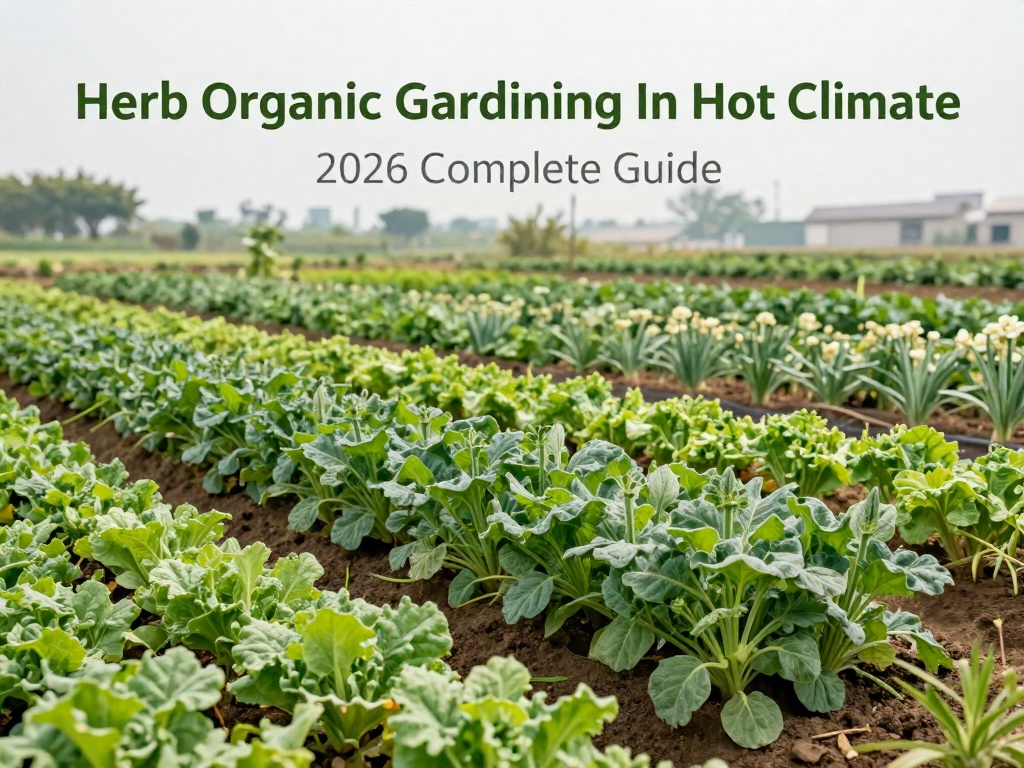
Herb Organic Gardening in Hot Climate: 2026 Complete Guide
Herb organic gardening in hot climate presents unique challenges and rewarding opportunities for growers willing to adapt their techniques. With proper strategies, you can cultivate a thriving herb garden even when temperatures soar. This comprehensive guide provides step-by-step instructions for beginners and experienced gardeners looking to maximize their harvest in warm, sunny environments. Understanding your local climate patterns will help you select the right herbs and timing for optimal growth.
Understanding Hot Climate Challenges for Herb Gardening
Hot climates create specific stressors that affect herb growth differently than moderate temperatures do. High heat accelerates water evaporation from soil and plant leaves, requiring more frequent irrigation schedules. Many Mediterranean herbs evolved in warm, dry conditions and actually thrive with proper care in hot environments. However, some tender herbs struggle when temperatures exceed their comfort zones consistently.
Temperature Thresholds for Common Herbs
Most culinary herbs perform best when daytime temperatures range between 70-85°F (21-29°C). Above 90°F (32°C), many herbs begin showing stress signs including wilting, leaf scorch, and bolt-to-seed behavior. Heat-tolerant varieties can survive temperatures up to 100°F (38°C) with adequate moisture and partial afternoon shade. Understanding these thresholds helps you plan appropriate placement and timing for your organic herb garden.
Humidity Considerations in Warm Regions
High humidity combined with heat creates fungal disease risks that dry-climate gardeners rarely encounter. Poor air circulation around dense plantings exacerbates these problems significantly. Morning watering allows foliage to dry before evening, reducing bacterial and fungal growth opportunities. Choosing drought-resistant herbs with silver or fuzzy leaves naturally repels excess moisture issues.
Best Herbs for Hot Climate Organic Gardening
Selecting heat-adapted varieties forms the foundation of successful herb organic gardening in hot climate conditions. Native and Mediterranean species often demonstrate superior tolerance to warmth and occasional drought stress. These robust herbs provide abundant harvests while requiring less intervention from the organic gardener.
Top Heat-Tolerant Culinary Herbs
- Rosemary – Thrives in zones 7-10, tolerates poor soil and drought once established
- Oregano – Mediterranean native that flourishes in full sun and heat
- Thyme – Low-growing herb perfect for containers in small spaces
- Mexican Oregano – Superior heat tolerance compared to standard varieties
- Greek Sage – Hardy perennial surviving temperatures above 90°F
- Lemongrass – Tropical grass thriving in humid heat when given adequate water
- Holy Basil (Tulsi) – Embraces warmth and rewards with abundant aromatic leaves
- Epazote – Traditional Mexican herb native to hot regions
Herbs Requiring Careful Placement
Some popular herbs need protection during peak summer heat despite overall warmth tolerance. Cilantro bolts quickly in temperatures above 75°F, making it better suited for spring and fall growing in hot climates. Parsley performs adequately with morning sun and afternoon protection from intense rays. Consider these sensitive varieties for container gardens that can be moved seasonally for maximum yield.
Soil Preparation for Hot Climate Herb Gardens
Proper soil composition directly impacts water retention and root health in warm-weather herb cultivation. Sandy, well-draining mixes prevent root rot while maintaining enough moisture for healthy growth. Organic amendments improve soil structure and provide slow-release nutrition throughout the growing season.
Creating Optimal Growing Medium for Organic Herb Gardening
Mix equal parts quality compost, coarse sand, and perlite for excellent drainage in raised beds or containers. Add aged manure or fish emulsion for nitrogen boost without burning tender roots. Incorporate perlite at 20% volume to ensure adequate air circulation around developing root systems. This mixture balances moisture retention against drainage requirements perfectly for herb organic gardening in hot climate conditions.
Container Gardening Benefits in Warm Regions
Containers offer mobility advantages, allowing you to relocate herbs during extreme heat waves or seasons. Terracotta and unglazed clay pots provide natural cooling through evaporation but require more frequent watering. Self-watering containers reduce maintenance while maintaining consistent soil moisture levels for busy gardeners. Choose containers with adequate drainage holes to prevent waterlogging that damages herb roots.
Watering Techniques for Maximum Herb Health
Water management determines success or failure more than any other factor in hot climate herb cultivation. Deep, infrequent watering encourages roots to seek moisture deeply, creating more drought-resilient plants. Shallow frequent watering produces weak root systems unable to withstand heat stress between irrigation sessions.
Drip Irrigation Systems for Organic Herb Gardens
Drip systems deliver water directly to root zones, minimizing waste through evaporation or runoff. Emitter spacing of 12-18 inches along drip lines provides even coverage for raised bed plantings. Timer programming should adjust seasonally, increasing frequency during peak summer heat. This automated approach ensures consistent moisture even during vacation periods for maximum yield.
Morning Watering Best Practices
Water between 6-9 AM to allow foliage drying before afternoon heat peaks and fungal growth begins. Apply water slowly and deeply, soaking the root zone thoroughly rather than sprinkling lightly. Mulch with 2-3 inches of organic material like straw or wood chips to retain moisture longer. Check soil moisture before watering by inserting your finger 2 inches deep—water only when dry.
Strategic Shade and Timing Methods
Managing sunlight exposure protects sensitive herbs while maximizing photosynthesis for heat-tolerant varieties. Afternoon shade structures reduce heat buildup without completely blocking essential morning light. Timing your planting schedule around seasonal temperature patterns maximizes growing success.
Implementing Shade Cloth Solutions
40-50% shade cloth reduces ambient temperatures by 10-15 degrees during scorching summer afternoons. Install cloth on the west or south-facing side where afternoon sun intensity peaks most dramatically. Temporary shade structures allow removal during cooler months for year-round production. This simple addition extends productive growing seasons for tender herbs significantly.
Seasonal Planting Calendar for Hot Climates
Fall planting takes advantage of cooling temperatures for cool-season herbs like cilantro and parsley. Spring succession planting ensures continuous harvests before summer heat arrives. Summer focuses on heat-loving varieties while protected tender herbs in partial shade. This rotation strategy maintains productivity throughout the year in warm climate regions.
Organic Pest and Disease Management
Hot conditions encourage rapid pest populations that require vigilant organic management strategies. Prevention through cultural practices reduces intervention needs while supporting beneficial insect populations. Understanding common regional threats helps you identify problems quickly for effective organic treatment.
Heat-Adapted Pest Challenges
Spider mites thrive in hot, dry conditions and reproduce rapidly on herb foliage stressed by heat. Aphids cluster on new growth and tender stems, spreading diseases between plants quickly. Whiteflies congregate beneath leaves, extracting plant sap and weakening specimens over time. Regular inspection and early intervention prevent minor issues from becoming serious infestations.
Natural Prevention and Treatment Options
Neem oil spray provides broad-spectrum organic control against most common herb pests in warm gardens. Insecticidal soap targets soft-bodied insects while remaining safe for beneficial pollinators. Companion planting with marigolds, basil, and garlic naturally repels many problematic insects. Strong-smelling herbs like rosemary and sage deter pests when planted throughout the garden strategically.
Harvesting and Preserving Herbs in Hot Weather
Proper harvesting techniques encourage bushier growth and extend productive lifespans of your herb plants. Morning harvest captures peak essential oil concentration before heat reduces aromatic compounds. Preservation methods capture abundant summer harvests for year-round culinary use.
Optimal Harvest Timing and Techniques
Harvest herbs just before flowering for maximum flavor concentration in leaves and stems. Cut no more than one-third of plant growth at once to maintain healthy production. Regular harvesting prevents seed formation and encourages continuous leaf production throughout seasons. Use sharp, clean pruners to make clean cuts that heal quickly in warm conditions.
Preservation Methods for Long-Term Storage
Drying works excellently for rosemary, thyme, and oregano in hot, low-humidity climates naturally. Air-dry bundled herbs in shaded, well-ventilated areas away from direct sunlight exposure. Freezing preserves delicate herbs like basil and cilantro that don't dry well successfully. Olive oil herb cubes provide convenient flavor boosters for cooking throughout winter months.
Frequently Asked Questions
What are the easiest herbs to grow organically in hot climates?
Rosemary, oregano, thyme, and Mexican oregano represent the easiest options for beginners starting herb organic gardening in hot climate regions. These drought-tolerant varieties require minimal intervention while providing abundant harvests throughout growing seasons. Plant them in well-draining soil with full sun exposure for best results consistently.
How often should I water my organic herb garden during summer heat?
Most herbs need watering every 2-3 days during extreme heat, with container plants potentially requiring daily attention. Deep watering that soaks the root zone thoroughly outperforms shallow frequent sprinkling significantly. Adjust frequencies based on rainfall, humidity levels, and specific plant needs in your garden.
Can I grow basil successfully in very hot climates?
Yes, but standard basil varieties require afternoon shade and consistent moisture to prevent bolting. Greek columnar basil and African blue basil demonstrate superior heat tolerance compared to sweet basil cultivars. Plant in late spring for summer harvest or late summer for fall production when temperatures moderate slightly.
What common mistakes should hot climate herb gardeners avoid?
Avoid overwatering, which causes root rot in herbs adapted to drier conditions. Don't plant sensitive herbs during peak summer heat—spring and fall timing works better. Skip synthetic fertilizers that burn plants in hot weather; use organic compost instead. Never crowd plants, as poor air circulation promotes fungal diseases in humid conditions.
How much time and cost does starting an organic herb garden require?
Starting a basic container herb garden costs approximately $30-60 for pots, soil, and initial plants or seeds. Weekly maintenance requires 30-60 minutes for watering, inspecting, and harvesting activities. Raised beds increase costs to $100-300 but offer better drainage and long-term productivity benefits.
When can I expect to harvest usable herbs from my garden?
Fast-growing herbs like basil and cilantro provide harvests within 4-6 weeks after planting seedlings. Woody perennials like rosemary take 2-3 months to establish productive growth for regular harvesting. Container herbs typically produce faster than garden-planted specimens due to concentrated growing medium. Continuous harvesting encourages regrowth and extends productive periods significantly.
Should I use mulch in hot climate herb gardens?
Yes, organic mulch provides multiple benefits for herb organic gardening in hot climate conditions. Mulch regulates soil temperature, reduces water evaporation, and suppresses competitive weeds naturally. Apply 2-3 inches of straw, wood chips, or shredded leaves around herb bases. Keep mulch one inch away from plant stems to prevent rotting issues.
How do I know if my herbs are getting too much heat stress?
Visible symptoms include wilting despite adequate water, brown leaf edges or tips, and yellowing foliage. Flowers forming rapidly (bolting) indicates plants redirecting energy to reproduction due to stress. Leaf drop and stunted new growth suggest serious heat damage requiring immediate intervention. Move affected plants to partial shade and increase watering frequency promptly.
No comments