
Zucchini Vertical Gardening Organic Method: 2026 Complete Guide
Zucchini Vertical Gardening Organic Method: 2026 Complete Guide
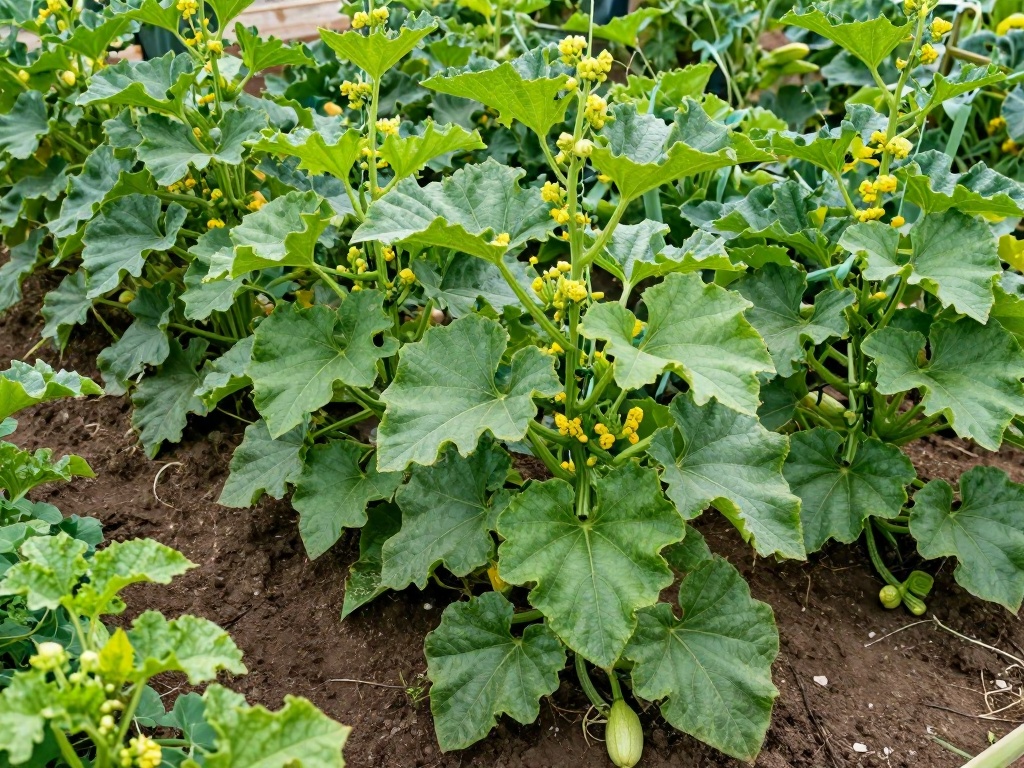
Growing zucchini vertically using organic methods transforms how you garden in small spaces. This comprehensive 2026 guide reveals proven techniques for cultivating healthy zucchini plants upward instead of outward, maximizing your harvest while minimizing garden footprint. Whether you have a tiny balcony, limited backyard space, or simply want to reduce disease issues, vertical organic zucchini gardening offers remarkable benefits for every grower.
Why Choose Vertical Gardening for Zucchini
Traditional zucchini plants sprawl across 3-4 feet of garden space, consuming valuable real estate that could house other vegetables. The organic vertical approach redirects growth upward, freeing ground space while improving air circulation around foliage. This natural method significantly reduces fungal disease pressure, a common problem when zucchini leaves stay wet from ground contact.
Space Efficiency Benefits
Vertical zucchini gardening enables you to grow this prolific vegetable in containers, on patios, or in raised beds where traditional planting fails. A single vertical plant produces the same harvest as a sprawled specimen occupying triple the footprint. Urban gardeners, apartment dwellers, and those with physical limitations find vertical growing particularly advantageous.
Disease Prevention Through Air Circulation
Organic gardening emphasizes prevention over chemical intervention. When zucchini vines climb upward, leaves dry faster after morning dew and rainfall. Powdery mildew, bacterial wilt, and other moisture-related diseases struggle to establish. This natural advantage aligns perfectly with organic growing principles that avoid synthetic fungicides.
Essential Materials for Organic Vertical Zucchini Growing
Successful vertical gardening requires proper support structures and organic-compatible materials. Selecting appropriate trellises, containers, and soil amendments sets the foundation for thriving plants throughout the growing season.
Choosing the Right Trellis System
A-frame trellises, cattle panel arches, and sturdy tomato cages all serve vertical zucchini well. The structure must support 15-25 pounds when mature vines carry heavy fruits. Position trellises in north-south orientation to ensure even sunlight exposure on both vine sides. Secure posts at least 18 inches deep for wind stability.
Organic Soil Mix Requirements
Zucchini demands rich, well-draining soil with ample organic matter. Create a mix combining equal parts aged compost, coconut coir for moisture retention, and perlite for drainage. This organic foundation provides slow-release nutrients while supporting beneficial soil microorganisms essential for plant health.
Step-by-Step Planting Process
Starting Seeds Organically
Begin seeds indoors 3-4 weeks before your last frost date, using organic seed-starting mix in biodegradable pots. Sow seeds 1 inch deep, maintaining soil temperature of 70-75°F for optimal germination within 5-7 days. Harden seedlings gradually over 7-10 days before transplanting to prevent transplant shock.
Transplanting to Vertical Containers
Transplant seedlings when they develop 2-3 true leaves and soil temperatures reach 60°F minimum. Space plants 24-36 inches apart along your trellis base. Water deeply after planting, then apply 2-3 inches of organic mulch like straw or shredded leaves to conserve moisture and suppress weeds naturally.
Training Zucchini Vines Vertically
Young zucchini vines require gentle guidance to climb rather than sprawl. Begin training when plants reach 12-18 inches tall, using soft garden ties to secure main stems loosely to support structures.
Pruning for Productivity
Remove lower leaves touching soil to improve air circulation. Pinch growing tips once vines reach trellis tops, encouraging lateral branching that produces more flowering sites. Remove any yellowing leaves promptly to redirect energy toward fruit development. This organic pruning approach maintains plant vigor throughout summer.
Supporting Developing Fruits
Zucchini fruits become heavy and may stress vine attachment points. Create fruit hammocks from old pantyhose, mesh bags, or fabric strips to cradle developing squash. Tie supports loosely to the main trellis, allowing room for growth while preventing breakage from their substantial weight.
Organic Pest and Disease Management
Organic methods rely on prevention, companion planting, and natural interventions when problems arise. Healthy vertical plants resist most common zucchini threats when grown under proper conditions.
Preventing Common Pests Naturally
Squash vine borers, cucumber beetles, and squash bugs plague zucchini gardens nationwide. Plant nasturtiums, radishes, and marigolds nearby as companion plants that deter these pests organically. Inspect plants daily during peak season, removing egg clusters from leaf undersides and picking visible pests by hand into soapy water.
Addressing Powdery Mildew Organically
Even vertical plants occasionally face powdery mildew during humid weather. Mix 1 tablespoon baking soda with 1 gallon water and a few drops of liquid soap, spraying affected foliage weekly. This organic solution alters leaf surface pH, creating conditions hostile to fungal growth while remaining safe for beneficial insects.
Organic Feeding Schedule
Heavy-feeding zucchini requires regular organic nutrition to sustain abundant production. Implement a feeding program using compost tea, fish emulsion, and organic granular fertilizers throughout the growing season.
Compost Tea Application
Brew aerated compost tea for 24-48 hours using quality finished compost. Apply diluted tea (1:10 ratio) every 2-3 weeks directly to soil around plant bases. This liquid fertilizer feeds soil microorganisms while providing immediately available nutrients to plant roots.
Side Dressing with Aged Compost
Mid-season, apply 2-3 inches of aged compost around each plant's base without touching stems directly. This organic side-dressing provides slow-release nutrition as rain and watering carry nutrients toward root zones. Supplement with fish emulsion monthly for potassium-rich blooms and fruit development.
Harvesting Your Vertical Zucchini
Regular harvesting encourages continued production throughout summer. Check plants every 1-2 days once fruiting begins, as zucchini grows rapidly in warm weather.
Optimal Harvest Timing
Harvest zucchini when fruits reach 6-8 inches long for best texture and flavor. Larger fruits become seedy and watery, reducing culinary quality. Cut fruits cleanly from vines using sharp pruners, leaving a small stem attached. Harvesting regularly signals plants to continue producing more flowers and fruits.
Extending the Harvest Season
After initial heavy production, apply compost tea and trim exhausted vines to stimulate renewed growth. In regions with extended growing seasons, succession planting new seedlings in midsummer ensures continuous harvest into fall. Vertical growing makes succession management straightforward with dedicated container space.
Overwintering and Season Extension
In zones with mild winters, prepare established vertical plants for dormancy by ceasing fertilizer, reducing water, and adding thick organic mulch around roots. For season extension, cover plants with row covers or cold frames when frost threatens, protecting productive vines for additional harvests.
Frequently Asked Questions
What are the best zucchini varieties for vertical gardening?
Compact bush varieties like 'Patio Star,' 'Eight Ball,' and 'Raven' perform exceptionally well on trellises. These cultivars produce shorter vines with concentrated fruiting, making them ideal for vertical organic growing. Climbing types such as 'Trombocino' naturally twine and climb enthusiastically.
How much space do I need for vertical zucchini growing?
Vertical zucchini requires only 2-3 feet of ground space compared to 4-6 feet for traditional growing. A single plant climbs a 5-6 foot trellis while occupying minimal width. This makes vertical growing perfect for balconies, patios, and small garden plots.
When should I start vertical zucchini plants in 2026?
Start seeds indoors 4-6 weeks before your last expected frost, typically 2-3 weeks after the last frost date for transplanting. Soil temperatures must reach 60°F minimum for successful transplanting. In mild climates, direct sowing outdoors succeeds when soil warms adequately.
What does organic vertical zucchini growing cost compared to traditional methods?
Initial investment runs $30-80 for trellis materials, organic soil amendments, and seeds. However, organic vertical growing eliminates ongoing fertilizer and pesticide costs. One vertical plant produces $40-60 worth of organic zucchini, providing excellent return on your gardening investment.
How long until I harvest my first zucchini?
Most zucchini varieties produce harvestable fruit within 45-55 days from transplanting. Vertical growing sometimes accelerates initial harvest slightly due to improved air circulation and reduced disease stress. Expect consistent production once flowering begins, with fruits maturing rapidly during warm weather.
What common mistakes should beginners avoid?
Avoid using weak support structures that collapse under mature plant weight. Never let soil completely dry out between waterings, as inconsistent moisture causes blossom end rot and fruit deformities. Refrain from over-fertilizing with nitrogen, which promotes leafy growth at the expense of fruit production. Start with quality organic soil rather than trying to amend poor native soil.
No comments