
Zucchini Vertical Gardening: 2026 Organic Method for Small Spaces
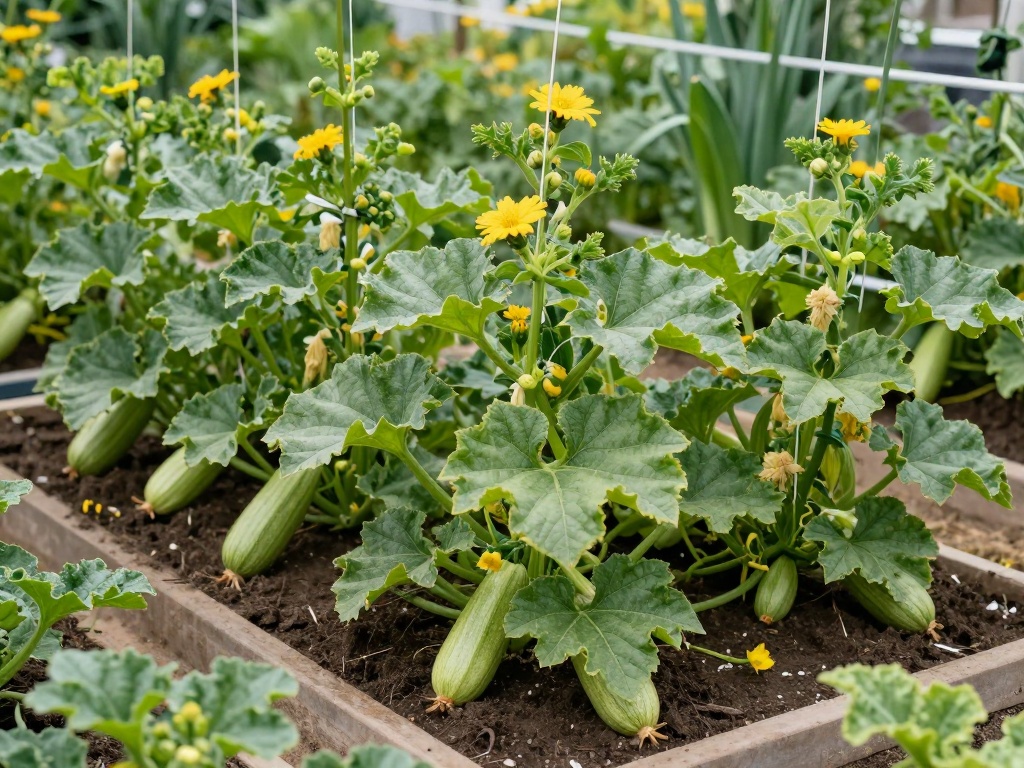
Zucchini Vertical Gardening: 2026 Organic Method for Small Spaces
Growing zucchinis vertically transforms any small garden into a productive vegetable patch. This 2026 organic method delivers impressive yields while keeping your plants healthy and your garden organized. Whether you have a tiny balcony, limited backyard space, or simply want to maximize your garden's potential, vertical zucchini cultivation offers the perfect solution for modern gardeners seeking fresh, chemical-free produce.
Why Choose Vertical Gardening for Zucchinis
Traditional zucchini plants sprawl across the ground, demanding significant horizontal space that many gardeners simply do not have. The zucchini vertical gardening organic method trains these vigorous plants to grow upward, dramatically reducing their footprint while improving air circulation and making harvest easier than ever before.
Vertical growth also minimizes common soil-borne diseases that plague ground-hugging plants, resulting in healthier foliage and more abundant fruit production throughout the growing season.
Benefits of Going Vertical
- Save up to 80% garden space while maintaining full production
- Improved air circulation reduces fungal disease risk
- Easier harvesting with fruits visible at eye level
- Cleaner produce without soil contact
- Better pest management through elevation
- Reduced moisture-related rot and mildew issues
Essential Supplies for Organic Vertical Zucchini Growing
Before beginning your vertical gardening journey, gather these organic-compatible materials to ensure your zucchini vertical gardening organic method succeeds from planting through harvest.
Choosing the Right Support Structure
Zucchini fruits can weigh between 0.5 to 2 pounds when mature, requiring sturdy support systems capable of handling significant weight. Options include reinforced tomato cages standing at least 36 inches tall, custom-built wooden trellises with horizontal support beams, heavy-duty cattle panels arched into tunnels, or commercial vertical gardening towers with built-in climbing grids.
Organic Soil Preparation
Zucchinis are heavy feeders demanding nutrient-rich growing medium. Create an organic soil blend combining aged compost, coconut coir for moisture retention, perlite for drainage, and worm castings for natural fertility. Aim for a pH between 6.0 and 7.0, testing and adjusting with natural amendments like agricultural lime or sulfur as needed before planting.
Step-by-Step Zucchini Vertical Gardening Organic Method
Step 1: Selecting Organic Zucchini Varieties
Not all zucchini varieties adapt equally well to vertical growing. Compact bush varieties offer the best results for vertical gardening in small spaces, requiring minimal training compared to sprawling vining types. Top organic seed selections include Black Beauty for classic dark-green fruits, Golden Zucchini for visual appeal and mild flavor, Round 8 Ball for unique spherical fruits, and Costata Romanesco for gourmet Italian-style harvests.
Step 2: Preparing Your Growing Container
For container gardening or raised bed gardening applications, select containers at least 18 inches deep and wide to accommodate robust root systems. Drill additional drainage holes if needed, then fill with your organic soil blend leaving 2 inches below the container rim to allow for deep watering.
Step 3: Planting Your Organic Zucchini
Plant seeds or transplants after all frost danger passes and soil temperatures reach 60°F minimum. Sow seeds 1 inch deep, placing 2-3 seeds per support structure base. Space plants 24-36 inches apart along trellis lines if growing multiple specimens. Water thoroughly after planting and maintain consistent moisture without waterlogging.
Step 4: Training Vines Upward
Gentle training begins when seedlings reach 6-8 inches tall. Guide the main stem toward your support structure, loosely securing with soft plant ties, fabric strips, or twist ties every 12 inches as growth progresses. Avoid constricting stems as they expand, allowing flexibility for natural movement while providing necessary support against wind and fruit weight.
Step 5: Managing Side Shoots
Prune side shoots developing from leaf nodes to direct energy toward vertical growth and fruit production. Remove lower leaves touching the ground to improve air circulation. Maintain 4-6 healthy leaves on the main stem at all times for continued photosynthesis and plant vigor throughout the growing season.
Step 6: Supporting Developing Fruit
As zucchinis develop, provide additional support using cloth slings, mesh bags, or dedicated fruit hammocks secured to your trellis structure. Check supports regularly, adjusting as fruits grow larger. Harvest when fruits reach 6-8 inches for optimal tenderness and flavor, continuing production for extended harvests.
Organic Care Requirements for Maximum Yield
Watering Practices
Zucchinis require consistent moisture, approximately 1-2 inches weekly through rainfall or supplemental irrigation. Water deeply at soil level during morning hours, avoiding foliage wetness that encourages powdery mildew. Apply organic mulch 3-4 inches deep around plant bases to retain moisture, suppress weeds, and maintain even soil temperatures throughout the season.
Organic Fertilization Schedule
Feed your vertically grown zucchinis every 2-3 weeks using organic fertilizers like fish emulsion, seaweed extract, or compost tea. Side-dress plants with additional compost monthly, scratching it gently into the soil surface. Watch for signs of nutrient deficiency including yellowing leaves indicating nitrogen needs or purple-tinged foliage suggesting phosphorus deficiency, adjusting your organic feeding regimen accordingly.
Pest Management the Organic Way
Common zucchini pests including squash bugs, cucumber beetles, and squash vine borers respond well to organic control methods. Hand-pick visible pests daily, apply neem oil spray for persistent infestations, and introduce beneficial insects like ladybugs and lacewings to your garden ecosystem. Floating row covers applied immediately after planting provide physical barriers against flying pests while allowing light and water penetration.
Common Mistakes to Avoid
- Insufficient support: Underestimating fruit weight leads to collapsed structures and broken vines mid-season
- Overwatering: Soggy soil promotes root rot and invites fungal diseases in vertically grown plants
- Harvesting too late: Mature zucchinis become seedy and halt further production; harvest frequently at 6-8 inches
- Skipping pollination: Hand-pollinate flowers when bee activity is low to ensure fruit set
- Ignoring leaf pruning: Overcrowded foliage creates humid microclimates perfect for disease development
Seasonal Timeline for Zucchini Vertical Gardening
Follow this 2026 organic method calendar to synchronize your vertical zucchini growing with optimal seasonal conditions for maximum success.
- Early Spring (6-8 weeks before last frost): Start seeds indoors under grow lights or purchase organic transplants
- Late Spring (2 weeks after last frost): Transplant seedlings outdoors, install support structures
- Early Summer: Begin training vines, apply first organic fertilizer application
- Mid-Summer: Harvest begins, continue regular watering and feeding schedule
- Late Summer: Peak production period, harvest every 2-3 days for continuous yield
- Fall: Production slows, allow final fruits to mature for seed saving if desired
Harvesting Your Vertical Zucchini
Proper harvesting technique ensures continued production throughout the season. Use sharp pruners or a knife to cut fruits from stems, leaving a 1-inch stem portion attached. Harvest every 2-3 days during peak production, as zucchinis grow remarkably fast in warm weather, sometimes reaching harvestable size overnight. Store harvested fruits in the refrigerator for up to one week, or preserve excess through freezing, pickling, or creative cooking preparations.
Results You Can Expect
Using this zucchini vertical gardening organic method, a single healthy plant typically produces 5-10 pounds of fruit per season, sometimes significantly more under ideal conditions. Vertical growing does not diminish yields; instead, it concentrates production into an organized, manageable space that fits easily into urban gardens, patios, and small backyard plots where traditional sprawling cultivation would be impossible.
Frequently Asked Questions
What is the best month to start vertical zucchini gardening?
The optimal planting window is 2-3 weeks after your area's last expected frost when soil reaches 60°F minimum. In most temperate regions, this falls between late April and mid-June. Starting seeds indoors 4-6 weeks before transplanting gives plants a head start on the growing season and accelerates your first harvest.
How much time does organic vertical zucchini gardening require weekly?
Expect to invest approximately 2-4 hours weekly for a thriving vertical zucchini garden. This includes watering, checking supports, light pruning, pest inspection, and regular harvesting. The good news is that vertical growing actually reduces overall maintenance time compared to ground cultivation since you spend less time bending, weeding, and dealing with ground-level problems.
What common mistakes destroy vertical zucchini growing success?
The most critical errors include installing weak support structures that collapse under fruit weight, overwatering that causes root rot, harvesting too late when fruits become oversized and seedy, and failing to pollinate flowers during low bee activity periods. Additionally, neglecting to secure vines properly results in broken stems and lost production mid-season.
How expensive is starting an organic vertical zucchini garden?
Starting costs range from $15-50 depending on your setup. Basic expenses include organic seeds ($3-6), a quality support structure ($10-25 if purchased, less if DIY), organic soil amendments ($5-15), and optional containers ($10-20). This represents excellent value considering a single plant produces $20-50 worth of organic produce at market prices.
How long until I see harvestable results?
From seed to harvest typically requires 45-65 days depending on variety and growing conditions. Transplants reduce this timeline by 2-3 weeks. Once harvesting begins, expect continuous production for 4-8 weeks per plant, with peak yields occurring during warm summer months when the organic method truly demonstrates its productivity advantages.
Can beginners successfully grow zucchinis vertically without prior gardening experience?
Absolutely! Zucchinis are remarkably forgiving vegetables perfect for beginners learning vertical gardening techniques. The key is starting with a sturdy support system, maintaining consistent moisture, and harvesting frequently to encourage continued production. Following this zucchini vertical gardening organic method step-by-step virtually guarantees success, even in your first growing season.
No comments