
Zucchini Vertical Gardening Organic Method: 2026 Complete Guide
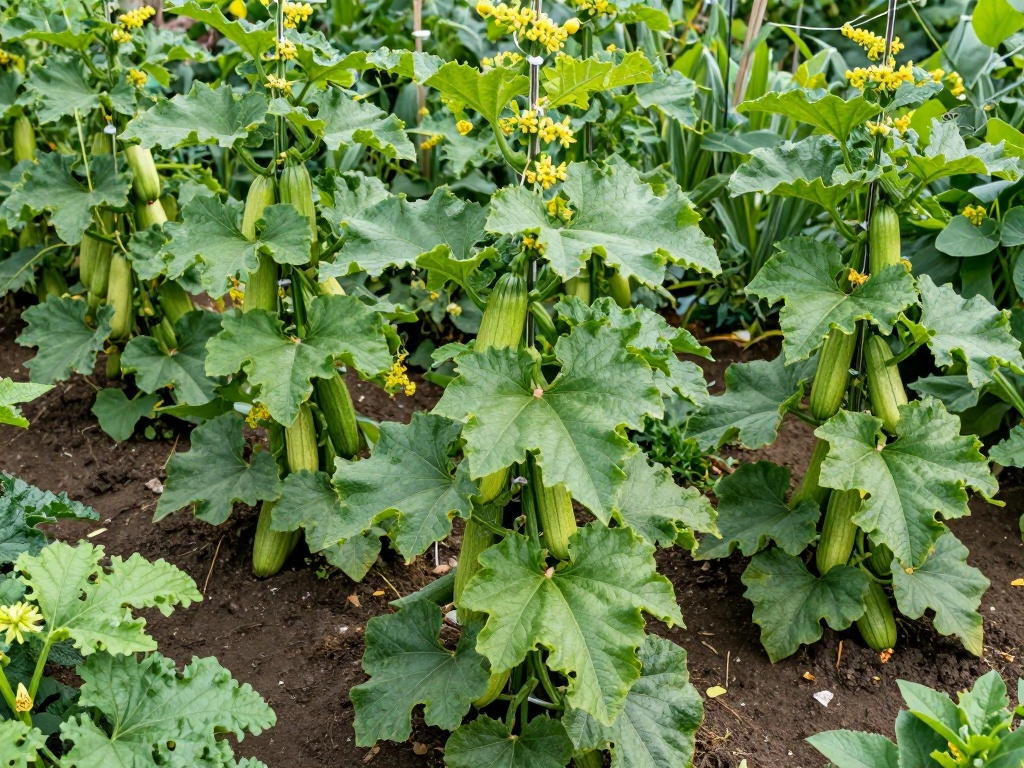
Zucchini Vertical Gardening Organic Method: 2026 Complete Guide
Growing zucchini vertically using organic methods has revolutionized how home gardeners approach this prolific summer squash. Whether you have a small backyard, limited garden space, or simply want to maximize your harvest, vertical zucchini gardening offers an efficient and sustainable solution. This comprehensive guide covers everything you need to know about implementing an organic approach to vertical zucchini cultivation in 2026.
Why Choose Vertical Zucchini Gardening?
Traditional zucchini plants sprawl across the garden, often requiring 3-4 feet of horizontal space per plant. This creates challenges for urban gardeners and those working with raised beds or containers. Vertical gardening addresses these limitations while offering numerous additional benefits that make it an attractive option for modern growers.
Space Efficiency and Higher Yields
Vertical zucchini gardening allows you to grow plants in confined spaces where horizontal growth would be impossible. A single plant trained vertically on a trellis or support structure can produce the same harvest as a sprawling bush, freeing up valuable garden real estate for other crops. This method is particularly valuable for apartment dwellers, those with patios, or anyone seeking to optimize small-space gardening.
Improved Air Circulation and Disease Prevention
When zucchini plants grow vertically, air circulates more freely around the foliage and fruit. This natural ventilation reduces humidity around the leaves, significantly decreasing the likelihood of common fungal diseases like powdery mildew, downy mildew, and bacterial wilt. Organic gardeners particularly benefit from this aspect, as it reduces the need for intervention.
Easier Harvesting and Maintenance
Fruit growing on vertical plants is more visible and accessible, making harvest time quicker and more enjoyable. Standing upright while picking eliminates the strain of bending and reaching into dense foliage. Regular inspection becomes effortless, allowing you to spot pests or harvesting needs before they become problems.
Choosing the Right Zucchini Varieties for Vertical Growing
Not all zucchini varieties perform equally well when grown vertically. Selecting appropriate cultivars forms the foundation of successful vertical zucchini gardening using organic methods. Modern breeding has produced several varieties particularly suited to vertical culture, each with distinct characteristics worth considering.
Compact Bush Varieties
Compact bush varieties naturally produce shorter vines and are ideal for smaller support structures. 'Black Beauty' remains popular for its dark green fruits and reliable production. 'Raven' offers early maturity and disease resistance. 'Bush Baby' is specifically bred for container and vertical growing, producing compact plants that adapt exceptionally well to training.
Semi-Vining Varieties
Semi-vining zucchini varieties strike an excellent balance between compact growth and productive yields. 'Golden Bush Scallop' produces distinctive yellow fruits on manageable plants. 'Costata Romanesco' features beautiful ribbed fruits and excellent flavor while responding well to vertical training. These varieties typically require minimal support compared to true vining types.
Trellis-Friendly Selections for 2026
Modern zucchini varieties released in recent years have been specifically developed with vertical gardening in mind. Look for varieties described as "compact habit" or "space-saving" when shopping for seeds. These modern cultivars typically feature stronger stems, better fruit attachment, and improved disease resistance—all valuable traits for vertical organic gardeners.
Building Your Vertical Support System
A sturdy, well-designed support structure forms the backbone of successful vertical zucchini gardening. The organic method emphasizes using sustainable, non-toxic materials that will safely support the weight of mature plants laden with fruit. Planning your support system before planting ensures proper installation and prevents damage to developing roots.
Trellis Options for Zucchini
A-frame trellises provide excellent stability and allow easy access from both sides. Cattle panel trellises offer strong, rigid support ideal for heavier fruit loads. Tepee-style supports work well in raised beds and add visual interest to the garden. Each option has merits; the best choice depends on your available space, budget, and aesthetic preferences.
Container Considerations
When growing zucchini vertically in containers, select pots with adequate volume—at least 5 gallons per plant, with 7-10 gallons being preferable. Ensure containers have sufficient drainage holes and consider using light-colored containers in hot climates to prevent root overheating. Self-watering containers work exceptionally well for vertical zucchini culture.
Training and Support Techniques
Begin training your zucchini plant when seedlings develop their first true leaves. Gently tie the main stem to your support structure using soft garden ties, leaving room for stem expansion. Continue guiding growth upward as the plant develops, securing side shoots to prevent breakage. The goal is encouraging upward growth while maintaining plant health.
The Organic Method: Soil and Nutrition
Organic vertical zucchini gardening relies on building healthy, living soil that provides balanced nutrition throughout the growing season. This approach differs fundamentally from conventional methods, focusing on long-term soil health rather than quick fertilizer fixes. Understanding these principles helps you create optimal growing conditions for productive vertical zucchini plants.
Creating Organic Soil Mix
Begin with a high-quality organic potting mix or create your own blend using equal parts compost, aged bark, and perlite or coco coir. This mixture provides excellent drainage while retaining sufficient moisture and nutrients. Adding worm castings enriches the mix with beneficial microorganisms and gentle, slow-release nutrition that organic zucchini plants thrive on.
Compost and Compost Tea
Rich, finished compost forms the cornerstone of organic nutrition for vertical zucchini. Incorporate generous amounts into your planting holes or containers before planting. Regular applications of compost tea throughout the growing season provide additional beneficial microbes and nutrients. Brew compost tea using quality finished compost and apply every 2-3 weeks during active growth.
Organic Fertilization Schedule
Feed your vertical zucchini plants organically using a balanced approach. At planting, incorporate slow-release organic amendments like kelp meal and bone meal into your soil mix. Side-dress with compost monthly during the growing season. Foliar feeding with diluted fish emulsion or seaweed extract provides quick nutrition during peak production. This layered approach ensures consistent feeding without overwhelming plants.
Planting and Early Care
Proper planting technique sets the stage for vigorous vertical growth and abundant harvests. Timing, depth, and initial care all influence how well your zucchini adapts to vertical culture. Following organic best practices from the start creates strong, resilient plants capable of producing throughout the season.
When to Plant Zucchini Vertically
Zucchini requires warm soil and air temperatures to thrive. Wait until all danger of frost has passed and soil temperatures reach at least 60°F (15°C). In most regions, this means planting outdoors between late spring and early summer. Starting seeds indoors 3-4 weeks before the last expected frost can give your vertical garden a head start on the season.
Planting Steps for Vertical Success
Begin by hardening off seedlings gradually over 7-10 days. Prepare your container or planting area by filling with your organic soil mix. Create a hole slightly larger than the root ball. Remove seedlings carefully, disturbing roots as little as possible. Plant at the same depth as the original container, firming soil gently around the roots. Water thoroughly after planting to settle the soil and eliminate air pockets.
Early Training and Care
Within the first two weeks after planting, begin attaching your zucchini to its support structure. Use soft, flexible ties that won't damage the stem. Check ties regularly and loosen as the stem grows. Maintain consistent moisture during establishment, typically watering every 2-3 days depending on conditions. Mulching around the base helps retain moisture and suppress weeds in organic gardens.
Pest and Disease Management the Organic Way
Organic pest and disease management focuses on prevention, plant health, and natural solutions rather than synthetic chemicals. Understanding common threats to vertical zucchini allows you to intervene early and effectively while maintaining your organic commitment. Prevention remains the most effective strategy in vertical gardening systems.
Common Zucchini Pests
Squash bugs, cucumber beetles, and squash vine borers pose the greatest insect threats to vertical zucchini. Aphids occasionally appear, particularly on new growth. Inspect plants regularly, checking undersides of leaves and stems. Early detection prevents minor pest issues from becoming major infestations. Hand-picking larger pests and using physical barriers provides effective organic control.
Natural Prevention Strategies
Encourage beneficial insects by planting companion flowers like marigolds, nasturtiums, and dill near your vertical zucchini. These plants attract pollinators and predator insects that naturally control pest populations. Row covers placed over young plants provide physical protection from flying insects while remaining permeable to water and light. Remove covers when plants begin flowering to allow pollination.
Disease Prevention in Vertical Systems
Vertical growing naturally improves air circulation, reducing fungal disease pressure. Supplement this natural advantage by watering at soil level rather than overhead, keeping foliage dry. Remove any yellowing or diseased leaves promptly. If powdery mildew appears, apply organic remedies like neem oil or a baking soda solution. Maintaining plant vigor through proper nutrition and watering prevents most serious disease issues.
Pollination and Fruit Development
Successful fruit production requires proper pollination, which can be challenging when growing zucchini vertically away from natural pollinator populations. Understanding zucchini's flowering and pollination requirements helps you ensure adequate fruit set using organic methods. This knowledge proves particularly valuable in urban environments or during periods of low pollinator activity.
Understanding Zucchini Flowering
Zucchini plants produce separate male and female flowers on the same plant. Male flowers typically appear first, followed by female blooms identifiable by the small fruit behind the flower. Successful pollination transfers pollen from male to female flowers, enabling fruit development. Each female flower that receives adequate pollen can develop into a harvestable zucchini.
Hand Pollination for Success
Hand pollination guarantees adequate fruit set and is simple to perform. In the morning when flowers are fully open, identify a male flower and carefully remove its petals to expose the stamen. Gently transfer pollen by touching the stamen to the central pistil inside female flowers. Alternatively, use a small, soft artist's brush to collect pollen and apply it to female flowers. This organic method ensures reliable harvests even with limited natural pollinators.
Harvesting Your Vertical Zucchini
Harvesting at the proper time ensures optimal flavor and encourages continued production. Vertical zucchini is typically easier to spot and access than sprawling plants, making regular harvesting more convenient. Developing a harvesting routine keeps plants productive longer and prevents oversized, seedy fruit.
When to Harvest
Most zucchini varieties reach optimal harvest size at 6-8 inches long, typically within 45-55 days from planting. Fruit should feel firm and heavy for its size with shiny skin. Waiting too long results in oversized fruit with tough skin and seedy flesh. Checking plants daily during peak production ensures harvesting at ideal size and encourages continued flowering and fruiting.
Proper Harvesting Technique
Use a sharp knife or pruning shears to cut zucchini from the vine, leaving a small stem attached. Twisting or pulling can damage the plant and remaining fruit. Harvest in the morning when water content is highest for crispest texture. Handle fruit gently to prevent bruising, which accelerates deterioration. Store harvested zucchini in the refrigerator for up to a week.
Extending Production Season
Consistent harvesting encourages plants to continue producing throughout the season. Remove damaged or missed fruit promptly, as mature fruit signals the plant to slow production. Maintaining consistent watering, feeding, and pest management keeps plants vigorous. In mild climates, vertical zucchini may continue producing into fall with proper care.
Seasonal Timing and Regional Considerations
Successful vertical zucchini gardening requires timing activities appropriately for your specific climate and growing season. Adjusting the organic method to your regional conditions maximizes success and ensures thriving plants. Consider your local frost dates, temperature patterns, and growing season length when planning your vertical zucchini garden.
Cool Climate Adjustments
In cooler northern regions with shorter growing seasons, focus on early-maturing compact varieties. Starting seeds indoors extends your productive season significantly. Using season extenders like row covers or cold frames allows earlier planting and later harvest. Vertical growing near south-facing walls captures additional warmth in cool climates.
Warm Climate Adaptations
Gardeners in hot southern regions face different challenges, including heat stress and pest pressure. Plant early enough to complete most production before extreme summer heat arrives, or plant again in late summer for fall harvest. Afternoon shade and consistent moisture help plants cope with heat. Container growing allows moving plants to protected locations during the hottest periods.
2026 Growing Season Planning
Map out your growing season by noting average last spring frost and first fall frost dates in your area. Count backward 3-4 weeks from the last frost to determine indoor seed starting time. Plan for 45-60 days from transplant to first harvest. Keep detailed records of what works in your specific location to refine your approach year after year using this organic method.
Common Mistakes to Avoid
Understanding common pitfalls helps you avoid problems that can undermine your vertical zucchini gardening success. Many beginner mistakes are easily prevented with advance knowledge. Learning from these errors saves time, money, and frustration while improving your overall harvest.
Support Structure Failures
Insufficient support leads to plant damage and reduced yields. Support structures must handle not only plant weight but also the additional load of mature fruit. Using inadequate materials or improper installation causes failures at critical times. Invest in quality support from the beginning and install it before planting rather than adding it later.
Overwatering and Underwatering
Container-grown vertical zucchini requires consistent moisture but cannot tolerate waterlogging. Check soil moisture daily during hot weather by feeling the top inch of soil. Yellowing leaves often indicate overwatering, while wilting despite moist soil suggests root problems. Deep, thorough watering less frequently proves more effective than light, frequent irrigation.
Neglecting Pollination
Failing to ensure adequate pollination results in poor fruit set and frustrated expectations. Don't assume natural pollinators will handle the job, especially in urban areas or enclosed spaces. Learning simple hand pollination techniques guarantees consistent harvests regardless of local pollinator populations.
Cost and Effort Assessment
Understanding the investment required for vertical zucchini gardening helps you plan appropriately and set realistic expectations. While vertical growing involves some initial costs and ongoing effort, the rewards typically justify the investment. Comparing costs and returns helps you appreciate the value of this approach.
Startup Costs
Starting a vertical zucchini garden involves expenses for containers or raised beds, quality organic soil and amendments, support structures, and possibly seeds or seedlings. A basic setup might cost $30-50, while more elaborate systems could run $100 or more. However, these investments are reusable for multiple seasons and multiple crops.
Ongoing Investment
Annual costs include seeds or starts, compost and organic amendments, and potentially cover crops or mulch. Expect to spend a few hours weekly on maintenance, watering, and harvesting. This time investment increases during peak production but remains manageable for home gardeners.
Expected Returns
A well-managed vertical zucchini plant typically produces 5-10 pounds of fruit per season. At organic grocery store prices of $3-5 per pound, this represents $15-50 in harvest value per plant. Beyond monetary value, homegrown organic zucchini offers superior flavor, fresthiness, and the satisfaction of self-sufficiency.
Results Timeline: What to Expect When Growing Vertically
Understanding the typical timeline for vertical zucchini development helps you track progress and identify problems early. Each growth stage has specific requirements and indicators of success. Knowing what to expect at each phase guides your care and intervention.
First Two Weeks: Establishment
During the first two weeks after planting, your zucchini focuses on root establishment and initial vegetative growth. Seedlings may appear static above ground while roots develop below. Maintain consistent moisture and protect young plants from extreme conditions. This period sets the foundation for vigorous future growth.
Weeks 3-6: Vegetative Growth
Plants enter rapid vegetative growth, producing leaves and stems quickly. Begin training the main leader to your support structure during this phase. Side shoots emerge and require guidance. This period demands increased watering as plants use more moisture. Appearance of the first male flowers signals the upcoming transition to flowering.
Week 7 Onward: Flowering and Fruiting
Female flowers appear and fruit development begins in earnest. Hand pollination ensures adequate fruit set. Regular harvesting begins and continues throughout the remainder of the season. Plants reach mature size and peak production during this phase. Expect consistent harvests every 1-2 days during peak periods.
FAQ: Zucchini Vertical Gardening Organic Method
Can beginners successfully grow zucchini vertically using organic methods?
Yes, beginners can successfully grow zucchini vertically with organic methods. Start with compact varieties bred for container or vertical growing, use quality organic soil, and follow basic watering and feeding schedules. The vertical system actually simplifies many aspects of zucchini care, making it an excellent choice for first-time organic gardeners.
What are the most common mistakes when vertical zucchini gardening organically?
Common mistakes include using inadequate support structures, overwatering, neglecting pollination, planting too early in cold soil, and failing to harvest regularly. Avoiding these pitfalls significantly increases your chances of success. Start with healthy transplants and quality organic materials to minimize problems from the beginning.
When is the best time to plant zucchini for vertical growing?
The optimal planting time depends on your climate. Generally, plant outdoors 2-3 weeks after the last expected frost when soil temperatures reach 60°F (15°C). In most temperate regions, this falls between late spring and early summer. Starting seeds indoors 3-4 weeks before transplanting gives plants a productive head start.
How much does vertical zucchini gardening cost compared to traditional growing?
Initial setup costs range from $30-150 depending on materials chosen. However, vertical growing often produces higher yields per square foot, improving your return on investment. Container growing allows growing in spaces where traditional gardening would be impossible, adding value beyond monetary considerations.
How long until harvest when growing zucchini vertically?
Most zucchini varieties reach harvest size 45-55 days after transplanting, or 60-70 days from direct seeding. Compact bush varieties tend to mature slightly faster than standard varieties. Once harvesting begins, continue for 4-8 weeks depending on variety and growing conditions. Regular harvesting encourages continued production.
What organic pest control works best for vertical zucchini?
Prevention through good cultural practices remains the most effective organic pest control. Encourage beneficial insects with companion plantings, use row covers on young plants, and inspect regularly for early detection. When intervention is needed, options include hand-picking, insecticidal soap, neem oil, and introducing beneficial insects like ladybugs. Maintaining plant health through proper nutrition and watering prevents most serious pest problems.
No comments