
Zucchini Vertical Gardening Organic Method: 2026 Grower's Guide
Zucchini Vertical Gardening Organic Method: 2026 Grower's Guide
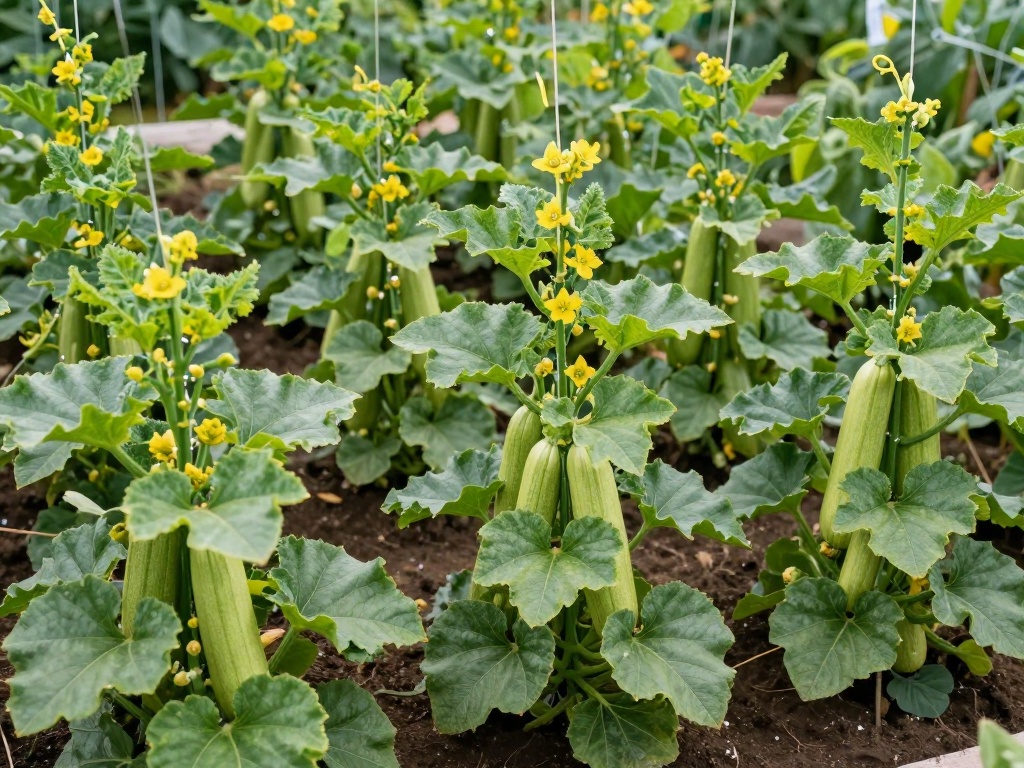
Vertical gardening has revolutionized how we grow squash in limited spaces, and the organic method ensures you get the healthiest, most flavorful zucchinis without synthetic chemicals. This comprehensive 2026 grower's guide walks you through every step of growing zucchinis vertically using completely natural approaches. Whether you have a small balcony, raised beds, or a spacious backyard, mastering vertical zucchini cultivation can triple your harvest while saving valuable garden space.
Why Choose Vertical Gardening for Zucchini
Traditional zucchini plants sprawl across 3-4 feet of garden real estate, but vertical growing transforms this space-hungry vegetable into a manageable container or trellis crop. Growing zucchinis upward improves air circulation, reduces fungal diseases, and makes harvesting effortless. The organic method focuses on building healthy soil biology and using natural amendments that benefit both your plants and the environment.
Space Savings and Yield Benefits
By training zucchini vines to climb, you can grow them in containers as small as 18 inches wide or along garden trellises spaced just 12 inches apart. This method produces 15-20 pounds of zucchini per plant compared to the typical 8-10 pounds from ground-level growing. Vertical positioning also keeps fruits clean and off the soil, reducing rot and pest damage.
Environmental and Health Advantages
The organic approach eliminates exposure to harmful pesticides and synthetic fertilizers that can persist in your produce. Natural growing methods improve soil health season after season, creating a sustainable ecosystem where beneficial insects thrive. Your zucchinis absorb more nutrients when grown in biologically active, organic-rich soil.
Selecting the Right Zucchini Varieties for Vertical Growth
Not all zucchini varieties climb equally well. Choosing the right cultivar determines your success with vertical gardening organic methods. Compact bush varieties work exceptionally well in containers, while certain vining types naturally want to climb and benefit most from trellis support.
Best Bush Varieties for Containers and Small Spaces
- Patio Star – Bred specifically for containers, reaching only 24 inches tall with excellent fruit production
- Raven – Dark green zucchini with compact growth and early maturity in just 48 days
- Eight Ball – Round heirloom variety perfect for vertical growing in limited spaces
- Black Beauty – Classic dark green zucchini that performs well with minimal support
Climbing and Semi-Vining Varieties
- Tromboncino – Italian heirloom that actively climbs and resists squash vine borers
- Zephyr – Unique bicolor variety with semi-vining habit ideal for trellis growing
- Costata Romanesco – Nutty-flavored ribbed zucchini that climbs readily
Step-by-Step Setup for Vertical Zucchini Gardening
Proper setup in the beginning prevents problems throughout the growing season. Follow this step-by-step process to create the ideal vertical growing environment using organic materials and techniques.
Choosing Containers and Growing Media
Select containers at least 18 inches deep with adequate drainage holes for root development. Fill with a blend of 60% quality organic potting mix, 30% aged compost, and 10% perlite for optimal drainage. The organic potting soil should be free from synthetic wetting agents and contain natural microbial inoculants that support plant health.
Installing Support Structures
For containers, insert a sturdy tomato cage or custom trellis at planting time before disturbing roots. In raised beds, install A-frame supports, cattle panel arches, or vertical string systems. All supports must handle 15-25 pounds of plant weight plus developing fruit. Anchor posts at least 12 inches deep for stability in windy conditions.
Companion Planting for Organic Success
Integrate aromatic herbs like basil, nasturtiums, and marigolds around your vertical zucchini setup. These companions naturally repel aphids, cucumber beetles, and squash bugs while attracting pollinators and predatory insects. The organic method embraces biodiversity rather than relying on monoculture planting.
The Organic Fertilization Program
Feeding your vertical zucchinis organically requires understanding nutrient timing and natural amendment sources. The organic method builds long-term soil fertility rather than providing quick synthetic fixes that harm beneficial microorganisms.
Pre-Planting Soil Preparation
Mix 2 inches of quality compost into your growing medium before planting. Add rock phosphate for phosphorus availability, greensand for potassium, and blood meal for nitrogen. These slow-release organic amendments break down gradually, feeding plants throughout the season without burning roots.
Season-Long Organic Feeding Schedule
- Week 2-3: Side-dress with aged compost around the base of plants
- Week 4-5: Apply diluted fish emulsion or seaweed extract every two weeks
- Week 6+: Top-dress with compost tea and maintain 2-inch mulch layer
Training and Managing Vertical Zucchini Growth
Proper training techniques maximize light exposure and fruit production while keeping your plants manageable. The organic method emphasizes gentle handling and working with natural growth patterns rather than forcing unnatural shapes.
Staking and Tying Techniques
Begin training when seedlings reach 12 inches tall by gently securing main stems to supports using soft plant ties. Avoid tight binding that restricts stem growth. As lateral vines develop, weave them through trellis openings or secure additional stems every 8-12 inches. Organic jute twine works perfectly and decomposes naturally at season's end.
Pruning for Production and Airflow
Remove lower leaves touching the soil to prevent disease splash-back. Pinch off the first few flowers to redirect energy toward root and vine establishment. Throughout the season, thin crowded growth to maintain excellent airflow, which is crucial for preventing powdery mildew in organic gardening.
Natural Pest and Disease Management
The organic method relies on prevention, monitoring, and natural interventions rather than chemical controls. Understanding common threats helps you intervene early with solutions that preserve beneficial insect populations.
Common Zucchini Pests and Organic Solutions
- Squash Vine Borers: Wrap stems with aluminum foil or row covers; inject affected stems with BT solution
- Aphids: Spray with neem oil solution or release ladybugs for natural predation
- Squash Bugs: Handpick egg clusters from leaf undersides; trap adults under boards
- Cucumber Beetles: Yellow sticky traps; kaolin clay spray as deterrent
Disease Prevention Through Cultural Practices
Water at soil level early in the morning to allow foliage drying time. Maintain 24-inch spacing between vertical plants for airflow. Remove and destroy severely infected leaves immediately. Rotate your zucchini location every 2-3 years to break disease cycles naturally.
Harvesting Your Vertical Zucchini Garden
Proper harvesting techniques encourage continued production throughout the season. Zucchini responds well to frequent harvesting, producing more fruit when picked regularly.
When and How to Harvest
Pick zucchini when 6-8 inches long for best flavor and texture. Use a sharp knife or pruners, cutting stem 1/4 inch above the fruit. Harvest every 2-3 days during peak production to prevent oversized fruits that signal the plant to slow down. Vertical growing makes spotting ready fruits easy without searching through sprawling foliage.
Extending Your Harvest Season
succession plant new seedlings every 3-4 weeks for continuous harvest through frost. In USDA zones 8-10, fall planting extends your season into late autumn. The organic method keeps plants productive longer by maintaining consistent nutrition and avoiding stress from pest damage.
Troubleshooting Common Vertical Gardening Challenges
Even with excellent care, vertical zucchini gardening presents unique challenges. Understanding root causes helps you correct problems quickly using organic solutions.
Yellowing Leaves and Nutrient Deficiencies
Nitrogen deficiency appears as general yellowing starting with older leaves. Correct with blood meal or composted manure. Magnesium deficiency shows as yellowing between leaf veins. Spray affected plants with Epsom salt solution for quick correction in your organic garden.
Poor Fruit Set and Flower Drop
Zucchini produces separate male and female flowers, and early-season flower drop is normal. Poor ongoing set indicates lack of pollination—hand-pollinate by transferring pollen from male flowers to female blooms using a small brush. Encourage bee activity by avoiding all pesticides and planting flowering companions nearby.
Storing and Using Your Organic Zucchini Harvest
Your vertical garden produces abundance that requires proper storage and creative preparation. Homegrown organic zucchini offers superior flavor compared to store-bought alternatives.
Storage Methods
- Refrigerator: Store unwashed in perforated plastic bags for up to one week
- Freezing: Slice and blanch for 3 minutes, then freeze on trays before bagging
- Dehydrating: Slice thin and dehydrate at 125°F for crispy snacks
FAQ: Zucchini Vertical Gardening Organic Method
Can beginners successfully grow zucchini vertically using organic methods?
Absolutely. Zucchini vertical gardening organic method suits beginners because the plants are forgiving and the vertical setup reduces disease and pest problems common to ground-level growing. Start with a compact variety like Patio Star in a 5-gallon container with quality organic soil mix.
What are the most common mistakes in vertical zucchini growing?
Most failures occur from insufficient container size (minimum 18 inches deep), inadequate support structures that collapse under weight, overwatering that causes root rot, and harvesting too late when fruits become seedy. Following this guide's specifications prevents these common errors.
When is the best time to start vertical zucchini plants?
Plant started seeds or transplants 2-3 weeks after your last frost date when soil temperatures reach 60°F. In most USDA zones 4-6, this means late April through May. Warmer zones (7-10) can plant in early spring and again in late summer for fall harvest.
How much does vertical zucchini gardening cost compared to traditional methods?
Initial setup costs $40-80 for containers, trellises, and organic soil amendments. However, you save money over time by growing in less space, using fewer pest controls, and producing more fruit per square foot. One vertical plant yields $30-50 worth of organic zucchini at market prices.
How long until harvest when growing zucchini vertically?
Most zucchini varieties reach harvestable size in 45-65 days from transplanting. Compact bush varieties tend to produce slightly faster than vining types. Expect your first harvest approximately 6-8 weeks after planting, with peak production from week 8 through week 14.
What effort is required for organic vertical zucchini maintenance?
Weekly maintenance includes checking support structures, training new growth to trellises, removing dead foliage, and monitoring for pests. Plan 30-45 minutes weekly during active growth. Daily tasks are minimal—just checking moisture levels and spotting ready fruits for harvest.
No comments