
Zucchini Vertical Gardening Organic Method: 2026 Complete Grower's Guide
Zucchini Vertical Gardening Organic Method: 2026 Complete Grower's Guide
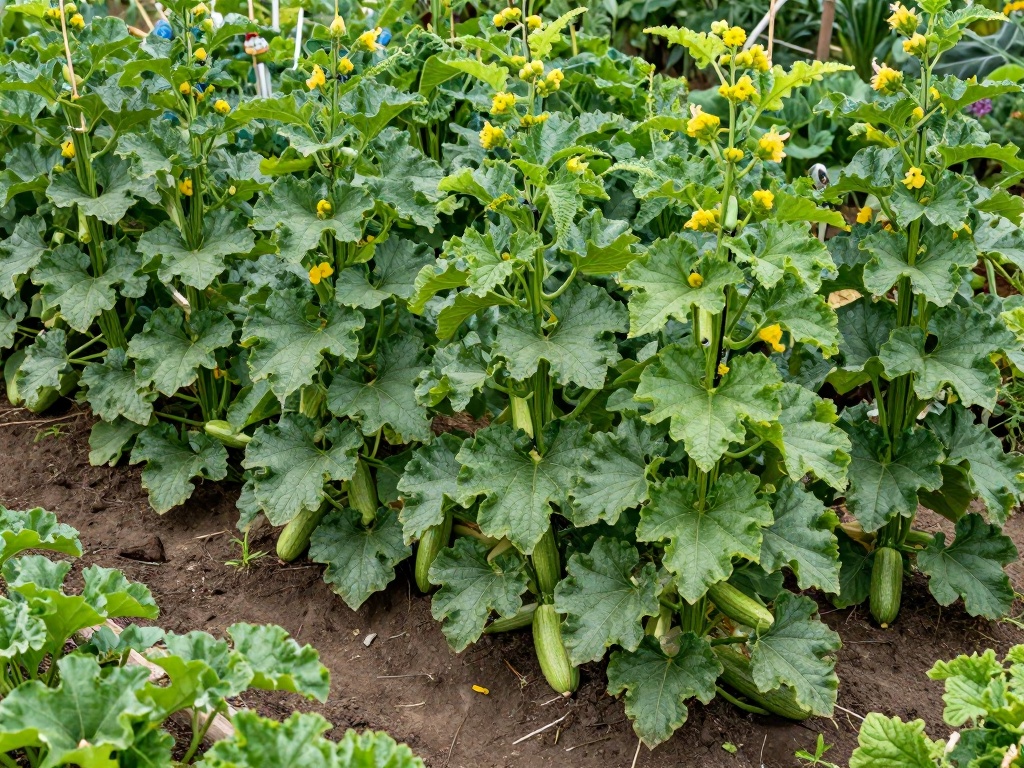
Zucchini vertical gardening organic method transforms how you grow this prolific summer squash, turning limited spaces into productive gardens. Whether you have a small balcony, raised beds, or a compact backyard, training zucchini upward saves ground space while producing healthier plants and easier harvests. This comprehensive guide covers everything you need to know about growing zucchini vertically using 100% organic methods in 2026.
Why Choose Vertical Gardening for Zucchini
Traditional zucchini plants sprawl across 3-4 square feet each, making them impractical for urban gardeners and those with limited space. The organic vertical approach addresses these challenges while offering numerous advantages over conventional ground-level cultivation.
Space Efficiency and Yield Benefits
Growing zucchini vertically reduces your garden footprint by up to 75%. A single plant trained on a strong trellis produces the same yield as ground-planted varieties while occupying just 2 square feet. This makes container gardening and small-space cultivation genuinely viable for fresh, organic zucchini throughout summer.
Improved Plant Health and Air Circulation
Vertical positioning dramatically improves air circulation around foliage, reducing fungal diseases like powdery mildew that commonly plague zucchini plants. Better airflow means fewer applications of organic fungicides and healthier plants overall. Leaves dry faster after rain or morning dew, creating an unfavorable environment for disease development.
Easier Harvesting and Reduced Pest Damage
Elevated fruits hang where you can see them, eliminating the frustrating problem of oversized zucchini hiding beneath leaves. Standing harvest reduces back strain and allows for daily inspection, catching pest problems before they escalate. Ground-dwelling pests like squash vine borers also struggle to access vertically grown plants.
Best Zucchini Varieties for Vertical Growing
Not all zucchini varieties adapt equally well to vertical gardening. Selecting the right cultivar determines your success with this organic method.
Compact Bush Varieties
Compact bush zucchini varieties are naturally suited for vertical training because they produce shorter, more manageable vines. 'Bush Baby,' 'Patio Star,' and 'Eight Ball' all perform exceptionally well when grown upward. These varieties typically reach 2-3 feet in length when staked, making them ideal for containers and small-space gardens.
Compact Hybrid Varieties
Modern compact hybrid varieties bred specifically for container growing respond excellently to vertical training. 'Safari,' 'Raven,' and 'Black Beauty' adapt readily to trellis systems while maintaining productive yields. These varieties typically require less structural support than sprawling heirloom types.
Heirloom Varieties for Vertical Gardens
Heirloom varieties require more aggressive training but reward gardeners with exceptional flavor and unique characteristics. 'Costata Romanesco' and 'Golden Zucchini' both climb readily when young stems are properly secured. Expect to provide sturdier support structures for these vigorous growers.
Essential Materials for Your Vertical Zucchini Garden
Proper materials ensure your vertical zucchini garden supports heavy fruit loads throughout the growing season. Investing in quality support structures prevents plant damage and harvest failures.
Trellis and Support Options
Sturdy A-frame trellises work exceptionally well for zucchini vertical gardening organic method applications. Cattle panels bent into arch shapes create strong, durable supports lasting multiple seasons. Alternatively, heavy-duty tomato cages modified with additional cross-bracing provide adequate support for compact varieties.
Container Selection for Vertical Growing
When growing in containers, select pots holding at least 15 gallons to accommodate robust root systems. Fabric grow bags offer excellent drainage and air pruning benefits for vertical zucchini. Self-watering containers reduce maintenance frequency while maintaining consistent soil moisture levels essential for organic success.
Organic Soil and Growing Media
Quality organic potting soil forms the foundation of successful vertical zucchini cultivation. Mix equal parts aged compost, coco coir, and perlite for an excellent soilless growing medium. Add worm castings at 20% volume to boost beneficial微生物 populations supporting plant health.
Step-by-Step Organic Planting Process
Proper planting technique establishes strong root systems and healthy growth patterns that support vertical development throughout the season.
Starting Seeds Indoors
Begin seeds indoors 3-4 weeks before your last frost date for a head start on the growing season. Plant seeds in biodegradable pots to minimize root disturbance during transplanting. Maintain soil temperatures around 70°F for optimal germination within 7-10 days using this organic method.
Direct Seeding Approach
Direct seeding works well in regions with long, warm growing seasons. Plant 2-3 seeds per support structure location, thinning to the strongest seedling after true leaves develop. This approach avoids transplant shock entirely and often produces more vigorous plants.
Transplanting Seedlings to Vertical Position
Harden off seedlings gradually over 7-10 days before permanent outdoor placement. Transplant during evening hours or cloudy weather to minimize transplant stress. Plant at the same depth as the nursery container, gently firming organic soil around roots and watering thoroughly.
Training and Supporting Zucchini Vines
Consistent training from an early growth stage ensures vines attach securely to support structures and develop proper climbing habits.
Initial Staking and Attachment
Begin vertical training when seedlings reach 12-18 inches tall. Gently tie the main stem to your support structure using soft plant ties, leaving room for stem expansion. Avoid tight bindings that restrict growth or damage tender stems during this critical establishment phase.
Weekly Training Routine
Inspect and secure new growth every 3-4 days during active growth periods. Guide wandering vines toward support structures rather than allowing horizontal sprawl. Weave developing stems through trellis openings to encourage natural attachment as the organic method dictates.
Managing Side Shoots and Leaves
Prune lower leaves touching the ground to improve air circulation and prevent soil-borne disease splash. Remove excessive side shoots to direct energy toward fruit production rather than vegetative growth. Maintain 4-6 healthy leaves per plant for optimal photosynthesis while keeping the structure manageable.
Organic Fertilization Schedule
Vertical zucchini plants require consistent nutrition to support heavy fruit production. This organic fertilization schedule ensures balanced nutrition without synthetic chemicals.
Base Nutrition at Planting
Incorporate generous amounts of aged compost into your growing medium before planting. Mix in blood meal for nitrogen availability during early growth. Add rock phosphate to support strong root development and future flowering using this proven organic method.
Ongoing Liquid Feeding
Apply compost tea every 2-3 weeks throughout the growing season for sustained nutrition. Fish emulsion at half-strength provides quick nitrogen boosts during rapid growth phases. Kelp extract applications every 2 weeks supply trace minerals supporting overall plant vigor and disease resistance.
Side Dressing Strategy
Top-dress plants with additional compost monthly, scratching it gently into the soil surface. Apply worm castings around the root zone for slow-release nutrition. This layering approach maintains fertility throughout extended harvest periods typical of vertical zucchini cultivation.
Pest and Disease Management Organically
Organic pest management protects beneficial insects while controlling common zucchini threats. Prevention through cultural practices forms the foundation of effective organic control.
Common Pests and Organic Solutions
Aphids cluster on new growth and undersides of leaves, weakening plants and spreading disease. Spray affected areas with a strong stream of water to dislodge populations, followed by neem oil application for persistent infestations. Introduce ladybugs to your garden for natural biological control.
Squash Bug Management
Squash bugs cause significant damage by sucking plant juices and spreading bacterial wilt. Check plants daily during peak season, removing egg clusters from leaf undersides. Deploy floating row covers until flowering begins to exclude adult bugs seeking egg-laying sites.
Preventing Powdery Mildew
Powdery mildew plagues many zucchini gardens, but vertical growing reduces its impact significantly. Apply prophylactic neem oil sprays weekly during humid weather. Improve air circulation further by selective leaf removal if plants become overly dense. Baking soda sprays at 1 tablespoon per gallon provide additional organic protection.
Watering Best Practices for Vertical Zucchini
Proper watering technique prevents common problems while supporting healthy fruit development in vertically grown plants.
Deep Watering Frequency
Water deeply at the base of plants whenever the top 2 inches of soil feel dry, typically every 2-3 days in warm weather. Deep watering encourages robust root systems capable of supporting heavy vertical loads. Avoid frequent shallow watering that promotes weak, surface-level roots.
Drip Irrigation Advantages
Drip irrigation systems deliver water directly to the root zone, conserving moisture and preventing leaf wetness that encourages disease. Install soaker hoses or drip emitters at each vertical planting location for consistent, efficient hydration. This automated approach suits busy gardeners while supporting optimal plant health.
Mulching for Moisture Retention
Apply 3-4 inches of organic mulch around vertical zucchini plants to retain soil moisture and suppress weeds. Straw, shredded leaves, or grass clippings work excellently as organic mulches. Maintain mulch several inches away from plant stems to prevent rot while covering the entire root zone.
Harvesting Your Vertical Zucchini
Proper harvesting technique maximizes yields while encouraging continued production throughout the season using the organic method.
Identifying Perfect Harvest Timing
Harvest zucchini when fruits reach 6-8 inches in length for best texture and flavor. Fruits exceeding 10-12 inches often develop tough skins and seedy interiors. Check plants daily during peak production, as zucchini can transform from perfect to oversized within 48 hours.
Proper Cutting Technique
Cut fruits from vines using clean, sharp pruners or a knife, leaving a 1-inch stem attached. Twisting fruits damages vines and creates entry points for disease organisms. Make clean cuts at the fruit's junction with the main stem, taking care not to disturb developing flowers nearby.
Extending Harvest Season
Regular harvesting stimulates continued flower and fruit production throughout summer. Removing mature fruits prevents the plant from directing energy toward seed development. Maintain consistent watering and fertilization during peak harvest to support rapid fruit replacement.
Maximizing Yield in Small Spaces
Vertical gardening maximizes productivity per square foot while maintaining quality standards expected from organic cultivation.
Succession Planting Strategy
Plant new zucchini starts every 4-6 weeks to ensure continuous harvests into fall. Remove spent plants after 8-10 weeks of peak production to make room for fresh seedlings. This succession approach produces more total yield than relying on a single planting window.
Companion Planting Vertically
Integrate companion plants in containers or adjacent growing spaces. Basil, nasturtiums, and marigolds deter common pests while maximizing productivity per area. Shallow-rooted companions like lettuce utilize the shaded soil beneath vertical zucchini structures.
Season Extension Techniques
Use cold frames or row covers to extend the growing season beyond first fall frost. Vertical structures support protective covers easily, creating microclimates that extend harvest by several weeks. Position containers against south-facing walls to capture additional heat during cool periods.
Frequently Asked Questions
What are the biggest mistakes beginners make with vertical zucchini growing?
Beginning gardeners often use inadequate support structures that collapse under plant weight. Insufficient training during early growth leads to tangled, unmanageable vines. Overwatering and poor air circulation from dense foliage create disease problems. Starting with proper 6-foot-tall, sturdy supports prevents most common failures with this organic method.
When is the best time to start vertical zucchini gardening?
Start seeds indoors 3-4 weeks before your last expected frost for the earliest harvest. Direct seed after all frost danger passes and soil temperatures reach 60°F consistently. In mild climates, succession planting from early spring through mid-summer provides harvests through fall using this organic method.
How much does vertical zucchini gardening cost compared to traditional growing?
Initial setup costs run higher than ground-level gardening due to support structures and large containers. Expect to invest $30-60 in trellising materials and $15-30 in quality organic potting mix per plant. Long-term, reusable materials and increased yields from limited spaces provide excellent return on investment for committed gardeners.
How long until harvest after planting?
Most zucchini varieties produce harvestable fruit within 50-65 days from seeding. Compact varieties bred for containers often produce slightly faster, around 45-55 days. Once production begins, expect to harvest every 1-2 days during peak season for maximum yield and quality using this organic vertical method.
Can I grow zucchini vertically in containers on a balcony?
Absolutely! Containers on balconies work excellently for vertical zucchini gardening organic method applications. Select compact varieties in 15-20 gallon containers with proper drainage. Position containers where they receive at least 6-8 hours of direct sunlight daily. Training vines along balcony railings or overhead supports maximizes limited space while producing abundant harvests.
What effort is required to maintain vertical zucchini plants?
Weekly maintenance includes training new growth, checking support security, and applying organic fertilizers. Daily tasks during peak production involve harvesting and quick visual inspections for pest or disease issues. Budget approximately 15-20 minutes weekly per plant for maintenance, plus harvest time, making this a manageable project for busy gardeners.
No comments