
How to Grow Parsley in Raised Beds: 2026 Container Gardening Guide
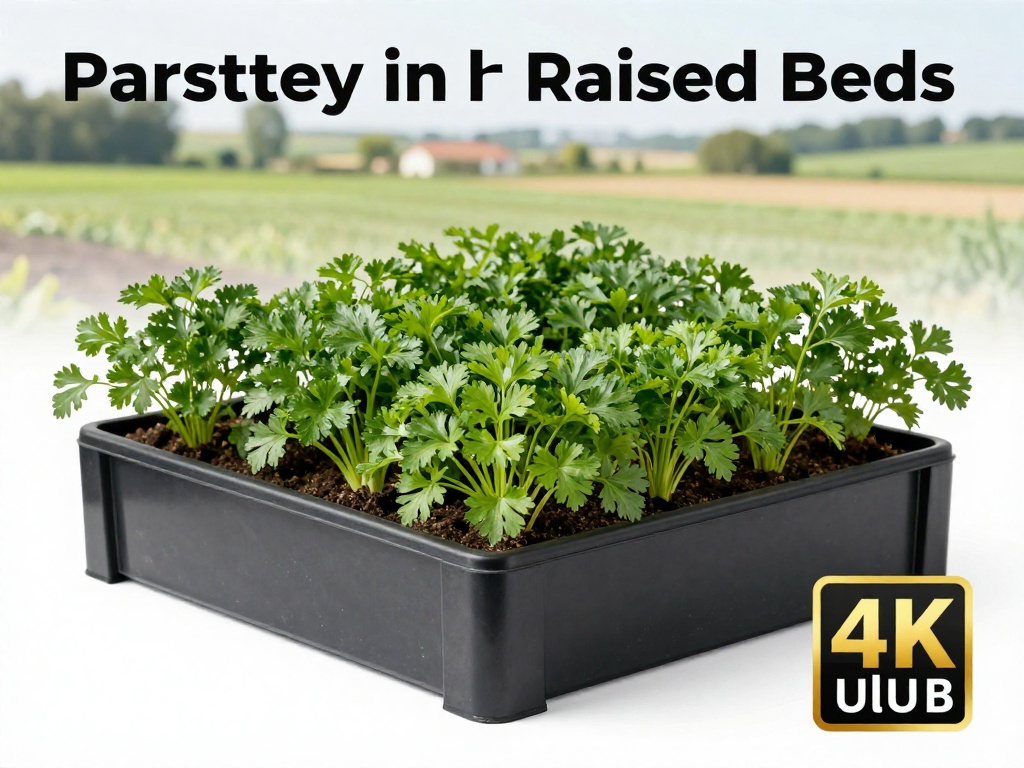
How to Grow Parsley in Raised Beds: 2026 Container Gardening Guide
Parsley container gardening in raised beds offers an excellent solution for gardeners with limited space or challenging soil conditions. This versatile herb thrives in contained environments, providing fresh, flavorful leaves for your kitchen year after year. Whether you are growing curly parsley, flat-leaf Italian parsley, or Hamburg root parsley, raised bed cultivation delivers exceptional results with minimal effort.
This comprehensive guide covers everything you need to know about successfully growing parsley in raised bed containers, from soil preparation to harvest. By following these proven techniques, you will enjoy a continuous supply of this nutritious herb right outside your door.
Why Choose Raised Beds for Parsley Container Gardening
Raised bed gardening provides numerous advantages for growing parsley that traditional in-ground planting simply cannot match. Understanding these benefits helps you make informed decisions about your herb garden setup.
Superior Drainage and Root Health
Parsley possesses a taproot system that demands well-draining soil to prevent root rot and fungal diseases. Raised beds naturally facilitate excellent drainage, ensuring roots receive adequate oxygen while avoiding waterlogging. The elevated position also warms soil more quickly in spring, extending your growing season significantly.
Soil Control and Customization
When you garden in raised beds, you have complete authority over soil composition from the ground up. Standard garden soil often contains clay, rocks, or poor nutrients that impede parsley growth. Container gardening in raised beds allows you to create the perfect growing medium specifically tailored for herb cultivation.
Reduced Pest and Weed Pressure
The contained environment of raised beds naturally discourages many ground-dwelling pests like slugs, snails, and certain soil insects. Additionally, the controlled growing space significantly reduces weed competition, saving you hours of tedious maintenance throughout the growing season.
Selecting the Right Containers and Raised Beds
Choosing appropriate containers and raised bed structures forms the foundation of successful parsley container gardening. The right selection impacts drainage, root development, and overall plant health.
Container Size Requirements
Parsley requires containers with minimum depths of 12 inches to accommodate its taproot properly. For a single plant, use a container at least 8 inches in diameter. If planting multiple parsley specimens, space them 6-8 inches apart within your raised bed configuration. Deeper containers of 14-16 inches encourage more robust root development and larger foliage production.
Material Options for Raised Beds
Various materials serve well for parsley raised bed construction. Cedar and redwood offer natural rot resistance and attractive appearance. Galvanized metal troughs provide excellent drainage and modern aesthetic appeal. Concrete blocks create permanent installations with exceptional durability. Plastic or composite containers work admirably for beginners seeking lightweight, affordable solutions.
Drainage Hole Specifications
Regardless of container material, adequate drainage holes prove absolutely essential for parsley container gardening success. Ensure containers feature multiple drainage openings of at least 1/2 inch diameter. Elevate containers slightly using pot feet or small stones to prevent drainage holes from becoming blocked by ground contact.
Optimal Soil Mix for Parsley in Raised Beds
Creating the ideal growing medium determines whether your parsley thrives or merely survives. Commercial potting mixes and homemade combinations both work effectively when properly balanced.
Commercial Potting Mix Recommendations
Quality commercial potting mixes formulated for vegetables and herbs provide excellent results for parsley container gardening. Look for mixes containing peat moss, perlite, vermiculite, and composted organic matter. Avoid garden soil alone, as it compacts too heavily in containers and may harbor diseases.
DIY Soil Mix Formula
For a custom blend, combine two parts high-quality compost with one part peat moss or coconut coir and one part perlite or coarse sand. This combination delivers optimal moisture retention while maintaining excellent drainage. Add a slow-release organic fertilizer at half the recommended strength to provide steady nutrition throughout the growing season.
pH and Nutrient Requirements
Parsley prefers slightly acidic to neutral soil with pH between 6.0 and 7.0. Most quality potting mixes fall within this range naturally. The herb benefits from moderate nitrogen for lush foliage growth, along with phosphorus and potassium for overall plant vigor. Monthly applications of diluted liquid fertilizer during active growth maintain optimal nutrition levels.
Planting Parsley: Seeds Versus Transplants
Both seeds and nursery transplants work well for parsley container gardening in raised beds. Each method presents distinct advantages and considerations worth understanding before planting.
Starting from Seeds
Parsley seeds germinate slowly, often requiring 14-28 days to sprout. This slow germination occurs because parsley seeds contain natural oils that inhibit quick sprouting. Soaking seeds in warm water for 24 hours before planting accelerates germination significantly. Sow seeds 1/4 inch deep in moist soil and maintain consistent moisture until seedlings emerge.
Using Transplants
Nursery transplants offer a head start on production, typically yielding harvestable foliage 2-3 weeks sooner than seed-started plants. Select healthy specimens with vibrant green leaves and avoid plants showing yellowing, wilting, or pest damage. Transplant into your raised bed at the same depth they grew in their nursery containers.
Direct Sowing Timing
For outdoor raised bed planting, sow parsley seeds 2-4 weeks before the last expected frost date in your region. Soil temperatures between 50-70°F support optimal germination. In container gardening scenarios, you can start seeds indoors 8-10 weeks before transplanting outside, extending your harvest window considerably.
Essential Care Requirements for Thriving Parsley
Proper maintenance practices ensure your parsley plants remain healthy, productive, and visually appealing throughout the growing season and beyond.
Watering Schedule and Techniques
Consistent moisture proves critical for parsley container gardening success. Water deeply when the top inch of soil feels dry to the touch, typically every 2-3 days depending on temperature and humidity. Container-grown parsley dries out faster than in-ground plantings, so monitor soil moisture regularly during hot summer months. Water at the soil level to avoid wetting foliage, which encourages fungal diseases.
Sunlight Requirements
Parsley performs best in full sun locations receiving 6-8 hours of direct sunlight daily. However, this herb tolerates partial shade, particularly in hot climates where afternoon shade prevents leaf scorch. Container placement flexibility allows you to optimize light exposure throughout the growing season by repositioning plants as needed.
Temperature Considerations
Cool-weather tolerance makes parsley ideal for spring and fall raised bed cultivation. Plants grow optimally between 60-75°F and can survive light frosts. In container gardening, you can move plants to sheltered locations during extreme temperature events. During summer heat, provide afternoon shade and increase watering frequency to prevent bolting.
Mulching Benefits
Applying a 2-inch layer of organic mulch around parsley plants conserves moisture, suppresses weeds, and moderates soil temperature. Straw, shredded leaves, or fine bark chips work excellently for container applications. Mulching becomes especially valuable during summer months when container soil temperatures fluctuate dramatically.
Harvesting and Pruning Techniques
Proper harvesting techniques encourage bushy, productive parsley plants while providing fresh herbs for culinary use throughout the season.
When to Begin Harvesting
Wait until parsley develops at least three distinct stems with fully developed leaves before beginning harvest. This typically occurs 70-90 days after transplanting or 100-120 days after direct seeding. Early harvesting when plants are immature weakens root development and reduces overall productivity.
Proper Cutting Methods
Harvest parsley by cutting stems at the base of the plant using sharp, clean scissors or pruners. Never tear or break stems, as ragged cuts invite disease. Take outer stems first, leaving the central growth point intact to encourage continued production. Regular harvesting prevents flowering and extends the productive life of your plants significantly.
Encouraging Bushy Growth
Pinching or cutting growing tips encourages branching and creates denser, more productive plants. When stems reach 8-10 inches tall, harvest the top portion along with several side leaves. This technique stimulates lateral growth and prevents leggy, sparse plants typical of unharvested parsley.
Overwintering Parsley in Raised Beds
Biennial nature means parsley naturally produces foliage the first year and flowers the second. With proper techniques, you can extend productivity and overwinter plants successfully in container gardening scenarios.
Fall and Winter Care
In USDA zones 7 and warmer, parsley often survives winter with minimal protection. Apply thick mulch around containers and move to a sheltered location during extreme cold. In colder regions, bring containers indoors to a sunny window or unheated greenhouse for continued winter harvest.
Spring Revival
As temperatures warm in early spring, remove winter mulch gradually and resume regular watering and feeding schedules. Cut back any damaged or dead foliage to encourage fresh growth. Parsley that overwinters often bolts quickly once temperatures rise consistently, so enjoy the early spring harvest before starting fresh plants.
Common Problems and Solutions
Even with excellent care, parsley container gardening occasionally encounters challenges. Understanding common problems helps you identify and address issues quickly.
Pest Management
Aphids frequently target parsley, appearing as small green or black insects clustered on new growth. Control infestations by spraying plants with strong water jets or applying insecticidal soap.parsley worms, the larvae of swallowtail butterflies, occasionally feed on foliage but cause minimal lasting damage in most cases.
Disease Prevention
Leaf spot and root rot result from excessive moisture and poor air circulation. Prevent these issues by providing adequate spacing between plants, watering at soil level, and ensuring proper drainage. Remove and dispose of affected plant material promptly to prevent spread.
Nutritional Deficiencies
Yellowing lower leaves often indicate nitrogen deficiency. Pale or stunted growth suggests insufficient phosphorus or potassium. Address deficiencies by applying balanced liquid fertilizer according to package directions. Container-grown parsley benefits from regular feeding every 2-3 weeks during active growth.
Companion Planting with Parsley in Raised Beds
Strategic companion planting maximizes limited raised bed space while providing mutual benefits to nearby plants.
Ideal Companions
Parsley grows harmoniously alongside tomatoes, asparagus, corn, and most garden vegetables. The herb attracts beneficial insects including predatory wasps and hoverflies that control pest populations. Chives, basil, and cilantro make excellent herb companions within container gardening arrangements.
Plants to Avoid
Keep parsley separated from lettuce, as both attract similar pests that may increase when grown together. Avoid planting near other members of the Umbelliferae family including carrots and dill, which compete for similar nutrients and may cross-pollinate.
Frequently Asked Questions
What is the best time to plant parsley in raised bed containers?
The optimal planting time for parsley container gardening in raised beds is 2-4 weeks before your last spring frost date. Seeds germinate best in soil temperatures between 50-70°F. For continuous harvest, plant succession crops every 3-4 weeks from early spring through late summer. Fall planting in mild climates produces excellent results as well.
How deep should a raised bed be for growing parsley?
Parsley requires a minimum depth of 12 inches for proper root development in container gardening. Ideal depths range from 14-16 inches, which accommodates the plant's taproot and promotes vigorous foliage growth. Wider containers allow multiple plants spaced 6-8 inches apart, maximizing your harvest from limited space.
How often should I water parsley in containers?
Water parsley container gardening plants when the top inch of soil feels dry, typically every 2-3 days during warm weather. Container plants require more frequent watering than ground-planted specimens. During hot summer conditions, daily watering may be necessary. Ensure excellent drainage to prevent waterlogged soil that causes root rot.
Can parsley be grown indoors in raised bed containers?
Absolutely! Parsley thrives indoors in containers placed near south-facing windows receiving 6-8 hours of sunlight daily. Supplemental grow lights improve production significantly during winter months. Indoor parsley container gardening provides fresh herbs year-round regardless of outdoor climate conditions.
How long does parsley take to grow from seed to harvest?
Parsley reaches harvestable maturity in approximately 70-90 days from transplanting or 100-120 days from direct seeding. The long germination period of 14-28 days accounts for much of this timeline. Transplants purchased from nurseries reduce wait time considerably, providing usable foliage within 3-4 weeks of planting.
What is the expected yield from parsley container gardening?
A single healthy parsley plant produces approximately 1/2 to 1 pound of fresh leaves annually in optimal conditions. Three to four plants typically supply adequate fresh parsley for an average family throughout the growing season. Container gardening in raised beds produces slightly lower yields than in-ground planting but offers superior quality control and convenience.
No comments