
Zucchini Vertical Gardening: Organic Method for Maximum Yield in 2026
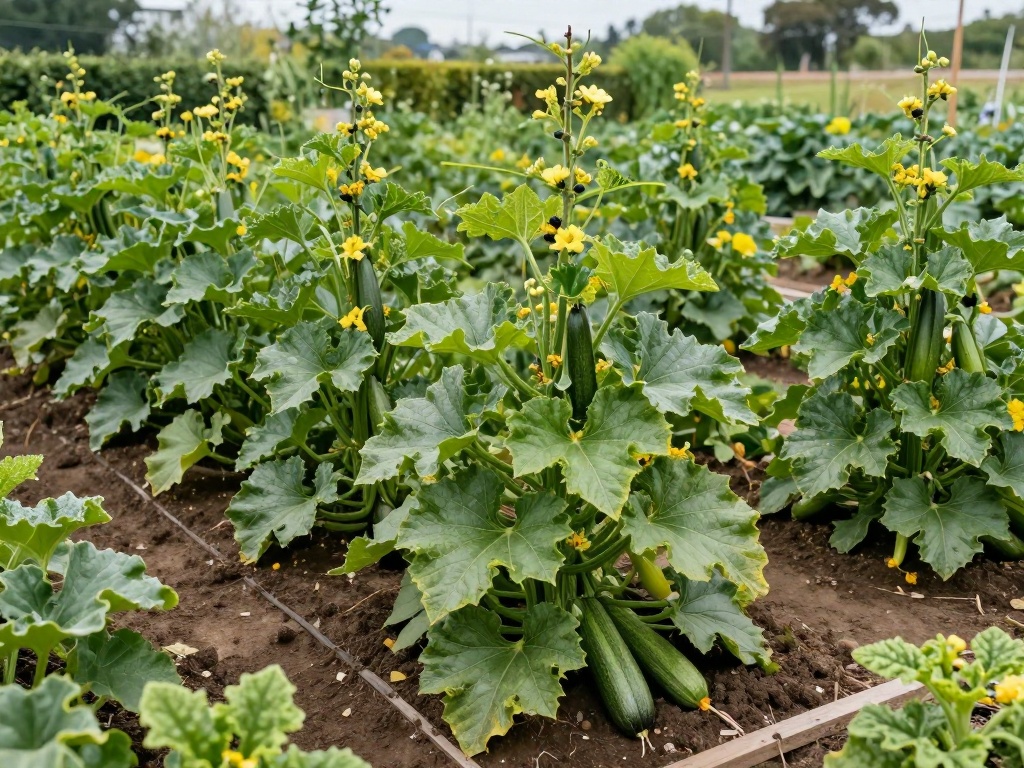
Zucchini Vertical Gardening: Organic Method for Maximum Yield in 2026
Growing zucchini vertically transforms this prolific summer squash from a garden space-hogger into a compact, high-yielding wonder. This comprehensive guide reveals the complete organic method for zucchini vertical gardening that works brilliantly in small spaces, containers, and raised beds. Whether you are cultivating on an urban balcony or maximizing your backyard garden, these proven techniques will help you harvest significantly more zucchini from significantly less ground space.
Why Choose Vertical Gardening for Zucchini
Traditional zucchini plants sprawl across 3-4 feet of valuable garden real estate, often producing more fruit than one household can consume. Vertical zucchini gardening changes this equation entirely by training vines upward rather than outward.
Space Efficiency Benefits
When grown vertically, a single zucchini plant occupies only 1-2 square feet of ground space. This represents an 80% reduction compared to conventional planting methods. Urban gardeners with balconies, patios, or limited raised beds can now successfully grow this nutritious vegetable without sacrificing their entire growing area.
Improved Air Circulation and Disease Prevention
Vertically trained zucchini plants experience dramatically improved air circulation around foliage and fruits. This natural airflow reduces fungal disease problems that commonly plague zucchini grown horizontally, particularly powdery mildew. By implementing this organic method, gardeners report significantly fewer disease issues and reduced need for any intervention.
Simplified Harvesting and Maintenance
Standing upright plants make spotting ripe zucchini effortless. No more hunting beneath sprawling leaves or accidentally missing mature fruits that become oversized and woody. Vertical growing also simplifies watering, fertilizing, and inspecting for pest activity.
Selecting the Best Zucchini Varieties for Vertical Growing
Not all zucchini varieties adapt equally well to vertical gardening. Choosing appropriate cultivars forms the foundation of successful vertical cultivation using organic growing techniques.
Compact Bush Varieties
These varieties naturally produce shorter vines with strong central stems that support themselves effectively:
- Patio Star: Specifically bred for containers and small space growing, producing compact 2-foot plants with excellent yields
- Black Beauty: Classic dark green zucchini with moderate vine length, responds well to trellising
- Golden Zucchini: Yellow-fruited variety offering visual appeal and disease resistance
- Raven: Early-maturing dark green zucchini with vigorous growth suitable for vertical training
Semi-Vining Varieties
These versatile cultivars offer flexibility for gardeners seeking higher yields:
- Costata Romanesco: Italian heirloom with distinctive ribbed fruits and exceptional flavor
- Trombocino: Climbing variety naturally adapted to vertical growth with curly vine habit
- Eight Ball: Round zucchini perfect for vertical growing, matures quickly
Essential Structures and Support Systems
Establishing proper support infrastructure ensures your vertical zucchini gardening efforts succeed. Several effective support systems work well for this organic method.
Trellis Systems
A sturdy A-frame or vertical trellis with openings of 6-8 inches accommodates zucchini vines effectively. Choose materials that can support 20-30 pounds when mature, including plant weight, foliage, and developing fruits. Galvanized livestock panels, welded wire grids, and wooden lattice all perform excellently.
Cattle Panel Arches
Installing cattle panel arches creates beautiful tunnel structures that work exceptionally well for vertical zucchini gardening. Position plants at each arch base and train main vines upward and across the top. This configuration provides easy access for harvesting from both sides while maximizing vertical growing space.
Container-Specific Supports
When growing in containers, tomato cages or pyramid-style supports offer stability. Position these supports at planting time rather than attempting installation later, which risks damaging developing root systems.
Step-by-Step Organic Planting Process
Following this systematic approach ensures optimal establishment for your vertical zucchini garden.
Timing Your Planting
Zucchini requires warm soil temperatures of at least 60°F (16°C) for successful germination. In most climates, direct sowing outdoors occurs 2-3 weeks after the last expected frost. For earlier harvests, start seeds indoors in biodegradable pots 3-4 weeks before transplanting.
Soil Preparation the Organic Way
Prepare growing medium using this organic method foundation:
- Mix equal parts quality compost, aged manure, and garden soil
- Add perlite or coarse sand for improved drainage
- Incorporate organic granular fertilizer at recommended rates
- Ensure pH between 6.0 and 7.0 for optimal nutrient uptake
Proper Planting Technique
Plant seeds or transplants at the base of your support structure, positioning them 2-3 inches from the support posts. This distance allows adequate root development while ensuring stems remain close enough for easy training. Plant at 18-24 inch intervals along trellis bases when growing multiple plants.
Training and Tying Your Zucchini Vines
Consistent training during early growth stages establishes patterns that support heavy fruiting later in the season.
Initial Training Phase (Weeks 1-4)
Gently weave emerging main stems through support openings as they develop. Use soft plant ties or strips of fabric to loosely secure stems, leaving room for natural expansion. Check and adjust ties weekly to prevent constriction as stems thicken.
Ongoing Management (Weeks 5-12)
Continue guiding lateral branches onto support structures. Prune lower leaves touching the ground to improve air circulation and reduce disease risk. Remove any yellowing or diseased foliage promptly using clean, sharp tools.
Supporting Heavy Fruits
As zucchinis develop, their weight can strain vines and cause breakage. Create fruit supports using:
- Commercial fruit hammocks made from soft mesh
- Homemade supports from pantyhose or cheesecloth
- Small wooden crates or baskets positioned on support rungs
Organic Pest and Disease Management
Maintaining plant health through natural approaches ensures chemical-free harvests while preserving beneficial garden ecosystems.
Common Pests and Organic Solutions
Squash vine borers, cucumber beetles, and squash bugs occasionally affect zucchini. Combat these using organic method techniques:
- Row covers: Install floating row covers at planting to exclude flying insects, removing when flowers appear for pollination
- Hand picking: Inspect plants regularly, removing visible pests and egg clusters
- Diatomaceous earth: Apply around plant bases to deter crawling insects
- Neem oil spray: Apply for broader pest control when necessary, always following organic guidelines
Disease Prevention Strategies
Vertically grown zucchini naturally resists many diseases through improved air circulation. Additional preventive measures include:
- Watering at soil level rather than overhead to keep foliage dry
- Mulching around plants to prevent soil splash onto leaves
- Removing affected plant parts immediately when disease appears
- Rotating crops annually to prevent soil-borne disease buildup
Organic Fertilization Schedule
Supporting vigorous vertical growth requires consistent organic nutrition throughout the growing season.
Pre-Planting Foundation
Before planting, incorporate 2-3 inches of quality compost into growing beds. This slow-release nutrition provides steady feeding throughout the season while improving soil structure and microbial activity.
Monthly Feeding Program
Apply organic fertilizer every 4-6 weeks during active growth:
- Fish emulsion: Dilute according to package directions and apply every 3-4 weeks
- Seaweed extract: Foliar spray provides trace minerals and growth hormones
- Compost tea: Monthly soil drench promotes beneficial soil microorganisms
Signs Your Zucchini Needs Additional Nutrition
Monitor plants for indicators of nutrient deficiency. Pale or yellowing leaves suggest nitrogen deficiency, while poor fruit development may indicate phosphorus or potassium shortage. Address deficiencies immediately using appropriate organic amendments.
Watering Best Practices for Vertical Zucchini
Proper hydration proves particularly important for vertically grown zucchini, which typically requires more frequent watering than sprawling plants.
Irrigation Guidelines
Zucchini demands consistent moisture, preferring 1-2 inches of water weekly. Water deeply and less frequently rather than applying light, frequent irrigation. This encourages deeper root development and more drought-tolerant plants.
Mulching for Moisture Retention
Apply 3-4 inches of organic mulch around plant bases to:
- Conserve soil moisture and reduce watering frequency
- Suppress weed competition
- Maintain consistent soil temperatures
- Gradually add nutrients as mulch decomposes
Harvesting Your Vertical Zucchini
Knowing when and how to harvest ensures optimal flavor and encourages continued production.
Optimal Harvest Timing
Pick zucchini when fruits reach 6-8 inches in length, typically 45-55 days from planting. At this size, flavor remains mild and tender, and texture stays firm. Check plants every 1-2 days during peak production, as zucchinis grow remarkably quickly in warm conditions.
Proper Harvesting Technique
Cut fruits from vines using clean, sharp scissors or pruning shears, leaving a 1-inch stem attached. Never twist or pull fruits, as this damages vines and can introduce disease. Harvesting regularly signals plants to continue producing flowers and fruits.
Troubleshooting Common Vertical Growing Challenges
Even with excellent care, challenges occasionally arise when implementing this zucchini vertical gardening organic method.
Poor Fruit Set
If plants produce flowers but no fruits develop, insufficient pollination may be the cause. Hand-pollinate by transferring pollen from male flowers to female flowers using a small paintbrush or cotton swab. Female flowers develop a small fruit at their base; male flowers grow on long, thin stems.
Leggy or Weak Growth
Vertical zucchini may develop thin, weak stems if receiving insufficient light or nutrition. Ensure plants receive at least 6-8 hours of direct sunlight daily and maintain consistent fertilization schedules. Consider supplemental lighting for indoor or heavily shaded growing situations.
Support Structure Failures
Reinforce supports that show signs of strain before catastrophic failure occurs. Add additional posts, cross-bracing, or guy wires to stabilize structures carrying heavy plant loads.
Extending Your Growing Season
Strategic planning extends vertical zucchini production beyond normal growing seasons.
Succession Planting Approach
Plant new zucchini starts every 3-4 weeks from late spring through midsummer. This succession planting ensures continuous harvests while older plants continue producing vertically. Stop planting approximately 8 weeks before expected first fall frost.
Fall Growing Considerations
Zucchini tolerates light frost but produces best in temperatures between 65-85°F. As fall approaches, be prepared to protect plants with row covers or cold frames if frost threatens.
Frequently Asked Questions
Can beginners successfully practice zucchini vertical gardening using organic methods?
Absolutely. Beginners can excel at vertical zucchini gardening by starting with compact bush varieties like Patio Star or Black Beauty. These forgiving cultivars adapt well to various support structures and tolerate minor growing mistakes while still producing respectable harvests using fully organic methods.
What are the most common mistakes to avoid when growing zucchini vertically?
Critical mistakes include installing supports after plants become established, overwatering which causes root rot, neglecting to tie developing fruits which may break vines, and planting varieties unsuited for vertical growth. Avoid these pitfalls by planning infrastructure before planting and selecting appropriate compact cultivars.
When is the best time to set up vertical supports for zucchini?
Install all support structures before or immediately at planting time. This prevents root damage from later installation and allows you to position plants correctly relative to support openings. Attempting to retrofit supports around established plants risks serious root damage and plant stress.
How much does starting a vertical zucchini garden cost compared to traditional growing?
Initial costs run slightly higher due to support structures, typically ranging from $20-60 depending on materials chosen. However, this investment pays dividends through space savings allowing additional crops, reduced disease losses, and easier maintenance. Long-term expenses remain comparable to traditional gardening when using organic compost and natural amendments.
How long until vertical zucchini plants begin producing harvestable fruit?
Most zucchini varieties produce harvestable fruit within 45-60 days from direct seeding, or 35-45 days from transplanting established seedlings. Compact bush varieties often produce slightly faster than larger vining types. Expect peak production during weeks 6-10 of the growing season.
What effort level is required for maintaining vertical zucchini organically?
Maintenance requires moderate ongoing effort including weekly training and tying, checking supports for stability, fertilizing every 4-6 weeks, and harvesting every 1-2 days during peak production. Daily attention to vertical systems prevents problems from becoming serious, though overall time investment remains comparable to traditional horizontal growing.
No comments