
Zucchini Vertical Gardening Organic Method: 2026 Complete Guide
Zucchini Vertical Gardening Organic Method: 2026 Complete Guide
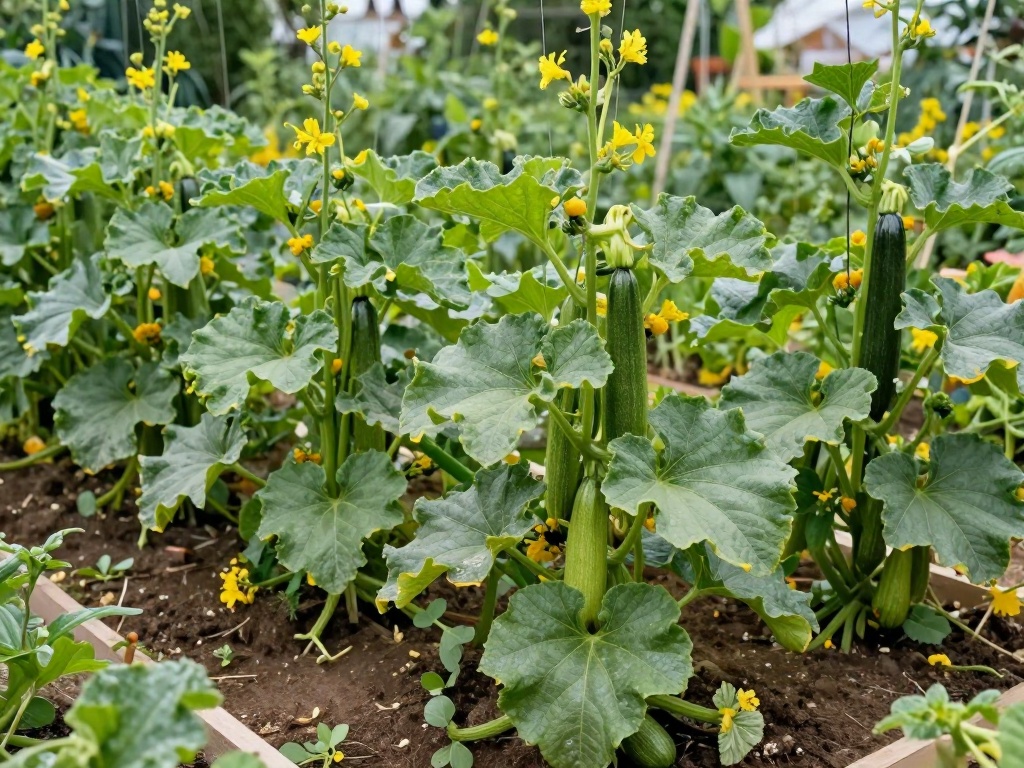
Growing zucchini vertically transforms how home gardeners cultivate this prolific summer squash. The zucchini vertical gardening organic method allows you to harvest abundant crops even in limited spaces like patios, balconies, and small backyard gardens. This comprehensive guide covers everything you need to know about training zucchini upward using completely natural, organic techniques that promote healthy plants and bountiful harvests.
Why Choose Vertical Growing for Zucchini
Traditional zucchini plants sprawl across 3-4 feet of garden space, making them impractical for urban gardeners and those working with compact areas. The vertical approach redirects growth upward rather than outward, saving valuable garden real estate while improving air circulation around foliage.
Space Efficiency Benefits
By training zucchini to grow on supports, you can produce the same amount of fruit in just 2-3 square feet. This makes vertical cultivation ideal for apartment dwellers with balconies, homeowners with small yards, and anyone wanting to maximize their garden's productivity per square foot.
Improved Plant Health
When zucchini vines climb upward, leaves dry faster after rain or watering, reducing fungal disease pressure. Better airflow also discourages pests like squash bugs and cucumber beetles that prefer humid, dense foliage environments.
Easier Harvest and Maintenance
Fruits growing on vertical supports remain visible and accessible, eliminating the frustrating searches through ground-level foliage. You'll spot mature zucchini quickly, preventing the oversized, woody fruits that develop when harvest timing slips.
Selecting the Right Zucchini Varieties
Not all zucchini varieties adapt equally well to vertical gardening. Compact bush varieties work better than vigorous vining types, though with proper support, many varieties can be trained upward successfully.
Best Compact Varieties for Vertical Growth
- Black Beauty: Classic dark-green squash on compact 2-foot plants
- Eight Ball: Round zucchini perfect for small-space growing
- Patio Star: Bred specifically for containers and limited spaces
- Raven: Early-maturing variety with excellent disease resistance
- Gold Rush: Yellow zucchini offering visual appeal and productive yields
Setting Up Your Vertical Support System
Proper structural support forms the foundation of successful zucchini vertical gardening. Install supports before transplanting to avoid damaging developing root systems.
Choosing Support Materials
Sturdy options include heavy-duty tomato cages, welded wire panels, wooden trellises, or custom-built A-frame structures. Select materials rated to support at least 25-40 pounds, accounting for plant weight plus mature fruit load.
Trellis Installation Steps
- Position supports in your growing location receiving 6-8 hours of daily sunlight
- Drive posts or stakes 8-12 inches into soil for stability
- Attach horizontal crossbars or mesh at 6-inch intervals for lateral support
- Ensure total height reaches 4-5 feet for comfortable harvesting
- Secure all connections to withstand wind and plant weight
The Organic Method: Soil and Nutrition
Successful organic zucchini vertical gardening relies on building rich, living soil that provides complete nutrition without synthetic fertilizers. This natural approach supports beneficial soil microorganisms while producing chemical-free vegetables.
Creating Organic Soil Mix for Containers
Fill containers or raised beds with a blend of aged compost, coconut coir, perlite, and worm castings. This combination provides excellent drainage while retaining sufficient moisture and delivering slow-release nutrients throughout the growing season.
Organic Fertilization Schedule
Apply organic compost tea every 2-3 weeks during active growth. Side-dress plants with additional compost monthly. For potassium and phosphorus needs, work in rock phosphate and greensand according to package recommendations based on soil test results.
Planting and Training Techniques
Proper planting technique and early training establish the framework for productive vertical growth. Begin training when seedlings reach 6-8 inches tall for best results.
Step-by-Step Planting Process
- Harden off seedlings gradually over 7-10 days before transplanting
- Plant one zucchini per container or space 18-24 inches apart in ground beds
- Water deeply at soil level, avoiding wetting foliage
- Apply 2-3 inches of organic mulch around (not touching) stems
- Insert main stem near support structure at planting time
Training Vines Upward
Attach zucchini stems to supports using soft plant ties, cloth strips, or twine. Secure loosely to allow stem expansion while providing guidance. Re-tie every 6-8 inches of growth, distributing stems across the support structure.
Pollination Management for Vertical Plants
Zucchini plants produce separate male and female flowers, and proper pollination determines fruit development. Vertical growing sometimes reduces pollinator access, requiring gardener intervention.
Hand Pollination Technique
Identify male flowers (straight stem beneath bloom) and female flowers (swollen fruit base). Using a small paintbrush or cotton swab, transfer pollen from male stamen to female pistil. Perform this task during morning hours when flowers fully open for highest success rates.
Encouraging Natural Pollinators
Plant flowering herbs like basil, dill, and fennel nearby to attract bees and beneficial insects. Avoid applying any pesticides, even organic ones, during bloom periods to protect pollinator populations.
Organic Pest and Disease Management
Maintaining plant health organically requires proactive monitoring and natural intervention strategies when problems arise.
Common Pests and Organic Solutions
- Squash vine borers: Wrap stem bases with aluminum foil strips; inject Bt solution into affected stems
- Aphids: Spray with strong water stream; release ladybugs; apply neem oil as final resort
- Squash bugs: Handpick egg clusters from leaf undersides; trap adults under boards
- Cucumber beetles: Apply kaolin clay dust; use yellow sticky traps; encourage predatory ground beetles
Disease Prevention Strategies
Powdery mildew commonly affects zucchini, especially with poor air circulation. Prevent this organic fungal issue by maintaining proper plant spacing, removing affected leaves promptly, and applying a baking soda spray (1 tablespoon per gallon water with few dropsdish soap) as a preventive measure.
Watering Vertical Zucchini
Container-grown and vertically trained zucchini have different water requirements than ground-planted specimens. Consistent moisture proves essential for preventing blossom end rot and supporting steady fruit development.
Watering Best Practices
- Water deeply when top 1-2 inches of soil feel dry
- Apply water directly to soil surface, keeping foliage dry
- Drip irrigation systems deliver consistent moisture without waste
- Plants typically require daily watering during hot summer weather
- Mulch preserves soil moisture and reduces watering frequency
Harvesting Your Vertical Zucchini
Regular harvesting encourages continued production throughout the season. Zucchini matures rapidly, often reaching harvest size within 4-7 days from flowering.
Harvest Timing and Technique
Pick zucchini when fruits reach 6-8 inches long for optimal tenderness. Use sharp pruners or a knife, cutting stem 1/4 inch above fruit. Harvest every 1-2 days during peak production to prevent oversized fruits that signal the plant to slow flowering.
Post-Harvest Handling
Store harvested zucchini unwashed in a cool, dry location. Place in perforated plastic bags for refrigerator storage lasting up to one week. For longer preservation, slice and freeze, pickle, or prepare immediately into zucchini bread, gratins, or grilled dishes.
Extending Your Growing Season
Maximize your vertical zucchini harvest by implementing season extension techniques that protect plants from temperature extremes.
Spring and Fall Protection
Cover young spring transplants with row covers or cold frames to accelerate growth and protect from late frosts. As autumn temperatures decline, apply floating row covers overnight to extend productive harvest by several weeks.
Frequently Asked Questions
Can beginners successfully grow zucchini vertically?
Absolutely! The vertical approach actually simplifies gardening for beginners. Compact plants are easier to monitor for pests and diseases, watering requirements are clearer than with sprawling plants, and harvesting becomes straightforward. Start with one or two plants using a sturdy tomato cage or trellis for your first attempt.
What are the most common mistakes in vertical zucchini growing?
Waiting too long to install supports damages roots. Underwatering occurs frequently since container plants dry faster. Failing to tie stems results in broken vines. Harvesting too late produces oversized, seedy fruits. Avoiding proper pollination leads to fruit abortion. Address these common errors for garden success.
When should I start zucchini seeds or transplants for vertical growing?
Begin transplants indoors 3-4 weeks before your last expected frost date, or direct sow seeds outdoors 1-2 weeks after frost danger passes when soil reaches 60°F minimum. Vertical growing works well for both spring and fall crops in most climates, with fall planting timed 8-10 weeks before first expected autumn frost.
How much time and investment does vertical zucchini gardening require?
Initial setup costs range from $15-40 for supports and containers if starting from scratch. Weekly time investment averages 2-4 hours including watering, training, and harvesting. The organic method costs slightly more than conventional approaches but produces chemical-free vegetables with superior flavor.
How long until harvest after planting?
Zucchini reaches harvest maturity remarkably fast. Expect your first fruits within 45-60 days from transplant or 55-70 days from direct seeding. Once production begins, individual fruits develop from flower to harvestable size in just 4-7 days during warm weather. Plan for peak production lasting 4-6 weeks per plant.
What yields can I expect from vertically grown zucchini?
A single healthy vertical zucchini plant typically produces 8-15 pounds of fruit over its productive season. With plants spaced every 2-3 square feet instead of traditional 3-4 foot spacing, you can grow 3-4 times more plants in equivalent space. Two to three vertical plants usually supply enough zucchini for a family of four.
No comments