
Zucchini Vertical Gardening Organic Method: 2026 Complete Guide
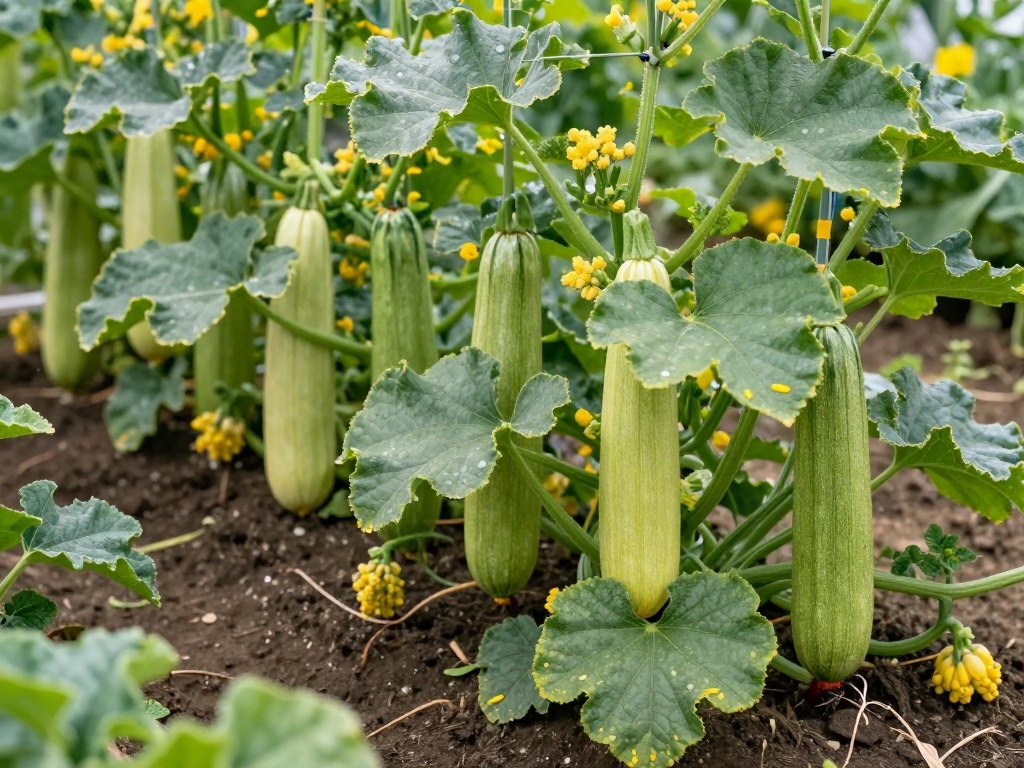
Zucchini Vertical Gardening Organic Method: 2026 Complete Guide
Growing zucchini vertically using organic methods is revolutionizing how home gardeners cultivate this prolific summer squash. Whether you have a small balcony, limited garden space, or simply want to maximize your harvest while keeping plants healthy, vertical gardening offers an elegant solution. This comprehensive 2026 guide walks you through every step of implementing an organic zucchini vertical gardening system that delivers exceptional results without synthetic chemicals.
Why Choose Vertical Gardening for Zucchini
Traditional zucchini plants sprawl across the garden, often requiring 3-4 square feet per plant. This organic vertical gardening approach transforms how you think about space utilization while providing numerous benefits for both plants and gardeners.
Space Efficiency Benefits
Vertical growing allows you to produce substantial zucchini harvests in containers, on patios, or in raised beds where traditional planting would be impossible. A single vertical plant can yield 10-15 pounds of zucchini throughout the season while occupying less than 2 square feet of ground space. This makes organic zucchini cultivation accessible to apartment dwellers, urban gardeners, and anyone working with limited area.
Plant Health Advantages
When zucchini grows vertically, air circulation improves dramatically around foliage and fruits. This natural airflow reduces fungal disease pressure, minimizes pest attraction, and helps leaves dry faster after rain or watering. The organic method emphasizes working with these natural benefits rather than relying on chemical interventions.
Harvest Quality Improvements
Fruits growing on vertical supports develop more uniformly and are easier to spot and harvest. Ground-contact rotting becomes virtually eliminated, and harvesting at peak ripeness becomes effortless. Many gardeners report that vertically grown zucchini produces sweeter, firmer fruits compared to ground-sprawled plants.
Understanding the Organic Method Foundation
The organic approach to zucchini vertical gardening goes beyond simply avoiding synthetic fertilizers. It encompasses building healthy soil biology, creating natural pest resistance, and working harmoniously with ecosystem relationships that support plant vitality.
Soil Health as the Cornerstone
Organic zucchini success starts beneath the surface. Healthy, biologically active soil provides plants with everything they need to thrive without artificial inputs. This means focusing on organic matter content, beneficial microorganisms, and proper mineral balance from the beginning.
Natural Pest Management Principles
Rather than applying chemical pesticides, organic vertical gardening relies on prevention through plant diversity, beneficial insect attraction, and physical barriers. This approach protects pollinators essential for zucchini fruit set while creating a resilient garden ecosystem.
Step-by-Step Setup for Your Vertical Zucchini Garden
Selecting the Right Container and Support
For successful organic zucchini vertical gardening, choose a container holding at least 5 gallons of soil per plant. Fabric grow bags, terracotta pots, and large plastic containers all work well. Ensure your container has adequate drainage holes to prevent waterlogging that damages roots.
Your vertical support system options include:
- A-frame trellises: Sturdy and easy to construct from wooden posts and wire mesh
- Tomato cages: Heavy-duty versions provide excellent support for compact varieties
- Pole and string systems: Cost-effective for beginners, simple to install
- Pyramid supports: Decorative option that works well in ornamental gardens
Preparing Your Organic Growing Medium
Fill your container with a premium organic potting mix rather than garden soil, which may contain pathogens and lacks proper drainage properties. Create your own blend by combining:
- Two parts aged compost for nutrients and moisture retention
- One part perlite or coarse sand for drainage
- One part coco coir for water retention and aeration
- Half cup of organic bone meal for phosphorus
- Quarter cup of kelp meal for potassium and micronutrients
This mixture provides everything your vertically grown zucchini needs while maintaining the loose, well-draining conditions that prevent root diseases.
Planting Your Zucchini Vertically
Plant zucchini starts or seeds after all frost danger passes and soil temperatures reach at least 60°F. In most regions, this means late spring planting for summer harvest. Position one plant per container to prevent crowding stress.
For seeds, plant three seeds half an inch deep, then thin to the strongest seedling after true leaves develop. If using transplants, handle root balls gently to minimize transplant shock. Water thoroughly after planting and maintain consistent moisture throughout the growing season.
Training and Supporting Growing Vines
Initial Training Techniques
Begin guiding your zucchini vine toward the support structure when it reaches 12-18 inches tall. Gently tie the main stem to your trellis using soft plant ties or strips of fabric. Avoid constricting the stem as it grows thicker throughout the season.
Position ties every 8-12 inches along the main vine, adjusting them as the plant grows. Most zucchini varieties will naturally begin climbing if given something to grip, but occasional guidance ensures your plant grows where you want it.
Managing Lateral Branches
Zucchini plants produce side shoots that also benefit from vertical training. Weave secondary vines through trellis openings or loosely tie them to supports. Remove any vines that become damaged or show signs of disease immediately to prevent spread to healthy growth.
This training process takes just a few minutes each week but dramatically improves air circulation and makes harvesting infinitely easier. Many gardeners find this regular attention becomes their favorite garden meditation time.
Organic Care and Maintenance Schedule
Watering Best Practices
Container-grown zucchini requires more frequent watering than ground-planted counterparts. Water deeply when the top inch of soil feels dry, typically every 2-3 days during hot weather. Morning watering gives leaves time to dry before evening and reduces fungal disease risk.
Consider installing drip irrigation or self-watering containers to maintain consistent moisture levels. Inconsistent watering causes blossom end rot and fruit splitting, common problems that organic methods can prevent through proper moisture management.
Feeding Your Vertical Zucchini Organically
Start monthly organic feeding when your zucchini begins flowering. Apply compost tea by steeping one cup of aged compost in one gallon of water for 24-48 hours, then dilute to the color of weak tea and apply directly to soil. This liquid feeding supplements the slow-release nutrients in your initial soil mix.
Mid-season side dressing with additional compost around your container plants extends productive flowering. Scratch the compost gently into the soil surface and water thoroughly to incorporate nutrients where roots can access them.
Pollination Support Techniques
Zucchini requires insect pollination for fruit development. Attract bees and beneficial pollinators by interplanting flowers like marigolds, zinnias, or herbs near your vertical garden. If pollination seems poor, hand-pollinate using a small paintbrush to transfer pollen from male flowers to female blooms.
Female flowers are identifiable by the small fruit attached at their base, while male flowers grow on straight stems. Transferring pollen between these flower types mimics natural bee activity and ensures abundant fruit set.
Common Mistakes to Avoid
Insufficient Support Structure
Many beginning gardeners underestimate how heavy zucchini fruits become and how much weight their support can bear. Build or purchase supports rated for at least 25 pounds per plant, and check attachment points weekly as fruits develop. Failure here results in collapsed vines and lost harvest.
Overwatering and Poor Drainage
Container zucchini is vulnerable to root rot from waterlogged conditions. Never let containers sit in standing water, and ensure all drainage holes remain unclogged. Allowing soil to dry slightly between waterings actually encourages deeper root development and stronger plants.
Neglecting Regular Harvest
Mature zucchini left on the vine signals the plant to stop producing. Harvest fruits when they reach 6-8 inches for best flavor and texture, typically within 50-60 days of planting. Regular harvesting encourages continuous production throughout the season, often extending harvests well into autumn.
When to Expect Results
Your vertically grown organic zucchini will begin producing harvestable fruits approximately 50-65 days after planting, depending on variety and growing conditions. Compact bush varieties often fruit slightly earlier than vining types. Expect peak production during weeks 8-12, with continued smaller harvests through frost if plants remain healthy.
Average yield per vertically grown plant ranges from 8-15 pounds when managed properly with organic methods. This represents excellent productivity relative to the small footprint required for vertical growing systems.
Frequently Asked Questions
What are the easiest zucchini varieties for vertical gardening in 2026?
Compact bush varieties like 'Patio Star,' 'Bush Baby,' and 'Raven' are specifically bred for container and vertical growing. These produce shorter vines with full-sized fruits that perform exceptionally well in limited spaces. Look for descriptions mentioning "compact habit" or "container suitable" when selecting seeds.
Can beginners successfully grow zucchini vertically using organic methods?
Absolutely. Vertical zucchini gardening suits beginners because it makes plant care more manageable and harvest timing obvious. Starting with quality organic potting soil, proper drainage, and consistent watering addresses most problems before they develop. The visible nature of vertical growing helps new gardeners recognize plant needs quickly.
How much effort does organic vertical zucchini gardening require compared to traditional methods?
Initial setup requires more effort than simply planting in ground soil, but ongoing maintenance becomes easier. Weekly time investment averages 30-45 minutes for tending 2-3 vertical zucchini plants, including watering, training vines, and harvesting. The organic approach eliminates time spent mixing and applying chemical fertilizers or pesticides.
What timing works best for planting vertical zucchini in different climates?
Plant after last expected frost when soil reaches 60°F minimum. In temperate zones, this typically means late spring. Warm climates can plant earlier and again in late summer for fall harvest. Cooler regions may need to start seeds indoors 3-4 weeks before outdoor planting dates. Adjust timing based on your local frost calendar and growing season length.
What is the approximate cost to start an organic vertical zucchini garden?
A basic setup including one large container, organic potting mix, trellis support, and one zucchini plant costs approximately $30-50. Ongoing expenses are minimal, primarily compost for feeding and replacement soil additions annually. This represents excellent value considering the 10-15 pounds of organic zucchini produced per plant over the season.
How long does it take to see results when growing zucchini vertically?
Seedlings establish visible growth within 1-2 weeks after planting. Flowering typically begins 6-8 weeks from planting, with harvestable fruits appearing within 8-10 weeks. By week 12, most vertically grown plants reach peak production. The entire growing cycle spans approximately 90-120 days from seed to final harvest.
No comments