
How to Master Zucchini Vertical Gardening Organic Method in 2026
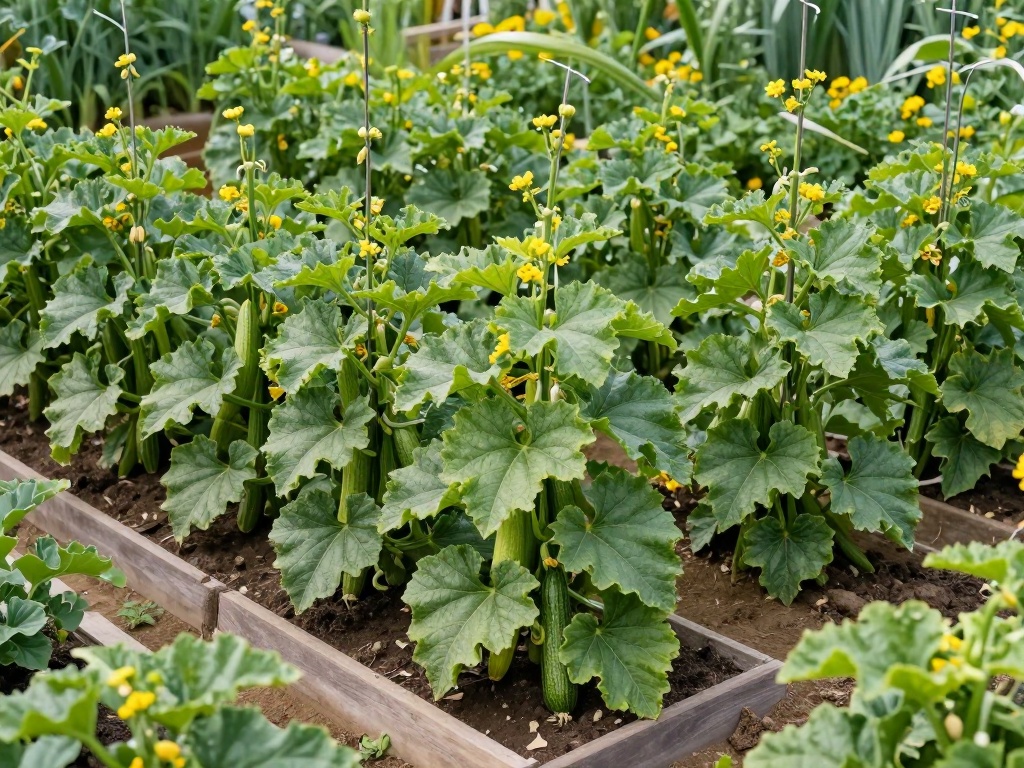
How to Master Zucchini Vertical Gardening Organic Method in 2026
Vertical gardening has revolutionized how we grow vegetables in limited spaces, and mastering the zucchini vertical gardening organic method can transform your garden productivity. Whether you have a small balcony, raised beds, or a compact backyard, growing zucchini vertically allows you to harvest exceptional yields while maintaining completely natural, chemical-free practices. This comprehensive guide covers everything you need to know about implementing an organic approach to vertical zucchini cultivation in 2026.
Why Choose Vertical Gardening for Zucchini
Traditional zucchini plants sprawl across the garden, often requiring 3-4 feet of horizontal space per plant. The vertical gardening organic method redirects this vigorous growth upward, saving valuable garden real estate while offering numerous advantages for organic growers.
Space Efficiency Benefits
Growing zucchini vertically reduces ground space requirements by up to 75%. A single plant that would normally spread across a 4-foot diameter circle can thrive in just 2 square feet when trained to grow upward. This makes zucchini vertical gardening in containers and small urban spaces genuinely practical for modern gardeners.
Improved Air Circulation and Disease Prevention
When zucchini vines climb instead of sprawl, air circulates freely around leaves and stems. This natural ventilation significantly reduces fungal diseases like powdery mildew, which commonly affects zucchini in humid conditions. Organic gardeners appreciate this natural disease resistance, as it minimizes the need for any intervention.
Cleaner Harvests and Easier Picking
Fruit hanging from trellises stays cleaner and is far easier to spot and harvest. No more hunting beneath sprawling leaves or discovering oversized zucchini hiding in the foliage. This accessibility encourages regular harvesting, which actually promotes continued production throughout the season.
Essential Materials and Setup for Organic Success
The foundation of any successful organic zucchini vertical gardening project begins with selecting appropriate materials and planning your support structure. Using natural, sustainable materials aligns with organic gardening principles while providing lasting functionality.
Choosing Support Structures
- Trellis netting – Natural hemp or cotton netting works excellently for supporting zucchini vines
- Wooden arbors – Cedar and redwood offer durability without chemical treatments
- Livestock panels – Galvanized steel provides long-lasting support when organic certification allows
- Bamboo poles – An entirely renewable resource perfect for teepee-style supports
Container Selection for Vertical Growing
When growing zucchini in containers for vertical display, select pots with minimum 5-gallon capacity. Fabric grow bags have become increasingly popular among organic gardeners because they promote excellent root aeration and prevent overwatering naturally. Ensure containers have adequate drainage holes to maintain the well-draining conditions zucchini requires.
Step-by-Step Zucchini Vertical Gardening Organic Method
Preparing Soil Organically
Zucchini demands nutrient-rich, well-draining soil that supports vigorous vertical growth. The organic method begins with creating a custom potting mix that nourishes plants throughout the season without synthetic fertilizers.
Combine the following organic amendments for optimal results:
- 60% quality compost – Provides slow-release nutrients and beneficial microorganisms
- 30% coconut coir or peat moss – Retains moisture while maintaining structure
- 10% perlite or coarse sand – Ensures excellent drainage
Work in 1 cup of organic bone meal per plant at planting time to support strong root development. This foundation sets the stage for thriving vertical growth without ever touching synthetic products.
Selecting the Right Zucchini Varieties
Not all zucchini varieties adapt equally well to vertical growing. Bush varieties can be trained upward but generally need less support, while vining types embrace this method enthusiastically. For maximum yield in small spaces, consider these proven performers:
- Black Beauty – Classic variety that adapts well to light trellising
- Costata Romanesco – Italian heirloom with attractive ribbed fruits and excellent flavor
- Ronde de Nice – Round French variety perfect for vertical support
- Pattypan/Scallop – Compact bush type ideal for containers
Installing Support Structures
Install your chosen support structure before planting to avoid disturbing developing roots. For raised beds vertical gardening, secure posts at least 18 inches deep for stability. Attach horizontal supports every 12 inches as the plant grows. Position the trellis where it receives at least 6-8 hours of direct sunlight daily.
The ideal setup involves a sturdy A-frame or vertical panel that can support 20-30 pounds per plant as fruit develops. Zucchini fruits can become surprisingly heavy, so err on the side of over-engineering your support.
Training Your Zucchini Vertically
Begin training your zucchini vertical gardening organic method plants when seedlings reach 6-8 inches tall. Gently weave the main stem through your support netting, using soft plant ties to secure loosely. Never cinch ties tightly—stems expand rapidly and need room to grow.
As lateral branches develop, train them to the sides of your support structure. Remove any stems touching the ground to prevent pest access and disease. The goal is creating an open, airy structure that sunlight penetrates easily.
Care and Maintenance for Organic Vertical Zucchini
Watering Techniques
Vertical zucchini plants typically require more frequent watering than ground-planted varieties. Water deeply at soil level every 2-3 days during moderate temperatures, increasing to daily watering during heat waves. Drip irrigation or soaker hoses work wonderfully for organic gardening as they deliver water directly to roots without wetting foliage.
Feeding Organically Throughout the Season
The zucchini vertical gardening organic method relies on consistent nutrition to fuel vertical growth and prolific fruiting. Apply compost tea every 2-3 weeks throughout the growing season. To make compost tea, steep 1 cup quality compost in 5 gallons water for 24-48 hours, stirring occasionally.
Side-dress plants monthly with additional compost, scratch gently into soil surface, and water thoroughly. This slow-release feeding schedule supports steady growth without the nitrogen spikes that synthetic fertilizers cause.
Natural Pest Control
Organic pest management in vertical zucchini gardening emphasizes prevention and biodiversity. Companion planting with basil, nasturtiums, and marigolds naturally repels common pests like aphids and cucumber beetles. Encouraging beneficial insects by including flowering herbs creates a self-regulating ecosystem.
For persistent pest issues, organic solutions include neem oil sprays for aphids and hand-picking squash bugs in early morning when they're sluggish. Floating row covers protect young plants from insect damage while allowing light and air penetration.
Common Mistakes to Avoid
Understanding pitfalls in the zucchini vertical gardening organic method saves frustration and ensures your first season succeeds. Many gardeners inadvertently sabotage their vertical gardens through well-meaning but counterproductive practices.
Insufficient Support Strength
Underestimating the weight that develops on vertical zucchini plants leads to collapsed structures mid-season. Mature zucchini plants carrying multiple fruits can exceed 30 pounds. Always build supports rated for significantly more weight than you expect.
Improper Pruning
While some pruning improves vertical zucchini, excessive trimming reduces yield dramatically. Remove only damaged leaves and those blocking fruit from light. Never remove more than 20% of foliage at once, as leaves photosynthesize to fuel fruit production.
Overwatering and Poor Drainage
Container-grown vertical zucchini fails quickly with waterlogged roots. Ensure excellent drainage and water only when the top 2 inches of soil feel dry. This balance becomes especially critical in cooler weather when evaporation slows.
Harvesting Your Vertical Zucchini
The zucchini vertical gardening organic method produces harvest-ready fruit in 45-65 days from transplanting. Harvest when fruits reach 6-8 inches for best texture and flavor—larger zucchini become seedy and watery.
Use sharp pruners or a knife to cut fruits from vines, leaving a 1-inch stem attached. Check plants every 2-3 days during peak production, as zucchini can grow from flower to harvestable size in just 24-48 hours during warm weather.
Regular harvesting signals the plant to continue producing. Leaving oversized fruits on the vine signals the plant its reproductive mission is complete, dramatically reducing total yield.
Frequently Asked Questions
What is the best time to plant zucchini for vertical gardening?
Plant vertical zucchini 2-3 weeks after your last frost date when soil temperatures reach 60°F minimum. Starting seeds indoors 3-4 weeks earlier gives you a head start on the season. In regions with short summers, choose quick-maturing varieties that produce within 50 days to ensure harvest before fall frost arrives.
How much yield can I expect from vertical zucchini gardening?
A single vertically grown zucchini plant typically produces 5-10 pounds of fruit per season, comparable to traditionally grown plants. The organic method may produce slightly lower individual fruit weights but compensates with better overall plant health and extended production periods. In small spaces, expect 10-15 pounds total from 2-3 plants.
Is vertical zucchini gardening suitable for complete beginners?
Absolutely! The zucchini vertical gardening organic method makes an excellent first project for beginners. Zucchini grows vigorously and forgives minor care mistakes. Starting with one plant in a 5-gallon container with a simple bamboo teepee teaches essential skills like watering, feeding, and harvesting without overwhelming new gardeners.
What's the cost difference between vertical and traditional zucchini growing?
Initial setup costs for vertical gardening organic method are slightly higher due to support structures and quality containers. However, you save money long-term by growing more in less space, reducing water waste through efficient container growing, and eliminating expenses for pest control products since vertical growing naturally prevents many issues.
How long does it take to see results from vertical zucchini gardening?
Seedlings establish visible vertical growth within 2-3 weeks of planting. First flowers appear around day 35-45, with harvestable fruit developing within 10-15 days after flowering. Expect peak production between weeks 8-14 of growth, with the plant continuing to produce for 6-8 weeks under optimal conditions.
Can I grow zucchini vertically on an apartment balcony?
Zucchini vertical gardening in containers on balconies works wonderfully with proper planning. Choose compact varieties, use minimum 5-gallon containers, and position where 6+ hours direct sunlight occurs. South-facing balconies typically provide ideal conditions. Weight considerations matter—ensure your balcony structure supports container soil weight when thoroughly watered.
No comments