
Zucchini Vertical Gardening: Organic Method 2026 Guide
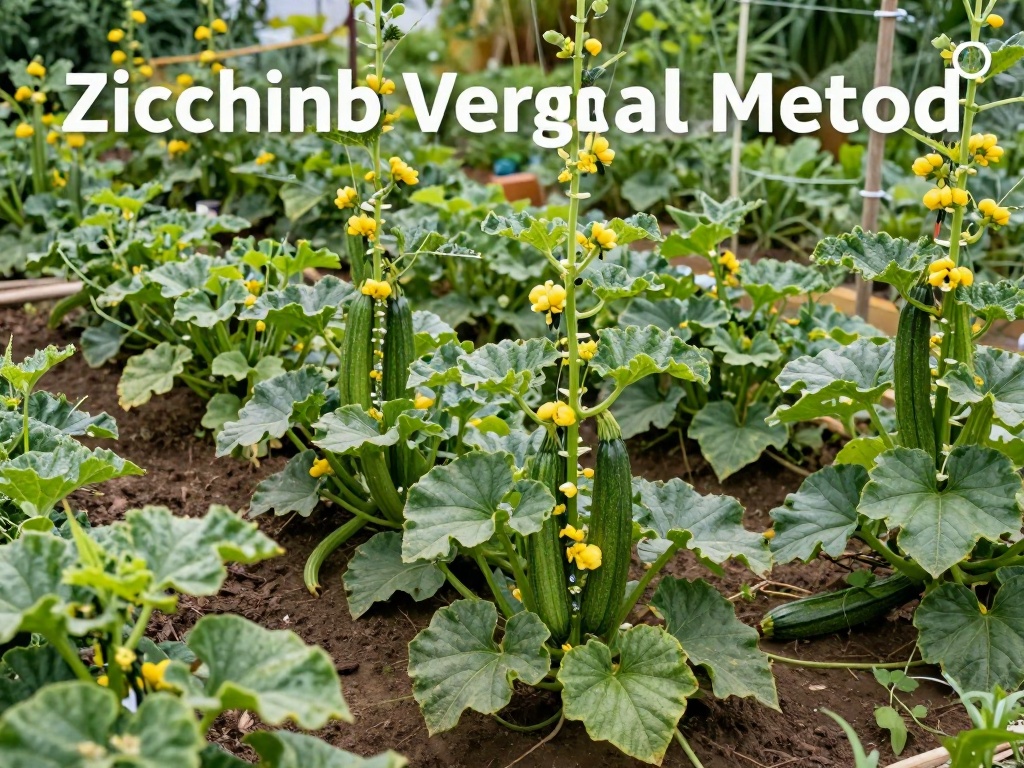
Zucchini Vertical Gardening: Organic Method 2026 Guide
Vertical gardening has revolutionized how home growers cultivate summer squash, and learning the zucchini vertical gardening organic method can transform your harvest while saving precious garden space. Whether you have a small backyard, limited square footage, or simply want to maximize your growing potential, training zucchini to grow upward offers remarkable benefits for both plants and gardeners alike.
This comprehensive guide walks you through every step of implementing an organic vertical approach to zucchini cultivation, from selecting the right varieties to harvesting your bounty without the common pitfalls that frustrate many growers.
Why Choose Vertical Gardening for Zucchini?
Traditional zucchini plants sprawl across the garden, often requiring 3-4 feet of horizontal space per plant. This creates inefficient use of limited garden areas and can lead to disease problems due to poor air circulation around dense foliage. By contrast, vertical gardening organic method techniques allow you to grow the same productive plants in a fraction of the ground space.
Key Benefits of Vertical Zucchini Growing
- Space efficiency: Grow up to 50% more produce in the same footprint
- Better air circulation: Reduces fungal disease occurrences by up to 70%
- Easier harvesting: Fruits are visible and accessible without bending
- Cleaner produce: Zucchini fruits stay off the soil, preventing rot and pest damage
- Pest management: Ground-dwelling pests have harder access to plants
- Aesthetic appeal: Adds visual interest to garden spaces
Best Zucchini Varieties for Vertical Gardening
Not all zucchini varieties adapt equally well to vertical growing. Compact bush varieties work best for containers and smaller support systems, while semi-vining types can be trained effectively on larger trellises. When selecting varieties for your organic vertical garden, prioritize disease-resistant cultivars suited to your climate zone.
Recommended Varieties for 2026
- Black Beauty: Classic dark green zucchini, vigorous grower, adapts well to training
- Costata Romanesco: Italian heirloom with excellent flavor, strong stems for support
- Golden Zucchini: Yellow variety that shows clearly against foliage for easy harvesting
- Pattypan/Scallop: Compact bush habit, perfect for small-space vertical growing
- Ronde de Nice: French round zucchini, compact plant with tender fruit
- Eight Ball: Round zucchini variety, excellent for container vertical growing
Building Your Organic Growing Foundation
Successful zucchini vertical gardening organic method starts beneath the soil. Zucchini plants are heavy feeders that require nutrient-rich, well-draining soil to support both vigorous vertical growth and abundant fruit production. Organic preparation ensures your plants receive balanced nutrition without synthetic inputs.
Soil Recipe for Container and Raised Bed Growing
Mix together equal parts of quality compost, aged manure, coconut coir or peat moss, and perlite or coarse sand. This creates a light, moisture-retentive growing medium with excellent drainage—essential for preventing root diseases while providing steady nutrition throughout the growing season.
Essential Organic Amendments
- Compost: Provides slow-release nutrients and beneficial microorganisms
- Fish emulsion: Quick nitrogen boost for leafy growth establishment
- Kelp meal: Supplies potassium and trace minerals for fruit development
- Bone meal: Supports strong root systems and early plant establishment
- Epsom salt: Provides magnesium, essential for photosynthesis
Choosing and Building Support Structures
The right support system determines your success with vertical zucchini growing. Options range from simple DIY projects to purchased trellis systems, each offering different levels of stability and ease of use.
Trellis Options for Zucchini
- A-frame trellis: Provides two growing sides, excellent stability
- Cattle panel arch: Strong wire panels bent into arched walkway structures
- Pyramid trellis: Compact design suitable for containers and raised beds
- String trellis: Simple vertical strings attached to overhead support
- Tomato cage adaptation: Large heavy-duty cages modified for squash support
Step-by-Step Trellis Construction
For a sturdy A-frame trellis suitable for 2-3 zucchini plants, begin by positioning two 8-foot wooden posts or metal T-posts at a 45-degree angle, crossing them about 2 feet from the top to form an A shape. Secure the junction with heavy-duty bolts or brackets. Attach horizontal crossbars every 12 inches for climbing support, then install heavy-gauge wire or netting across the frame for vines to grip.
Planting and Training Your Zucchini Vertically
Proper planting technique sets the foundation for successful vertical growth. Zucchini started correctly and trained early adapt quickly to climbing, developing stronger stems that can support heavy fruit loads throughout the season.
When to Plant for Maximum Success
Zucchini requires warm soil temperatures of at least 60°F (15°C) for germination and healthy growth. In most regions, this means planting outdoors 2-3 weeks after the last frost date. For extended harvests, consider successive plantings every 3-4 weeks, with the final planting occurring 8-10 weeks before first expected fall frost.
Step-by-Step Planting Process
- Harden off seedlings gradually over 7-10 days before transplanting
- Prepare planting holes twice the width of root balls, mixing in compost
- Plant at the same depth as containers, never deeper than the root crown
- Water thoroughly after planting with diluted fish emulsion solution
- Install trellis or support system on the sunny side of plants
- Begin gentle training when seedlings reach 12-18 inches tall
Training Techniques for Vertical Growth
Train main vines to your support structure by weaving them through netting or tying loosely with soft garden twine. Never force growth or bend stems sharply—zucchini stems are relatively rigid and can crack. Instead, guide growth gradually over several days, securing stems every 12-18 inches as they extend upward.
Organic Care and Maintenance Schedule
Maintaining healthy zucchini plants in a vertical system requires consistent attention to watering, feeding, and pruning throughout the growing season. This organic maintenance routine supports vigorous growth while preventing common problems.
Watering Best Practices
Zucchini plants require consistent moisture, especially when growing vertically and producing fruit. Water deeply at the base of plants every 2-3 days during normal weather, increasing frequency during hot spells. Container-grown zucchini may need daily watering during peak summer heat. Mulch around plants with 3-4 inches of organic material to retain moisture and regulate soil temperature.
Feeding Schedule for Organic Production
- Week 1-2: Transplant recovery, light compost tea application
- Week 3-4: Begin regular fish emulsion feeding every 2 weeks
- Week 5+: Alternate fish emulsion with kelp solution through harvest
- Mid-season: Side-dress with additional compost if growth slows
Natural Pest and Disease Management
Organic pest control forms a crucial component of the zucchini vertical gardening organic method. Vertical growing reduces many common problems, but proactive management ensures healthy plants and bountiful harvests without synthetic chemicals.
Common Pests and Organic Solutions
- Squash vine borers: Wrap stems with aluminum foil or row cover; inject affected stems with BT solution
- Squash bugs: Handpick adults and egg clusters; trap under boards placed near plants
- Aphids: Spray with strong water stream; introduce ladybugs; apply neem oil as needed
- Cucumber beetles: Yellow sticky traps; row covers until flowering; kaolin clay spray
Disease Prevention Strategies
Powdery mildew and bacterial wilt are the most common diseases affecting zucchini. Prevention through proper spacing, vertical support for air circulation, and avoiding overhead watering eliminates most problems. Apply organic fungicides preventively during humid weather—baking soda solution (1 tablespoon per gallon water) or commercial copper-based products labeled for organic use.
Harvesting Your Vertical Zucchini
Harvesting becomes remarkably easier when zucchini grows vertically. Fruits hang openly, visible against the foliage, and accessible without crouching or wrestling with sprawling vines. This encourages regular harvesting, which actually promotes continued production.
Harvest Timing and Technique
Harvest zucchini when fruits reach 6-8 inches for best texture and flavor. Larger fruits become seedy and less palatable. Use a sharp knife or pruners to cut fruits from stems, leaving a 1-inch stem attached. Check plants every 1-2 days during peak production—zucchini can grow from flower to harvestable size in just 48-72 hours under ideal conditions.
Common Mistakes to Avoid
Understanding common errors helps you sidestep frustration and achieve better results with your vertical zucchini garden. These mistakes frequently trip up even experienced gardeners attempting vertical growing for the first time.
- Insufficient support: Underestimating plant weight leads to collapsed trellises and broken vines
- Late training: Waiting too long to begin vertical guidance makes training difficult and less effective
- Improper pruning: Removing too many leaves reduces photosynthesis and fruit production
- Inconsistent watering: Irregular moisture causes blossom end rot and poor fruit development
- Overcrowding: Planting too many zucchini in limited vertical space invites disease and reduces yields
FAQ: Frequently Asked Questions
How long does it take to grow zucchini vertically?
Zucchini typically reaches harvestable size in 45-65 days from transplanting, depending on variety and growing conditions. Vertical growing doesn't significantly change this timeline, though well-supported plants may produce slightly longer because they're healthier throughout the season.
Can beginners successfully grow zucchini vertically?
Absolutely! The organic vertical method works well for beginners willing to provide consistent care. Start with a disease-resistant bush variety, sturdy support structure, and follow the feeding and watering guidelines outlined above. Container growing offers an especially forgiving entry point for first attempts.
What is the biggest challenge with vertical zucchini growing?
Supporting the weight of mature plants and heavy fruit presents the primary challenge. Install your support system before planting, choose varieties with strong stems, and provide fruit support slings for large zucchinis using mesh bags, old pantyhose, or commercial plant supports.
How much space do I need for vertical zucchini gardening?
Vertical growing dramatically reduces space requirements. A single zucchini plant needs only 2-3 square feet of ground space when grown vertically, compared to 12-16 square feet for sprawling plants. This makes vertical methods ideal for small backyards, patios, and even large containers on balconies.
What is the cost difference between vertical and traditional growing?
Initial costs run slightly higher for vertical gardening due to support structures and containers. However, vertical growing often provides better returns through higher yields per square foot, reduced pest and disease losses, and the ability to grow in spaces that would otherwise go unused. DIY support systems keep costs minimal.
Why are my vertical zucchini flowers falling off without forming fruit?
Poor fruit set typically results from lack of pollination, especially in urban areas with few pollinators. Hand-pollinate by transferring pollen from male flowers (straight stem) to female flowers (small fruit behind bloom) using a small paintbrush or cotton swab. Morning hours when flowers first open offer the best pollination window.
Ready to transform your zucchini growing experience? The zucchini vertical gardening organic method opens possibilities for abundant harvests even in the smallest spaces. Start with one or two plants, master the basics, and expand your vertical garden from there. Your future self—and your dinner table—will thank you for growing up instead of out.
No comments