
Zucchini Container Gardening in Raised Beds: 2026 Complete Guide
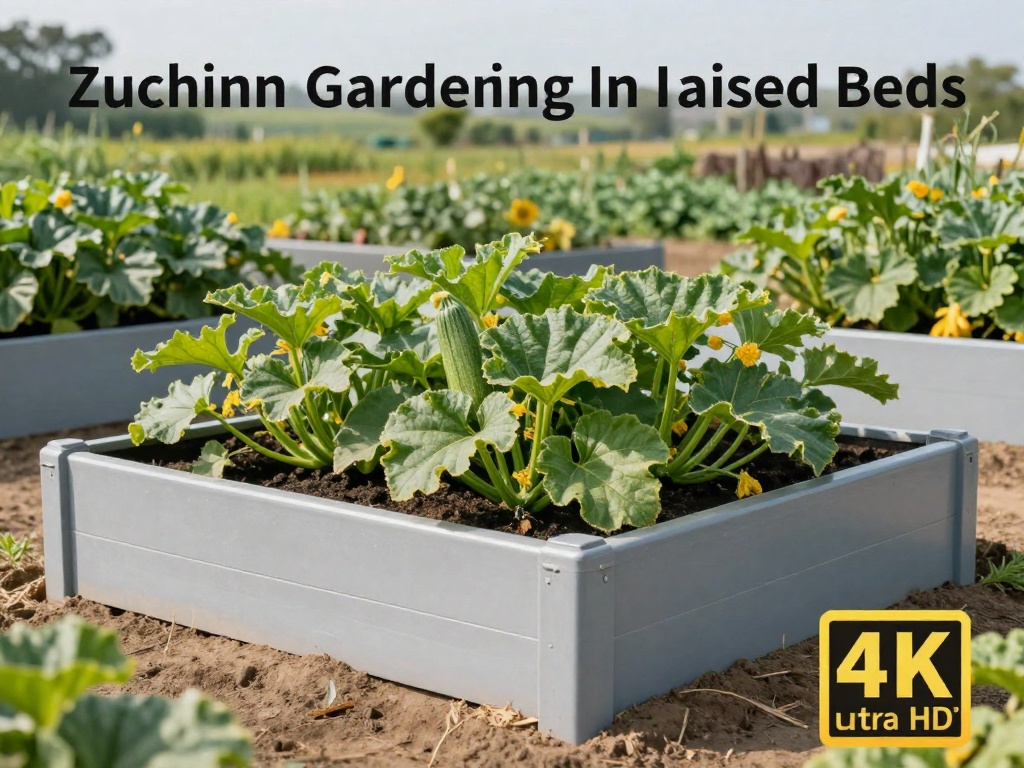
Zucchini Container Gardening in Raised Beds: 2026 Complete Guide
Zucchini container gardening in raised beds offers urban gardeners and space-conscious growers an excellent way to enjoy abundant harvests without requiring a traditional in-ground garden. Whether you have a small patio, balcony, or limited backyard space, this method combines the benefits of container growing with the improved soil conditions of raised beds. In this 2026 complete guide, you'll discover step-by-step techniques for successfully growing zucchini in containers placed within raised bed systems.
Why Choose Container Gardening for Zucchini in Raised Beds?
Zucchini plants are prolific producers, but they need ample root space and consistent nutrition to thrive. Combining containers with raised beds creates an ideal growing environment that addresses common gardening challenges while maximizing your available space.
Space Efficiency and Mobility
Container gardening in raised beds allows you to grow zucchini even when ground soil quality is poor or space is limited. Containers can be repositioned to follow sunlight patterns throughout the growing season, ensuring your zucchini receives the 6-8 hours of direct sunlight it needs daily. This mobility is especially valuable for renters or those with changing garden layouts.
Superior Soil Control
When you grow zucchini in containers within raised beds, you have complete control over soil composition. Zucchini thrives in rich, well-draining soil with a pH between 6.0 and 7.5. Container gardening eliminates soil-borne diseases and allows you to create the perfect growing medium from scratch, resulting in healthier plants and better yields.
Pest and Weed Management
Elevated containers within raised beds make it more difficult for ground-dwelling pests like slugs and snails to reach your plants. The contained environment also significantly reduces weed competition, saving you hours of maintenance time throughout the growing season.
Choosing the Right Container Size for Zucchini
Selecting appropriate containers is crucial for successful zucchini container gardening in raised beds. Zucchini plants develop extensive root systems that require adequate space to absorb water and nutrients efficiently.
Minimum Container Dimensions
Each zucchini plant needs a container with a minimum capacity of 5 gallons and at least 12 inches in depth. However, for maximum yield and healthier plants, choose containers that hold 10-15 gallons with a diameter of 18-24 inches. Bush varieties like 'Raven' and 'Eight Ball' perform exceptionally well in these container sizes.
Container Materials and Drainage
Fabric grow bags, plastic containers, and ceramic pots all work well for zucchini container gardening in raised beds. Fabric containers offer superior aeration to roots, while plastic retains moisture longer in hot climates. Regardless of material, ensure your containers have multiple drainage holes to prevent waterlogging, which causes root rot in zucchini plants.
Preparing Your Raised Bed for Zucchini Containers
Setting up your raised bed correctly optimizes the growing environment and makes container maintenance easier throughout the season. The raised bed itself should be at least 12 inches deep to accommodate container drainage and root development.
Ideal Raised Bed Placement
Position your raised bed in a south-facing location that receives full sun exposure for the majority of the day. Place individual containers within the raised bed, ensuring at least 36 inches of spacing between each plant. This spacing allows adequate air circulation, which helps prevent fungal diseases common in zucchini cultivation.
Container Positioning Strategy
Arrange taller containers at the north end of your raised bed to prevent shadowing smaller plants. Consider using pot feet or bricks to elevate containers slightly, improving drainage and making it harder for pests to access your plants from below.
The Perfect Soil Mix for Zucchini Container Gardening
Creating an optimized soil mix is perhaps the most critical factor in successful zucchini container gardening in raised beds. Commercial potting mixes often lack the nutrient density that zucchini plants require for prolific fruit production.
DIY Soil Mix Recipe
Combine equal parts of high-quality compost, peat moss or coco coir, and perlite or coarse sand. This mixture provides excellent drainage while retaining sufficient moisture and nutrients. Add 1-2 cups of aged manure or slow-release organic fertilizer per container to ensure your zucchini has nutrition throughout the growing season.
Soil Amendment Tips
Before planting, mix 2 tablespoons of balanced organic fertilizer (10-10-10) into the top 6 inches of soil in each container. Refresh the soil mix between seasons by adding fresh compost and replacing approximately one-third of the old medium to maintain optimal structure and nutrition levels.
Step-by-Step Planting Guide for Beginners
Following a systematic planting approach ensures your zucchini gets the best possible start, leading to stronger plants and earlier harvests. Timing and technique both matter when establishing your container garden.
When to Plant Zucchini in Containers
Start seeds indoors 3-4 weeks before your last expected frost date, or direct sow seeds into containers once soil temperatures reach 60°F (15°C). In most climates, late spring planting (May-June) allows zucchini to mature during warm summer months when fruit production peaks.
Planting Seeds Step by Step
Plant 2-3 zucchini seeds per container at a depth of 1 inch. Water thoroughly until moisture drains from the bottom. Place containers in a warm location (70-75°F) to encourage germination within 7-10 days. Once seedlings develop their second set of true leaves, thin to the strongest single plant per container.
Transplanting Seedlings Safely
If starting indoors, harden off seedlings gradually over 7-10 days by exposing them to outdoor conditions incrementally. Transplant on a cloudy day or during evening hours to reduce transplant shock. Ensure the seedling is planted at the same depth it occupied in its original container.
Essential Care and Maintenance Techniques
Consistent care throughout the growing season determines whether your zucchini container gardening in raised beds produces a modest harvest or an abundance of fresh produce. Focus on water, nutrition, and regular monitoring.
Watering Schedule for Maximum Yield
Zucchini plants in containers require more frequent watering than those in ground beds, typically every 1-2 days during hot weather. Water deeply until moisture reaches the root zone, usually when the top 1-2 inches of soil feel dry. Consistent moisture prevents blossom end rot and promotes even fruit development.
Fertilization for Healthy Growth
Feed zucchini plants every 2-3 weeks with a balanced liquid fertilizer diluted to half strength. Switch to a phosphorus-rich fertilizer (such as 5-10-10) once plants begin flowering to encourage abundant fruit production. Over-fertilizing with nitrogen produces lush foliage at the expense of fruit development.
Pruning and Training Techniques
Remove yellowing leaves and any diseased foliage promptly to maintain plant health. Pinch off the first few flowers to encourage stronger root and foliar development. For vining varieties, install a sturdy trellis or cage to support growing stems and keep fruits off the ground.
Common Problems and Solutions
Even with careful attention, zucchini container gardening in raised beds presents occasional challenges. Understanding common issues helps you identify and address problems quickly before they impact your harvest.
Yellowing Leaves
Yellow leaves often indicate overwatering, nutrient deficiency, or poor drainage. Check that containers drain properly and adjust your watering frequency. Apply a balanced fertilizer if leaves appear pale or yellow between veins, which signals nitrogen deficiency.
Blossom End Rot
This condition creates dark, sunken spots on fruit bottoms and results from calcium deficiency caused by inconsistent watering. Maintain regular watering schedules and consider adding crushed eggshells or gypsum to your soil mix for additional calcium supplementation.
Powdery Mildew Prevention
Fungal powdery mildew appears as white spots on leaves and thrives in humid conditions with poor air circulation. Space containers adequately, water at soil level to keep foliage dry, and ensure proper spacing within your raised bed setup.
Harvesting Your Container-Grown Zucchini
Proper harvesting techniques encourage continued production and ensure the best flavor and texture from your container-grown zucchini. Regular harvesting also prevents oversized fruits that become seedy and less palatable.
When and How to Harvest
Harvest zucchini when fruits reach 6-8 inches in length, typically 50-60 days after planting. Use a sharp knife or pruners to cut fruits from the plant, leaving a 1-inch stem attached. Harvest every 2-3 days during peak production to encourage continued flowering and fruiting.
Extending Your Harvest Season
Remove older, mature fruits promptly to stimulate new flower and fruit development. Apply mulch around container bases to maintain consistent soil temperatures and moisture levels. As temperatures cool in late summer, move containers to warmer microclimates within your raised bed to extend the growing season.
Frequently Asked Questions
What is the best zucchini variety for container gardening in raised beds?
Compact bush varieties perform best in containers. 'Raven', 'Black Beauty', 'Eight Ball', and 'Gold Rush' are excellent choices for raised bed container growing. These varieties produce full-sized fruits on smaller plants with root systems that adapt well to constrained growing spaces.
How many zucchini plants can I grow per container?
Plant only one zucchini per container, regardless of container size. Zucchini plants require significant space for both their above-ground foliage and extensive root systems. Attempting to grow multiple plants in one container leads to competition for nutrients, water, and light, resulting in poor yields.
Do zucchini containers in raised beds need winter protection?
Zucchini is an annual warm-season crop that completes its lifecycle in one growing season. In areas with frost, plants die after the first hard freeze. However, you can extend the season by moving containers indoors to a sunny location or covering raised beds with row covers when cold weather approaches.
What is the total cost of starting a zucchini container garden in raised beds?
Starting costs range from $50-150 depending on materials chosen. Basic supplies include containers ($10-30 each), quality potting soil ($10-20 per bag), seeds or seedlings ($3-10), fertilizer ($10-20), and a raised bed frame if you don't already have one ($50-100). Reusable materials like fabric grow bags and durable containers offer excellent long-term value.
How long does it take to grow zucchini from seed to harvest in containers?
Zucchini reaches harvestable size in approximately 50-65 days from seed sowing, or 40-50 days from transplanting seedlings. Container-grown plants may mature slightly faster than ground-planted counterparts due to optimized soil conditions, though growth rate depends significantly on sunlight exposure, temperature, and consistent care.
What are the most common beginner mistakes in zucchini container gardening?
Common errors include using containers that are too small, inadequate drainage leading to root rot, overwatering or underwatering, insufficient sunlight (less than 6 hours daily), skipping fertilization during the growing season, and harvesting fruits too late when they become oversized and seedy. Starting with proper container size and consistent watering schedules prevents most issues.
No comments