
2026 Guide: Zucchini Vertical Gardening Organic Method for Maximum Yield
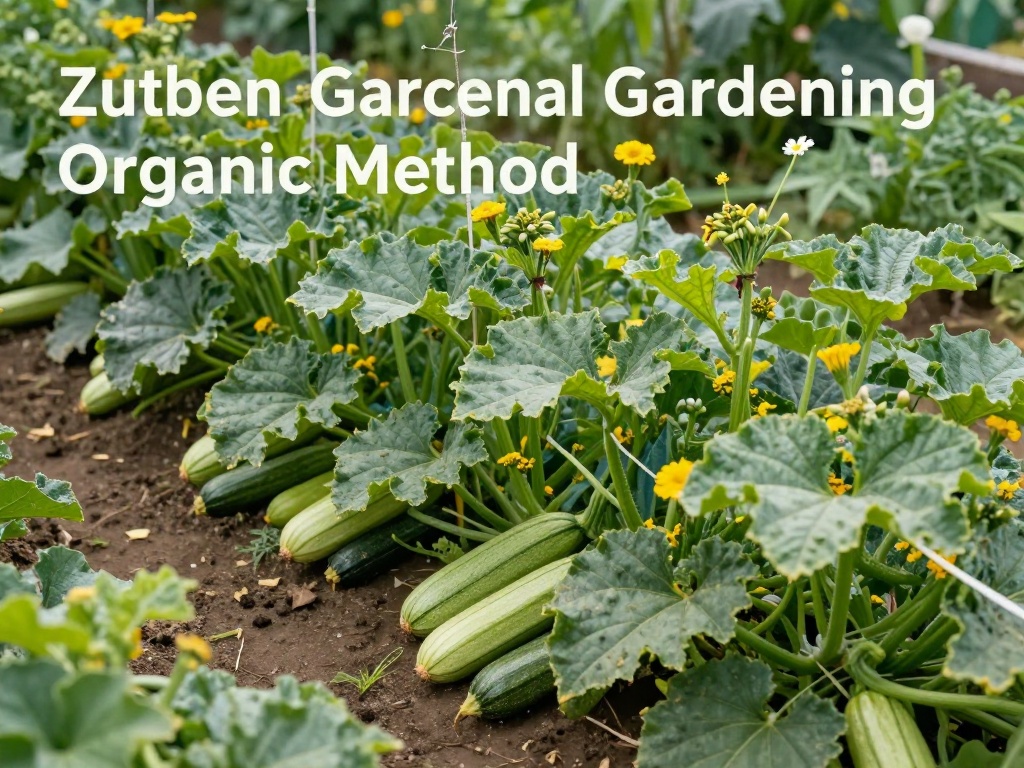
2026 Guide: Zucchini Vertical Gardening Organic Method for Maximum Yield
Growing zucchini vertically using organic methods is transforming how home gardeners cultivate this prolific summer squash. Whether you have a small backyard, a patio, or limited garden space, mastering the zucchini vertical gardening organic method allows you to harvest abundant crops without sacrificing precious ground area. This comprehensive guide provides step-by-step instructions for beginners and experienced gardeners alike, ensuring your 2026 growing season delivers exceptional results through sustainable, chemical-free techniques.
Why Choose Vertical Gardening for Zucchini?
Traditional zucchini plants sprawl across 3-4 feet of garden bed, consuming valuable space that could house multiple crops. Vertical gardening for zucchini redirects growth upward, utilizing trellises, cages, and support structures to maximize your harvest while minimizing your footprint. The organic method eliminates synthetic fertilizers and pesticides, producing healthier plants and more nutritious produce.
Benefits of Going Vertical
- 50-75% space savings compared to ground cultivation
- Improved air circulation reduces fungal disease risk
- Easier harvest with fruits at comfortable height
- Cleaner produce without soil contact
- Better pest visibility and organic control opportunities
- Enhanced sunlight exposure for all plant parts
Selecting the Right Zucchini Varieties for Vertical Growth
Not all zucchini varieties adapt equally well to vertical growing. Bush varieties work best for compact spaces, while semi-vining types climb willingly with proper training. Choose disease-resistant cultivars suited to your climate zone for optimal performance in your vertical garden.
Best Zucchini Varieties for Vertical Gardening
Compact Bush Varieties: These naturally smaller plants require minimal training and adapt beautifully to containers and small-space vertical systems. Look for varieties specifically bred for patio or container growing.
Semi-Vining Varieties: These versatile plants willingly climb 4-6 feet when provided adequate support. They typically produce larger fruits but require slightly more attention to training and support.
Heirloom Selections: Many heirloom zucchini varieties display excellent climbing tendencies, offering unique flavors and textures unavailable in commercial hybrids. Consider adding heritage varieties for diversity in your organic garden.
Building Your Vertical Support System
A sturdy support structure forms the foundation of successful zucchini vertical gardening. Your trellis or support must handle significant weight as fruits develop, plus wind stress on the climbing vines. Construct or purchase a system that provides reliable stability throughout the growing season.
Trellis Options for Zucchini
A-Frame Trellises: Two angled panels meeting at the peak create an A-shape, supporting vines on both sides while remaining stable in wind. This design works exceptionally well in raised beds and small-space gardens.
Cattle Panel Arches: Welded wire panels bent into arches provide exceptional strength and create attractive garden features. Position plants on both sides of the arch for maximum production in narrow spaces.
Tripod Trellises: Three or four poles meeting at the top create a teepee-style support ideal for containers and raised beds. This design allows easy access for harvesting and maintenance activities.
String Trellis Systems: For those seeking inexpensive options, vertical strings attached to overhead supports work well for lightweight bush varieties and offer flexibility for seasonal garden layouts.
Installing Your Support Structure
Position your vertical supports before planting to avoid damaging young seedlings. Secure posts at least 12 inches deep in soil, or use heavy-duty ground anchors for portable containers. Install horizontal crossbars every 12-18 inches to provide additional climbing rungs for developing vines.
The Organic Method: Soil Preparation and Nutrition
Successful organic zucchini gardening begins with nutrient-rich, biologically active soil. Synthetic fertilizers harm beneficial soil organisms and reduce long-term soil fertility. Instead, build your soil ecosystem using natural amendments that feed plants slowly and sustainably throughout the growing season.
Creating Your Organic Soil Mix
Combine equal parts of quality compost, aged animal manure, and native garden soil for in-ground plantings. Container gardeners should use a blend of 60% organic potting soil, 30% aged compost, and 10% perlite for excellent drainage and moisture retention.
Essential Organic Amendments:
- Compost: Provides balanced nutrition and improves soil structure
- Worm Castings: Offers concentrated nutrients and beneficial microorganisms
- Bone Meal: Supplies slow-release phosphorus for root and fruit development
- Blood Meal: Provides nitrogen for vigorous green growth
- Epsom Salt: Delivers magnesium for chlorophyll production and fruit set
Feeding Schedule for Organic Zucchini
Apply a thick compost mulch around plants at planting time to suppress weeds and slowly release nutrients. Side-dress plants with aged compost every 3-4 weeks during active growth. Water plants with compost tea monthly to boost beneficial soil biology and provide foliar nutrition.
Step-by-Step Planting Process
Proper planting technique sets your vertical zucchini up for success from day one. Following this step-by-step approach ensures strong root development and vigorous climbing growth.
When to Plant
Direct sow seeds or transplant seedlings 2-3 weeks after your last expected frost when soil temperatures reach 60°F (15°C) or higher. In regions with short growing seasons, starting seeds indoors 3-4 weeks early gives plants a crucial head start on the climbing season.
Planting Technique
Create planting holes twice as wide as your root ball, spacing plants 24-36 inches apart along your trellis line. Gently remove seedlings from containers without disturbing roots, and plant at the same depth they grew previously. Water thoroughly after planting and maintain consistent moisture until plants establish.
Initial Training
As seedlings develop their first true leaves, gently guide main stems toward your support structure. Loosely tie stems using soft garden twine or plant clips, leaving room for future growth. Check and adjust ties weekly to prevent constriction as stems expand.
Training and Maintaining Vertical Zucchini
Consistent training throughout the growing season keeps your zucchini climbing productively and makes harvesting straightforward. Establish a weekly maintenance routine for best results with your organic vertical garden.
Main Stem Training
Identify the dominant growing tip and main stem of each plant. Gently wrap or clip this leader to your support structure every 12-18 inches of growth. Never force stems into sharp bends, as this damages internal vascular tissue and invites disease.
Side Shoot Management
Zucchini produces productive side shoots that contribute to overall yield. Allow lateral vines to climb adjacent to the main stem, using additional clips or ties to secure them to your support structure. Remove any shoots growing away from the support entirely to maintain an organized climbing structure.
Leaf Pruning for Health
Thin lower leaves periodically to improve air circulation around the base of plants. Remove any yellowing or diseased foliage immediately to prevent problems from spreading. Maintain 8-10 healthy leaves per plant for optimal photosynthesis while preventing overcrowding.
Organic Pest and Disease Management
Protecting your vertical zucchini with organic methods requires vigilance and preventive practices. The elevated growing position actually helps with many common problems, making organic control more manageable than traditional ground-level cultivation.
Common Zucchini Pests and Organic Solutions
Squash Vine Borers: These destructive larvae tunnel into stems at soil level. Prevention involves wrapping stem bases with aluminum foil or row cover during peak egg-laying season. If infestation occurs, slit stems lengthwise, remove larvae, and mound soil over the damaged area.
Squash Bugs: These shield-shaped insects suck plant juices and transmit disease. Handpick adults and egg masses from undersides of leaves in early morning when slow-moving. Apply neem oil spray for larger infestations.
Aphids: These tiny sap-suckers cluster on new growth and undersides of leaves. Blast them off with strong water spray, or apply insecticidal soap for persistent problems. Encourage beneficial insects like ladybugs that consume aphids naturally.
Cucumber Beetles: These spotted or striped beetles spread bacterial wilt disease. Use yellow sticky traps near plants and apply kaolin clay as a protective barrier. Row covers prevent access during early season.
Disease Prevention for Vertical Zucchini
Powdery Mildew: This common fungal disease appears as white powdery spots on leaves. Vertical growing improves air circulation, naturally reducing infection risk. Apply a spray of 1 part milk to 9 parts water weekly as prevention, or use organic fungicides containing potassium bicarbonate.
Bacterial Wilt: Transmitted by cucumber beetles, this devastating disease causes sudden wilting and death. Control beetle populations aggressively and remove infected plants immediately to prevent spread.
Blossom End Rot: This calcium deficiency causes blackened fruit bottoms. Maintain consistent watering to ensure steady calcium uptake, and add crushed eggshells or garden lime to soil as a calcium source.
Watering and Mulching Strategies
Proper hydration proves crucial for healthy vertical zucchini and uniform fruit development. Vertical plants often require more frequent watering than ground-level plants due to increased exposure and faster drainage.
Efficient Watering Techniques
Water deeply at soil level using drip irrigation or soaker hoses to deliver moisture directly to root zones. Avoid wetting foliage, which promotes fungal diseases. Provide 1-2 inches of water weekly, adjusting for rainfall and temperature extremes.
Organic Mulching Benefits
Apply 3-4 inches of organic mulch around plants to retain soil moisture, suppress weeds, and gradually add nutrients as it decomposes. Straw, shredded leaves, and grass clippings all work excellently for zucchini. Mulch also maintains more consistent soil temperatures during summer heat.
Harvesting Your Vertical Zucchini
One significant advantage of growing zucchini vertically is the ease of harvesting. Fruits hang in plain view, making it simple to spot perfect specimens and avoid the oversized, seedy zucchini that plague ground-level gardens.
When to Harvest
Harvest zucchini when fruits reach 6-8 inches long for best texture and flavor. Smaller fruits taste sweeter and more tender than larger specimens. Check plants every 2-3 days during peak production, as zucchini can grow from flower to harvestable size in just 48-72 hours.
Proper Harvesting Technique
Cut fruits from vines using sharp scissors or a knife, leaving a 1-inch stem attached. Handle fruits gently to avoid bruising. Harvest regularly encourages continued production, as plants redirect energy from seed development to new fruit formation.
Storage and Usage
Store harvested zucchini in the refrigerator for up to one week. Wash fruits only before use to prevent premature spoilage. Zucchini suits grilling, sautéing, baking, spiralizing, and incorporation into breads and baked goods.
Extending Your Growing Season
Maximize your vertical zucchini production by extending the growing season at both ends. With protection from late-spring and early-fall frosts, your vertical garden can produce for several months beyond normal growing windows.
Season Extension Techniques
Install row covers over your vertical supports in early spring to warm air around plants and protect from light frosts. Remove covers when flowers appear to allow pollination by bees and other insects. In fall, reinstall covers when nighttime temperatures drop below 50°F (10°C).
Succession Planting
Start new seeds every 4-6 weeks during the growing season to ensure continuous production. Succession planting works exceptionally well with vertical growing, as you can replace exhausted plants with fresh seedlings along your support structure.
Overwintering and Season Cleanup
Proper end-of-season cleanup prevents disease carryover and sets up success for the following year. Even with vertical organic gardening methods, diligent cleanup matters tremendously.
Fall Cleanup Protocol
Remove all plant debris from your support structures and garden area. Compost healthy plant material, but discard anything showing disease symptoms in trash rather than compost. Clean and store trellis hardware to prevent rust and extend equipment life.
Soil Improvement Over Winter
After removing plants, amend soil with fresh compost and cover crops suited to your climate. Winter cover crops like winter rye or clover protect soil from erosion while adding organic matter and fixing nitrogen for spring planting.
Common Mistakes to Avoid
Learning from typical errors helps you achieve better results with your vertical zucchini garden. Avoiding these common pitfalls ensures your organic growing experience remains productive and enjoyable.
Top Mistakes and Solutions
Undersized Support Structures: Build supports rated for at least 50 pounds per plant to handle mature fruit loads safely.
Inconsistent Watering: Irregular watering causes blossom end rot and poor fruit development. Drip irrigation maintains consistent soil moisture levels.
Neglecting Pollination: Poor pollination results in small, shriveled fruits that fall prematurely. Hand-pollinate flowers using a small brush if bee activity remains low.
Overcrowding Plants: Maintain proper spacing even in small-space gardens. Crowded plants share disease and compete for nutrients and light.
Skipping Soil Preparation: Strong vertical growth requires nutrient-rich soil. Never plant into unprepared ground, regardless of how healthy it appears.
Cost and Effort Assessment
Understanding the investment required helps you plan your vertical zucchini garden realistically. While initial setup costs vary based on chosen materials and scale, organic vertical gardening generally offers excellent return on investment.
Estimated Costs
Support structures range from $20-100 depending on materials and size. Organic soil amendments cost approximately $30-50 for a medium-sized garden. Seeds or seedlings add $5-15 to initial investment. Ongoing costs remain minimal with organic methods, primarily involving compost and occasional amendments.
Time Requirements
Initial setup requires 2-4 hours for support construction and soil preparation. Weekly maintenance averages 30-45 minutes for training, checking, and harvesting. During peak production, expect to spend 15-20 minutes daily on harvest rounds.
Results Timeline: What to Expect
Vertical zucchini gardening delivers faster results than many garden vegetables, though patience remains essential during the initial growth phase.
Growth Milestones
Week 1-2: Seeds germinate and seedlings establish root systems. Minimal visible vertical growth occurs during this critical foundation phase.
Week 3-4: Vegetative growth accelerates. Main stems lengthen noticeably, and first leaves reach full size. Begin regular training activities.
Week 5-6: Plants reach 2-3 feet in height. First flowers appear, signaling impending fruit production. Continue consistent training and feeding.
Week 7+: Harvest begins for early varieties. Plants continue climbing and producing throughout the season with proper care.
Frequently Asked Questions
Can beginners successfully grow zucchini vertically using organic methods?
Absolutely! Zucchini adapts readily to vertical growing, and organic methods prove simpler than synthetic approaches. Start with a compact bush variety and a sturdy trellis, follow consistent watering and feeding practices, and you'll harvest successfully within 7-8 weeks of planting.
What size trellis does zucchini need when grown vertically?
Zucchini plants require support structures at least 5-6 feet tall for semi-vining varieties, with horizontal spacing of 24-36 inches between plants. Support crossbars every 12-18 inches help vines attach securely and distribute fruit weight throughout the structure.
How much harvest can I expect from vertical zucchini plants?
A single healthy vertical zucchini plant produces 10-15 pounds of fruit throughout the growing season under ideal conditions. This yield matches or exceeds ground-level cultivation while occupying roughly half the horizontal garden space.
What's the biggest mistake when growing zucchini vertically?
Insufficient support strength causes the most common failure. Mature zucchini plants with developing fruit create significant weight that overwhelms flimsy structures. Invest in sturdy supports rated for 50+ pounds per plant to ensure structural integrity throughout the season.
Do I need to hand-pollinate zucchini when growing vertically?
Hand pollination isn't always necessary if bee activity remains high in your area. However, vertical growing sometimes reduces bee access to flowers. When fruit sets poorly or develops abnormally, hand-pollinate by transferring pollen from male flowers to female flowers using a small paintbrush or cotton swab.
How does vertical growing affect zucchini flavor compared to traditional methods?
Vertical zucchini often develops superior flavor due to increased sunlight exposure and improved air circulation. Fruits maintain cleaner surfaces without soil contact, and consistent care through organic methods produces sweeter, more tender flesh with better texture.
No comments