
Zucchini Vertical Gardening Organic Method: 2026 Complete Guide
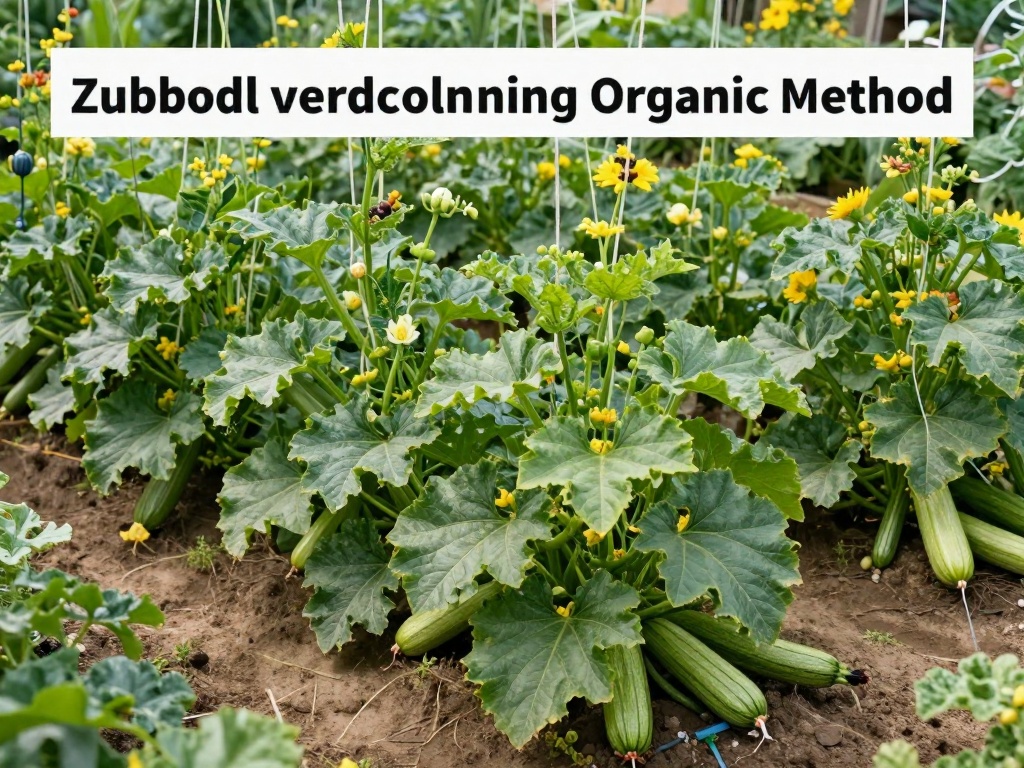
Zucchini Vertical Gardening Organic Method: 2026 Complete Guide
Vertical gardening has revolutionized how home growers cultivate summer squash, and the zucchini vertical gardening organic method offers an incredible solution for gardeners with limited space. Whether you have a tiny balcony, a small backyard, or simply want to maximize your garden's productivity, growing zucchini upward instead of outward can dramatically increase your harvest while keeping plants healthier and disease-free. This comprehensive 2026 guide walks you through every step of implementing organic vertical techniques for bountiful zucchini yields.
Why Choose Vertical Gardening for Zucchini
Traditional zucchini plants sprawl across garden beds, often requiring 3-4 feet of horizontal space per plant. The organic vertical growing method transforms this space-hungry vegetable into a manageable plant suitable for containers, small gardens, and even patio spaces. Growing zucchini vertically reduces ground contact, which minimizes fungal disease problems that commonly affect these plants during humid summer months.
Beyond space efficiency, vertical orientation improves air circulation around foliage, making organic pest management more effective. Harvesting becomes significantly easier when fruits hang freely rather than hiding beneath large leaves. Many growers report that vertical plants produce more evenly shaped zucchini since fruits grow straight without resting on damp soil.
Best Zucchini Varieties for Vertical Growing
Compact Bush Varieties
Not all zucchini varieties adapt equally well to vertical gardening. Compact bush varieties serve as ideal candidates because they naturally produce shorter vines with strong structural integrity. 'Black Beauty' remains a popular choice for its vigorous growth and reliable production. 'Eight Ball' offers a unique round fruit that performs exceptionally well when grown upward on supports.
Trellis-Friendly Climbing Types
While true climbing zucchini doesn't exist, some varieties exhibit more vining tendencies than others. 'Costata Romanesco' produces semi-vining growth that responds well to training. These types can be woven through trellis openings and will generally follow the support structure you provide. Selecting the right variety forms the foundation of successful organic vertical gardening for this summer staple.
Step-by-Step Setup for Your Vertical System
Choosing Support Structures
Strong support forms the backbone of any vertical zucchini garden. Cattle panels, wooden trellises, and heavy-duty garden netting all work effectively. Install supports before planting since established plants resist disturbance. Position your trellis in a location receiving at least 6-8 hours of direct sunlight daily, which zucchini requires for optimal fruit development and flavor.
Container Selection for Small Spaces
When practicing zucchini vertical gardening in containers, select pots with minimum 5-gallon capacity. Fabric grow bags offer excellent drainage and air pruning benefits that promote healthy root systems. Ensure containers have adequate drainage holes since zucchini roots are susceptible to rot in waterlogged conditions. Place containers where you can easily access both sides for training and harvesting.
Organic Soil Preparation for Maximum Yield
Successful organic zucchini cultivation begins with rich, well-draining soil. Mix equal parts quality compost, peat-free potting mix, and perlite or coarse sand. This combination provides necessary nutrients while ensuring proper drainage. Add a handful of organic bone meal to support strong stem development and root establishment during early growth stages.
Maintain soil pH between 6.0 and 7.5 for optimal nutrient uptake. Top-dress plants monthly with quality compost or well-aged manure. This organic feeding schedule sustains plants through their productive summer season without synthetic fertilizers that compromise flavor and long-term soil health.
Training and Supporting Zucchini Vines
Initial Plant Training Techniques
Begin training your zucchini when plants reach approximately 12 inches tall. Gently weave main stems through trellis openings, securing loosely with soft garden ties. Avoid constricting stems as they expand. The organic method for growing zucchini emphasizes patience during this phase—allowing natural growth patterns while providing gentle guidance rather than forcing rigid positioning.
Managing Fruit Development
As zucchini fruits develop, their weight increases significantly. Support heavy fruits using mesh bags, old pantyhose, or fabric slings attached to the trellis structure. This prevents stem breakage and keeps developing fruits away from direct ground contact. Check supports regularly as fruits mature rapidly during peak production periods.
Natural Pest and Disease Management
Organic pest control proves more effective with vertical growing systems due to improved air circulation. Monitor plants regularly for common issues including squash vine borers, aphids, and powdery mildew. Introduce beneficial insects like ladybugs for aphid control. Apply neem oil or insecticidal soap for severe infestations, always following organic certification guidelines.
Prevention remains paramount in organic vertical gardening methods. Remove infected leaves immediately, keep foliage dry during watering, and maintain proper plant spacing despite vertical growth. These cultural practices reduce most disease pressure without chemical interventions.
Watering and Maintenance Schedule
Zucchini plants grown vertically typically require more frequent watering than ground-planted specimens. Check soil moisture daily during hot weather, providing deep watering when the top inch of soil feels dry. Apply water directly to the soil base rather than overhead sprinkling to prevent fungal issues on leaves.
Establish a regular maintenance routine including weekly inspection of supports, removal of yellowing leaves, and harvesting mature fruits promptly. Consistent harvesting encourages continued production throughout the season. Maintain this schedule for maximum zucchini yield in small spaces using organic methods.
Common Mistakes to Avoid
New vertical gardeners often underestimate support strength—zucchini foliage becomes surprisingly heavy when wet. Always overbuild your support system rather than discovering inadequate structure mid-season. Avoid planting too close together, even in small spaces, as crowded plants experience reduced airflow and increased disease susceptibility.
Neglecting pollination represents another frequent error. Without adequate bee activity, fruits may develop poorly or drop prematurely. Hand pollination using a small brush can supplement natural pollination, especially in covered or urban settings where pollinator populations may be limited.
Harvesting Your Vertical Zucchini
Harvest zucchini when fruits reach 6-8 inches in length for best texture and flavor. Use sharp pruning shears to cut fruits from stems, leaving a small portion of stem attached. Check plants every other day during peak production since zucchini can quickly progress from perfect size to oversized and seedy.
Frequent harvesting signals plants to continue producing throughout the growing season. Store harvested zucchini in cool, humid conditions for up to one week. The organic vertical gardening method typically extends productive harvest by 2-3 weeks compared to traditional ground planting due to reduced disease pressure.
Frequently Asked Questions
What is the best time to start zucchini vertically in containers?
Start seeds indoors 3-4 weeks before your last frost date, or direct sow after soil temperatures reach 60°F (15°C). Transplant seedlings to their vertical supports once nighttime temperatures consistently stay above 50°F. This timing optimizes growing season length while preventing cold damage to young plants.
How much space do I need for vertical zucchini gardening?
Vertical zucchini requires only 2-3 square feet of floor space when trained on a trellis or support structure. Above-ground footprint shrinks dramatically compared to traditional planting, making this method ideal for balconies, patios, and small garden areas where horizontal space remains limited.
What is the expected yield from vertically grown zucchini?
Each healthy vertical zucchini plant produces 5-10 pounds of fruit throughout the growing season, comparable to traditionally grown plants. The key advantage lies in space efficiency—you can grow multiple plants in the same area that would normally accommodate just one sprawling specimen.
How do I prevent blossom end rot when growing vertically?
Blossom end rot stems from calcium deficiency caused by inconsistent watering rather than actual soil calcium shortage. Maintain steady soil moisture, apply mulch to regulate temperature, and avoid over-fertilizing with nitrogen. These practices ensure consistent calcium uptake and prevent this common disorder.
Can I grow zucchini vertically without any garden tools?
Minimal tools suffice for vertical zucchini gardening. Basic supplies include sturdy supports, soft ties for training, and basic pruning shears for harvesting. Many gardeners successfully practice vertical growing using repurposed materials like salvaged lumber, old fencing, and natural fiber twine.
What is the total cost of setting up an organic vertical zucchini garden?
Startup costs range from $20-50 depending on material choices. Container gardeners need pots and soil amendment while in-ground growers primarily require support structures. Using recycled materials can reduce costs significantly. Ongoing expenses remain minimal—organic amendments, compost, and occasional replacements represent the main maintenance investment.
No comments