
Zucchini Vertical Gardening Organic Method: 2026 Complete Guide
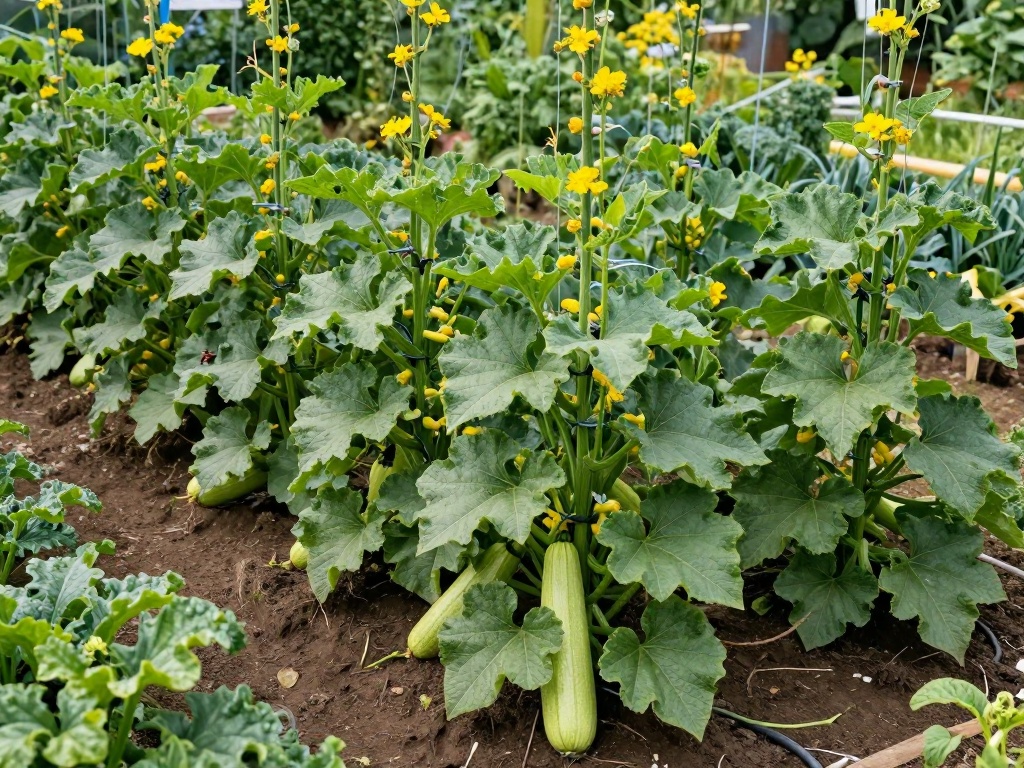
Zucchini Vertical Gardening Organic Method: 2026 Complete Guide
Growing zucchini vertically using organic methods is revolutionizing how home gardeners cultivate this prolific summer squash. Whether you have a small backyard, limited garden space, or simply want to maximize your harvest while keeping plants healthy, vertical gardening offers an elegant solution. This comprehensive guide walks you through every step of implementing a successful zucchini vertical gardening organic method that works in raised beds, containers, or traditional garden plots.
Why Choose Vertical Gardening for Zucchini?
Zucchini plants are known for their aggressive horizontal growth, often sprawling across 3-4 feet of garden space per plant. However, growing them vertically transforms your garden's productivity and health. A single zucchini plant grown on a sturdy trellis can produce just as much fruit as one grown horizontally, but with significantly better air circulation and easier harvesting.
The organic vertical approach also naturally prevents common soil-borne diseases since the foliage stays elevated above damp ground. Gardeners report that vertical zucchini plants experience up to 70% fewer fungal issues compared to ground-growing methods. This makes the investment in proper vertical supports worthwhile for any organic gardener seeking healthier, more productive plants.
Best Zucchini Varieties for Vertical Growing
Not all zucchini varieties adapt equally well to vertical gardening. Compact bush varieties work exceptionally well for growing on supports and in small spaces. These varieties naturally produce shorter vines that require minimal training.
Top Compact Varieties for Vertical Gardens
- Pattypan/Scallop squash – Bushy habit, ideal for containers and small spaces
- Black Beauty – Classic variety with relatively compact growth
- Eight Ball – Round zucchini perfect for trellis growing
- Raven zucchini – Dark green variety with vigorous but manageable vines
- Gold Rush – Yellow variety that adds visual interest to vertical displays
Varieties to Avoid
Large vining varieties like Costata Romanesco or traditional pumpkins will overwhelm most home trellis systems. Stick with bush or semi-bush types for the most success with this organic growing method.
Essential Materials and Setup
Successful vertical gardening requires proper structural support before planting begins. Zucchini fruits can weigh 1-3 pounds each, so your support system must handle significant weight without collapsing mid-season.
Choosing the Right Trellis System
- A-frame ladders – Provide excellent stability and easy access for harvesting
- Cattle panel arches – Sturdy option for permanent garden installations
- Heavy-duty tomato cages – Work well for individual plants in containers
- Custom wooden lattices – Attractive option for raised beds and small spaces
Organic Soil Preparation
The foundation of any organic gardening method starts with healthy soil. Create a nutrient-rich growing medium using these components:
- aged compost (40% of total mix)
- quality organic potting soil (30%)
- perlite or coarse sand for drainage (15%)
- aged manure for nitrogen (10%)
- kelp meal for micronutrients (5%)
Prepare your growing containers or raised beds at least two weeks before transplanting to allow the soil mixture to settle and beneficial microorganisms to establish themselves.
Step-by-Step Planting Process
Starting Seeds Organically
Begin your zucchini vertical gardening organic method journey by starting seeds indoors 3-4 weeks before the last expected frost. Use organic seed-starting mix in biodegradable pots that can be transplanted directly into your vertical garden setup.
Maintain soil temperatures between 70-85°F for optimal germination, which typically occurs within 5-7 days. Harden off seedlings gradually over 7-10 days before transplanting them to their permanent vertical growing positions.
Transplanting to Vertical Supports
When seedlings develop 3-4 true leaves and soil temperatures reach at least 60°F, they're ready for transplanting. Position each plant at the base of your chosen support structure, spacing plants 24-36 inches apart to ensure adequate airflow between vertical specimens.
Water thoroughly after transplanting and apply a layer of organic mulch around the base to retain moisture and suppress weeds naturally.
Training and Supporting Growing Vines
Unlike climbing plants with natural tendrils, zucchini vines require gentle guidance to grow upward. This step is crucial for the success of your organic vertical gardening method.
Training Techniques for Beginners
As your zucchini plant grows, gently weave the main stem through your support structure every few days. Use soft garden ties or strips of cloth to loosely secure the vine without constricting growth. The goal is to encourage vertical growth while the plant naturally thickens and strengthens its stem.
Remove any lower leaves that touch the soil to prevent disease transfer. Focus on maintaining 2-3 main growing stems per plant for optimal fruit production and easier vertical management.
Supporting Heavy Fruit
Once flowers appear and fruits begin developing, provide additional support to prevent the weight of growing zucchini from breaking the vine or pulling it from the trellis. Create simple fruit hammocks using:
- stretch fabric strips or old pantyhose
- mesh produce bags
- fabric pot lifting straps
- soft garden twine tied to support structure
Check support slings weekly and adjust as fruits grow to ensure proper weight distribution throughout your vertical garden.
Organic Care and Maintenance
Maintaining healthy zucchini plants using organic methods requires consistent attention to watering, feeding, and pest management throughout the growing season.
Watering Best Practices
Vertical zucchini plants typically require more frequent watering than ground-growing counterparts since container soil and elevated growing media dry out faster. Water deeply at the base of plants every 2-3 days during hot weather, adjusting based on rainfall and temperature. Consistent moisture prevents blossom end rot and supports even fruit development.
Avoid wetting foliage during watering sessions to minimize powdery mildew and other fungal disease risks that can compromise your organic gardening success.
Feeding Schedule for Maximum Yield
Zucchini plants are heavy feeders, and vertical growing intensifies their nutritional needs. Follow this organic feeding schedule for abundant harvests:
- Week 1-2: Transplant recovery with diluted fish emulsion
- Week 3-4: Side-dress with aged compost and kelp meal
- Week 5+: Bi-weekly liquid seaweed or compost tea applications
- Fruiting stage: Additional calcium from crushed eggshells or garden lime
Watch for signs of nutrient deficiency including yellowing leaves (nitrogen) or poor fruit development (phosphorus/potassium) and adjust your organic amendments accordingly.
Natural Pest and Disease Management
One of the greatest advantages of the organic vertical gardening method is natural pest prevention through improved plant positioning and airflow. However, vigilance remains essential for protecting your zucchini harvest.
Common Pests and Organic Solutions
- Squash vine borers – Wrap stems with aluminum foil or row covers; remove affected sections immediately
- Squash bugs – Hand-pick adults and egg clusters; diatomaceous earth barriers
- Aphids – Strong water spray; introduce ladybugs; neem oil applications
- Cucumber beetles – Yellow sticky traps; row covers during flowering
Preventing Disease Organically
Vertical growing naturally reduces fungal issues, but preventive measures further protect your plants. Apply organic fungicides like baking soda solution (1 tablespoon per gallon) or commercial copper fungicides as needed. Remove and destroy any diseased foliage immediately to prevent spread.
Harvesting Your Vertical Zucchini
One of the most rewarding aspects of vertical zucchini gardening is the ease of harvesting. Standing plants at eye level eliminate bending and crouching while allowing you to spot ripe fruits immediately.
When and How to Harvest
Harvest zucchini when fruits reach 6-8 inches in length for best flavor and texture. Larger fruits become seedy and less palatable. Use sharp pruners or a knife to cut fruits from the vine, leaving a small stem attached.
Check plants every 1-2 days during peak production, as zucchini can grow from flower to harvestable size in just 2-3 days under optimal conditions. Frequent harvesting actually stimulates continued production throughout the season.
Extending Your Growing Season
Maximize your vertical zucchini harvest by implementing season extension techniques. Early spring plantings can begin under row covers, while fall crops can continue producing until the first hard frost with proper protection.
Consider succession planting every 3-4 weeks during the growing season to ensure continuous harvests. Start new seeds in containers while your vertical plants are still producing to maintain supply without replacing established specimens.
Troubleshooting Common Issues
Even experienced gardeners encounter challenges with vertical zucchini growing. Understanding these common issues helps you address problems quickly.
- Flowers falling without setting fruit – Normal early-season occurrence; plant more than one specimen for cross-pollination
- Small or stunted fruits – Usually indicates poor pollination; hand-pollinate using a small paintbrush
- Excessive vine growth with few flowers – Too much nitrogen; reduce feeding and increase phosphorus
- Bitter-tasting zucchini – Often caused by stress or extended storage; harvest younger and use immediately
Frequently Asked Questions
What is the best time of year to start vertical zucchini gardening?
Start seeds indoors 3-4 weeks before your last expected frost date, typically 4-6 weeks before transplanting outdoors. Zucchini thrives in warm soil temperatures above 60°F, usually 2-3 weeks after the last frost in most growing zones. For fall harvests, plant a second crop in midsummer to early fall depending on your local climate.
How much space do I need for vertical zucchini gardening?
Vertical gardening allows you to grow zucchini in remarkably small spaces. A single plant can thrive in a 5-gallon container or raised bed as small as 2x2 feet when provided with proper vertical support. For multiple plants, allow approximately 24-36 inches between specimens along your support structure. Even apartment balconies with adequate sunlight can accommodate one or two vertical zucchini plants.
What is the expected yield from vertically grown zucchini?
A healthy vertical zucchini plant typically produces 10-15 pounds of fruit per season under optimal conditions. Some gardeners report yields of 20+ pounds from exceptionally maintained plants. The key factors affecting production include consistent watering, regular organic feeding, proper pollination, and harvesting fruits promptly when they reach maturity.
How difficult is the organic method compared to conventional growing?
The organic vertical method requires slightly more initial setup and ongoing attention than conventional approaches, but the benefits outweigh the additional effort. You'll spend less time fighting soil-borne diseases and dealing with ground-level pest access. The learning curve is gentle, making this an excellent method for beginners committed to chemical-free gardening. Expect to invest 15-20 minutes weekly per plant for optimal care.
What does it cost to start a vertical zucchini garden organically?
Starting costs vary based on your setup. Basic materials including trellis supports, quality organic soil amendments, and seeds typically range from $50-100 for one or two plants. Container and raised bed options may add $20-50 to your initial investment. Ongoing annual costs are minimal—seeds, compost additions, and organic amendments usually total under $30. Many gardeners find DIY support structures from reclaimed materials further reduce expenses.
How quickly will I see results from my vertical zucchini garden?
Most zucchini plants begin producing harvestable fruit within 45-60 days from transplanting. With vertical growing, you'll likely see your first ripe zucchini within 50-65 days of setting out seedlings. Peak production typically occurs during weeks 6-10 of the harvest period. Once fruits appear, growing to harvestable size takes just 2-3 days during warm weather, providing quick gratification for your gardening efforts.
Can I grow zucchini vertically in containers on a patio?
Absolutely! Container growing is one of the best applications for the organic vertical gardening method. Choose a container at least 12 inches deep and 18 inches wide with adequate drainage holes. Use quality organic potting mix and provide sturdy support like a tomato cage or small trellis. Place containers in a sunny location receiving at least 6-8 hours of direct sunlight daily for best results.
What are the most common mistakes beginners make with vertical zucchini growing?
The primary mistakes include using insufficient support structures that collapse under fruit weight, planting varieties too vigorous for vertical growing, inconsistent watering that stresses plants, harvesting fruits too late when they become oversized and seedy, and failing to provide fruit support slings that prevent broken vines. Overcrowding plants and neglecting pollination during poor insect activity seasons also commonly reduce yields.
By avoiding these pitfalls and following the organic methods outlined in this guide, you're well-positioned for a successful vertical zucchini harvest that will supply fresh, delicious produce throughout the growing season while maximizing your available garden space.
No comments