
Zucchini Vertical Gardening Organic Method: 2026 Complete Guide
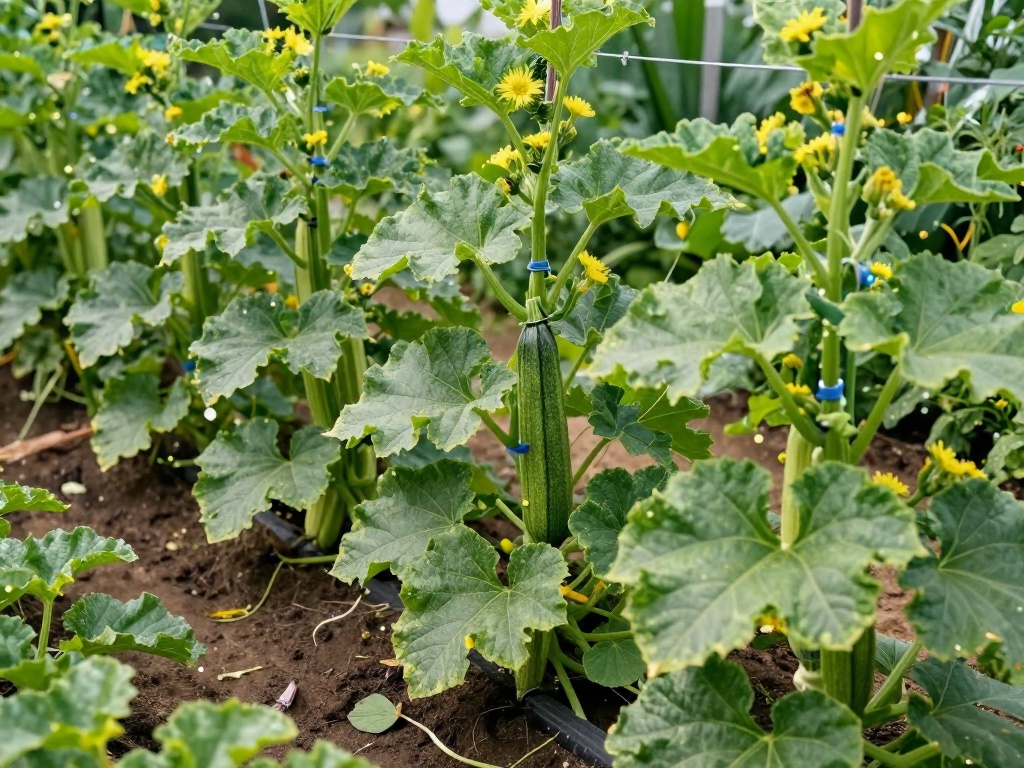
Zucchini Vertical Gardening Organic Method: 2026 Complete Guide
Growing zucchini vertically using organic methods is one of the most rewarding techniques modern gardeners can master in 2026. This approach maximizes limited garden space while producing healthier, more accessible plants without synthetic chemicals. Whether you have a tiny balcony, raised beds, or a compact backyard, vertical zucchini gardening transforms how you cultivate this prolific summer squash.
Why Choose Vertical Gardening for Zucchini
Traditional zucchini plants sprawl across 3-4 feet of garden bed, consuming precious space that could house multiple crops. Vertical gardening redirects their growth upward, utilizing vertical space and improving air circulation around foliage. This organic method reduces fungal disease pressure significantly while making harvest a comfortable, back-friendly activity.
Benefits of the Organic Vertical Approach
- 50% space savings compared to ground cultivation
- Reduced disease incidence through better airflow
- Easier pest monitoring and organic control
- Cleaner fruits without soil contact
- Higher yields per square foot
- Accessible harvesting for all ages
Step-by-Step: Organic Zucchini Vertical Gardening for Beginners
Selecting the Right Zucchini Varieties
Not all zucchini varieties thrive vertically. Bush varieties work best for containers and small-space vertical systems. Recommended organic varieties include 'Black Beauty', 'Golden Zucchini', 'Costata Romanesco', and compact bush types bred specifically for containers. These varieties produce compact vines that adapt readily to trellising with minimal structural support.
Preparing Organic Growing Medium
Success with organic vertical zucchini begins with soil preparation. Mix equal parts quality compost, aged manure, coconut coir, and perlite for excellent drainage and nutrition. Add a handful of organic bone meal and kelp meal per container to support initial root development. The pH should range between 6.0 and 7.0 for optimal nutrient uptake in your organic system.
Building Your Vertical Support System
Install sturdy supports before planting. Options include cattle panel trellises, obelisk tomato cages, A-frame structures, or custom-built wooden frames. Supports must handle 15-25 pounds of plant weight plus fruit. Position supports in your sunniest spot—zucchini requires 6-8 hours of direct sunlight daily for maximum organic production.
Planting and Initial Training
Plant zucchini starts after all frost danger passes and soil temperatures reach 60°F (16°C). Space plants 18-24 inches apart at the base of your vertical supports. As seedlings develop, gently tie main stems to supports using soft garden twine. Guide developing vines through trellis openings to encourage upward growth naturally.
Ongoing Organic Care Routine
Water deeply at soil level every 2-3 days, providing 1-2 inches of water weekly. Apply organic compost tea every two weeks during flowering and fruiting for sustained nutrition. Mulch around containers with organic straw to retain moisture and suppress weeds naturally. Inspect plants daily for pest activity, intervening early with organic solutions.
Supporting and Training Your Zucchini Vines
Zucchini vines benefit from consistent training during their first six weeks of growth. Attach vines loosely to supports, allowing natural upward movement. When vines reach 4-5 feet, pinch the growing tip to encourage lateral branching and more fruit production. Support heavy fruit clusters individually using mesh bags or fabric slings attached to the support structure.
Managing Canopy and Foliage
Prune lower leaves touching the ground to prevent soil-borne disease splash. Remove yellowing or damaged foliage promptly. Thin interior leaves to improve light penetration and air circulation throughout the plant canopy. This organic maintenance practice reduces powdery mildew risk significantly during humid summer months.
Organic Pest and Disease Management
Common zucchini pests including squash vine borers, cucumber beetles, and aphids respond well to organic controls. Introduce beneficial insects like ladybugs and lacewings to manage aphid populations naturally. Apply neem oil spray every 7-10 days as a preventive organic treatment. For powdery mildew, mix one tablespoon baking soda with one gallon water and spray affected foliage weekly.
Preventing Common Problems
- Squash vine borer: Wrap stems with aluminum foil strips at soil level
- Powdery mildew: Ensure adequate spacing and improve air circulation
- Blossom end rot: Maintain consistent watering and add calcium
- Poor pollination: Hand-pollinate flowers using a small brush
Harvesting Your Vertical Zucchini
Begin harvesting when fruits reach 6-8 inches in length—smaller fruits taste sweeter and encourage continued production. Check plants daily during peak season, as zucchini can grow from flower to harvestable size in 48-72 hours. Cut fruits from vines using clean pruning shears, leaving a 1-inch stem attached. Frequent harvesting signals the plant to produce more flowers and fruits throughout the season.
Maximizing Yield in Small Spaces
Vertical zucchini in containers can produce 5-10 pounds of fruit per plant during a single season. Extend your harvest by succession planting starts every 3-4 weeks through mid-summer. Growing two plants typically provides enough zucchini for a family of four with surplus for sharing. Container-grown vertical zucchini also allows portability—move plants to follow sun patterns throughout the growing season.
FAQ: Zucchini Vertical Gardening Organic Method
What is the best container size for vertical zucchini growing?
Use containers at least 18 inches deep and 18-24 inches wide for optimal root development. Five-gallon buckets work well for bush varieties, while larger fabric grow bags (15-20 gallons) accommodate more vigorous plants with better drainage.
How long does it take to grow zucchini vertically?
Most zucchini varieties reach maturity 45-65 days from transplanting. Vertical plants may produce slightly faster due to improved air circulation and reduced disease stress. Expect your first harvest 50-55 days after planting under ideal organic growing conditions.
Can I grow zucchini vertically on a balcony?
Absolutely! Balconies with 6+ hours of sun exposure work excellently for vertical zucchini. Use south-facing walls for support, select compact bush varieties, and ensure containers have adequate drainage. Morning sun and afternoon shade in hot climates helps prevent heat stress.
What are the most common mistakes in vertical zucchini gardening?
Common errors include using weak support structures that collapse under plant weight, overwatering which causes root rot, planting too early in cold soil, and neglecting to train vines during early growth. Also avoid heavy fruits dangling unsupported—they can break vines or fall prematurely.
How much does organic vertical zucchini gardening cost to start?
Starting costs range from $30-80 depending on your setup. Basic expenses include containers ($5-15 each), organic potting mix ($10-20), seeds or starts ($3-8), and trellis materials ($10-30). Most materials are one-time investments that last several growing seasons with proper care.
Do vertical zucchini plants need pollination assistance?
While bees typically pollinate zucchini, vertical growing sometimes reduces pollinator access. Hand pollination ensures consistent fruiting—transfer pollen from male flowers (straight stems) to female flowers (fruit behind bloom) using a small paintbrush or cotton swab during morning hours when flowers are fully open.
When is the best time to start vertical zucchini in 2026?
Start seeds indoors 3-4 weeks before your last expected frost date, or direct sow after soil reaches 60°F (16°C). In most temperate zones, late April through June provides ideal planting windows. Southern gardeners can begin as early as March, while northern regions should wait until late May or early June.
No comments