
Zucchini Vertical Gardening Organic Method: 2026 Complete Guide
Zucchini Vertical Gardening Organic Method: 2026 Complete Guide
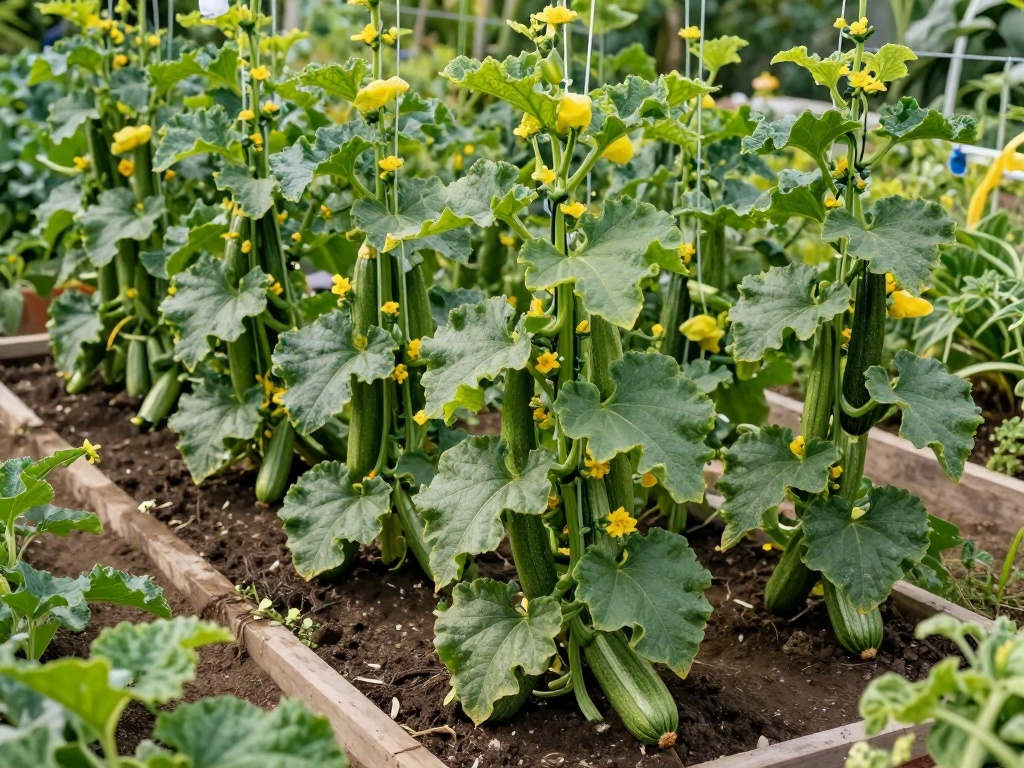
Vertical gardening has transformed how home growers cultivate summer squash, and the zucchini vertical gardening organic method offers an efficient, space-saving solution for gardeners with limited ground space. Whether you have a small balcony, patio, or raised beds, training zucchini to grow upward instead of outward can dramatically increase your harvest while reducing disease pressure. This comprehensive guide provides step-by-step instructions for successfully growing zucchini vertically using completely organic methods.
Why Choose Vertical Growing for Zucchini
Traditional zucchini plants sprawl across 3-4 feet of garden bed, making them impractical for urban gardeners and those working with limited space. The vertical gardening approach for zucchini redirects the plant's natural growth habit upward, using trellises, cages, or supports to hold heavy stems and developing fruit.
Space Efficiency Benefits
Growing zucchini vertically allows you to cultivate this prolific vegetable in containers, small plots, or even on apartment balconies. A single plant trained upward requires only 1-2 square feet of ground space compared to 12-16 square feet for sprawling plants. This efficiency makes vertical growing ideal for urban agriculture and small-space gardeners seeking maximum productivity.
Disease and Pest Reduction
When zucchini vines grow vertically, improved air circulation dries foliage quickly after rain or watering, significantly reducing fungal issues like powdery mildew. Additionally, elevated fruit remains off the soil, protecting it from ground-dwelling pests and rot. The organic gardener benefits from natural disease prevention without relying on chemical interventions.
Selecting the Right Zucchini Varieties for Vertical Growing
Not all zucchini varieties adapt equally well to vertical gardening. Choose compact bush varieties or those with more flexible vines for best results when implementing the organic method for vertical zucchini cultivation.
Best Compact Varieties
- Black Beauty: Classic dark green zucchini with moderate vining habit
- Round Eight Ball: Unique spherical fruits perfect for trellis growing
- Costata Romanesco: Italian heirloom with excellent flavor and moderate size
- Golden Zucchini: Yellow variety that climbs readily
- Raven: Early maturing dark green hybrid suited for containers
Varieties to Avoid
Large-fruited varieties exceeding 8 inches at maturity and true bush types with stiff, brittle stems do not adapt well to vertical training. Select varieties with vines reaching 4-6 feet for optimal trellis compatibility.
Setting Up Your Vertical Support System
A sturdy support structure forms the foundation of successful zucchini vertical gardening. Install your trellis or support system before planting to avoid damaging developing roots.
Trellis Options for Zucchini
Cattle panel trellises provide excellent support with 6-inch grid spacing, allowing easy fruit development and harvest access. A-frame structures work well for supporting multiple plants while maintaining stability against wind. For growing zucchini in containers, obelisk-style tomato cages modified with additional cross-bracing offer adequate support for medium-sized plants.
Installation Guidelines
Position your vertical support in a location receiving at least 6-8 hours of direct sunlight daily. Secure posts at least 12 inches deep in soil or use weighted bases for container installations. The trellis should stand 5-6 feet tall to accommodate mature plant growth. Install supports facing south or east for optimal sun exposure throughout the growing season.
Step-by-Step Organic Planting Process
Follow these step-by-step instructions for establishing healthy zucchini plants using the organic vertical gardening method.
Preparing Organic Soil Mix
Create a nutrient-rich planting medium by combining equal parts aged compost, perlite, and coconut coir. Add 1 cup of organic bone meal and 1/2 cup of kelp meal per cubic foot of mix. This organic soil preparation ensures excellent drainage while providing slow-release nutrients throughout the growing season. Avoid synthetic fertilizers when following organic certification requirements.
Planting Techniques
Plant zucchini seeds or seedlings at the base of your support structure, positioning them 12 inches apart. If direct seeding, plant 2-3 seeds per hole and thin to the strongest seedling after germination. For transplants, bury the stem up to the first true leaves to encourage additional root development along the buried portion. Water thoroughly after planting and apply a 2-inch organic mulch layer around (but not touching) the plant base.
Training and Supporting Growing Vines
Proper training during early growth stages ensures your zucchini adapts to vertical growth successfully. Begin vine training when plants reach 12-18 inches in length.
Attachment Methods
Use soft plant ties or strips of fabric to loosely secure the main stem to your support structure. Never cinch ties tightly, as zucchini stems expand rapidly during growth. Check and adjust ties weekly during active growth periods. For organic gardening purposes, avoid plastic ties and opt for natural jute, cotton strips, or reusable silicone plant ties.
Managing Fruit Development
Zucchini fruits develop rapidly once flowering begins, often reaching harvest size within 4-7 days. Support developing fruits using mesh slings or cloth hammolds attached to the trellis structure. This prevents heavy fruits from pulling the vine downward or breaking stems. Check developing fruits daily during peak production periods.
Organic Care and Maintenance
Sustaining healthy plants through the growing season requires consistent organic care practices that align with organic gardening principles.
Watering Best Practices
Zucchini plants require 1-2 inches of water weekly, delivered at soil level to keep foliage dry. Drip irrigation systems or soaker hoses work excellently for vertical gardening applications. Water deeply rather than frequently to encourage deep root development. Morning watering allows any splashed foliage to dry before evening, reducing fungal disease risk in organic gardens.
Organic Fertilization Schedule
Apply compost tea every 2-3 weeks throughout the growing season for sustained nutrition. Side-dress plants with aged compost monthly, scratching it gently into the soil surface. For an extra boost during flowering, apply a phosphorus-rich organic amendment like rock phosphate around the root zone. All fertilizers used must meet organic certification standards if pursuing certified organic production.
Pollination and Flowering Management
Understanding zucchini pollination proves essential for successful fruit production in vertical gardens where bee access may be limited.
Hand Pollination Technique
Zucchini produces separate male and female flowers on the same plant. Male flowers appear first on long stems and bear pollen-containing anthers. Female flowers develop closer to the vine with a small fruit swelling at their base. Transfer pollen from male to female flowers using a small paintbrush or by gently rubbing flowers together. Perform hand pollination during early morning hours when flowers fully open for best results.
Encouraging Beneficial Pollinators
Attract bees and other pollinators by interplanting flowering herbs like basil, dill, and borage near your vertical zucchini. Avoid using any pesticides, even organic-approved ones, when flowers are open to protect pollinator populations. Planting pollinator-attracting flowers throughout your garden supports natural pollination alongside hand pollination efforts.
Harvesting Your Vertical Zucchini
Proper harvesting techniques maximize production and encourage continued fruiting throughout the season.
When to Harvest
Harvest zucchini when fruits reach 6-8 inches in length for optimal texture and flavor. Larger fruits become seedy and less palatable while signaling the plant to reduce flowering. Check plants daily during peak production, as zucchini can grow from flower to harvest size in just a few days during warm weather. Use sharp pruners or a knife to cut fruits from the vine, leaving a small stem portion attached.
Post-Harvest Care
Store harvested zucchini at room temperature for up to a week or refrigerate for 2-3 weeks. For extended preservation, consider freezing grated zucchini, pickling young fruits, or creating zucchini-based products like noodles and bread. Regular harvesting encourages the plant to produce additional fruits, extending your total season yield significantly.
Troubleshooting Common Vertical Gardening Challenges
Even with excellent care, challenges occasionally arise when growing zucchini vertically. Address problems promptly using organic solutions.
Yellowing Leaves
Lower leaves turning yellow typically indicates nitrogen deficiency. Apply compost tea or blood meal as an organic nitrogen source. If yellowing appears across the entire plant, check for overwatering or root damage from compacted soil.
Blossom End Rot
This condition causes dark, sunken spots on fruit ends and results from calcium deficiency or inconsistent watering. Maintain even soil moisture and apply crushed eggshells or agricultural lime to provide available calcium through organic methods.
Poor Fruit Set
Abundant flowers failing to develop into fruits often indicates incomplete pollination. Intensify hand pollination efforts and ensure pollinator-attracting plants remain nearby. Temperature extremes above 90°F or below 60°F can also reduce fruit set naturally.
Frequently Asked Questions
What is the best time to plant zucchini for vertical gardening?
Plant zucchini 2-3 weeks after your last frost date when soil temperatures reach 60°F minimum. In most regions, this falls between late April and mid-June. Starting seeds indoors 3-4 weeks before transplanting provides a head start on the growing season while ensuring plants establish well before summer heat arrives.
How much space do I need for vertical zucchini growing?
Vertical zucchini requires only 1-2 square feet of ground space per plant, making it ideal for small gardens, patios, and balconies. Ensure your support structure stands 5-6 feet tall and positions plants where they receive full sun exposure. Containers should hold at least 5 gallons of soil for adequate root development.
What are the most common mistakes in zucchini vertical gardening?
Common mistakes include installing unstable supports that collapse under plant weight, selecting unsuitable bush varieties, overwatering which causes root rot, failing to provide fruit support causing broken vines, and harvesting infrequently which signals the plant to stop producing. Avoiding these errors significantly improves your success rate.
How long does it take to grow zucchini vertically?
Zucchini reaches harvestable size in 45-65 days from planting, depending on variety and growing conditions. Once production begins, healthy plants continue producing for 4-8 weeks with consistent harvest. The total growing season spans approximately 90-120 days from seed to final harvest when using the vertical organic method.
What does organic vertical zucchini gardening cost compared to traditional methods?
Initial setup costs for vertical supports, quality organic soil amendments, and seeds range from $50-150 depending on materials chosen. While slightly higher than traditional ground planting, vertical gardening eliminates costs for large garden beds and reduces disease-related crop losses. Organic certification, if pursued, adds documentation requirements but no significant ongoing expense.
Can beginners successfully grow zucchini using vertical organic methods?
Absolutely! Zucchini vertical gardening suits beginners when starting with quality transplants rather than direct seeding. Choose disease-resistant varieties, install sturdy supports properly, maintain consistent watering schedules, and harvest frequently. These practices compensate for beginner learning curves and produce successful harvests even without extensive gardening experience.
No comments