
2026 Herb Organic Gardening in Pots: Complete Beginner's Guide
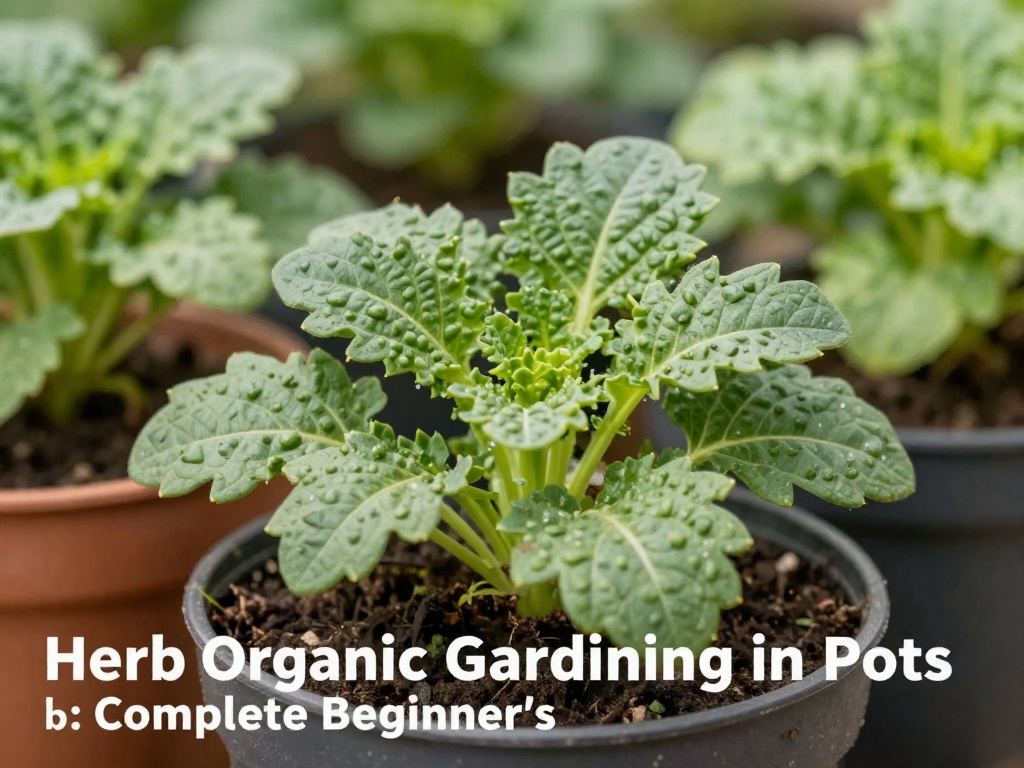
2026 Herb Organic Gardening in Pots: Complete Beginner's Guide
Herb organic gardening in pots offers a rewarding way to grow fresh, chemical-free herbs right on your balcony, patio, or windowsill. Whether you have limited space or simply want the convenience of fresh herbs at arm's reach, container gardening provides an accessible entry point into sustainable food production. This comprehensive guide walks you through every essential step to establish a thriving pot-based herb garden using completely organic methods.
Why Choose Herb Organic Gardening in Pots?
Container-based herb organic gardening in pots has surged in popularity among urban dwellers and suburban gardeners alike. This method provides exceptional control over growing conditions while eliminating concerns about soil-borne contaminants. You can position pots strategically to maximize sunlight exposure, and moving containers becomes effortless when weather conditions shift unexpectedly.
Organic pot gardening also supports environmental sustainability by reducing your carbon footprint associated with store-bought herbs. Packaged herbs travel hundreds of miles before reaching your kitchen, but pot-grown herbs require just steps from pot to plate. Additionally, organic gardening practices promote beneficial soil microorganisms and create healthier growing ecosystems.
Benefits for Small Spaces
One of the greatest advantages of herb organic gardening in pots is its suitability for apartments, condos, and homes with minimal outdoor space. A sunny windowsill can support a thriving herb garden, while a small balcony can accommodate multiple containers. Even renters can enjoy fresh herbs without modifying their living situation permanently.
Year-Round Growing Opportunities
Container herbs allow you to extend your growing season significantly. Bring pots indoors during cold months to maintain continuous harvests. This flexibility means you can enjoy fresh basil in December or homegrown rosemary during summer droughts when outdoor gardens struggle.
Essential Supplies for Organic Herb Container Gardening
Successful herb organic gardening in pots requires careful selection of supplies that align with organic principles. The foundation of your setup determines long-term plant health and flavor intensity of your harvests.
Choosing Organic Potting Soil
Select certified organic potting mix specifically formulated for containers. Avoid garden soil, which compacts easily and may harbor pathogens. Quality organic potting soil contains composted organic matter, coconut coir for moisture retention, and perlite for adequate drainage. Look for products labeled OMRI-listed, ensuring they meet organic certification standards.
Selecting Appropriate Containers
Containers for herb organic gardening in pots must provide adequate drainage holes and sufficient depth for root development. Terracotta pots offer excellent breathability and natural moisture regulation, while plastic containers retain moisture longer in hot climates. Ceramic pots provide aesthetic appeal but may require more frequent watering. Aim for containers at least 6-8 inches deep for most culinary herbs.
Organic Fertilizers and Amendments
Feed your herbs with organic fertilizers approved for edible gardens. Worm castings, fish emulsion, seaweed extract, and compost tea provide balanced nutrition without synthetic chemicals. Slow-release organic granular fertilizers mixed into your potting soil provide sustained feeding throughout the growing season.
Best Herbs for Organic Container Gardening
Not all herbs thrive equally in pot environments. Understanding which varieties perform best in containers helps you allocate space efficiently and maximize your harvests.
Easy-to-Grow Starter Herbs
Basil ranks among the easiest herbs for organic container gardening. This warm-season herb adapts well to pot culture and rewards consistent harvesting with bushier growth. Mint, while notoriously invasive in ground gardens, behaves itself beautifully in containers where its spreading habit cannot escape boundaries. Chives, parsley, and cilantro germinate readily and establish quickly in pot environments.
Mediterranean Herbs for Containers
Rosemary, thyme, oregano, and sage naturally prefer well-drained conditions, making them ideal candidates for herb organic gardening in pots. These Mediterranean natives tolerate slightly drier conditions than moisture-loving herbs and develop more intense flavors when slightly stressed. Position these herbs where they receive at least 6 hours of direct sunlight daily.
Tender Perennial Herbs
Lemongrass, lemon verbena, and stevia require protection from frost but flourish in containers during warm months. Bring these tender perennials indoors before first fall frost to overwinter successfully. Container culture allows you to rotate these plants between outdoor summer positions and indoor winter quarters with minimal transplant stress.
Step-by-Step Setup for Your Herb Organic Garden
Proper setup during the initial planting phase determines long-term success in herb organic gardening in pots. Follow these sequential steps to establish your container garden correctly.
Container Preparation Steps
Begin by cleaning any previously used containers with a solution of one part white vinegar to nine parts water. Rinse thoroughly and allow complete drying. Place a paper coffee filter or small piece of screen over drainage holes to prevent soil loss while maintaining water flow. Add a base layer of clean gravel or broken pottery shards to improve drainage efficiency.
Soil Preparation and Planting
Fill containers with organic potting mix to approximately two inches below the rim. Gently remove seedlings from their nursery containers, loosening roots carefully without damaging them. Plant at the same depth they occupied in their original containers, firming soil gently around roots. Water thoroughly until moisture drains from bottom holes, then position containers in their designated locations.
Initial Care After Planting
Place newly planted containers in partial shade for several days to reduce transplant shock. Gradually introduce plants to full sun exposure over a one-week period. Maintain consistent moisture without waterlogging during this establishment phase. Avoid fertilizing until plants show new growth, indicating successful root establishment.
Ongoing Maintenance for Thriving Container Herbs
Regular maintenance ensures continued health and productivity in your herb organic gardening in pots. These ongoing practices keep plants vigorous and flavorful throughout the growing season.
Watering Techniques
Container herbs typically require more frequent watering than garden-grown plants. Check soil moisture daily during hot weather by inserting your finger one inch deep. Water thoroughly when the top inch feels dry, applying water until it flows freely from drainage holes. Early morning watering reduces evaporation losses and helps prevent fungal diseases.
Organic Pest Management
Monitor herbs regularly for common container pests including aphids, spider mites, and whiteflies. Remove pests manually when possible, or spray affected plants with a solution of water and mild organic insecticidal soap. Encourage beneficial insects by interplanting flowering herbs like dill and fennel. Prevention through healthy plant culture proves more effective than reactive pest control.
Harvesting Practices
Regular harvesting encourages bushier growth and extends the productive life of your herbs. Harvest in the morning after dew dries but before heat intensifies, when essential oils concentrate in leaves. Never remove more than one-third of the plant at any single harvest. For basil, pinch or cut stems just above a leaf node to promote branching. Rosemary and thyme can be trimmed more severely without harm.
Seasonal Considerations for Herb Organic Gardening in Pots
Understanding seasonal patterns helps you optimize your herb organic gardening in pots for year-round success. Different seasons present unique challenges and opportunities.
Spring Preparation
Spring marks the ideal time for planting most herbs and refreshing container soil. Amend existing potting mix with fresh compost or replace depleted soil entirely every two years. Transition indoor herbs back outdoors gradually as temperatures warm, watching for late frost warnings that might require temporary protection.
Summer Heat Management
Hot summer conditions stress container herbs more than garden plants due to heated container walls and limited soil volume. Mulch container surfaces with organic material to moderate soil temperature. Move light-colored containers to partial shade during extreme heat waves. Increase watering frequency during prolonged hot spells, sometimes requiring daily irrigation.
Fall and Winter Strategies
As temperatures cool, transition herbs gradually toward indoor positions. Clean containers thoroughly before bringing them inside to avoid introducing pests. Position indoor herbs near south-facing windows for maximum light exposure. Reduce watering frequency as plant growth slows during shorter winter days. Consider supplementing with grow lights for herbs requiring 6+ hours of daily sunlight.
Common Mistakes in Herb Organic Gardening in Pots
Avoiding these frequent errors saves time, money, and frustration while improving your container gardening outcomes significantly.
Overwatering and Poor Drainage
Root rot from excessive moisture claims more container herbs than any other cause. Ensure containers drain freely and never let pots sit in standing water. Allow soil to dry appropriately between waterings based on each herb's specific needs. Mediterranean herbs particularly suffer from overly wet conditions.
Insufficient Light Exposure
Most culinary herbs demand abundant sunlight to develop full flavor concentration. Leggy, pale growth indicates inadequate light exposure. Evaluate your available locations honestly and select herbs matching your light conditions. south-facing windows typically provide minimum 6 hours of direct sunlight, while east or west windows offer partial sun suitable for mint, parsley, and chives.
Overcrowding Multiple Herbs
Resist the temptation to plant multiple herb varieties in single containers. Different species have varying water, light, and nutrient requirements. Overcrowding also encourages competition and reduces air circulation, promoting disease development. Give each herb its own dedicated container sized appropriately for its mature dimensions.
FAQ: Herb Organic Gardening in Pots
What herbs are easiest for beginners in organic container gardening?
Basil, chives, mint, parsley, and cilantro rank among the most forgiving herbs for beginning gardeners. These varieties germinate readily, establish quickly, and tolerate minor care inconsistencies without serious consequences. Start with two or three different herbs rather than attempting numerous varieties simultaneously.
How often should I water herbs grown in pots?
Watering frequency depends on container size, plant size, temperature, humidity, and air circulation. During warm weather, most container herbs need watering every one to three days. Always check soil moisture before watering rather than following a rigid schedule. Thirsty herbs display wilting, while overwatered plants develop yellow leaves and mushy stems.
What is the best container size for herb gardening?
Most culinary herbs thrive in containers 6-12 inches in diameter with similar depth. Larger containers like 14-16 inch pots work well for multiple basil plants or larger herb specimens. Ensure adequate drainage holes regardless of container size, as insufficient drainage causes more problems than insufficient soil volume.
Can I grow organic herbs indoors year-round in pots?
Yes, many herbs adapt successfully to year-round indoor container gardening. Choose appropriate locations near bright windows, preferably south-facing. Herbs that tolerate lower light include mint, parsley, chives, and thyme. Supplement natural light with fluorescent or LED grow lights during winter months when daylight hours decrease significantly.
How much does herb organic gardening in pots cost to start?
Starting a basic herb container garden requires approximately $30-60 for essential supplies. This includes three to five pots ($15-25), organic potting soil ($10-15), initial herb plants or seeds ($10-20), and basic tools. Subsequent seasons cost less since containers and many supplies last multiple years. Growing herbs from seeds rather than purchasing transplants reduces initial investment further.
When can I expect to harvest my first herbs?
Harvest timing varies significantly by herb variety. Fast-growing herbs like basil and cilantro produce harvestable foliage within 3-4 weeks from seed or 2 weeks from transplant. Rosemary, thyme, and other slower-growing perennials require 60-90 days before substantial harvesting. Begin harvesting lightly once plants establish several sets of true leaves, encouraging bushier growth.
No comments