
Watermelon Vertical Gardening: 2026 Organic Method for Small Spaces
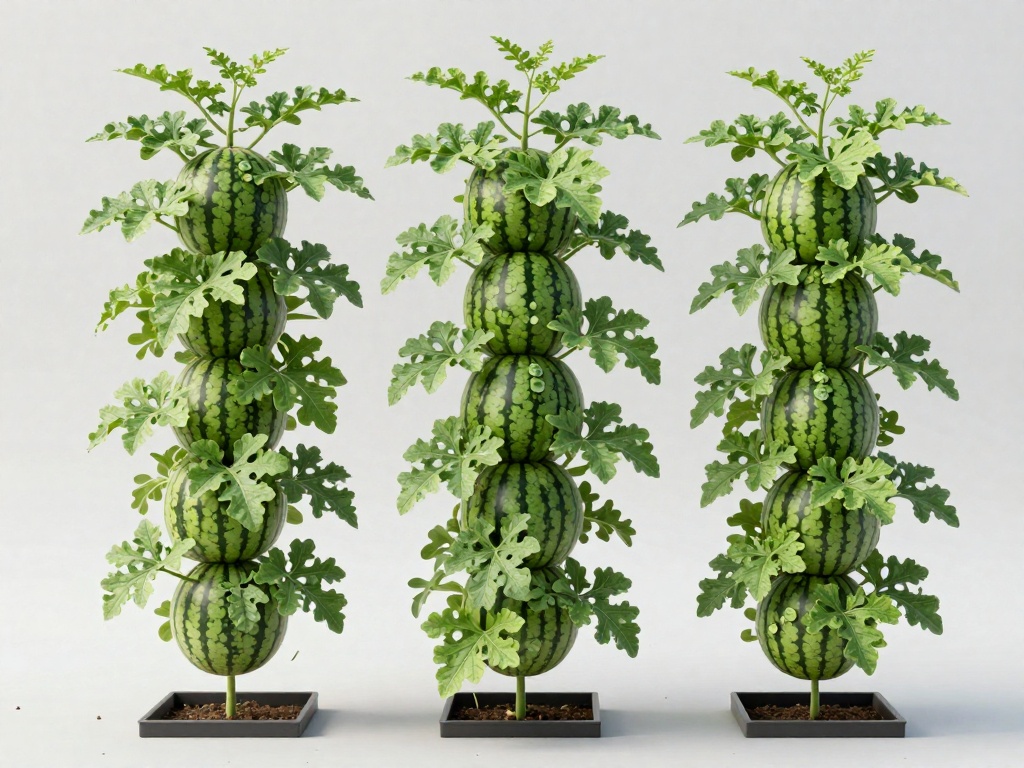
Watermelon Vertical Gardening: 2026 Organic Method for Small Spaces
Growing watermelons traditionally requires extensive garden space, but the watermelon vertical gardening organic method revolutionizes how home growers can cultivate these sweet, refreshing fruits even in the smallest areas. Whether you have a compact backyard, a sunny balcony, or a modest patio, vertical gardening allows you to enjoy homegrown watermelons without sacrificing precious ground space. This comprehensive 2026 guide walks you through every step of successfully growing watermelons vertically using entirely organic techniques that work with nature rather than against it.
Why Choose Vertical Gardening for Watermelons
The watermelon vertical gardening organic method offers numerous advantages that make it increasingly popular among modern gardeners. Space efficiency stands as the primary benefit, as vertical growing systems can increase your yield per square foot by up to 300%. Beyond space savings, vertical growing improves air circulation around the plants, which naturally reduces fungal disease pressure and promotes healthier vines. Harvesting becomes significantly easier when fruits are elevated, eliminating the need to crouch or bend while checking for ripe melons. Additionally, elevated fruits stay cleaner and are less susceptible to ground-dwelling pests and rot.
Space Requirements and Limitations
One of the most appealing aspects of vertical watermelon gardening is its adaptability to various space constraints. A single watermelon plant grown vertically requires only 2-3 square feet of ground space, compared to the 8-12 square feet needed for traditional horizontal growth. This makes the organic method ideal for urban balconies, rooftop gardens, and raised bed configurations. However, gardeners must ensure their vertical structure can support the weight of maturing fruits, which can weigh anywhere from 10 to 50 pounds depending on the variety selected.
Climate Considerations for Vertical Growing
Watermelons thrive in warm conditions, requiring soil temperatures of at least 70°F (21°C) for optimal growth. When growing vertically, the elevated position can actually benefit plants in cooler climates by improving sun exposure and soil warming. The organic method works best in USDA hardiness zones 4-11, though specific variety selection becomes crucial for gardeners in shorter-season regions. Consider using dark-colored containers or grow bags in northern areas to maximize heat retention around the root zone.
Essential Materials and Setup
Successful watermelon vertical gardening organic method requires thoughtful preparation of materials that support both plant health and environmental sustainability. Selecting the right structural supports, containers, and growing medium forms the foundation of your vertical garden system and directly influences your harvest success.
Choosing the Right Support Structure
Your support structure must handle substantial weight while providing stable anchoring for climbing vines. Heavy-duty trellis systems made from powder-coated steel or rot-resistant cedar make excellent choices for vertical watermelon cultivation. The structure should stand at least 6-8 feet tall to accommodate vine growth and allow fruits to hang below the trellis area. Install additional horizontal support bars every 12-18 inches to create natural resting points for vines as they climb.
Selecting Organic Containers and Growing Medium
For the watermelon vertical gardening organic method, container selection significantly impacts root development and moisture management. Fabric grow bags in 15-20 gallon sizes provide exceptional root aeration while preventing the overwatering issues common with plastic containers. Fill containers with a rich organic soil mix consisting of aged compost, coconut coir, perlite, and worm castings. This combination ensures excellent drainage while maintaining the moisture-retention properties essential for watermelon development.
Step-by-Step Planting Process
The actual planting phase of the watermelon vertical gardening organic method requires careful attention to timing, seed selection, and initial care. Following these proven steps maximizes germination success and establishes strong, productive plants.
Selecting Organic Watermelon Varieties
Not all watermelon varieties adapt equally well to vertical growing conditions. Bush varieties and compact icebox types perform best in container and vertical systems. Recommended organic varieties include Sugar Baby, which produces 8-12 pound fruits on compact vines, Crimson Sweet for disease resistance and sweet flavor, and Moon and Stars, an heirloom variety that adds visual interest to the garden. For truly small spaces, consider growing Bush Charleston Gray or Garden Baby, both bred specifically for limited-space cultivation.
Starting Seeds and Transplanting
Begin seeds indoors 3-4 weeks before your last expected frost date to maximize your growing season. Plant seeds 1 inch deep in biodegradable pots filled with moistened organic seed-starting mix. Maintain soil temperature between 75-85°F using a heat mat, and expect germination within 5-10 days. Once seedlings develop their third true leaf and outdoor temperatures consistently exceed 60°F, transplant them into your vertical garden containers. Handle root systems gently during transplanting to minimize transplant shock and encourage rapid establishment.
Training and Supporting Growing Vines
Proper vine training is essential for the watermelon vertical gardening organic method to work effectively. Training techniques guide growth patterns, optimize fruit placement, and prevent structural damage from uncontrolled vine expansion.
Installing Fruit Support Slings
As watermelons develop and grow larger, they require external support to prevent stem breakage and fruit drop. Create support slings from soft, breathable materials such as cotton fabric strips, pantyhose, or mesh produce bags. Attach slings to your trellis structure beneath developing fruits, creating a cradle that distributes the fruit's weight across the support system. Check slings regularly and adjust as fruits grow, ensuring adequate support without restricting development. Most fruits will need support starting when they reach softball size.
Pruning for Maximum Yield
Strategic pruning channel's the plant's energy toward fruit production rather than excessive vegetative growth. The watermelon vertical gardening organic method benefits from removing the first 2-3 lateral shoots that develop near the base of the main vine. This practice redirects carbohydrates to developing fruits while maintaining manageable vine length. Continue pinching off new lateral growth every 1-2 weeks throughout the growing season, leaving 2-3 secondary vines that produce fruit-bearing laterals. Remove any yellowing or diseased leaves promptly to maintain plant vigor and airflow.
Organic Care and Maintenance
Maintaining healthy watermelons using only organic methods requires attention to watering practices, fertilization schedules, and natural pest management. These care elements work synergistically to produce abundant, chemical-free harvests.
Watering Techniques for Vertical Plants
Watermelons grown vertically typically require more frequent watering than ground-planted counterparts due to improved drainage and increased air circulation around containers. Water deeply when the top 2 inches of soil feel dry, applying water directly to the soil surface rather than overhead to prevent foliar diseases. During hot summer months, this may mean daily watering for container-grown plants. Implement a drip irrigation system with a timer for consistent moisture delivery, which proves especially valuable during vacation periods or busy schedules.
Organic Fertilization Schedule
The watermelon vertical gardening organic method relies on supplemental nutrition to compensate for limited soil volume in containers. Apply a balanced organic liquid fertilizer such as fish emulsion or seaweed extract every two weeks during active growth. When flowering begins, switch to a fertilizer higher in phosphorus and potassium to support fruit development. Side-dress containers with additional compost monthly, scratching it gently into the soil surface and watering thoroughly. Watch for signs of nutrient deficiency including pale leaves (nitrogen needs) or poor fruit development (potassium needs).
Natural Pest and Disease Management
Organic pest management in vertical watermelon gardening focuses on prevention and cultural practices before intervention becomes necessary. Encourage beneficial insects by planting companion flowers such as marigolds, nasturtiums, and borage nearby to attract pollinators and predatory insects. For common pests like aphids, spray affected areas with a strong stream of water or apply insecticidal soap according to label directions. Prevent fungal issues by maintaining proper spacing, watering at soil level, and removing any affected plant material immediately. Powdery mildew can be addressed with a homemade baking soda spray (1 tablespoon per gallon of water with a few drops ofdish soap).
Harvesting Your Vertical Watermelons
Knowing when to harvest represents the culmination of your vertical gardening efforts and determines whether your fruits deliver the sweet, refreshing flavor that makes watermelons so beloved. Proper harvesting technique also prepares the plant for potential continued production in suitable climates.
Signs of Ripeness
Determining watermelon ripeness requires attention to multiple indicators rather than relying on a single factor. The tendril nearest the fruit typically dries and turns brown when the melon reaches peak ripeness. Thumping the fruit produces a deep, hollow sound when ripe, while unripe melons emit a higher-pitched tone. The underside resting on the ground or support should turn from white to a creamy yellow color. Additionally, the skin should resist puncturing when pressed firmly with a thumbnail. When growing vertically, check these indicators regularly during the expected maturity window, which varies by variety but generally ranges from 70-90 days after planting.
Proper Harvest Technique
Cut ripe watermelons from the vine using clean, sharp pruners or a knife, leaving 2-3 inches of stem attached. Never carry the fruit by its stem, as this can cause the flesh to separate internally. For vertical gardens, carefully lower harvested fruits using your support slings to prevent damage. Place harvested melons in a shaded area and consume within 7-10 days for optimal freshness. Clean and sanitize your support structures after harvest to prevent disease carryover to the next growing season.
Troubleshooting Common Issues
Even with careful attention, vertical watermelon gardeners may encounter challenges requiring diagnosis and corrective action. Understanding common problems helps maintain plant health and ensures successful harvests.
Addressing Poor Fruit Development
Fruits that develop but fail to grow properly or become misshapen typically indicate pollination problems. Watermelons require proper pollination for fruit development, and container-grown plants may have reduced pollinator visits. Supplement natural pollination by hand-pollinating female flowers using a small paintbrush or cotton swab to transfer pollen from male flowers. Apply pollen in the morning when flowers first open for best results. Insufficient pollination results in small, shriveled fruits that should be removed to encourage new flowering.
Managing Container Stress
Watermelons in containers experience more environmental stress than ground-planted counterparts, manifesting as wilting, yellowing leaves, or stunted growth. Container stress typically results from temperature extremes, inconsistent watering, or root constriction. Mulch the soil surface with organic materials like straw or wood chips to moderate soil temperature and retain moisture. If roots escape drainage holes or emerge from the soil surface, transplant to a larger container or root-prune by trimming the circling roots before returning the plant to its original container with fresh soil.
FAQ: Watermelon Vertical Gardening Organic Method
What are the best watermelon varieties for beginners in vertical gardening?
For beginners, Sugar Baby and Bush Sugar Baby offer the most forgiving growing characteristics with compact vines reaching only 3-4 feet in length. These varieties produce 8-12 pound fruits within 75-80 days, making them ideal for first-time vertical gardeners. Crimson Sweet and Garden Baby also provide excellent options with good disease resistance and reliable productivity in container systems.
What common mistakes should I avoid in vertical watermelon growing?
Most failures stem from inadequate support systems, overwatering, insufficient sun exposure, and planting too early in cold soil. Never underestimate the weight-bearing requirements of mature watermelon fruits—your support structure must hold 50+ pounds safely. Avoid containers smaller than 15 gallons, as restricted root growth severely limits fruit production. Finally, resist the temptation to over-fertilize with nitrogen, which promotes lush foliage at the expense of fruit development.
When is the optimal time to start planting watermelons for vertical gardens?
Start seeds indoors 3-4 weeks before your last spring frost date, or direct sow outdoors when soil temperatures reach a consistent 70°F (21°C). In most temperate regions, this means planting between late April and mid-June. Vertical gardeners in southern zones (zones 8-11) can plant as early as March, while northern gardeners may need to wait until late May or early June to ensure adequate warmth.
How much does it cost to set up a vertical watermelon garden organically?
Initial setup costs range from $50-150 depending on whether you build or purchase your support structure. A quality 15-20 gallon fabric grow bag costs $15-25, organic soil mix runs $20-40, and seeds range from $3-10 depending on variety. Organic fertilizers and pest control supplies add another $20-40 annually. Compare this to purchasing premium organic watermelons at $5-8 each, and a successful harvest of 2-4 fruits easily offsets your investment.
How long until I can harvest my first watermelon from a vertical garden?
Most watermelon varieties reach harvestable maturity within 70-90 days from transplanting, though this timeline varies by variety and growing conditions. Container-grown plants may mature slightly faster due to warmer soil temperatures in smaller soil volumes. Expect to wait approximately 60-70 days after direct sowing for comparable results. Track your planting date carefully and monitor for ripeness indicators during the expected harvest window.
Can I grow watermelon vertically in containers on my apartment balcony?
Absolutely! Balconies receiving at least 6-8 hours of direct sunlight provide excellent conditions for vertical watermelon cultivation. Select compact bush varieties, use 15-20 gallon containers with proper drainage, and ensure your balcony structure can safely support the weight of mature fruits. South-facing and west-facing balconies work best, while north-facing locations generally lack sufficient sunlight for watermelon production.
What organic companion plants work well with vertical watermelons?
Companion planting enhances your vertical garden ecosystem naturally. Marigolds repel harmful insects and attract pollinators, while Nasturtiums serve as trap crops for aphids. Borage improves pollination and deter tomato hornworms. Legumes such as beans and peas fix nitrogen in the soil, benefiting nearby watermelon plants. Avoid planting potatoes near watermelons, as they compete for nutrients and can harbor shared diseases.
No comments