
2026 Zucchini Vertical Gardening: Organic Method for Small Spaces
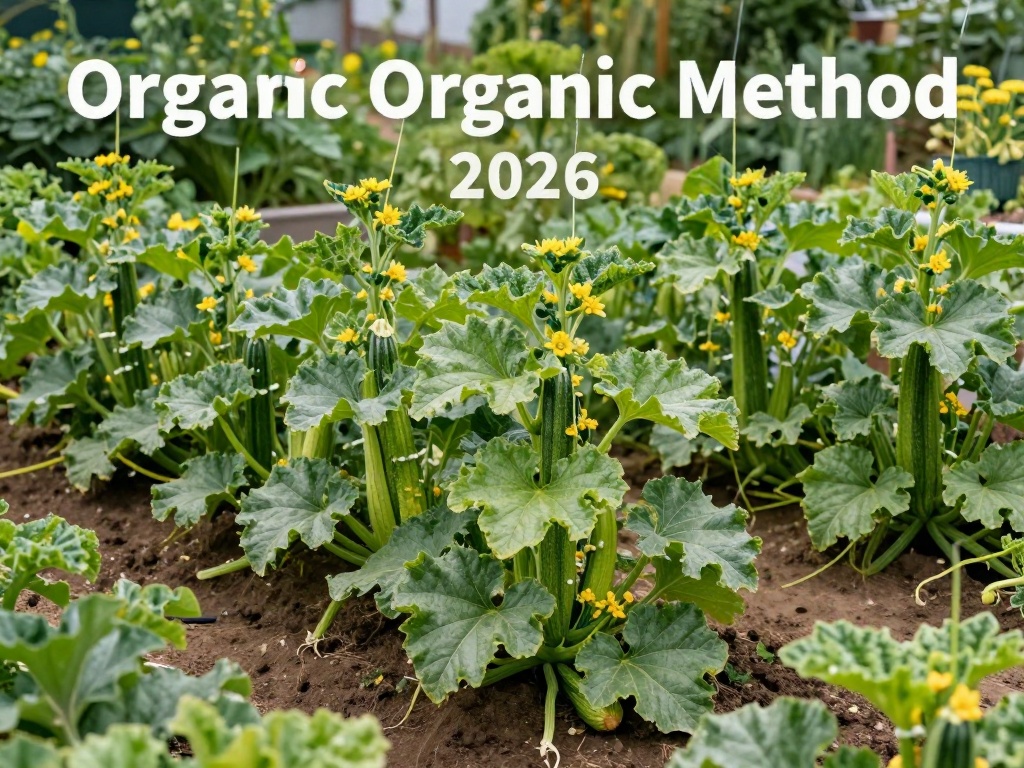
2026 Zucchini Vertical Gardening: Organic Method for Small Spaces
Growing zucchini vertically using organic methods transforms how home gardeners cultivate this prolific summer squash. Vertical gardening maximizes limited space while improving air circulation and reducing disease pressure. This comprehensive 2026 guide walks you through every step of establishing a thriving vertical zucchini garden using completely natural, organic approaches.
Why Choose Vertical Gardening for Zucchini
Traditional zucchini plants sprawl across 3-4 square feet each, making them impractical for urban gardeners and those with limited yard space. Vertical zucchini gardening reclaims that valuable real estate by training plants to grow upward rather than outward.
Space Efficiency Benefits
Vertical growing allows you to produce abundant zucchini harvests on balconies, patios, and even sunny indoor spaces. A single vertical trellis system can replace what would require 15-20 square feet of ground space. This organic approach works exceptionally well in containers, raised beds, and small urban gardens where every inch matters.
Improved Plant Health
When zucchini plants grow vertically, air circulates freely around foliage and fruit. This natural airflow prevents fungal diseases that commonly plague ground-growing zucchini, particularly in humid climates. Harvesting becomes effortless since fruits hang visibly rather than hiding beneath large leaves.
Essential Materials for Your Organic Vertical System
Building a vertical zucchini garden requires sturdy support structures and quality organic inputs. Investing in proper materials from the start prevents problems later in the growing season.
Support Structures and Trellising
Choose heavy-duty trellises rated for at least 25-30 pounds of weight. A-frame cucumber towers, cattle panel archways, and custom-built wooden lattices all work excellently. Secure trellises firmly into the ground or large containers before planting, as mature zucchini laden with fruit can topple lightweight supports.
Organic Soil Amendments
Prepare a rich growing medium using equal parts aged compost, coco coir, and perlite. Add blood meal for nitrogen, bone meal for phosphorus, and kelp meal for potassium. This organic fertilizer blend supports healthy vegetative growth throughout the season without synthetic chemicals.
Step-by-Step Planting Process
Timing and Seed Selection
Start seeds indoors 3-4 weeks before your last expected frost date in 2026, or direct sow after soil temperatures reach 60°F (15°C). Select compact bush varieties specifically bred for containers, such as 'Patio Star,' 'Raven,' or 'Eight Ball.' These varieties respond exceptionally well to vertical training.
Planting Technique
Plant seedlings at the base of your support structure, positioning them 12-18 inches apart. Create a small well around each plant to retain water, then apply a 3-inch layer of organic mulch to conserve moisture and suppress weeds. Gently tie main stems to the trellis using soft plant ties, guiding growth upward as plants develop.
Caring for Your Vertical Zucchini Garden
Watering Practices
Vertical zucchini plants require consistent moisture, typically 1-2 inches of water weekly. Water at soil level in early morning, avoiding wetting foliage which promotes disease. Drip irrigation systems work beautifully with vertical setups, delivering water directly to root zones while keeping leaves dry.
Organic Fertilization Schedule
Feed plants every two weeks with compost tea or diluted fish emulsion throughout the growing season. Side-dress with additional compost monthly, scratching it gently into the soil surface. This organic feeding regime provides steady nutrition without burning delicate roots or disrupting soil microbiology.
Training and Pruning Methods
Guide the main growing tip upward along your trellis, securing loosely every 8-12 inches. Remove lower leaves touching the ground to prevent pest access and disease. Pinch off the first few flowers to encourage stronger root and vine development. Once plants establish, allow fruit to develop on vertical stems where they hang freely.
Common Challenges and Organic Solutions
Pollination Issues
Poor fruit set often results from inadequate pollination, especially when bee activity remains low. Hand-pollinate by transferring pollen from male flowers to female blooms using a small paintbrush or cotton swab. Female flowers recognize by the small fruit forming at their base, while male flowers grow on straight slender stems.
Pest Management Naturally
Prevent squash vine borers by wrapping stems with aluminum foil strips at ground level. Combat aphids with a strong water spray or introduce beneficial insects like ladybugs. For cucumber beetles, place yellow sticky traps near plants and apply neem oil spray as an organic deterrent.
Harvesting Your Vertical Zucchini
Begin harvesting when fruits reach 6-8 inches in length, typically 50-60 days from planting. Check plants daily during peak production, as zucchini grows rapidly in warm weather. Use sharp pruners to cut fruits from stems cleanly, leaving a small stem portion attached. Regular harvesting encourages continued production throughout the season.
FAQ
What are the best zucchini varieties for vertical gardening in containers?
Compact bush varieties perform best in containers and vertical systems. 'Patio Star,' 'Raven,' 'Eight Ball,' and 'Black Beauty' are proven performers for small-space organic gardening. These cultivars produce abundant fruit on manageable plants that adapt well to trellis training.
How much sunlight do vertical zucchini plants need?
Zucchini requires full sun exposure of at least 6-8 hours daily for optimal growth and fruit production. Morning sun is particularly beneficial as it dries dew from leaves, reducing fungal disease pressure. Position your vertical garden where it receives uninterrupted sunlight throughout the day.
What mistakes should beginners avoid with vertical zucchini gardening?
Avoid using weak support structures that collapse under mature plant weight. Don't neglect consistent watering, as vertical plants dry out faster than ground-planted specimens. Also avoid harvesting too late—overripe zucchini becomes seedy and slows continued production. Never apply synthetic fertilizers that harm beneficial soil organisms.
When is the ideal time to start vertical zucchini gardening in 2026?
Start seeds indoors 4-6 weeks before your last spring frost, typically 2-3 weeks before transplanting outdoors. In most regions, this means beginning in late February or early March for spring planting, or mid-summer for fall crops. Soil temperatures must reach 60°F (15°C) before transplanting seedlings outdoors.
How much does it cost to start an organic vertical zucchini garden?
Starting costs range from $30-60 for basic materials including trellis supports, organic soil amendments, and seeds. Reusable items like trellises and fabric containers provide years of service, making subsequent seasons increasingly economical. DIY options using reclaimed materials can reduce startup costs significantly.
How long until harvest when growing zucchini vertically?
Most zucchini varieties reach harvest maturity 50-60 days after planting. Compact bush varieties may produce slightly faster, sometimes within 45 days. Expect peak production 2-3 weeks after first harvest begins, with continued yields for 4-6 weeks under proper care and regular harvesting.
No comments