
How to Grow Organic Parsley in Shade: 2026 Complete Guide
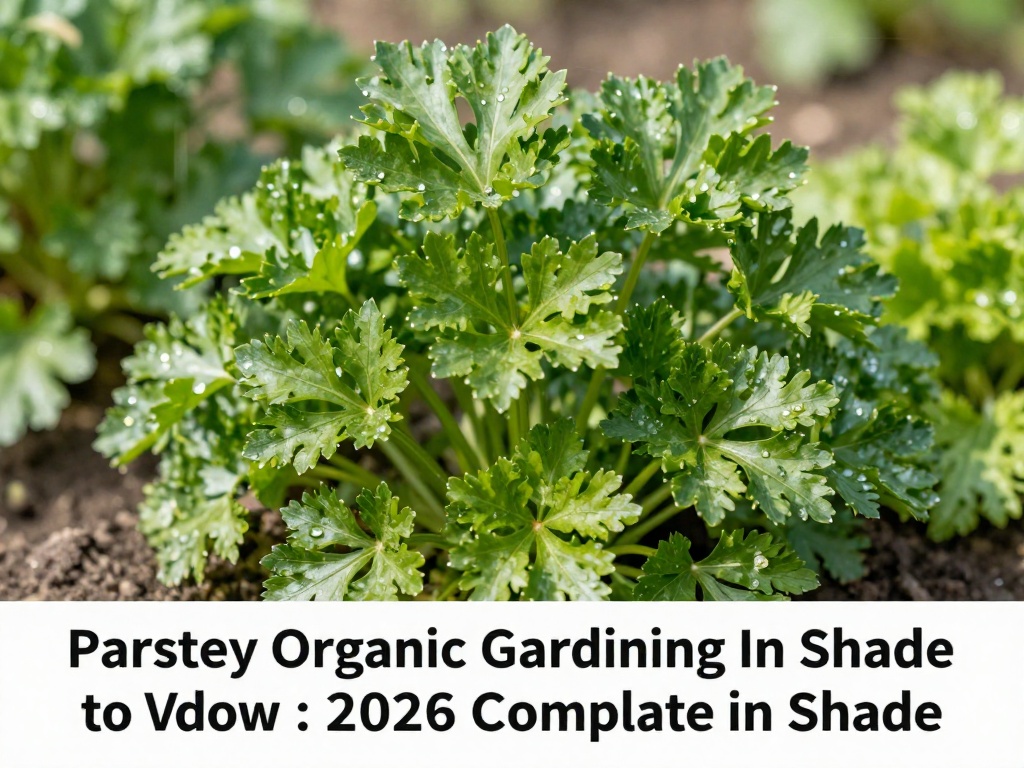
How to Grow Organic Parsley in Shade: 2026 Complete Guide
Growing organic parsley in shade is entirely possible and can yield beautiful, flavorful harvests even in low-light garden spaces. Whether you have a north-facing garden, covered patio, or limited sunlight areas, this step-by-step guide will help you cultivate healthy parsley organically. This comprehensive guide covers everything from variety selection to harvesting, ensuring you get the most out of your shade-tolerant herb garden in 2026.
Why Grow Parsley in Shaded Areas
Parsley is one of the most versatile herbs for organic gardening, and it adapts remarkably well to partial shade conditions. Unlike many vegetables that require full sun, parsley thrives with just 3-4 hours of daily light. This makes it perfect for gardeners working with limited sunlight or those looking to maximize their garden's productivity in challenging spots.
The Benefits of Shade-Tolerant Herb Gardening
Shade gardening offers unique advantages for organic herb cultivation. The reduced light intensity actually helps parsley develop more tender leaves with reduced bitterness. Additionally, shaded areas typically maintain more consistent moisture levels, reducing water stress on your plants and creating ideal conditions for organic growth without synthetic interventions.
Understanding Parsley's Light Requirements
Parsley performs best with morning sun and afternoon shade, making it ideal for east-facing garden locations. The herb can tolerate as little as 3-4 hours of direct sunlight daily, though growth may be slower than full-sun counterparts. Dappled shade from trees or structures works exceptionally well for maximum yield in organic parsley cultivation.
Best Parsley Varieties for Shade Growing
Choosing the right parsley variety is crucial for success in shaded conditions. Different varieties have varying levels of shade tolerance, and selecting the appropriate type can significantly impact your harvest quality and quantity.
Curly Leaf Parsley (Petroselinum crispum)
Curly leaf parsley is highly adaptable and performs well in partial shade environments. This variety is particularly suited for container gardening in shaded areas and offers excellent ornamental value alongside its culinary uses. The ruffled leaves add visual interest to any shaded garden space while providing fresh flavor for your kitchen.
Flat Leaf Italian Parsley
Flat leaf or Italian parsley tends to be more flavorful than its curly cousin and adapts surprisingly well to reduced light conditions. This variety is the preferred choice for cooking applications and maintains its robust flavor even when grown in less-than-ideal sunlight situations. For beginners in shade gardening, this variety offers reliable results.
Hamburg Root Parsley
Hamburg root parsley is an excellent option for shaded raised beds and containers. While primarily grown for its edible taproot, the leafy tops also provide aromatic greens throughout the growing season. This dual-purpose variety maximizes your garden's productivity in small spaces with limited light access.
Preparing Soil for Organic Shade-Grown Parsley
Proper soil preparation forms the foundation of successful organic parsley gardening in shade. Since shade gardens often struggle with drainage issues and cooler soil temperatures, addressing these factors before planting ensures your parsley establishes strong root systems.
Creating the Ideal Organic Soil Mix
Parsley grown in shade benefits from rich, well-draining soil that retains moisture without becoming waterlogged. Work 2-3 inches of mature compost into your garden soil to increase organic matter content and improve soil structure. This natural approach provides slow-release nutrients essential for healthy growth without relying on synthetic fertilizers.
pH and Drainage Requirements
Aim for slightly acidic to neutral soil with a pH range of 6.0-7.0 for optimal parsley growth. In shaded areas, ensure adequate drainage by incorporating perlite or coarse sand into heavy clay soils. Raised beds work exceptionally well for container gardening and offer better control over soil conditions in challenging light situations.
Step-by-Step Planting Guide for Shaded Parsley
Successfully planting parsley requires attention to timing, spacing, and technique. Following these organic methods ensures strong establishment and healthy development throughout the growing season.
Starting from Seeds Indoors
Begin parsley seeds indoors 6-8 weeks before the last expected frost date. Soak seeds overnight in room temperature water to improve germination rates, which can be slow in organic growing conditions. Sow seeds 1/4 inch deep in seed-starting mix and maintain consistent moisture until germination occurs, typically within 14-21 days.
Direct Sowing in Garden Beds
For direct sowing in raised beds or containers, plant seeds 1/4 inch deep and space them 6-8 inches apart in rows. Lightly cover with soil and water gently. Succession plant every 3-4 weeks to ensure continuous harvest throughout the season. This method works particularly well in small spaces where maximizing every planting matters.
Transplanting Seedlings to Final Location
When seedlings develop 2-3 true leaves and all risk of frost has passed, transplant them to their permanent shaded location. Space plants 8-10 inches apart to allow air circulation, which becomes especially important in lower-light conditions where moisture evaporation is slower. Water thoroughly after transplanting and maintain consistent moisture during establishment.
Essential Care Techniques for Organic Success
Maintaining healthy parsley in shade requires adjusted care practices that account for reduced light and slower evaporation rates. These organic methods ensure vigorous growth while minimizing common problems.
Watering Practices for Shaded Parsley
Water deeply but less frequently than you would in full sun conditions. Check soil moisture before watering by inserting your finger 1-2 inches into the soil. Shaded parsley typically requires watering every 3-4 days, depending on rainfall and temperature. Overwatering remains the most common mistake in shade gardening, leading to root rot and fungal problems.
Feeding Your Organic Parsley
Apply organic compost tea or fish emulsion every 4-6 weeks during the growing season to provide steady nutrition. Side-dress plants with additional compost monthly to maintain soil fertility naturally. This organic feeding approach supports healthy leaf development without the risks associated with synthetic fertilizers in low-light growing conditions.
Mulching for Moisture and Temperature Control
Apply 2-3 inches of organic mulch around parsley plants to retain soil moisture, suppress weeds, and regulate soil temperature. Straw, shredded leaves, or grass clippings work excellently in organic herb gardens. Mulching becomes especially beneficial in shaded areas where soil temperatures may remain cooler than desired.
Managing Pests and Diseases Organically
Shaded conditions present unique challenges regarding pest and disease management. Prevention through organic practices remains the most effective approach for maintaining healthy parsley in low-light gardens.
Common Pests in Shade Gardens
Aphids, spider mites, and parsley worms may still target shaded parsley plants. Encourage natural predators like ladybugs and lacewings by planting companion flowers nearby. Spray affected plants with a strong stream of water to dislodge pests, or apply neem oil solution for persistent infestations in your organic garden.
Preventing Fungal Issues
Reduced air circulation and slower moisture evaporation in shaded areas increase fungal disease risk. Space plants properly, water at soil level, and avoid overhead watering to prevent powdery mildew and leaf spot. Remove affected foliage promptly and apply organic fungicides like copper spray if necessary for severe cases.
Harvesting and Preserving Your Shade-Grown Parsley
Proper harvesting techniques encourage continued production and ensure the best flavor from your organic parsley. Understanding when and how to harvest makes the difference between a abundant supply and disappointing yields.
When to Harvest Parsley
Begin harvesting once plants have developed at least 3-4 sets of true leaves. Harvest in the morning when essential oils are most concentrated for maximum flavor. Cut outer stems first, leaving the center rosette intact to encourage continuous regrowth throughout the season.
Preservation Methods
Hang bundled parsley stems upside down in a dry, well-ventilated area to air dry. Alternatively, freeze chopped parsley in ice cube trays with olive oil for convenient kitchen use. Both methods preserve the fresh flavor of your organic harvest for year-round enjoyment in your cooking.
Growing Organic Parsley Indoors in Shade
Indoor herb gardening offers excellent opportunities for growing organic parsley in shaded window locations or under artificial grow lights. This approach extends your harvest season and provides fresh herbs year-round.
Container Selection and Placement
Choose pots with adequate drainage holes and place them in north or east-facing windows that receive filtered light. Self-watering containers work excellently for maintaining consistent moisture levels. Supplement natural light with fluorescent or LED grow lights positioned 6-12 inches above plants for 10-12 hours daily.
Maintaining Indoor Organic Standards
Use only organic potting soil and fertilizers approved for indoor edible gardening. Monitor for common indoor pests like fungus gnats and treat with organic methods immediately. Rotate containers weekly for even growth, and mist leaves occasionally to increase humidity around your indoor parsley plants.
Troubleshooting Common Shade Growing Problems
Even with excellent care, challenges may arise when growing parsley in reduced light conditions. Recognizing and addressing problems early ensures continued healthy growth.
Leggy or Pale Growth
Insufficient light causes parsley to stretch toward available light sources, resulting in weak, pale stems. Move containers to brighter locations or supplement with artificial lighting. Pale leaves may also indicate nitrogen deficiency, which organic compost tea can remedy effectively.
Slow Growth or Dormancy
Parsley naturally grows more slowly in shade than in full sun, which is normal behavior rather than a problem. Ensure adequate nutrition and avoid overwatering, which further stresses plants. Patience is essential when growing organic parsley in challenging light conditions for maximum yield.
FAQ: Growing Organic Parsley in Shade
Can parsley really grow in shade?
Yes, parsley adapts well to partial shade and can thrive with just 3-4 hours of daily sunlight. While growth may be slower than full-sun plants, healthy harvests are entirely achievable with proper care and variety selection.
What is the best time to plant parsley in shaded areas?
Plant parsley in spring after all frost danger has passed, or start seeds indoors 6-8 weeks earlier. In mild climates, fall planting also works well for shade gardens as cooler temperatures reduce stress on establishing plants.
How often should I water organic parsley in shade?
Water shaded parsley every 3-4 days, checking that the top inch of soil has dried before watering again. Shaded gardens typically require less frequent watering than full-sun locations due to reduced evaporation rates.
What fertilizer is best for organic parsley growing in shade?
Organic compost tea, fish emulsion, or well-aged manure provide excellent nutrition for parsley. Apply every 4-6 weeks during the growing season, and supplement with compost side-dressing monthly for sustained organic feeding.
Why are my parsley leaves turning yellow in shade?
Yellowing leaves often indicate overwatering or nutrient deficiency. In shade gardens, reduce watering frequency and apply organic compost tea to address potential nitrogen deficiency. Ensure proper drainage to prevent root problems.
How long does it take to harvest parsley grown in shade?
Shade-grown parsley typically reaches harvestable size in 70-90 days from seed, compared to 60-70 days in full sun. Transplanted seedlings can be harvested within 3-4 weeks of planting. Consistent care ensures productive harvests throughout the season.
No comments