
Marigolds Vertical Gardening: Organic Method Guide 2026
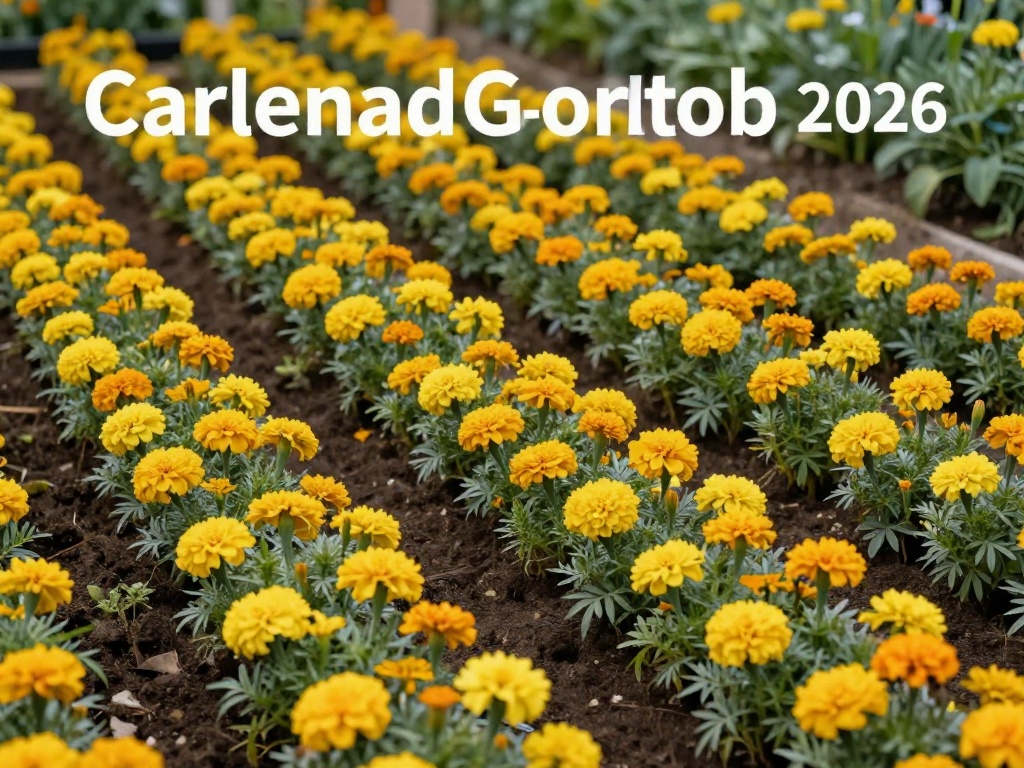
Marigolds Vertical Gardening: Organic Method Guide 2026
Vertical gardening has revolutionized how we grow flowers in limited spaces, and marigolds are perfect candidates for this technique. The marigolds vertical gardening organic method combines space efficiency with natural growing practices to produce stunning displays of these pest-repelling beauties. Whether you have a tiny balcony, a small backyard, or simply want to maximize your garden's potential, growing marigolds vertically offers numerous advantages for gardeners in 2026.
This comprehensive guide walks you through every step of establishing a thriving vertical marigold garden using completely organic approaches. From selecting the right containers to mastering natural fertilization, you'll learn proven techniques that deliver impressive results without synthetic chemicals.
Why Choose Marigolds for Vertical Gardening
Marigolds (Tagetes species) rank among the most rewarding flowers for vertical growing. Their compact root systems adapt well to containers, while their vibrant blooms create eye-catching vertical displays. Beyond aesthetics, marigolds serve as natural pest deterrents in the garden, making them invaluable companion plants.
Benefits of the Organic Vertical Approach
Growing marigolds vertically using organic methods provides multiple advantages. First, this technique eliminates soil-borne diseases common in traditional beds. Second, vertical positioning improves air circulation, reducing fungal issues. Third, organic practices ensure your marigolds remain safe for beneficial insects and children playing nearby. Finally, vertical gardens consume less water and space while producing comparable—or even superior—blooms.
Understanding Marigold Varieties for Vertical Gardens
Not all marigold varieties suit vertical gardening equally. French marigolds (Tagetes patula) work excellently in containers and small spaces due to their compact growth. African marigolds (Tagetes erecta) produce larger blooms but require more root space. Signet marigolds (Tagetes tenuifolia) offer delicate, edible flowers perfect for intensive vertical plantings.
For vertical gardening with marigolds, experts recommend choosing dwarf or compact varieties. These include 'Janie Bright Yellow,' 'Firebird,' and 'Hero Orange.' These cultivars reach only 8-12 inches tall but produce abundant blooms throughout the growing season.
Essential Materials for Your Vertical Marigold Garden
Preparing proper materials ensures your organic vertical marigold project succeeds. Each component should support healthy growth while maintaining natural principles.
Choosing Containers and Structure
Select containers with adequate drainage holes—pocket planters, hanging bags, tower pots, or repurposed pallets all work excellently. Ensure each pocket or container holds at least one liter of growing medium. Terracotta offers excellent breathability, while fabric grow bags promote superior root aeration.
For the support structure, consider wall-mounted frames, freestanding trellises, or hanging rail systems. The structure must bear the weight of wet soil and mature plants safely.
Organic Growing Medium
Your organic method for growing marigolds begins with quality soil. Mix equal parts aged compost, coco coir, and perlite for excellent drainage and nutrition. Avoid garden soil, which compacts easily in containers and may harbor pathogens. Commercial organic potting mixes also provide suitable foundations for vertical marigold gardens.
Add a handful of worm castings to boost beneficial microorganisms. This addition enhances nutrient availability throughout the season without synthetic fertilizers.
Step-by-Step Planting Process
Proper planting technique establishes the foundation for flourishing vertical marigolds. Follow these steps carefully for optimal results.
Timing Your Planting
Plant marigold seeds or transplants after all frost danger passes in your region. In most areas, this means late spring through early summer. For continuous blooms, stagger plantings every 2-3 weeks from spring through midsummer.
Marigolds thrive in temperatures between 70-75°F during daylight hours. They tolerate heat once established but struggle in cold, wet conditions.
Planting Technique for Vertical Success
Begin by filling each container pocket with your prepared organic medium, leaving one inch below the rim. For seeds, plant three seeds per pocket at quarter-inch depth. Cover lightly with soil and mist gently. For transplants, create a hole slightly larger than the root ball, insert the plant, and firm soil around the roots.
Water thoroughly after planting, allowing excess to drain completely. Position your vertical structure where it receives at least 6 hours of direct sunlight daily. South-facing walls or fences typically provide ideal exposure.
Caring for Vertical Marigolds Organically
Ongoing maintenance keeps your vertical garden productive throughout the season. Organic care focuses on nurturing plant health naturally rather than masking problems with chemicals.
Watering Best Practices
Vertical gardens typically require more frequent watering than ground-level plantings. Check soil moisture daily during hot weather by inserting your finger one inch deep. Water when the medium feels dry at this depth.
Apply water slowly and thoroughly until it drains from container bottoms. Morning watering reduces evaporation losses and fungal disease risk. Consider installing drip irrigation for consistent moisture in larger vertical installations.
Natural Feeding Schedule
Feed your marigolds in vertical gardening organically every three weeks during active growth. Apply compost tea by steeping one cup of aged compost in one gallon of water for 24-48 hours. Strain and dilute to light brown color, then apply directly to soil.
Alternatively, sprinkle dried seaweed meal around plant bases and water in gently. This provides trace minerals that enhance bloom color and plant vigor without burning roots.
Encouraging Continuous Blooms
Deadheading—removing spent flowers—stimulates additional blooming throughout the season. Pinch faded blooms at their stem base as soon as they wilt. This prevents seed formation and redirects the plant's energy toward producing new flowers.
For the organic marigold gardening method to succeed, maintain this deadheading routine consistently. French marigolds particularly benefit from regular deadheading and may bloom continuously for months.
Pest and Disease Management Naturally
One major advantage of growing marigolds is their natural pest-repelling properties. However, occasional issues may arise even with organic practices.
Common Pests and Organic Solutions
Aphids sometimes target marigolds, especially in humid conditions. Control them naturally by spraying plants with a mixture of water and few drops of dish soap. Alternatively, introduce ladybugs, which consume aphids voraciously.
Spider mites may appear during hot, dry periods. Increase humidity by misting plants regularly and spray affected areas with neem oil solution. Mix one teaspoon neem oil with one quart water and apply weekly until populations decline.
Preventing Fungal Problems
Vertical positioning naturally reduces fungal disease risk through improved air circulation. Still, avoid overhead watering that wets foliage. Remove any yellowing or spotted leaves promptly to prevent spread. If powdery mildew appears, spray affected plants with a solution of one tablespoon baking soda, one tablespoon vegetable oil, and one quart water.
Companion Planting Benefits
Integrating marigolds with other plants maximizes your vertical garden's value. Marigolds naturally repel aphids, nematodes, and whiteflies, protecting neighboring vegetables and herbs.
Compatible Companions for Vertical Gardens
Consider adding basil, peppers, or tomatoes to adjacent vertical pockets. These combinations create attractive displays while providing practical pest protection. Herbs like rosemary and thyme thrive alongside marigolds in similar growing conditions.
For purely ornamental vertical gardens, combine marigolds with petunias, lobelia, or verbena. These companions share comparable water and sun requirements, simplifying maintenance.
Maximizing Your Vertical Space
Thoughtful planning transforms limited areas into abundant displays. Consider both horizontal and vertical dimensions when designing your garden.
Stacking and Tiering Techniques
Use tiered plant stands to multiply growing surface area. Position sun-loving marigolds on upper tiers and shade-tolerant plants below. This technique works especially well on patios and balconies where vertical space exceeds floor space.
Hanging planters suspended at varying heights create visual depth while accommodating more plants. Ensure each planter receives adequate light based on its position.
Seasonal Care and Winter Preparation
As growing season ends, prepare your vertical marigold garden for the following year. Though marigolds are typically grown as annuals, some varieties self-seed readily.
End-of-Season Tasks
Allow several flowers to remain undeadheaded in late summer. These produce seeds for natural reseeding or collection. Once frost blackens foliage, remove all plant material from containers.
Clean containers thoroughly with a vinegar solution (one part vinegar to nine parts water) to eliminate overwintering pests and diseases. Store containers in a dry, frost-free location until spring planting season returns.
Troubleshooting Common Issues
Even well-planned vertical gardens encounter occasional challenges. Understanding common problems helps you address them quickly and effectively.
Leggy Growth and Poor Flowering
Insufficient light causes leggy, weak growth with few blooms. If your vertical garden sits in partial shade, relocate it or supplement with grow lights. Another cause involves excessive nitrogen from over-fertilizing, which promotes foliage at the expense of flowers. Switch to a fertilizer lower in nitrogen and higher in phosphorus to encourage blooming.
Yellowing Leaves
Lower leaves yellow naturally as plants mature. However, widespread yellowing indicates overwatering, underwatering, or nutrient deficiency. Check soil moisture immediately and adjust watering accordingly. If moisture levels seem correct, apply compost tea to address potential nutrient depletion.
Cost Analysis and Effort Assessment
Understanding the investment required helps you plan your vertical marigold project realistically. Most gardeners find this method highly cost-effective.
Initial Investment
Setting up a basic vertical marigold garden costs approximately $30-60 depending on container choices and structure type. Reusable containers and structures make this a one-time investment for subsequent seasons. Seeds or transplants add only $5-15 annually.
Ongoing Maintenance Costs
Organic amendments like compost and worm castings cost approximately $10-20 annually. Water costs remain minimal, especially in regions with rainfall. Most gardeners spend only 15-30 minutes weekly maintaining a mature vertical marigold display.
Results Timeline and Expectations
Patience pays off when growing marigolds vertically. Understanding the growth timeline helps set realistic expectations.
From seed, marigolds typically germinate within 5-7 days and reach transplantable size in 4-6 weeks. First blooms appear 8-10 weeks after germination. With proper care, continuous blooming continues until frost.
Transplants establish quickly and often begin blooming within 2-3 weeks of planting. This faster timeline makes transplants preferable for gardeners eager for immediate results.
Frequently Asked Questions
What is the best time of year to start marigolds vertical gardening?
The optimal planting window begins after your last spring frost date when soil temperatures reach at least 60°F. In most temperate regions, this falls between late April and mid-June. Starting seeds indoors 6-8 weeks before transplanting date extends your growing season significantly.
How do beginners start with marigolds vertical gardening organically?
Beginners should start with transplants rather than seeds for quicker results. Choose dwarf French marigold varieties, use quality organic potting mix, and position your vertical garden in full sun. Water when soil feels dry, feed monthly with compost tea, and deadhead spent blooms regularly. This straightforward approach delivers success on the first attempt.
What common mistakes should I avoid?
Avoid overwatering, which causes root rot in marigolds. Never use regular garden soil in containers. Don't place vertical gardens in shade, as marigolds require abundant sunlight. Skipping deadheading dramatically reduces bloom production. Finally, avoid synthetic fertilizers that harm beneficial soil organisms and contradict organic principles.
How much maintenance does a vertical marigold garden require?
Expect to spend 15-30 minutes weekly on watering, checking soil moisture, removing spent blooms, and observing for pest issues. During extreme heat, daily watering may be necessary. Monthly feeding with organic amendments takes another 30 minutes. This modest time investment rewards you with months of vibrant blooms.
What return on investment can I expect from this organic method?
Each marigold plant produces 25-50 blooms throughout the season, with dwarf varieties on the higher end. Seeds harvested from spent flowers plant multiple future gardens at no additional cost. The companion planting benefit protects surrounding vegetables from pests, potentially increasing their yields. Many gardeners report their vertical marigold displays increase property appeal and personal enjoyment substantially.
How quickly will I see results from my marigolds vertical garden?
With transplants, visible blooms appear within 2-3 weeks of planting. Seeds produce flowers within 10-12 weeks when started at the proper time. The full, lush display develops over 2-3 months. Once established, your vertical garden provides continuous color until autumn frosts arrive.
No comments