
Oregano Organic Gardening in Humid Weather: 2026 Grower's Guide
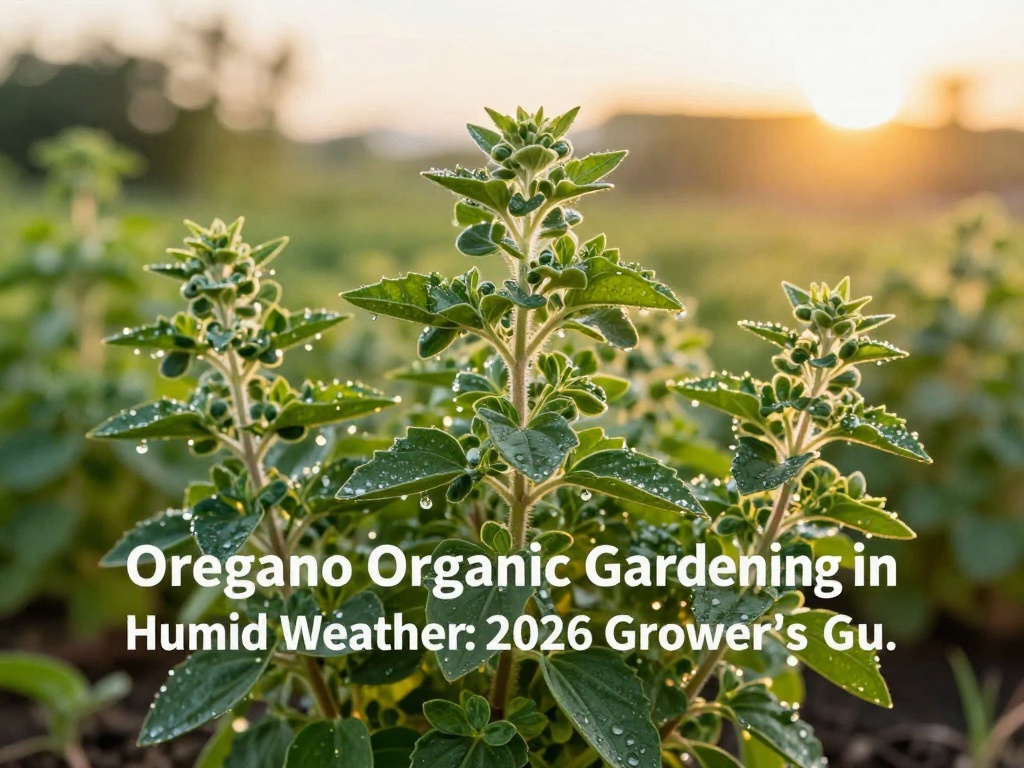
Oregano Organic Gardening in Humid Weather: 2026 Grower's Guide
Humid weather presents unique challenges for herb gardeners, but organic oregano cultivation in these conditions is entirely achievable with the right knowledge. This comprehensive guide reveals proven techniques for growing robust, flavorful oregano organically, even in the most challenging tropical and subtropical environments. Whether you're working with limited space in containers or managing a full garden bed, these strategies will transform your humid-weather gardening results.
Understanding Oregano's Growth Requirements
Oregano originates from Mediterranean regions where conditions are warm and relatively dry. This Mediterranean herb thrives with six to eight hours of direct sunlight daily and prefers soil that drains quickly. Understanding these baseline requirements helps you adapt your approach when humidity becomes a factor in your gardening success.
The key challenge in humid weather involves excess moisture management. When air humidity exceeds sixty percent consistently, oregano plants become susceptible to fungal diseases that can devastate your crop within days. However, selecting appropriate varieties and implementing proper spacing techniques creates conditions where your oregano not only survives but flourishes.
Best Oregano Varieties for Humid Climates
Greek oregano (Origanum vulgare hirtum) stands as the top choice for humid regions due to its superior disease resistance and intense flavor profile. This variety handles moisture stress better than most alternatives while maintaining the culinary qualities gardeners expect.
Puerto Rican oregano (Coleus aromaticus) offers exceptional performance in high-humidity environments. This tropical variety tolerates rainfall and humid conditions that would damage Mediterranean types. Cuban oregano provides another excellent option, displaying remarkable resilience to fungal pressures common in damp growing conditions.
Soil Preparation for Humid Weather Success
Proper soil preparation forms the foundation of successful organic oregano gardening in humid weather. Your planting medium must balance water retention for dry periods while allowing rapid drainage during wet spells. This combination prevents root rot while ensuring consistent moisture availability.
Creating the Perfect Growing Medium
Mix equal parts quality compost, coarse sand, and perlite to create an ideal growing medium for oregano in humid conditions. This combination provides excellent drainage while maintaining enough organic matter to support healthy growth. Add a generous layer of gravel or small stones at the bottom of containers and raised beds to accelerate water escape from root zones.
For garden beds, elevate planting areas at least six inches above the surrounding soil level. This simple technique dramatically improves drainage and prevents water accumulation around delicate root systems. Working in additional perlite at a ratio of twenty percent into existing soil transforms heavy clay into a suitable growing environment.
Strategic Planting Techniques
Spacing plays a critical role in humid weather cultivation. Plant oregano specimens eighteen to twenty-four inches apart to ensure adequate air circulation between mature plants. This distance allows air to flow freely through foliage, reducing humidity buildup on leaf surfaces and minimizing fungal infection opportunities.
Container Gardening Advantages
Container gardening offers exceptional control over growing conditions in humid climates. Pots allow you to move plants to sheltered locations during extended rainy periods and position them to capture maximum sun exposure. Select containers with multiple drainage holes and avoid sitting pots directly on surfaces that prevent water escape.
Terra cotta containers provide natural breathability that helps soil dry more quickly after watering. However, these pots require more frequent irrigation during dry stretches. Plastic and composite containers retain moisture longer, reducing watering frequency but requiring careful attention to drainage.
Watering Practices for Humid Conditions
Overwatering causes more oregano failures in humid weather than underwatering ever will. In organic gardening contexts, allow the top two inches of soil to dry completely between watering sessions. This approach encourages deep root development while preventing the waterlogged conditions that invite fungal problems.
Water during morning hours, giving foliage ample time to dry before evening temperatures drop. Avoid wetting leaves whenever possible, directing water straight to the soil surface around the plant base. Drip irrigation systems prove invaluable in humid gardens, delivering moisture directly to root zones while keeping foliage completely dry.
Recognizing Moisture Stress
Healthy oregano displays firm, upright stems and vibrant green leaves with characteristic aroma. Wilting despite adequate soil moisture signals fungal infection in the root system, requiring immediate intervention. Yellowing leaves combined with soft stems indicate overwatering problems that need drainage improvement and reduced watering frequency.
Browning leaf edges suggest insufficient watering or excessive heat exposure. Adjust your practices based on these visual indicators, remembering that humid air doesn't eliminate the need for regular irrigation during hot growing periods.
Natural Disease Management
Organic approaches to disease prevention prove especially important in humid conditions where fungal threats intensify. Prevention remains far more effective than treatment, making cultural practices your primary defense strategy against common oregano ailments.
Preventive Organic Solutions
Neem oil spray applications every fourteen days provide excellent preventive protection against fungal diseases. Mix two teaspoons of pure neem oil with one teaspoon of liquid castile soap in one quart of water for an effective organic fungicide. Apply during early morning hours, ensuring complete coverage of all leaf surfaces.
Copper-based organic fungicides offer additional protection for severe pressure situations. Apply sparingly and always follow label instructions for edible herbs. Some copper products require waiting periods before harvest, so factor this into your planning for culinary use.
Addressing Common Humidity-Related Problems
Powdery mildew appears as white powdery spots on leaves and stems, thriving in humid conditions with poor air circulation. Remove affected plant parts immediately and improve spacing for remaining plants. Rust manifests as orange or brown spots and requires similar removal and treatment approaches.
Root rot progresses rapidly in waterlogged conditions, often fatal before symptoms become obvious above ground. Prevention through proper drainage and careful watering remains the only reliable defense. If plants show sudden decline with soft, darkened stems at the base, remove and dispose of them completely to prevent spread to neighboring specimens.
Harvesting and Maintenance in Humid Climates
Regular harvesting encourages bushy growth and prevents leggy, disease-susceptible plants. Trim oregano stems regularly, taking no more than one-third of the plant at any single harvest session. This practice promotes branching while maintaining plant vigor throughout the growing season.
Prune plants back significantly at season's end to remove diseased material and encourage fresh, healthy growth. In frost-free humid climates, oregano may grow year-round, requiring ongoing attention to harvesting and maintenance throughout all seasons.
Storing Your Organic Harvest
Fresh oregano from humid-weather gardens provides superior flavor compared to dried alternatives. Store fresh stems in water at room temperature for up to two weeks, or wrap loosely in paper towels and refrigerate in unsealed bags for similar duration.
Drying works well in humid climates when using dehydrators or air-conditioned spaces. Spread harvested stems in single layers on dehydrator trays set to ninety-five degrees Fahrenheit, or hang small bunches in a room with air circulation. Properly dried oregano retains strong flavor for six months when stored in airtight containers away from light and heat.
Frequently Asked Questions
What are the best oregano varieties for beginners growing in humid weather?
Greek oregano and Puerto Rican oregano offer the easiest starting points for humid-weather cultivation. Both varieties demonstrate strong disease resistance and adapt well to moisture variations. Begin with one variety in containers before expanding your collection.
How often should I water oregano in humid climates?
Water deeply but infrequently, allowing the top two inches of soil to dry between sessions. Most humid environments require watering every three to five days during active growth. Adjust frequency based on rainfall, temperature, and your specific growing medium's drainage characteristics.
Can oregano grow successfully in bathrooms or other high-humidity indoor spaces?
Oregano struggles in consistently high humidity above seventy percent, making most bathrooms unsuitable. Kitchens with moderate humidity can work if plants receive adequate sunlight from windows. Supplemental grow lights often prove necessary for indoor cultivation success.
What budget-friendly techniques work best for organic oregano in humid weather?
Start with seeds or divisions from established plants rather than purchasing mature specimens. Create your own growing medium using compost, sand, and perlite. DIY neem oil sprays cost a fraction of commercial products. Container gardening requires minimal initial investment while providing excellent control.
How long until oregano is ready for first harvest in humid conditions?
Most oregano varieties reach harvestable size within sixty to ninety days when grown from transplants. Seeds require one hundred twenty to one hundred fifty days. Begin harvesting individual leaves once plants establish six or more sets of true leaves, or harvest full stems when plants reach eight inches tall.
What mistakes do gardeners make when growing oregano in humid weather?
Overwatering causes the most common failures, followed by inadequate spacing that restricts air circulation. Using heavy, poorly draining soil invites root rot. Ignoring early signs of fungal disease allows problems to spread rapidly. Positioning plants in insufficient light weakens plants and reduces disease resistance.
Is organic certification necessary for growing oregano in humid weather?
Organic certification isn't required for personal or small-scale herb cultivation. However, applying organic gardening principles regardless of certification status improves plant health, soil quality, and environmental sustainability. Organic methods prove especially valuable in humid conditions where disease pressure intensifies.
No comments