
Strawberries Organic Gardening Natural Pest Control 2026 Guide
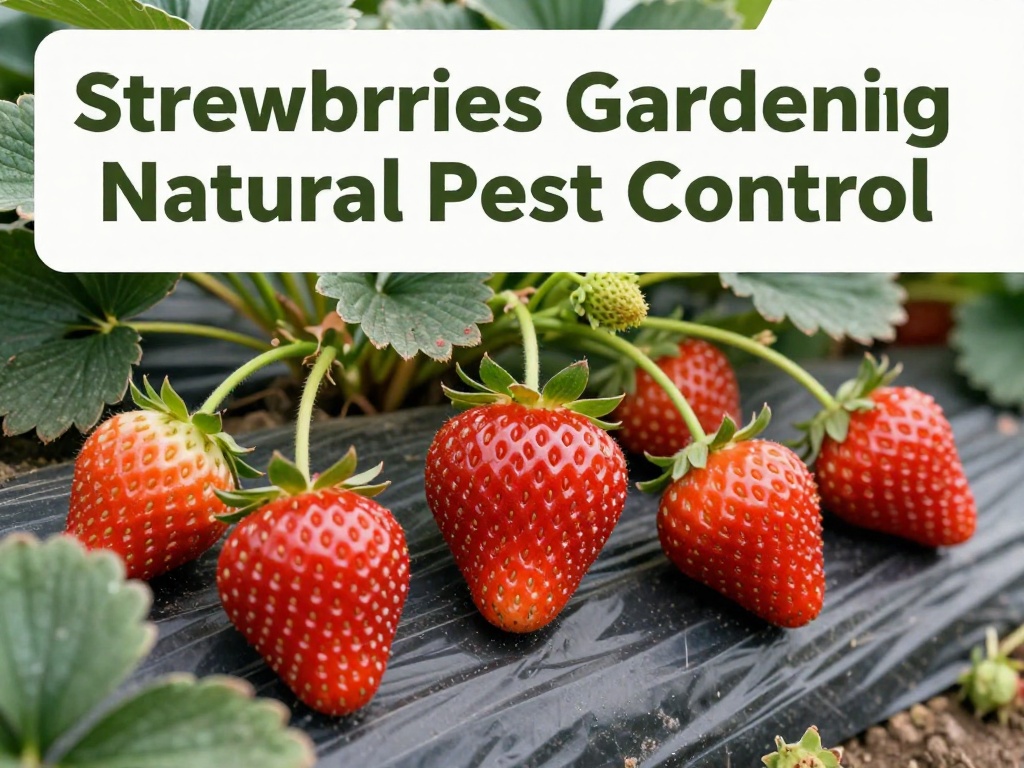
Strawberries Organic Gardening Natural Pest Control 2026 Guide
Growing strawberries through organic gardening natural pest control methods has become increasingly popular among home gardeners seeking healthy, chemical-free harvests. This comprehensive guide provides step-by-step instructions for protecting your strawberry plants while maintaining a completely organic garden in 2026.
Understanding Common Strawberry Pests
Before implementing any pest control strategy, you must identify which threats target your strawberry plants. Organic gardening natural pest control starts with accurate pest identification and understanding each pest's life cycle.
Slugs and Snails
Slugs cause significant damage to ripe strawberries, leaving distinctive holes and slimy trails on fruit and leaves. These nocturnal pests thrive in moist conditions and can devastate a crop overnight. Organic methods include copper tape barriers, diatomaceous earth applications, and evening handpicking.
Aphids
These tiny insects cluster on new growth and undersides of leaves, sucking plant sap and spreading diseases. Aphid infestations weaken plants and reduce fruit quality. Ladybugs serve as natural predators, and strong water sprays dislodge colonies effectively.
Spider Mites
Spider mites cause stippling and yellowing of leaves, particularly during hot, dry weather. These microscopic pests reproduce rapidly and can quickly overtake plants. Regular inspection and increasing humidity around plants helps prevent infestations.
Birds
While not insects, birds represent one of the biggest threats to strawberry harvests. Netting provides the most effective protection, while reflective tape and decoy predators offer supplementary deterrent benefits.
Essential Natural Pest Control Methods for Beginners
Organic gardening natural pest control relies on prevention, natural barriers, and beneficial organisms rather than synthetic chemicals. Implementing multiple strategies simultaneously creates the most effective protection system.
Cultural Practices
Proper plant spacing promotes air circulation, reducing fungal diseases that attract pests. Water at soil level rather than overhead to keep foliage dry. Remove dead leaves and garden debris where pests overwinter. Rotate strawberry plantings every three years to break pest cycles.
Beneficial Insects
Ladybugs consume up to 5,000 aphids during their lifetime, making them invaluable allies. Lacewings, parasitic wasps, and ground beetles provide ongoing pest management. Plant companion flowers like marigolds, borage, and clover to attract these beneficial insects to your strawberry patch.
Organic Sprays and Solutions
Neem oil disrupts pest feeding and reproduction while remaining safe for beneficial insects when applied correctly. Insecticidal soap targets soft-bodied pests on contact. Garlic and pepper sprays deter many chewing insects. Apply these solutions in early morning or evening to avoid leaf burn.
Companion Planting Strategies
Strategic plant combinations naturally repel pests while maximizing garden space. Companion planting forms the foundation of sustainable organic gardening natural pest control.
Excellent Companion Plants
Borage repels strawberry pests while improving fruit flavor. Thyme planted around strawberry beds deters worms and insects. Spinach and lettuce make excellent polyculture partners. Marigolds border the garden to repel nematodes and rabbits.
Plants to Avoid
Brassicas including cabbage and broccoli compete for nutrients. Fennel inhibits strawberry growth. Potatoes increase disease susceptibility. Maintain proper spacing between incompatible plants to ensure healthy development.
DIY Natural Pest Control Recipes
Creating effective organic pest control solutions at home saves money while ensuring garden safety. These time-tested recipes work reliably for strawberries organic gardening natural pest control in raised beds, containers, and traditional garden plots.
Garlic Spray Recipe
Blend three heads of garlic with one quart water, strain, and dilute with additional water. Add several drops of dish soap as an emulsifier. This spray repels aphids, spider mites, and beetles when applied weekly.
Soapy Water Solution
Mix two tablespoons of pure castile soap with one quart water. Spray directly on soft-bodied insects like aphids and mites. Rinse plants with clean water after one hour to prevent leaf damage.
Diatomaceous Earth Application
Food-grade diatomaceous earth creates a mechanical barrier against slugs, snails, and crawling insects. Apply a thin ring around plant bases and along garden borders. Reapply after rain for continued effectiveness.
Seasonal Pest Management Calendar
Effective strawberries organic gardening natural pest control requires year-round attention. Each season presents unique challenges requiring specific interventions.
Spring Preparation
Inspect plants carefully when new growth emerges. Apply preventive neem oil treatments before pest populations establish. Introduce ladybugs and lacewings as temperatures warm. Install bird netting before fruit ripens.
Summer Maintenance
Monitor weekly for pest activity. Handpick larger pests like Japanese beetles in early morning. Apply organic sprays during cooler hours. Harvest ripe berries promptly to reduce attractive odors to wildlife.
Fall and Winter Care
Remove infected plant material to prevent overwintering pests. Apply dormant oil sprays to dormant plants. Mulch heavily to suppress weed competition and reduce pest habitat. Plan crop rotations for the following season.
Container and Small Space Solutions
Growing strawberries in containers offers natural pest advantages while requiring adapted organic gardening natural pest control strategies. Limited soil contact reduces soil-borne pest issues.
Hanging Basket Benefits
Hanging strawberry planters escape ground-dwelling pests like slugs entirely. Elevated positions reduce fungal disease pressure. Regular rotation prevents one-sided growth and exposes pests to predators.
Window Box Strategies
Window boxes work excellently for alpine strawberries with natural pest barriers. Inspect regularly for aphid colonies on tender growth. Portable containers allow strategic repositioning for optimal growing conditions.
Troubleshooting Common Problems
Even with excellent care, occasional pest issues arise. Quick identification and appropriate organic responses prevent minor problems from becoming infestations.
Yellowing Leaves
This symptom indicates potential spider mite activity, nutrient deficiency, or overwatering. Inspect undersides of leaves for mite webs. Adjust watering practices and supplement nutrients with organic compost.
Deformed Fruit
Misshapen strawberries often result from incomplete pollination, particularly during rainy springs. Plant pollinator-attracting flowers nearby. Avoid pesticide applications during bloom periods.
Holes in Leaves
Chewing damage suggests caterpillar, beetle, or slug activity. Identify the specific pest by examining feeding patterns and time of day. Handpicking, barriers, or targeted organic sprays address most chewing pest problems effectively.
FAQ
What natural predators control strawberry pests effectively?
Ladybugs, lacewings, predatory mites, and parasitic wasps provide excellent natural pest control. Encouraging biodiversity through diverse plantings attracts and sustains these beneficial organisms in your garden ecosystem.
How often should I apply organic pest control treatments?
Apply preventive treatments weekly during active growing season. Increase frequency to every three to four days during pest outbreaks. Always follow product label instructions and avoid applications during bloom to protect pollinators.
Can I use vinegar as a natural pest control for strawberries?
Diluted vinegar solutions can deter ants and some insects, but acid content may damage plant tissues. Use sparingly and always dilute with water. Test on small areas first to prevent foliage burn.
What companion plants best repel strawberry pests?
Marigolds, borage, thyme, nasturtiums, and chives effectively repel various strawberry pests while attracting beneficial insects. Interplanting these companions throughout your strawberry bed provides continuous natural protection.
How long does natural pest control take to show results?
Immediate knockdown occurs with contact sprays like insecticidal soap, while preventive methods build effectiveness over several weeks as beneficial populations establish. Consistent application yields visible results within two to four weeks.
Is organic pest control expensive compared to chemical methods?
Initial costs may be slightly higher, but organic methods prove more economical long-term. DIY solutions using household ingredients cost pennies per application. Beneficial insects reproduce naturally, eliminating ongoing purchases.
When should I start natural pest control for strawberries?
Begin preventive treatments when plants emerge from dormancy in early spring. Early intervention prevents pest populations from establishing and reduces season-long pressure significantly.
No comments