
2026 Guide to Cilantro Vertical Gardening in Containers
2026 Guide to Cilantro Vertical Gardening in Containers
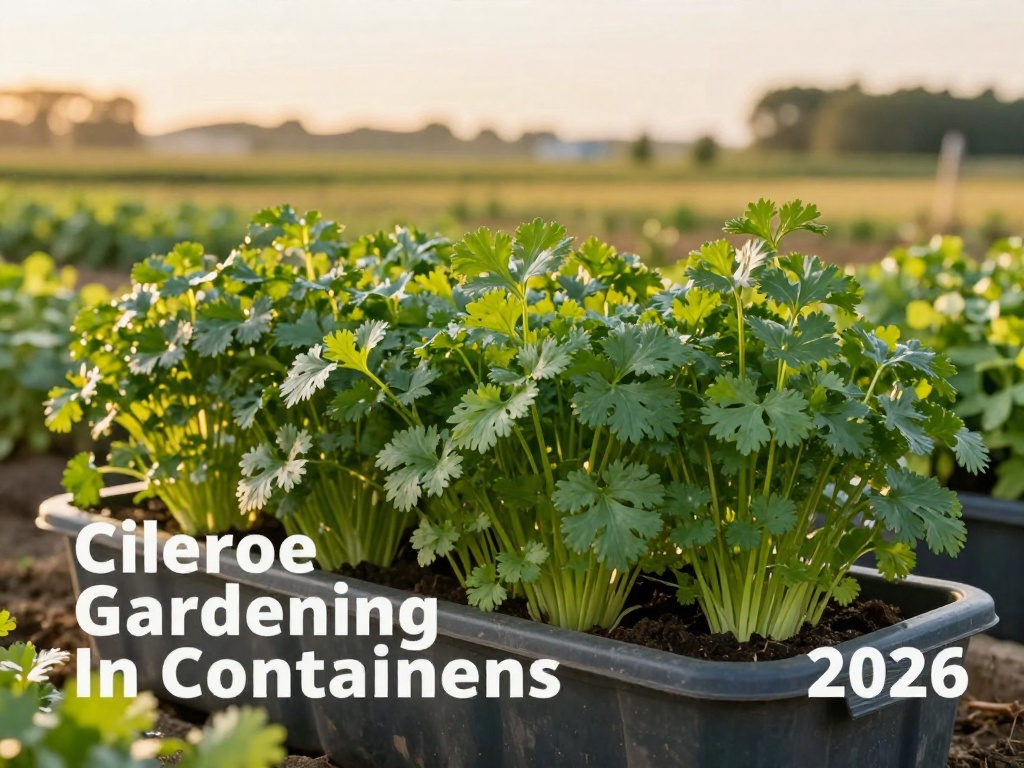
Cilantro vertical gardening in containers offers an innovative solution for herb enthusiasts with limited space. Whether you live in a compact apartment or simply want to maximize your garden area, growing cilantro vertically allows you to enjoy fresh, aromatic herbs year-round. This comprehensive guide covers everything you need to know about cultivating cilantro in vertical container setups.
Why Choose Vertical Gardening for Cilantro?
Traditional horizontal garden space is becoming increasingly scarce, making vertical gardening an attractive alternative for modern growers. Cilantro responds exceptionally well to vertical container systems because it has shallow root systems that adapt easily to compact growing environments. Additionally, vertical arrangements improve air circulation around the plants, reducing the risk of fungal diseases that commonly affect cilantro.
Growing cilantro vertically also places your herbs at a convenient height for harvesting, eliminating the need to bend or crouch. This accessibility encourages more frequent harvesting, which actually promotes bushier, more productive plants. For urban gardeners and beginners alike, vertical container systems represent a practical, space-efficient approach to fresh herb production.
Benefits for Small Space Gardeners
Container vertical gardening proves particularly valuable for those working with balconies, patios, or limited indoor areas. A single vertical tower can replace multiple horizontal pots, freeing up valuable floor space while still producing abundant cilantro harvests. This method works equally well for renters who cannot modify their living spaces permanently.
Essential Materials and Equipment
Before beginning your cilantro vertical gardening journey, gather the necessary materials to ensure success. The foundation of any vertical system lies in selecting appropriate containers, support structures, and quality growing medium. Investing in proper materials upfront prevents common problems that beginners often encounter.
Choosing the Right Containers
Select containers with adequate drainage holes and a depth of at least 6 inches to accommodate cilantro's root system. Fabric pots work exceptionally well in vertical setups because they promote air pruning of roots, preventing the circling that occurs in traditional plastic containers. Pocket-style planters, stacked pots, and hanging baskets all serve as excellent vertical options for cilantro cultivation.
Consider using lightweight containers if you plan to move your vertical garden frequently. Self-watering containers can reduce maintenance requirements, making them ideal for busy gardeners. Ensure that your chosen containers can be securely attached to your vertical support system without risk of falling.
Support Structures and Frameworks
Sturdy vertical frameworks prevent your container system from toppling, especially when fully planted and watered. Wall-mounted lattices, freestanding trellises, and modular vertical garden systems all provide adequate support. For a simple DIY approach, repurpose wooden pallets or create a tiered shelf system designed specifically for container gardening.
Soil and Growing Medium Requirements
Cilantro thrives in loose, well-draining soil that retains moisture without becoming waterlogged. A high-quality potting mix containing perlite, vermiculite, and organic compost creates the ideal growing environment. Avoid using garden soil alone, as it tends to compact in containers and may harbor pests or diseases.
Creating the Perfect Potting Mix
Mix two parts quality potting soil with one part perlite and one part aged compost for optimal results. This combination provides excellent drainage while retaining sufficient moisture for cilantro's shallow roots. Adding a slow-release organic fertilizer ensures your plants receive consistent nutrition throughout the growing season. Alternatively, use a commercial potting mix specifically formulated for herbs and vegetables.
Step-by-Step Planting Process
Proper planting technique significantly impacts the success of your vertical cilantro garden. Following a systematic approach ensures your plants establish quickly and begin producing harvests sooner. Timing your planting also matters, as cilantro prefers moderate temperatures between 50 and 85 degrees Fahrenheit.
Sowing Seeds vs. Transplanting
Direct sowing seeds into your vertical containers often produces stronger plants than transplanting seedlings. Sow seeds approximately quarter-inch deep and cover lightly with moist potting mix. Maintain consistent moisture until germination occurs, which typically takes 7 to 10 days. Thin seedlings to stand 2 to 3 inches apart once they develop their second set of true leaves.
If using transplants, select healthy seedlings with vibrant green foliage and no signs of wilting or yellowing. Gently remove seedlings from their original containers, taking care not to damage the delicate root systems. Plant at the same depth they occupied in their previous container to prevent stem rot.
Spacing and Placement in Vertical Systems
Position containers in your vertical system with adequate spacing between each planting pocket to allow for air circulation. cilantro requires approximately 6 inches of space between plants for optimal growth. Place your vertical garden where it receives 4 to 6 hours of sunlight daily, though cilantro tolerates partial shade, especially in hotter climates.
Watering and Drainage Management
Proper watering represents one of the most critical aspects of container-based cilantro vertical gardening. Containers dry out more quickly than ground soil, requiring more frequent irrigation. However, overwatering causes root rot and fungal problems that can devastate your cilantro crop.
Establishing a Watering Schedule
Check your containers daily during warm weather, inserting your finger about an inch into the soil to assess moisture levels. Water thoroughly when the top inch feels dry, applying water until it drains from the bottom of the container. During cooler months, reduce watering frequency to prevent soggy conditions. Morning watering allows foliage to dry before evening, reducing disease pressure.
Vertical systems often experience uneven moisture distribution, with upper containers drying faster than lower ones. Monitor each container individually and adjust your watering accordingly. Mulching the soil surface with a thin layer of straw or shredded bark helps retain moisture and regulate soil temperature.
Fertilization for Maximum Yield
Cilantro grown in containers requires regular fertilization because potting mix lacks the nutrient reservoir found in garden soil. A balanced approach prevents both nutrient deficiency and fertilizer burn that can damage or kill your plants. Understanding cilantro's nutritional needs helps you provide exactly what your vertical garden requires.
Organic Fertilization Methods
Apply diluted fish emulsion or seaweed extract every two weeks during the growing season for consistent, gentle nutrition. Alternatively, incorporate slow-release organic granules into your potting mix at planting time. Compost tea applied as a soil drench provides beneficial microorganisms alongside nutrition. These organic approaches produce flavorful, aromatic cilantro without chemical residue.
Harvesting and Maintenance Tips
Regular harvesting encourages cilantro to produce more foliage and delays bolting, the process where the plant sends up flower stalks and production declines. Proper harvesting technique also ensures you obtain the most flavorful leaves from each plant. Understanding the plant's growth cycle helps you time your harvests for optimal results.
When and How to Harvest
Begin harvesting once stems reach at least 6 inches in height, typically 3 to 4 weeks after planting. Cut the outer stems first, leaving the inner growth to continue developing. Harvest in the morning when essential oils are most concentrated for the strongest flavor. Never remove more than one-third of the plant at a single time to maintain healthy growth.
For continuous production, sow new seeds every 2 to 3 weeks in separate containers within your vertical system. This succession planting ensures you always have fresh cilantro available while older plants go through their natural growth cycles. Removing flower heads promptly when they appear extends the harvesting period significantly.
Common Problems and Solutions
Even well-managed vertical cilantro gardens occasionally face challenges from pests, diseases, or environmental stress. Identifying problems early and implementing appropriate solutions protects your investment and ensures continued productivity. Prevention through proper cultural practices remains the most effective approach to problem management.
Pest Management
Aphids, spider mites, and whiteflies occasionally attack cilantro grown in containers. Inspect plants regularly, checking the undersides of leaves where pests often congregate. Remove aphids manually with a strong spray of water, or apply insecticidal soap for severe infestations. Introducing beneficial insects like ladybugs provides natural pest control in outdoor settings.
Disease Prevention
Fungal diseases including powdery mildew and leaf spot thrive in conditions of poor air circulation and excessive moisture. Space plants properly, water at the base rather than overhead, and ensure adequate spacing between containers. Remove affected foliage promptly and improve growing conditions to prevent disease spread.
Extending Your Growing Season
Vertical container gardening offers unique opportunities for season extension that traditional gardens cannot match. Moveable containers allow you to respond quickly to changing weather conditions, bringing plants indoors during frost or extreme heat. This flexibility extends your cilantro harvest significantly compared to fixed garden beds.
Indoor Growing During Winter
Position your vertical cilantro system near a south-facing window that receives ample natural light during winter months. Supplemental grow lights ensure consistent production even in low-light conditions. Indoor cilantro may grow slightly slower than outdoor plants but provides fresh harvests throughout the coldest months. Maintaining consistent temperatures between 60 and 70 degrees Fahrenheit promotes healthy growth.
Best Companion Plants for Vertical Gardens
Combining cilantro with compatible plants in your vertical system maximizes space efficiency while potentially improving growth. Some plants repel pests that commonly affect cilantro, while others enhance flavor or provide shade during hot weather. Strategic companion planting creates a more resilient and productive vertical garden ecosystem.
Compatible Herbs and Vegetables
Dill, parsley, and other herbs with similar cultural requirements grow well alongside cilantro in vertical arrangements. Leafy greens like lettuce and spinach also tolerate the same growing conditions. Avoid planting fennel near cilantro, as these plants compete for resources and may inhibit each other's growth. Mint should be grown in separate containers, as it spreads aggressively and can overwhelm neighboring plants.
Frequently Asked Questions
How often should I water cilantro in vertical containers?
Cilantro in containers typically requires watering every 1 to 2 days during warm weather, checking the soil daily. Water when the top inch of soil feels dry, ensuring water drains from the bottom. During cooler weather, reduce frequency to every 3 to 4 days. Vertical systems with fabric pots may need more frequent watering due to increased air circulation.
What is the best vertical system for growing cilantro?
Fabric pocket planters, stacked terra cotta pots, and modular vertical garden panels all work well for cilantro. Fabric systems provide excellent drainage and air pruning, while stacked pots offer stability and traditional aesthetics. Choose systems that allow individual containers for each plant to simplify maintenance and replacement.
How long does cilantro take to grow in containers?
Cilantro reaches harvestable size approximately 3 to 4 weeks after sowing seeds. Transplants establish within 1 to 2 weeks and can be harvested sooner. Individual plants remain productive for 4 to 6 weeks before bolting begins, so succession planting every 2 to 3 weeks ensures continuous harvests throughout the season.
Why is my vertical cilantro turning yellow?
Yellowing cilantro typically indicates overwatering, nutrient deficiency, or insufficient light. Check your watering schedule and ensure containers drain properly. Apply a balanced liquid fertilizer if you haven't fed plants recently. Move the vertical system to receive more light if plants appear pale or leggy.
Can I grow cilantro vertically indoors year-round?
Yes, cilantro grows successfully indoors in vertical containers with adequate light. Position plants near south-facing windows or use fluorescent or LED grow lights for 12 to 14 hours daily. Indoor cilantro may grow slower than outdoor plants but provides fresh harvests throughout winter. Maintain temperatures between 60 and 70 degrees Fahrenheit for optimal growth.
What is the cost to start a cilantro vertical garden?
Starting a basic vertical cilantro garden costs between $30 and $60 for containers, support structures, soil, and initial seeds or transplants. DIY systems using repurposed materials can cost significantly less. Ongoing expenses include soil amendments and occasional fertilizer, typically $10 to $20 per growing season. The investment pays for itself quickly through reduced grocery store herb purchases.
No comments