
Marigolds Container Gardening: Natural Pest Control 2026 Guide
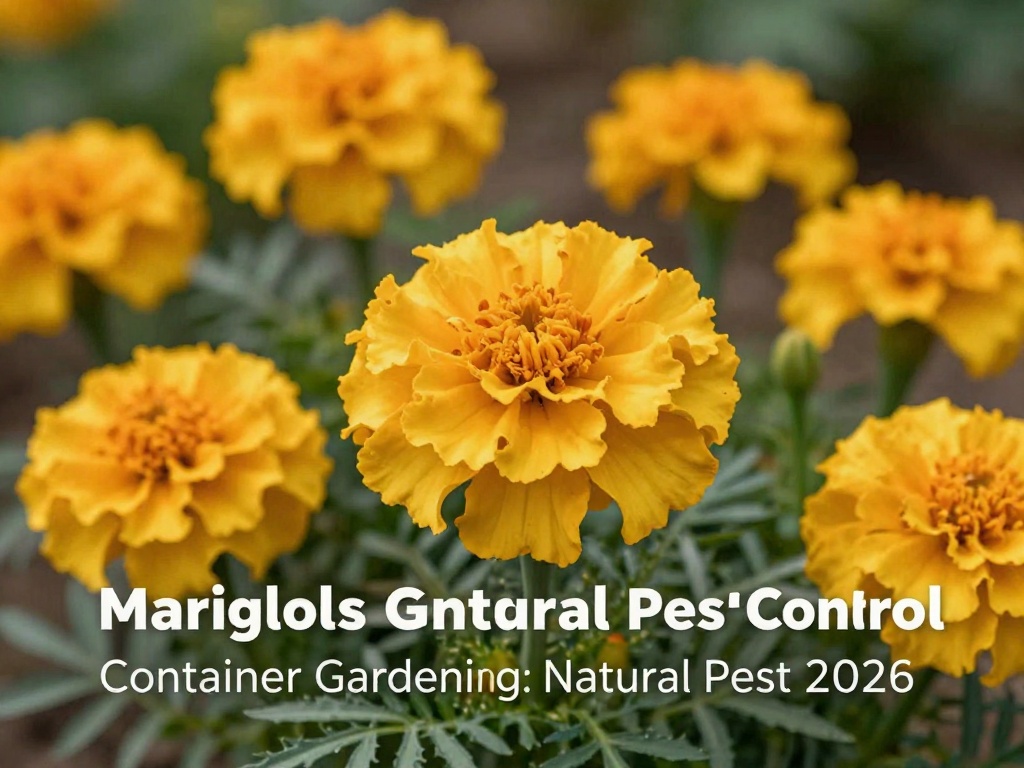
Marigolds Container Gardening: Natural Pest Control 2026 Guide
Marigolds have earned their reputation as nature's tiny guardians in the garden world. When space is limited, container gardening offers the perfect solution for bringing these powerful pest-fighting flowers to your patio, balcony, or small outdoor area. This comprehensive guide reveals how to harness marigolds container gardening natural pest control benefits, even in the smallest of spaces.
Whether you are growing vegetables, herbs, or ornamental plants, understanding the strategic placement of marigolds can transform your container garden into a thriving, low-maintenance ecosystem. The methods shared here work for beginners and experienced gardeners alike.
Why Marigolds Excel at Natural Pest Control
Marigolds produce thiophenes, compounds released through their roots and foliage that naturally repel numerous garden pests. This organic approach eliminates the need for chemical pesticides while protecting your edible plants and flowers.
The Science Behind Marigold Pest Repellent Properties
French marigolds (Tagetes patula) and African marigolds (Tagetes erecta) contain alpha-terthienyl, a substance toxic to nematodes that attack plant roots. When marigold roots decompose, they release compounds that suppress soil-borne pests for months.
Above ground, the strong fragrance masks the scent of companion plants, confusing pests like aphids, whiteflies, and spider mites that rely on smell to locate their food sources. This natural masking effect makes marigolds invaluable for protecting vulnerable crops in containers.
Step-by-Step Marigolds Container Gardening for Beginners
Choosing the Right Container
Select pots with adequate drainage holes, at least 6-8 inches deep for French marigolds and 10-12 inches for African varieties. Terra cotta, plastic, and ceramic containers all work well. Ensure each container is wide enough to accommodate the mature plant spread, typically 6-12 inches depending on variety.
Soil Preparation for Maximum Pest-Fighting Potential
Use quality potting mix rather than garden soil to prevent disease and ensure proper drainage. Add a layer of compost to boost beneficial microorganisms. The healthier your marigolds, the more potent their pest-repellent compounds become.
Planting Your Marigolds
Plant marigold seeds or seedlings after the last frost when soil temperatures reach 70°F (21°C). Space plants according to variety instructions, typically 6-8 inches apart. Sow seeds just beneath the surface and keep soil consistently moist until germination occurs within 5-7 days.
Strategic Placement for Maximum Effectiveness
Position marigold containers strategically throughout your gardening area to create an invisible protective barrier. Place them near entrances where pests might invade, alongside vegetable containers, and at garden edges.
Arranging Containers for Pest Protection
Cluster marigold pots around vulnerable plants rather than scattering them randomly. Research shows that grouping 2-3 marigold containers per 4 square feet provides optimal protection coverage. Intersperse marigolds among tomato, pepper, squash, and cucumber containers for vegetable garden protection.
Pests Marigolds Naturally Repel
Marigolds container gardening natural pest control works against multiple garden threats. Aphids avoid the strong fragrance, while whiteflies and spider mites cannot tolerate the compounds. Japanese beetles, squash bugs, and tomato hornworms also find marigolds highly unattractive.
Nematodes, microscopic worms that attack plant roots, face particularly strong repulsion from marigold root secretions. Some gardeners dedicate entire container gardens to marigolds specifically for nematode control in problem soil areas.
Best Marigold Companions for Container Gardens
Combine marigolds with vegetables that benefit most from their protection. Tomatoes, peppers, eggplants, cucumbers, squash, beans, and lettuce all thrive when paired with marigold containers nearby.
Basil, rosemary, and other aromatic herbs complement marigold pest protection by adding additional fragrance barriers. Flowers like zinnias and petunias create visually appealing arrangements while sharing pest-repellent duties.
Caring for Container Marigolds Season After Season
Marigolds thrive with minimal attention, making them ideal for busy gardeners. Water when the top inch of soil feels dry, typically every 2-3 days in warm weather. Avoid overhead watering to prevent fungal issues on foliage.
Deadheading and Maintenance Tips
Remove spent blooms regularly to encourage continuous flowering throughout the growing season. This practice keeps marigolds producing their protective compounds while extending their ornamental appeal from spring through fall frost.
Overwintering Considerations
In colder climates, bring containers indoors before frost or treat marigolds as annuals. For perennial pest control, collect seeds from dried flower heads and store them in a cool, dry location until spring planting season arrives.
Expected Results Timeline
Marigolds begin releasing pest-repellent compounds within 2-3 weeks of planting. Full effectiveness develops over 6-8 weeks as root systems mature and compound concentration increases. Benefits continue throughout the growing season with proper maintenance.
Common Mistakes to Avoid
Avoid overwatering, which causes root rot and reduces plant vigor. Do not plant marigolds too close together in containers, as poor air circulation invites fungal problems. Refrain from using chemical pesticides that harm beneficial insects and reduce marigold effectiveness.
Skipping deadheading significantly reduces flowering and pest-repellent potency. Additionally, avoid placing containers in full shade, as marigolds require at least 6 hours of sunlight for optimal growth and compound production.
Frequently Asked Questions
Can marigolds in containers really control pests effectively?
Yes, container-grown marigolds provide effective natural pest control by releasing repellent compounds through roots and foliage. Strategic placement maximizes their protective benefits for nearby plants.
Which marigold varieties work best for container gardening?
French marigolds (Tagetes patula) excel in containers due to their compact size (6-12 inches) and prolific blooming. Super Hero Mix and Janie varieties perform particularly well in limited spaces.
How many marigold containers do I need for a small patio garden?
For a typical patio garden, 3-5 strategically placed marigold containers provide adequate pest protection. Position them near plant entrances and around vulnerable vegetables for best results.
Do marigolds attract any harmful pests to watch for?
Slugs occasionally target marigold seedlings but rarely affect mature plants. Spider mites may appear during hot, dry conditions. Regular inspection and proper watering prevent most issues.
What is the best time of year to plant marigolds for pest control?
Plant marigolds in spring after all frost danger passes, or start seeds indoors 6-8 weeks before the last expected frost. This timing allows maximum pest protection during peak growing season.
How much maintenance do container marigolds require?
Container marigolds require minimal maintenance including regular watering, weekly deadheading, and monthly light feeding. Total care time averages just 15-20 minutes weekly per several containers.
No comments