
Cilantro Transplanting on Balcony: 2026 Complete Guide
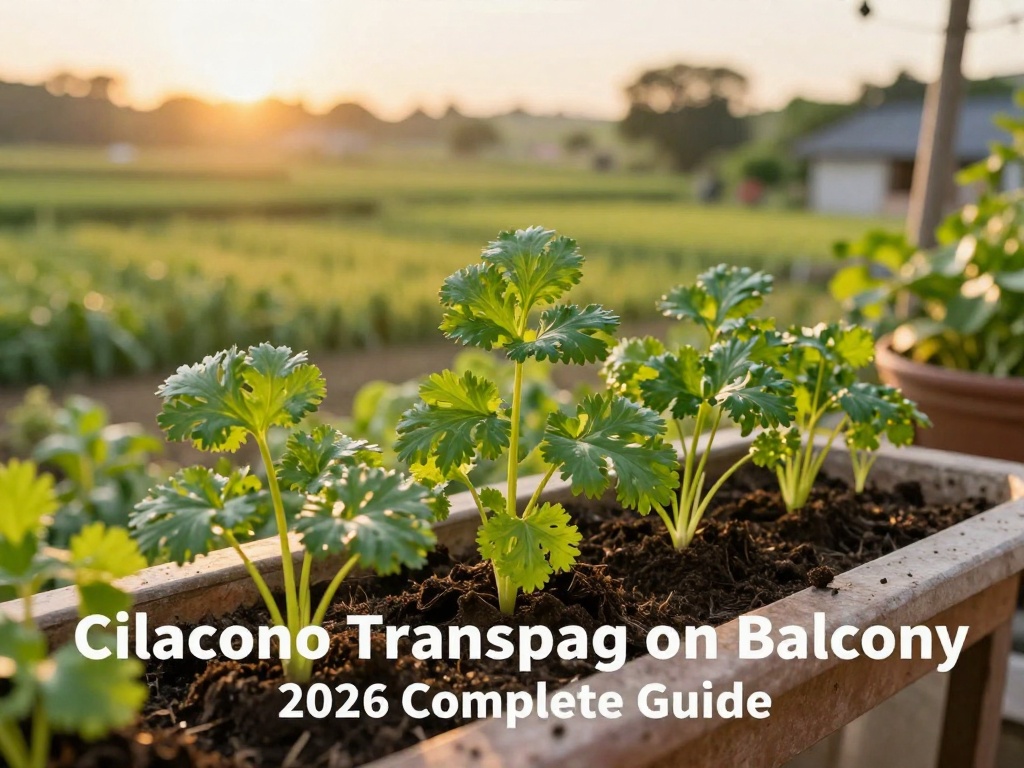
Cilantro Transplanting on Balcony: 2026 Complete Guide
Cilantro transplanting on balcony gardens has become increasingly popular among urban gardeners seeking fresh herbs in limited spaces. Whether you're moving seedlings from indoor starts or repositioning crowded plants, mastering the art of cilantro transplanting ensures a bountiful harvest right outside your window. This comprehensive guide walks you through every step of successfully transplanting cilantro in containers on your balcony.
Why Transplant Cilantro on a Balcony?
Growing cilantro in containers offers remarkable flexibility for urban dwellers. Transplanting allows you to start seeds indoors during cold months and move them to your balcony once temperatures warm. This method extends your growing season significantly compared to direct sowing. Additionally, balcony transplanting lets you position plants for optimal sunlight exposure throughout the day.
Cilantro is a cool-season herb that bolts quickly in heat. By transplanting seedlings rather than direct seeding, you gain better control over growing conditions and can harvest fresh leaves for weeks longer.
Benefits of Container-Based Cilantro Gardening
- Space-efficient growing in small balconies
- Mobility to chase sunlight or provide shade
- Better pest control compared to ground gardens
- Cleaner harvesting and maintenance
- Year-round growing potential with protection
When to Transplant Cilantro Seedlings
Timing is crucial for successful cilantro transplanting. Seedlings are ready for transplanting when they develop 2-3 true leaves, typically 3-4 weeks after germination. Avoid transplanting during extreme temperatures—early morning or late afternoon on mild days works best.
Ideal Temperature Conditions
Cilantro prefers temperatures between 50-85°F (10-29°C). Transplant seedlings after all frost danger passes in spring. In mild climates, fall transplanting also works well for winter harvests. Watch for signs of stress if temperatures fluctuate dramatically after transplanting.
Preparing Containers for Cilantro
Select pots at least 6-8 inches deep with adequate drainage holes. Cilantro develops a taproot, so depth matters more than width. A 12-inch container comfortably holds 2-3 cilantro plants. Terra cotta and plastic containers both work well, though plastic retains moisture longer during hot weather.
Soil Mix Requirements
Use a well-draining potting mix rich in organic matter. Combine equal parts potting soil, compost, and perlite or sand for optimal drainage. Avoid garden soil, which compacts in containers and may harbor disease. The ideal pH range for cilantro is 6.2-6.8—most quality potting mixes fall within this range.
Step-by-Step Cilantro Transplanting Process
Step 1: Water Seedlings Before Transplanting
Moisten the soil in your seedling containers 1-2 hours before transplanting. Well-hydrated seedlings suffer less transplant shock and roots slide out more easily without damage.
Step 2: Prepare the Container
Fill your prepared container with the soil mix, leaving about 1 inch of space below the rim. Create a small well in the center deep enough to accommodate the seedling's root ball. Add a diluted liquid fertilizer if desired for an initial growth boost.
Step 3: Remove Seedlings Carefully
Gently loosen the soil around each seedling using a small tool or your fingers. Support the seedling by its leaves rather than the delicate stem. Slide the root ball out intact, preserving as much soil as possible around the roots.
Step 4: Plant at the Correct Depth
Place the seedling in the prepared well so the soil level matches its previous growing depth. Planting too deep causes stem rot, while planting too shallow exposes roots. Fill in around the root ball with soil, gently firming to eliminate air pockets.
Step 5: Water Thoroughly After Transplanting
Water the newly transplanted cilantro immediately until water drains from the bottom. This settles soil around roots and reduces transplant shock. Keep the soil consistently moist but not waterlogged during the first week as seedlings establish.
Balcony Care After Transplanting
Proper post-transplant care determines whether your cilantro thrives or struggles. Position containers where they receive 4-6 hours of sunlight daily, with some afternoon shade in hot climates. Cilantro tolerates light shade but grows leggy with insufficient light.
Watering Schedule for Transplanted Cilantro
Check soil moisture daily during the first two weeks. Water when the top inch of soil feels dry. Container-grown cilantro typically needs watering every 2-3 days, though frequency increases during hot, windy weather. Consistent moisture prevents bolting and promotes lush leaf production.
Fertilizing After Transplanting
Avoid heavy fertilizing immediately after transplanting. Wait 2-3 weeks before applying a balanced, diluted liquid fertilizer (10-10-10) every 2-3 weeks. Over-fertilizing produces excessive leaf growth with diminished flavor.
Troubleshooting Common Cilantro Problems
Addressing Transplant Shock
Some wilting is normal immediately after cilantro transplanting. Provide shade during the first few days and maintain consistent moisture. Most seedlings recover within a week. If wilting persists, check for root damage, underwatering, or temperature stress.
Preventing Early Bolting
Cilantro bolts (produces flowers and goes to seed) quickly under stress. Prevent bolting by avoiding root disturbance once established, maintaining consistent moisture, providing afternoon shade in summer, and harvesting leaves regularly to encourage bushy growth.
Harvesting Your Balcony Cilantro
Begin harvesting outer leaves when plants reach 6 inches tall. Cut stems above a leaf node to encourage branching. Regular harvesting prevents bolting and extends your harvest period. For continuous supply, stagger plantings every 2-3 weeks.
Final Tips for Successful Balcony Cilantro Growing
Cilantro transplanting on balcony containers rewards patient gardeners with fresh, flavorful herbs throughout the growing season. Success comes from proper timing, gentle handling during transplant, and attentive aftercare. Start your next cilantro crop using these techniques and enjoy the convenience of harvesting from your balcony.
Frequently Asked Questions
Can I transplant cilantro seedlings from the grocery store?
Yes, grocery store cilantro can be transplanted if the roots are intact and the plant shows no signs of yellowing or disease. Gently separate individual plants from bunched herbs and plant them in fresh soil, keeping the soil level at the base of the stems.
How long does cilantro take to recover from transplanting?
Most cilantro seedlings recover from transplant shock within 5-7 days. During this period, maintain consistent moisture and provide protection from intense sunlight. Full recovery and resumed growth typically occur within 2-3 weeks.
What size container is best for transplanting cilantro?
A container at least 6 inches deep and 8 inches wide works well for a single cilantro plant. For multiple plants, use a rectangular window box or round pot with 6-8 inches between plants. Always ensure adequate drainage holes.
Should I transplant cilantro in morning or evening?
Late afternoon or early evening is ideal for cilantro transplanting. This timing allows seedlings to recover overnight without intense sun stress. Avoid transplanting during hot midday sun or extremely windy conditions.
How often should I water cilantro after transplanting?
Water transplanted cilantro every 1-2 days during the first two weeks. Check soil moisture by inserting your finger an inch deep. Once established, water deeply when the top inch of soil dries, typically every 2-3 days depending on weather conditions.
Why is my transplanted cilantro turning yellow?
Yellowing cilantro after transplanting indicates overwatering, nutrient deficiency, or root damage. Reduce watering frequency if soil remains soggy. Apply a balanced fertilizer if leaves remain pale. Ensure proper drainage and avoid disturbing roots during future transplanting.
No comments