
Basil Planting for Beginners: 2026 Complete Grower's Guide
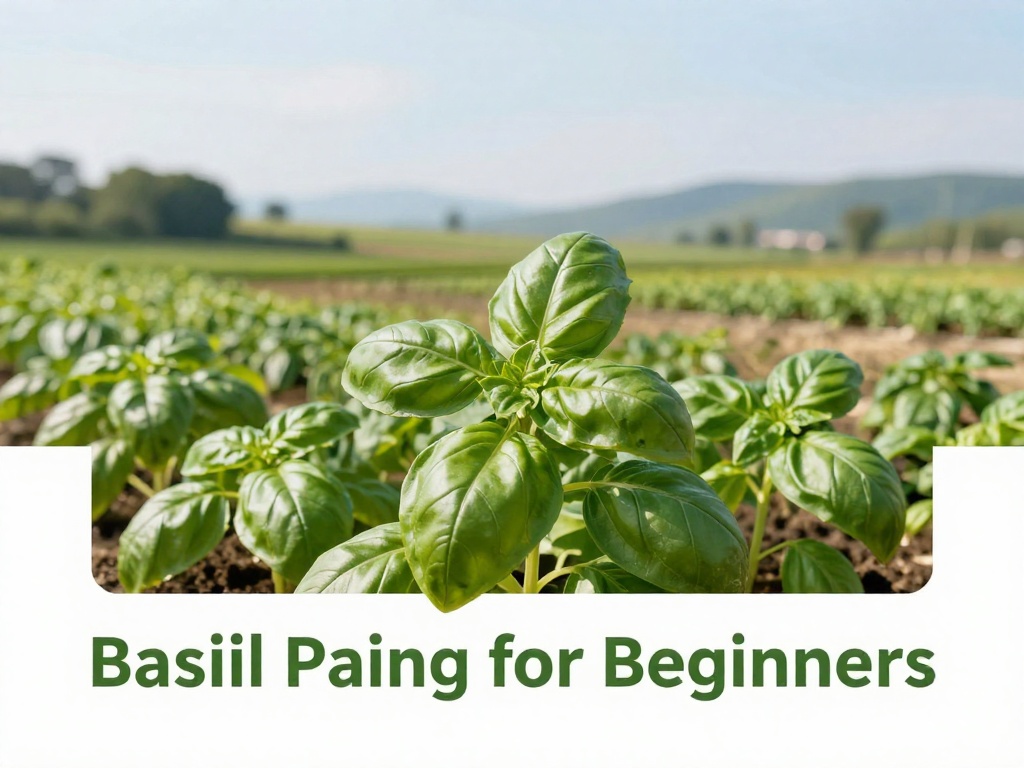
Basil Planting for Beginners: 2026 Complete Grower's Guide
Basil planting for beginners is one of the most rewarding starting points for new gardeners. This fragrant herb not only elevates your cooking but also grows quickly with minimal care. Whether you have a spacious backyard or a small container on your balcony, basil adapts well to various settings. This guide will walk you through everything you need to start your basil garden successfully in 2026.
Why Choose Basil as Your First Herb?
Basil is an ideal beginner herb because it germinates quickly, often sprouting within 5-10 days. The plant thrives in warm conditions and produces abundant leaves you can harvest repeatedly. Additionally, basil acts as a natural pest deterrent, protecting nearby vegetables in your garden. For those interested in organic gardening, basil fits perfectly into natural growing methods without requiring heavy fertilization.
Beyond its culinary uses, basil offers therapeutic benefits through its aromatic oils. Many gardeners find the process of growing basil stress-relieving and enjoyable. Starting with basil builds confidence that translates to other vegetable and herb cultivation.
Understanding Basil Planting Requirements
Climate and Temperature Needs
Basil originated in tropical regions, so it prefers warm conditions between 70-90°F (21-32°C). Plant your basil after the last frost date in spring when soil temperatures reach at least 50°F (10°C). Cold temperatures below 40°F cause stress and can kill the plant. In cooler regions, consider starting seeds indoors or using season extenders.
Sunlight Requirements for Maximum Growth
Basil requires full sun, meaning at least 6-8 hours of direct sunlight daily. Place your plants in the sunniest spot available, whether in ground beds or containers. Insufficient light leads to leggy growth and reduced flavor in leaves. South-facing windows work well for indoor basil planting for beginners.
Step by Step Basil Planting Process
Choosing the Right Location
Select a location with well-draining soil and maximum sun exposure. Avoid areas where water pools after rain, as basil roots dislike soggy conditions. If planting in containers, ensure pots have drainage holes to prevent root rot.
Soil Preparation for Healthy Growth
Basil thrives in rich, well-draining soil with a pH between 6.0-7.5. Mix organic compost into your garden bed before planting to boost nutrients. For container gardening, use high-quality potting mix designed for herbs or vegetables. Avoid heavy clay soils that retain too much moisture.
Sowing Basil Seeds Correctly
Plant basil seeds about 1/4 inch deep and 10-12 inches apart. Lightly cover with soil and keep moist until germination. For direct outdoor planting, wait until soil warms to 60°F minimum. Starting indoors gives you a 4-6 week head start before transplanting.
Transplanting Seedlings Successfully
When seedlings develop 2-3 true leaves and outdoor conditions are suitable, harden them off for 7-10 days before transplanting. Choose overcast days or late afternoon to reduce transplant stress. Water thoroughly after planting and maintain consistent moisture during establishment.
Essential Care Techniques for Beginners
Watering Best Practices
Water basil deeply but infrequently, allowing the top inch of soil to dry between waterings. Overwatering causes root problems and fungal diseases. Early morning watering gives leaves time to dry and reduces disease risk. During hot summer months, you may need to water daily in containers.
Fertilizing for Maximum Yield
Feed basil with balanced organic fertilizer every 4-6 weeks during the growing season. Too much nitrogen produces lush foliage but diminishes flavor intensity. Fish emulsion or compost tea work excellently for organic basil gardens.
Pruning and Pinching Techniques
Regular harvesting promotes bushy, productive plants. Pinch off flower buds as they appear to encourage leaf production. Never remove more than one-third of the plant at once. This technique extends your harvest window significantly throughout the season.
Common Beginner Mistakes to Avoid
Overwatering remains the most common error among new basil growers. Allow soil to dry appropriately between waterings. Another mistake is planting too early in cold soil, which stunts growth and invites disease. Also, avoid crowding plants, as good air circulation prevents fungal problems.
Neglecting to harvest regularly causes basil to become woody and bolt prematurely. Consistent harvesting keeps plants productive and delays flowering. Finally, ensure your containers have adequate drainage holes to prevent waterlogging.
Pest and Disease Management
Basil generally resists pests well, but watch for aphids, slugs, and Japanese beetles. Remove pests manually or use organic insecticidal soap. Prevent fungal diseases by maintaining proper spacing and avoiding overhead watering. Good airflow around plants reduces mildew and leaf spot problems.
Harvesting Your Basil
Begin harvesting once plants have at least 6-8 leaves. Cut stems above a leaf pair to encourage branching. Morning harvests yield the most intense flavor when essential oils peak. Fresh basil keeps for about a week refrigerated, or you can dry or freeze excess for year-round use.
Storing and Using Your Harvest
Fresh basil works best added to dishes at the end of cooking to preserve flavor. Make pesto, infuse oils, or simply tear leaves into salads and pasta. Drying works for storage but reduces flavor; freezing preserves more of the fresh taste. Properly stored basil extends your harvest benefits well beyond the growing season.
FAQ
When is the best time to plant basil for beginners?
Plant basil outdoors 2-3 weeks after your last expected frost when soil temperatures reach 60°F (15°C) or higher. Indoor seed starting should begin 6-8 weeks before this date. Warm soil and air temperatures are essential for successful germination and growth.
How often should I water basil plants?
Water basil when the top inch of soil feels dry, typically every 1-2 days depending on temperature and container size. In-ground plants may need less frequent watering than containers. Always water at the base of the plant and avoid wetting foliage.
Can basil grow in containers on a balcony?
Yes, basil thrives in containers on sunny balconies with at least 6 hours of direct sunlight. Use pots at least 6-8 inches deep with good drainage. Container basil requires more frequent watering than garden-grown plants but produces excellent results in small spaces.
How long does it take for basil to grow from seed?
Basil seeds typically germinate within 5-10 days under optimal conditions. Seedlings become harvestable in about 3-4 weeks after transplanting. For quickest results, start seeds indoors and provide warmth and adequate light from the beginning.
What is the minimum cost to start growing basil?
Starting basil costs as little as $3-5 for a packet of seeds. A basic container, potting soil, and a small bag of compost brings total investment to under $20. Reusing containers and saving seeds in subsequent years makes basil extremely economical for beginners.
Why is my basil plant turning yellow?
Yellow leaves often indicate overwatering, nutrient deficiency, or insufficient light. Check soil moisture first and reduce watering if needed. Apply balanced organic fertilizer if you haven't fed recently. Ensure plants receive minimum 6 hours of direct sunlight daily.
How do I prevent basil from flowering too quickly?
Consistent harvesting prevents bolting by removing developing flower buds before they open. Pinch stems regularly from the top, cutting just above leaf pairs. Adequate water and moderate nitrogen levels also delay flowering and extend productive harvest periods.
No comments